
Trailers For Sale in Minnesota
Browse trailers for sale in Minnesota, including dry van and commercial trailer options with specs, applications, and buying tips.

Selling a trailer? List your trailer for sale and reach thousands of commercial buyers.
Trailers in Minnesota
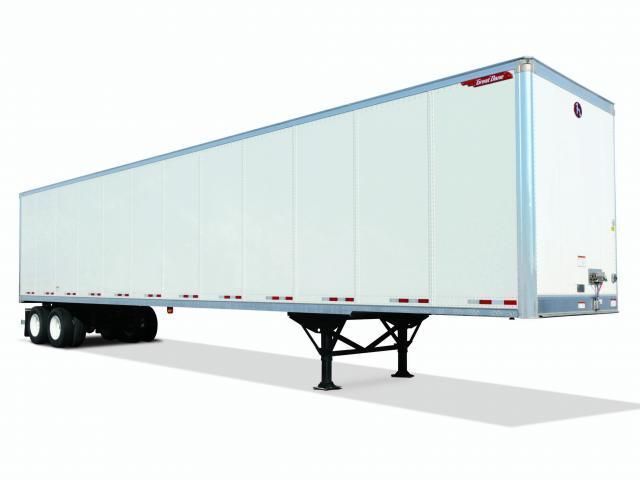
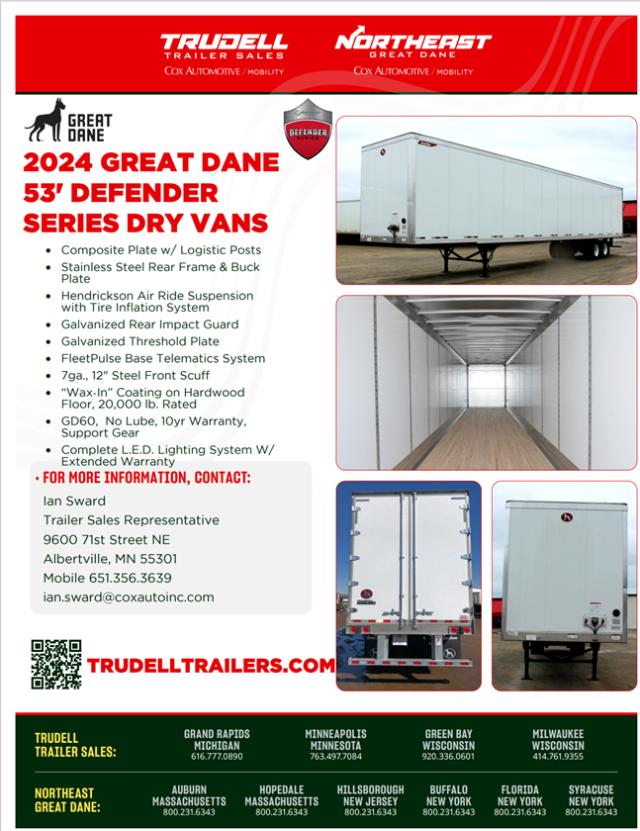
For enclosed freight, details like lining, flooring, and cargo control matter as much as the basic dimensions. Many van trailers are built with aluminum or composite side construction, wood floors, plywood lining, scuff plates, threshold plates, and E-track or logistic post systems for load securement flexibility. Roll-up doors are common in multi-stop work, while swing doors may appeal to fleets focused on maximizing rear opening clearance and reducing door maintenance. Air ride suspension is a major plus for ride quality and cargo protection, and sliding tandem suspensions help with bridge law compliance, axle spread adjustment, and dock positioning.
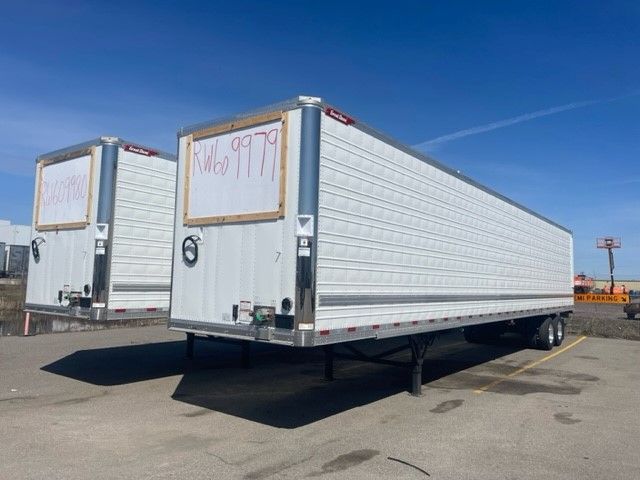
Minnesota operators also need to think about climate, corrosion, and seasonal traction. Road salt, freeze-thaw cycles, and long winter service can accelerate wear on crossmembers, fasteners, wiring, door hardware, and suspension components. On used trailers, buyers should pay close attention to roof condition, floor wear, rear frame integrity, rail and crossmember corrosion, brake condition, tire age, and the operation of the tandem slide. Features such as tire inflation systems, air lift axles, side skirts, and undertray storage can improve uptime, fuel economy, or payload management, but they also add inspection points. Disc wheels, low-profile 22.5 tires, vents, and aerodynamic equipment are also common depending on fleet spec.
The right trailer depends on freight mix, lane length, loading method, and maintenance capacity. A regional fleet making frequent dock stops may prioritize roll-up doors, scuff protection, and easy cargo securement, while a long-haul operation may focus more on weight, aero performance, and tire management systems. Buyers comparing trailers for sale in Minnesota should match trailer dimensions, suspension type, door configuration, and interior spec to the actual work the trailer will do. That approach usually matters more than model year alone, especially in a used trailer market where upkeep and prior fleet specification strongly influence long-term value.
Frequently Asked Questions about Trailers in Minnesota
What should I inspect first on a used trailer in Minnesota?
Start with the frame, crossmembers, floor, roof, rear frame, brakes, suspension, tires, and tandem slide. In Minnesota, corrosion from road salt is a serious factor, so inspect rails, landing gear mounts, wiring, door hardware, and air lines closely. On van trailers, floor condition and wall liner damage can reveal how the trailer was loaded and whether forklifts, heavy point loads, or shifting freight caused structural wear.
What is the most common trailer size for general freight?
For dry van freight, the most common commercial trailer is a 53-foot trailer that is 102 inches wide. Many have interior heights around 100 inches or more, which supports standard palletized freight and high cube loading. This size works well for retail, LTL support, warehouse transfers, and dedicated route freight because it balances legal dimensions, cargo volume, and dock compatibility.
Is air ride suspension worth it on a freight trailer?
Air ride suspension is often worth the added cost for general freight because it improves ride quality and helps protect cargo from shock and vibration. It is especially useful for palletized goods, consumer products, and freight sensitive to rough road conditions. Air ride can also improve driver acceptance and reduce some cargo claims, but the system should be checked for bag condition, valve operation, and air leaks on any used trailer.
Why does a sliding tandem matter on a trailer?
A sliding tandem gives the operator flexibility to adjust axle position for bridge compliance, weight distribution, and loading dock access. That is important in states and routes where axle laws and load placement can change the way a trailer scales. On a used trailer, the tandem slide should move freely, lock securely, and show no major damage or excessive wear in the slider box, pins, or rails.
Are roll-up doors better than swing doors on a van trailer?
It depends on the job. Roll-up doors are popular for frequent stop-and-go distribution because they are convenient at docks and reduce the chance of door damage in tight spaces. Swing doors are simpler in some applications and can provide full rear opening clearance, which can help with certain freight and loading methods. Buyers should weigh access needs, maintenance history, and how the trailer is used day to day.