
2024 Trailers For Sale in Minnesota
Shop 2024 trailers for sale in Minnesota, including van trailers and commercial hauling specs buyers compare most before purchase.
Selling a 2024 trailer? List your 2024 trailer for sale and reach thousands of commercial buyers.
2024 Trailers in Minnesota
For buyers comparing late-model trailers, suspension, axle setup, and body construction matter as much as age. Air ride suspension is often preferred for more fragile freight and dock-friendly operation, while spring ride can be simpler and lower cost in the right lane. Aluminum construction helps reduce tare weight and support higher payload efficiency, while steel components can add durability in heavier-use environments. Tire inflation systems, disc wheels, aerodynamic packages, lift axles on certain applications, and underbody storage or undertray systems are all features worth checking because they affect uptime, maintenance planning, and operating cost over the life of the trailer.
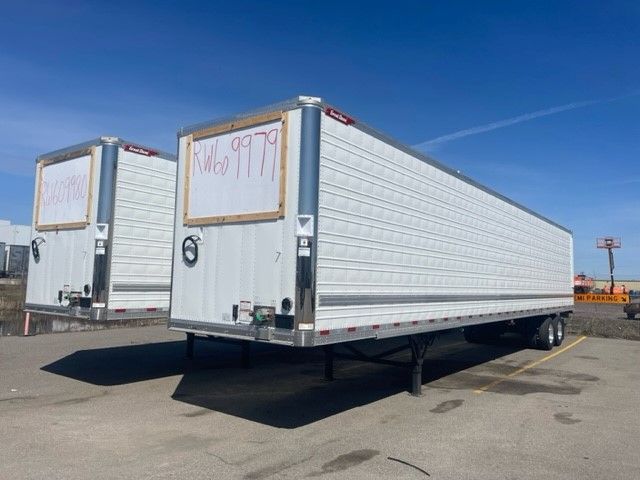
Minnesota fleets also tend to pay close attention to corrosion exposure, winter performance, and brake condition. Road salt, freeze-thaw cycles, and seasonal loading conditions can accelerate wear on wiring, air lines, suspension parts, door hardware, and crossmembers if a trailer is poorly spec'd or maintained. On vans and reefers, inspect interior wall lining, roof condition, floor wear, threshold plates, rear frame area, and any signs of forklift damage. On flatbeds and open-deck trailers, look closely at deck condition, winch track, apitong or oak flooring, tire condition, and the integrity of the frame, landing gear, and slider assembly.
A strong 2024 trailer spec is one that matches the freight, loading method, and route profile. Buyers moving palletized dry freight may prioritize inside height, lining, vents, and tandem flexibility. Regional operations may focus on maneuverability, dock compatibility, and maintenance access. Heavier or more specialized hauling may put the emphasis on GVWR, axle ratings, concentrated load capacity, and securement options. The best comparison process is to review the trailer as a working tool, not just by model year, and line up the structural, suspension, and cargo-control specs with the job it will handle every day.
Frequently Asked Questions about 2024 Trailers in Minnesota
What should I look for first when buying a 2024 trailer in Minnesota?
Start with the trailer type and the freight it will carry. A 2024 model may offer newer components and lower expected wear, but the most important factors are still length, width, axle configuration, suspension, body material, and cargo-control features. In Minnesota, buyers should also inspect for weather-related exposure points such as corrosion on wiring, brake components, crossmembers, door hardware, and slider assemblies because winter conditions can affect even newer equipment.
Are 53-foot dry van trailers the most common trailer choice?
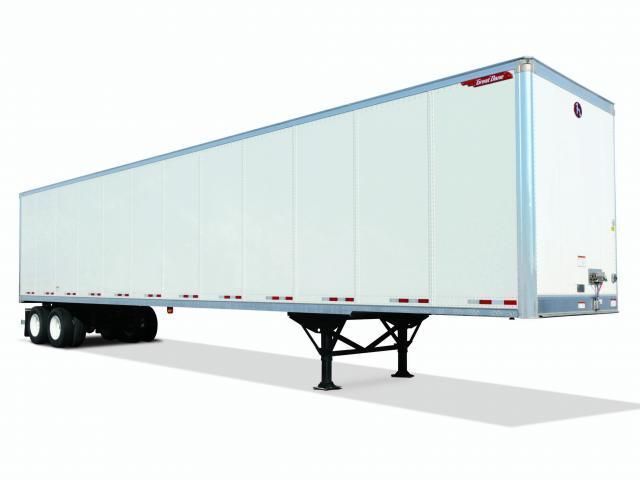
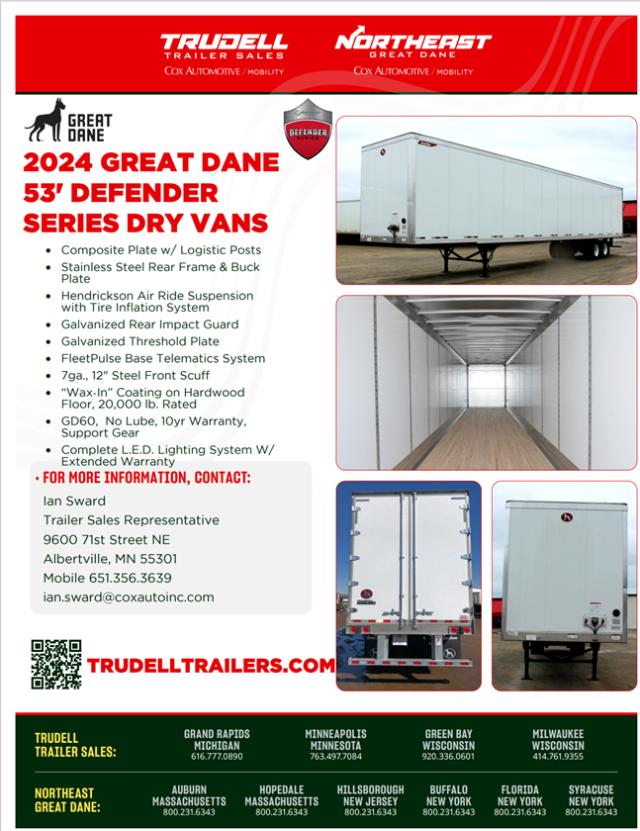
Yes, 53-foot dry van trailers are among the most common commercial trailer configurations for general freight. Buyers often compare 102-inch wide vans with features like plywood lining, scuff plates, wood floors, E-track or logistics posts, roll-up or swing doors, sliding tandems, and tire inflation systems. That setup fits a broad range of palletized freight and works well for distribution, retail, and standard truckload service.
Is air ride better than spring suspension on a trailer?
Air ride is often preferred when freight protection and ride quality matter, especially for palletized consumer goods, packaged freight, and operations with frequent dock loading. Spring suspension can still be a solid choice for fleets that want a simpler design and lower initial cost. The better option depends on cargo sensitivity, lane conditions, maintenance practices, and how much value the operation places on ride quality versus system simplicity.
Why do buyers pay attention to aluminum versus steel trailer construction?
Aluminum trailers generally help reduce empty weight, which can improve payload flexibility and fuel efficiency across repeated hauls. Steel components can offer durability advantages in certain high-impact or heavy-service applications. Most buyers compare construction material based on tare weight, expected cargo, repair environment, and long-term corrosion resistance, especially in northern climates where trailers are exposed to road salt and winter moisture.
What trailer features have the biggest impact on operating cost?
Suspension design, tire system spec, brake setup, body material, and cargo-control features all affect long-term operating cost. Tire inflation systems can help extend tire life and reduce roadside service calls. Sliding tandems influence weight distribution and compliance flexibility. Disc wheels, quality floor construction, and durable interior lining can also reduce maintenance downtime. Buyers usually save more over time by choosing a trailer spec that matches the freight and route instead of focusing only on model year.