
Merritt Trailers For Sale
Browse Merritt trailers built for grain, livestock, and ag hauling, known for aluminum construction, payload efficiency, and durable farm-ready design.
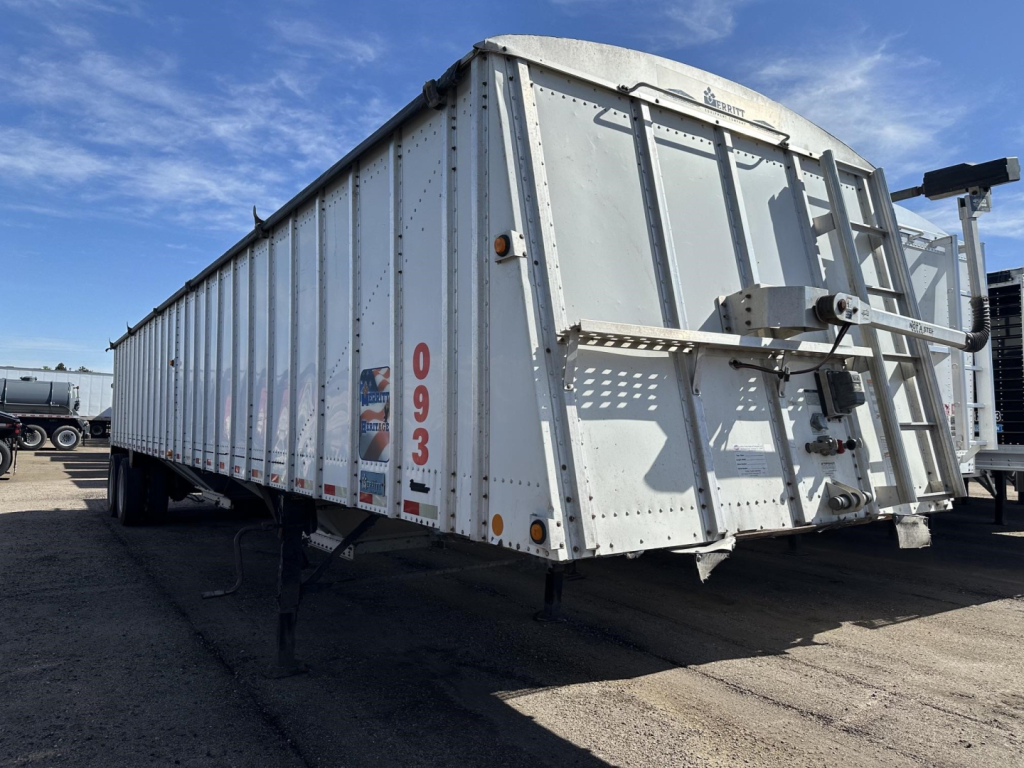
Selling a merritt trailer? List your merritt trailer for sale and reach thousands of commercial buyers.
Merritt Trailers
For hopper trailer shoppers, the key decisions usually come down to length, width, side height, suspension, and gate operation. A common setup is a 42-foot by 96-inch grain trailer, often with side heights sized for commodity volume and axle spacing matched to local bridge laws and route requirements. Features such as electric trap openers, closed tandems, air ride suspension, catwalks, front and rear ladders, and tarp systems can make a big difference in day-to-day efficiency. If the trailer is going to see a mix of farm pickups, elevators, and longer highway runs, buyers should pay close attention to hopper clearance, discharge speed, subframe condition, and signs of cracking around stress points.
Merritt has a strong reputation with operators who need trailers that are practical to maintain and easy to keep productive during harvest. On used units, condition matters more than badge value alone. Inspect the trap frames, hinge points, tarp arms, landing gear mounts, crossmember areas, and suspension components. Check for floor wear from abrasive commodities, prior weld repairs, corrosion around fasteners, and alignment or tire wear issues that may point to running gear problems. Wheel type, brake condition, and the state of the air system also deserve a close look, especially on trailers that have spent time on rough farm roads or in heavy seasonal service.
A Merritt trailer can be a strong fit for grain, feed, seed, and other bulk commodity work where payload and fast turnaround are priorities. Buyers comparing listings should think in terms of application first: commodity type, loading method, unloading frequency, route length, and state weight laws. Those factors will tell you more than model year alone. The right specification is the one that balances cubic capacity, empty weight, trap access, ride quality, and long-term durability for the lanes the trailer will actually run.
Frequently Asked Questions about Merritt Trailers
What are Merritt trailers best known for?
Merritt trailers are widely known for aluminum trailer construction used in agricultural and bulk commodity hauling. They are especially common in grain and hopper applications where lighter empty weight, corrosion resistance, and high payload capacity are important. Many buyers associate the brand with practical farm-use features such as ag hoppers, catwalks, ladders, tarp systems, and straightforward serviceability.
What should I inspect first on a used Merritt hopper trailer?
Start with the structure and discharge system. Look closely at the hoppers, trap doors, trap frames, crossmembers, suspension mounts, landing gear area, and any visible weld repairs. Then check the tarp system, air lines, brakes, wheel ends, tires, and signs of uneven wear. On grain trailers, floor condition and evidence of commodity abrasion also matter because they affect both longevity and unloading performance.
Why do buyers choose aluminum Merritt trailers for grain hauling?
Aluminum helps reduce tare weight, which can improve payload within legal gross weight limits. It also resists rust better than steel, which is valuable in grain, feed, and fertilizer service where moisture and corrosive material are common. For many operations, that combination of lower empty weight and corrosion resistance supports better long-term operating efficiency.
Which specs matter most when comparing Merritt grain trailers?
The most important specs are usually trailer length, width, side height, axle configuration, suspension type, trap design, and tarp setup. Those details affect cubic capacity, bridge compliance, unloading speed, and ease of operation. Buyers should also match the trailer to the commodities being hauled because grain density, loading method, and dump pit setup can all influence the ideal specification.