
2027 Mac Trailers For Sale
Shop 2027 Mac trailers for sale, including dump, flatbed, and pneumatic models built for lightweight payload, durability, and fleet uptime.
Selling a 2027 mac trailer? List your 2027 mac trailer for sale and reach thousands of commercial buyers.
2027 Mac Trailers
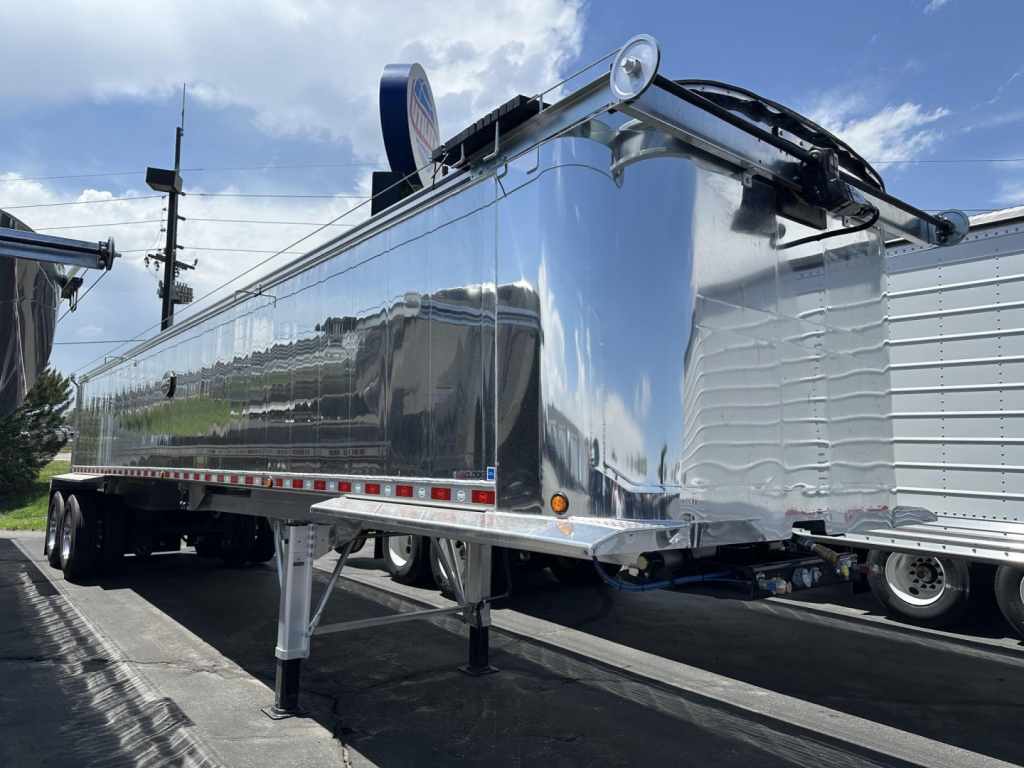
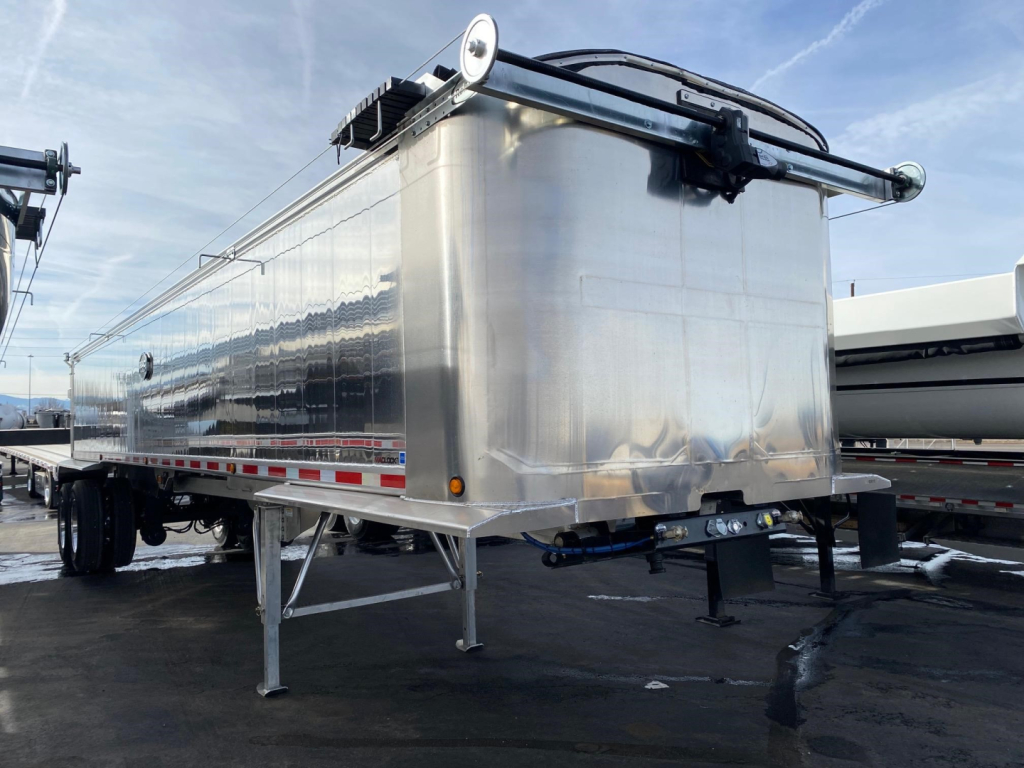
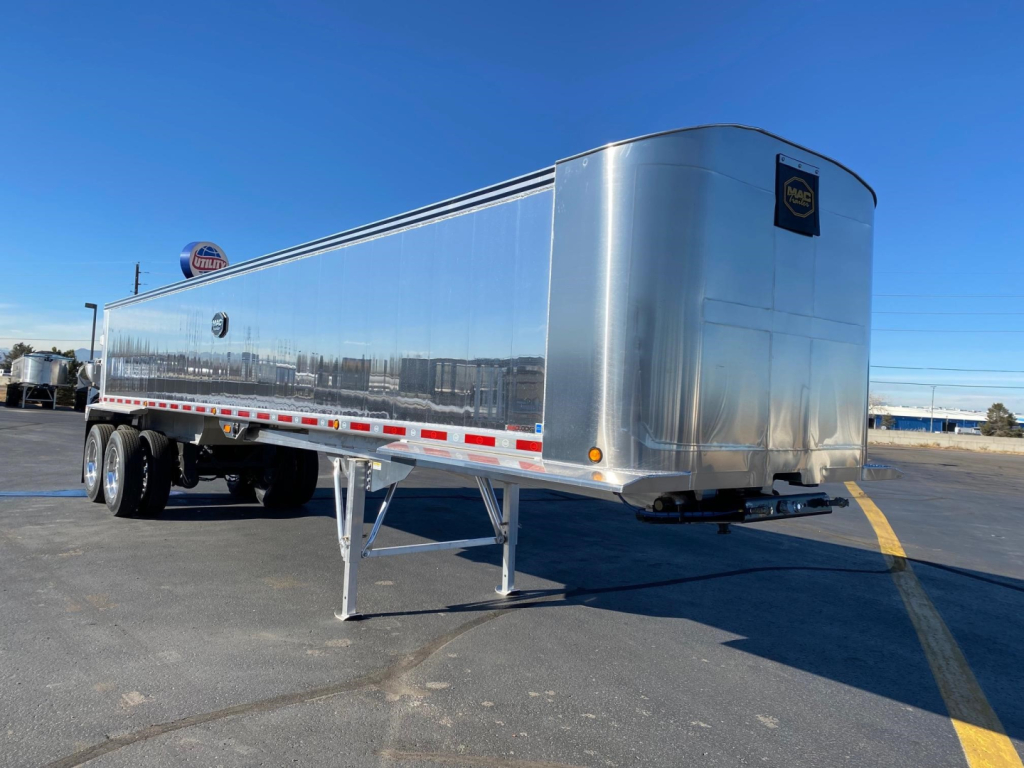
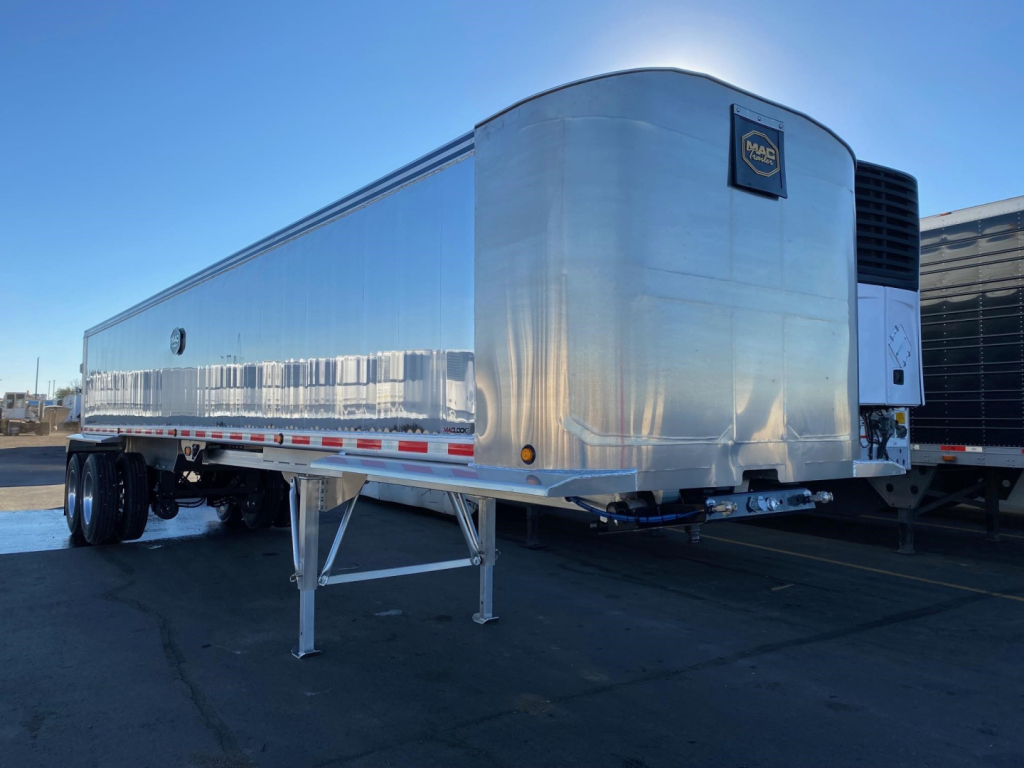
Mac dump trailers, especially Macsimizer and similar end dump configurations, are common in construction, quarry, paving, and material hauling fleets. Frameless half-round tubs are widely used for sand, gravel, asphalt millings, and other free-flowing loads because the shape helps shed material cleanly and reduces carryback. Important spec points include cubic yard capacity, liner options, gate style, tarp system, and whether the trailer has a lift axle. A 35-foot to 39-foot aluminum end dump may suit operators balancing payload and maneuverability, while high-side scrap or rock tubs are built for higher volume or harsher material. Suspension setup matters here too. Air ride is common for road performance and load protection, while some severe-service configurations use specialty suspension layouts for rougher jobsite conditions.
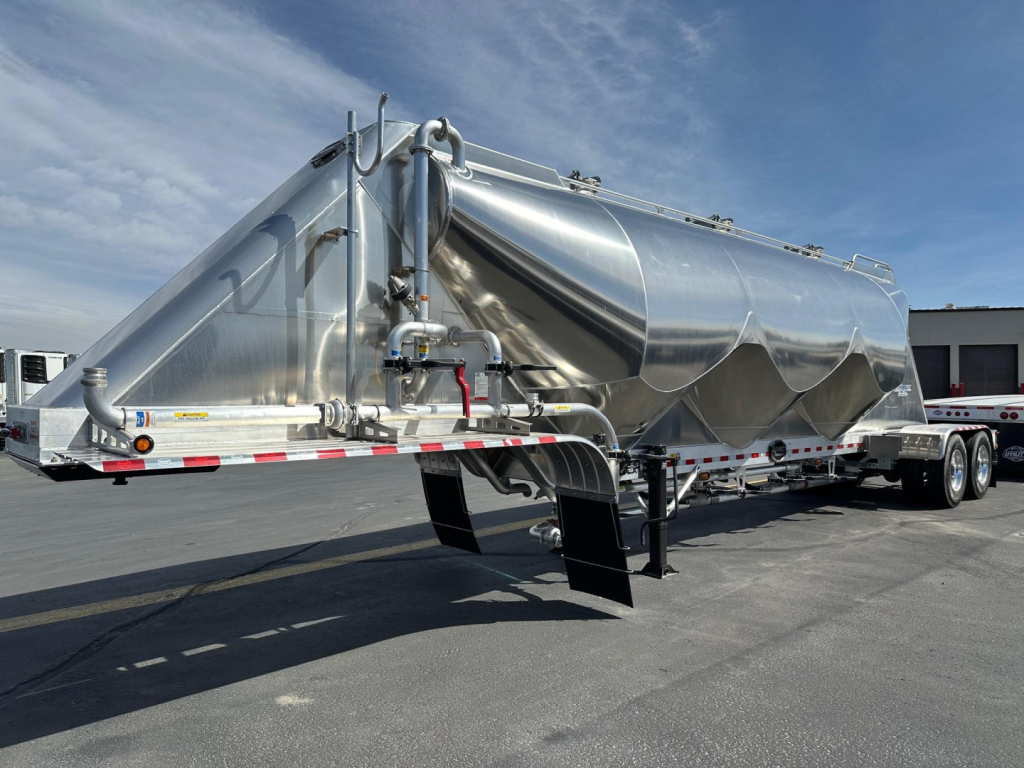
Mac pneumatic dry bulk trailers are built for hauling cement, lime, fly ash, sand, and similar commodities where clean discharge and product protection are critical. Buyers should compare total cubic foot capacity, number of hoppers, dome lid layout, discharge plumbing, and aeration package. Aluminum tanks help keep tare weight down, but discharge speed and product compatibility depend heavily on the blower setup, piping, and hopper design, even if the tractor-mounted system is separate from the trailer itself. Rear discharge, tandem axle air ride, adjustable couplers, and work-light packages are common features that improve day-to-day usability. If the trailer will run in bulk commodity service across multiple plants or job sites, serviceability of valves, piping, and seals is just as important as published capacity.
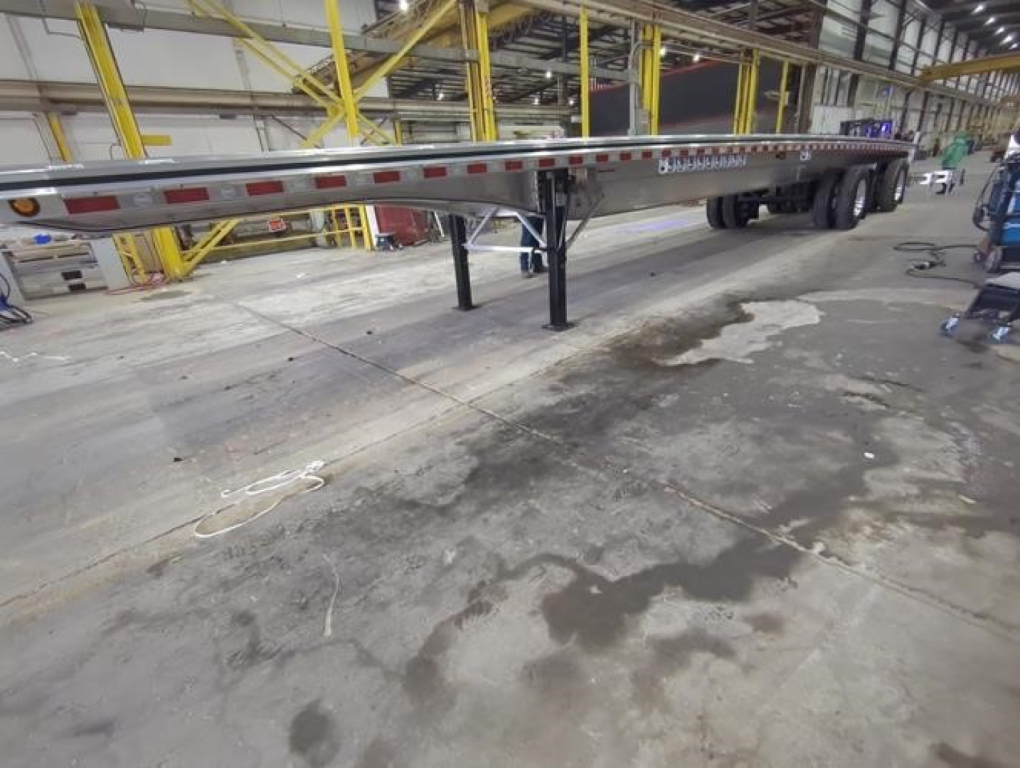
Mac flatbed trailers are a frequent choice for steel, building materials, machinery, and mixed open-deck freight. All-aluminum flatbeds can offer a strong payload advantage, but buyers should still inspect deck condition, rail design, bulkhead configuration, and securement equipment. Features like sliding winches, stake pockets, pipe spools, nail strips, coil packages, toolboxes, and tire inflation systems add real operating value depending on the freight mix. Axle spread and suspension affect bridge compliance and ride quality, especially on 53-foot trailers. Across all Mac trailer types, the smartest comparison is not just year and price. It is how the trailer's material, suspension, dimensions, and work-ready options match the lanes, commodity, and loading method it will see every day.
Frequently Asked Questions about 2027 Mac Trailers
What types of Mac trailers are most common in the market?
Mac is best known for end dump trailers, pneumatic dry bulk trailers, and all-aluminum flatbeds. End dumps are common in aggregate, asphalt, and construction hauling. Pneumatic trailers are used for cement, lime, and other dry bulk products. Flatbeds are used in general freight, steel, and building material service. The right category depends less on brand preference and more on commodity, payload target, and unloading method.
Are aluminum Mac trailers better than steel Mac trailers?
Aluminum Mac trailers usually offer lower tare weight and better payload potential, which makes them attractive for bulk hauling and highway use. Steel trailers generally give up payload but can be a better fit for abrasive, impact-heavy, or demolition-related applications such as scrap and rock. The better choice depends on what is being hauled, how often the trailer sees off-road conditions, and whether long-term corrosion resistance or impact durability matters more in the operation.
What should I look for on a Mac end dump trailer listing?
Focus on body length, side height, cubic yard rating, frame type, tub shape, suspension, axle arrangement, and gate design. A frameless half-round aluminum end dump is a common setup for free-flowing material because it unloads cleanly and stays relatively light. Buyers should also check for liners, tarp systems, lift axles, ladder placement, fender package, and tire size. Those details affect payload, unloading safety, and how well the trailer fits local road and jobsite conditions.
How do I choose the right Mac pneumatic trailer size?
Start with the commodity being hauled and the target payload, then compare cubic foot capacity, hopper count, and discharge layout. A larger pneumatic trailer may improve efficiency on low-density products, but commodity weight and bridge laws still determine legal payload. Buyers should also consider aeration, piping material, valve access, and dome lid configuration because those features affect unloading consistency, cleanout, and maintenance time.
What features matter most on a Mac flatbed trailer?
The most important flatbed specs are trailer length, axle spread, deck construction, and cargo securement equipment. Sliding winches, stake pockets, pipe spools, nail strips, coil packages, and bulkheads all support different freight profiles. Buyers should also evaluate suspension type, tire inflation systems, wheel material, and toolbox capacity. A flatbed that is well-matched to the freight mix will save time at loading points and reduce securement-related wear over the life of the trailer.