
New Lowboy Trailers For Sale in Colorado
Shop new lowboy trailers in Colorado. Compare 55-ton to 60-ton detachable models built for heavy equipment, oversize loads, and jobsite hauling.
Selling a new lowboy trailer? List your new lowboy trailer for sale and reach thousands of commercial buyers.
New Lowboy Trailers in Colorado
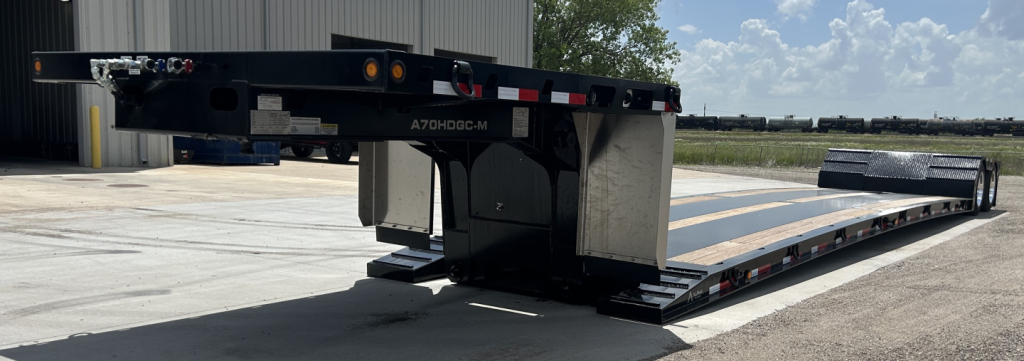
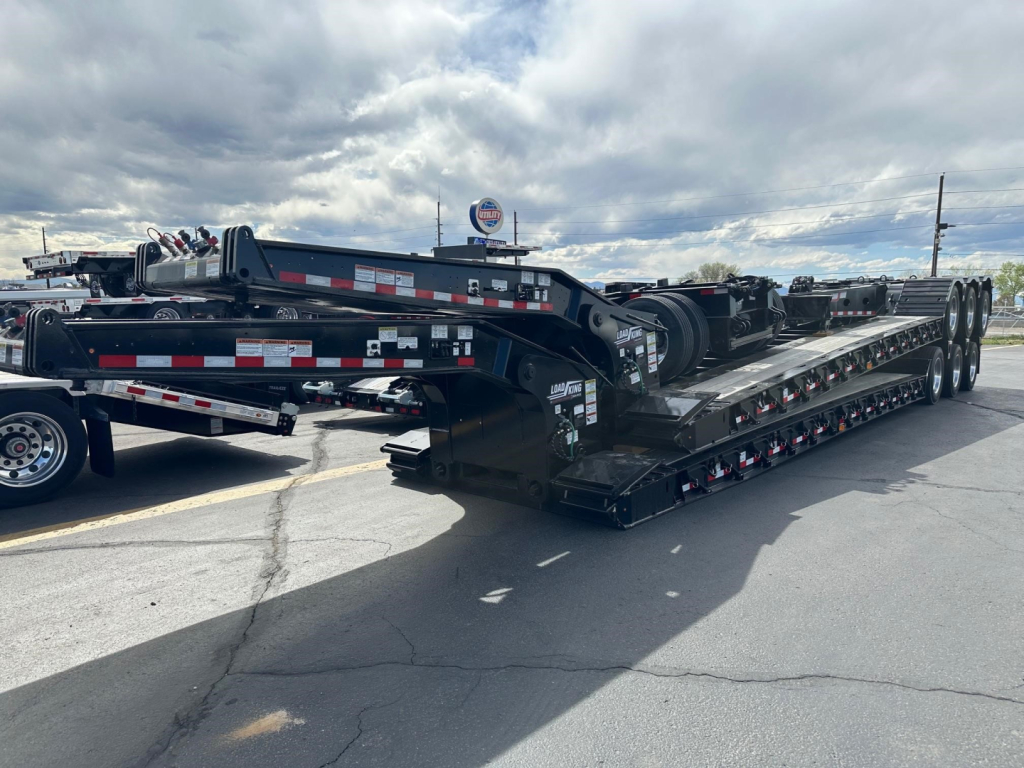
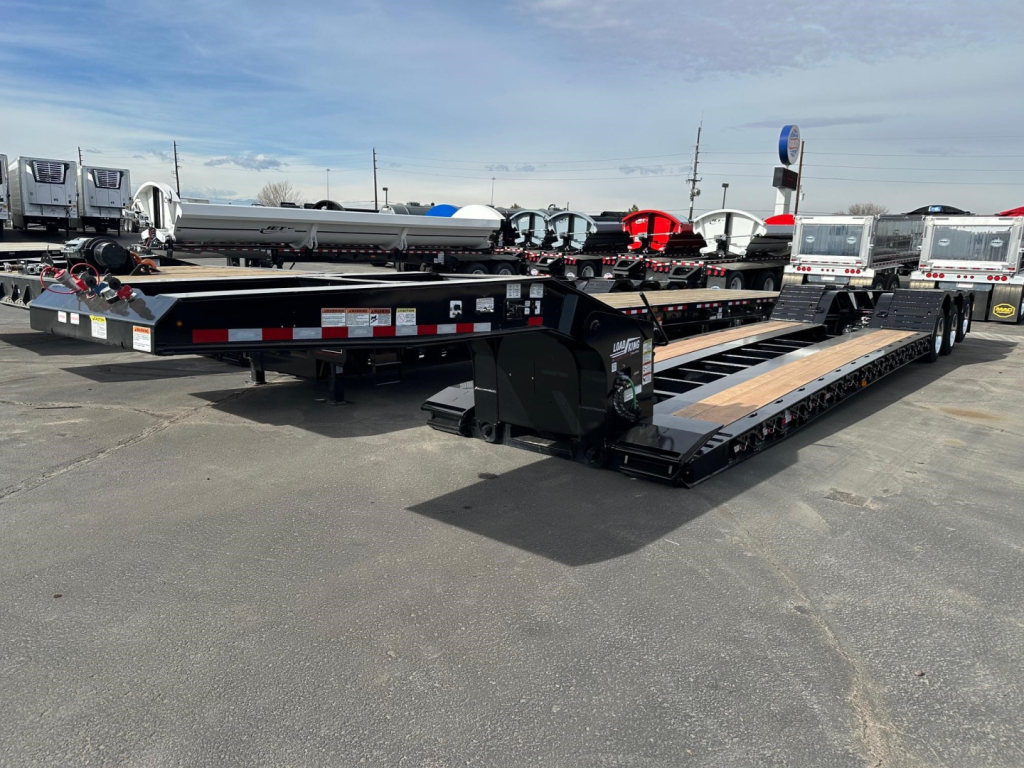
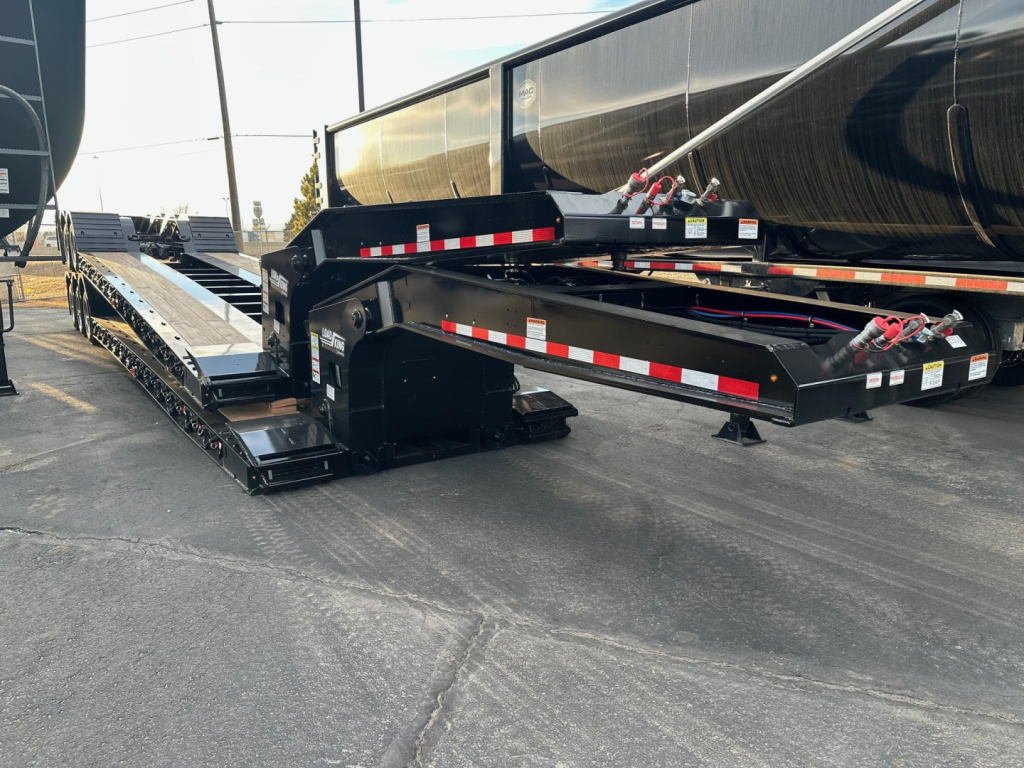
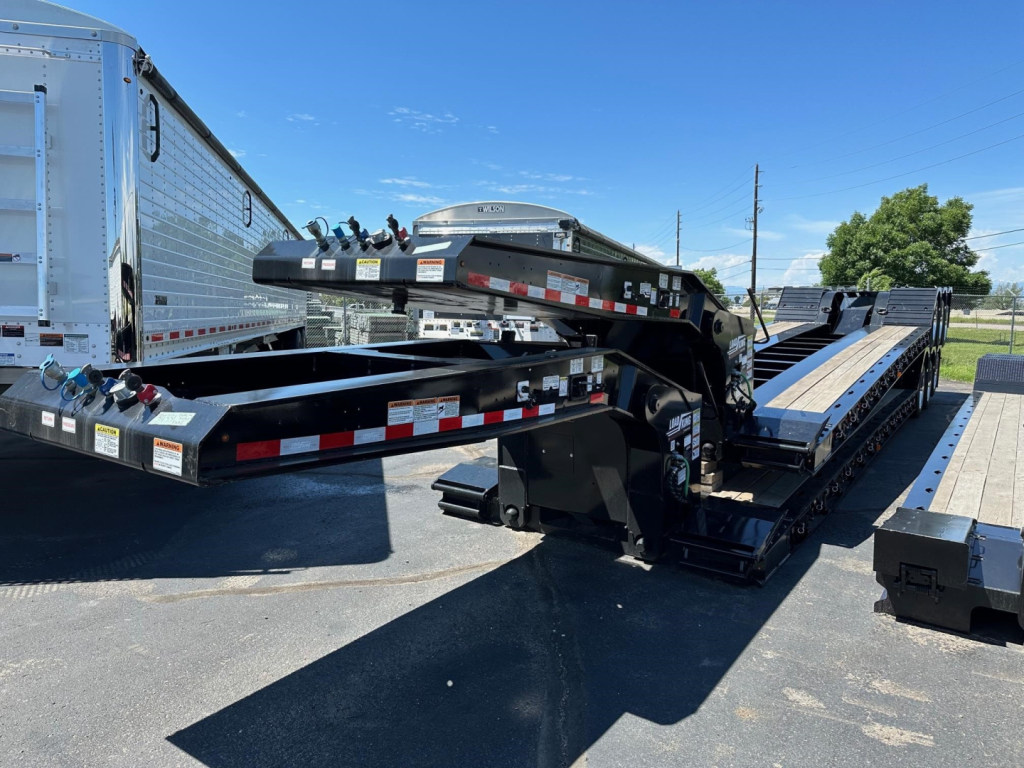
A lot of the buying decision in this category comes down to neck style, capacity, and axle configuration. Hydraulic detachable gooseneck and hydraulic removable gooseneck designs are common on new lowboy trailers because they simplify loading tracked equipment from the front without relying only on rear ramps. In the current market, 55-ton and 60-ton models are popular, often with capacities rated around 110,000 pounds concentrated in 12 feet. Buyers should compare kingpin settings, loaded fifth wheel height, swing clearance, well length, and ride height adjustment, especially if the trailer will be paired with multiple tractors or used across different machines. A 26-foot well is a common setup, but extendable lowboy trailers can add flexibility for longer equipment and mixed fleets.
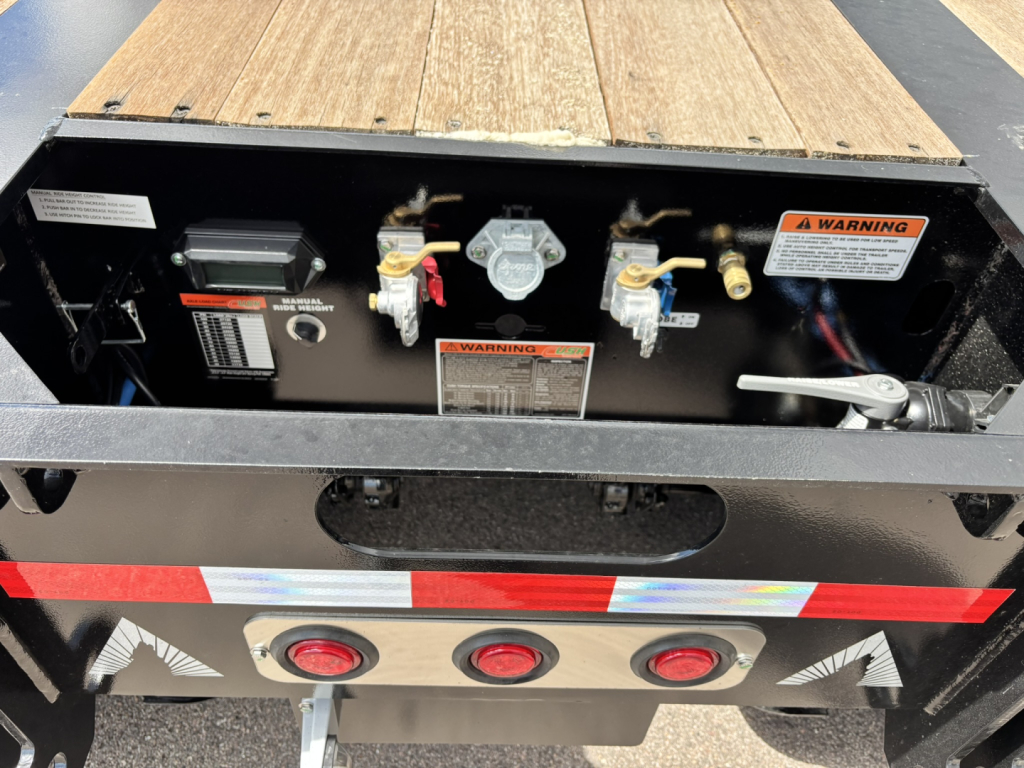
Construction details separate a basic heavy haul trailer from one that holds up under daily use. Tapered beams, Apitong wood decking, chain slots, bent D-rings, swing-out outriggers, load-bearing fenders, and front flip ramps are all common on premium new lowboy trailers. Air ride suspension with a rear lift axle is frequently spec'd for ride quality and load distribution, while 3-axle configurations remain standard for many regional heavy equipment applications. Some trailers are prepped for a 4th axle or flip axle with air and electric connections already in place, which gives a buyer room to scale into heavier or more specialized loads later. Features like liquid-filled scale gauges, adjustable ride height, work lights, LED markers, strobe lights, and pony motor plus PTO hookups can make a noticeable difference in day-to-day loading efficiency and permit compliance.
The best lowboy trailer spec depends on the equipment mix and how often the trailer will cross state lines, climb grades, or work in tight jobsites. A contractor moving compact to mid-size earthmoving equipment may prioritize quick detach operation and durable deck hardware, while a heavy haul operator may focus on bridge law flexibility, axle additions, extendable deck length, and neck geometry for scraper or paver loading. Tire size, axle spacing, brake type, and deck clearance all affect practical performance, not just the brochure rating. When comparing new lowboy trailers for sale in Colorado, pay close attention to how the trailer is rated, how the weight is distributed in the well, and whether the trailer is already configured for the kind of oversize and heavy equipment work you actually run.
Frequently Asked Questions about New Lowboy Trailers in Colorado
What is a lowboy trailer used for?
A lowboy trailer is used to haul heavy equipment and tall machinery that would exceed legal height on a conventional flatbed. Common loads include excavators, bulldozers, wheel loaders, pavers, scrapers, and other construction or mining equipment. Its dropped deck design lowers the machine closer to the ground, which helps with bridge clearance, permit routing, and stability during transport.
What is the difference between a lowboy and a detachable gooseneck trailer?
A lowboy describes the trailer type with a low main deck, while detachable gooseneck refers to the loading style used on many lowboys. A hydraulic detachable or removable gooseneck allows the neck to disconnect so equipment can be driven directly onto the deck from the front. Not every lowboy is detachable, but detachable necks are common on heavy haul lowboys because they improve loading angle and make tracked equipment easier to load safely.
How do I choose between a 55-ton and 60-ton lowboy trailer?
The right capacity depends on the actual operating weight of the equipment, how that weight is concentrated, and what axle setup is required for the states where the trailer will run. A 55-ton trailer may handle many common construction machines, but a 60-ton model can provide more margin for heavier attachments, concentrated loads, or future fleet needs. Buyers should look beyond the headline tonnage and review the load rating in the well, kingpin load, axle group capacity, and whether a flip axle or 4th axle option is needed.
Why do kingpin settings and ride height matter on a lowboy trailer?
Kingpin settings affect tractor-to-trailer swing clearance, axle spread, and load distribution onto the tractor. Ride height affects loaded deck height, loading angle, and how well the trailer can adapt to different terrain or equipment. On a lowboy, these measurements are critical because they influence permit compliance, turning clearance, and how easily the trailer can be matched to different road tractors in a heavy haul fleet.
What features are worth paying for on a new lowboy trailer?
The most valuable features are the ones that improve load security, loading efficiency, and long-term durability. Buyers often prioritize hydraulic detachable necks, Apitong decking, chain slots, D-rings, outriggers, front flip ramps, air ride suspension, adjustable ride height, lift axles, and prep for a flip axle or 4th axle. Lighting, scale systems, PTO and pony motor options, and load-bearing fenders also matter because they can reduce setup time and make the trailer more versatile across different heavy equipment applications.