
Used Fontaine Lowboy Trailers For Sale in Illinois
Browse used Fontaine lowboy trailers for sale in Illinois. Compare deck height, ton rating, axle setup, and detach options for heavy haul work.
Learn moreNo exact matches found for your search
Showing Used Fontaine Lowboy Trailers instead.
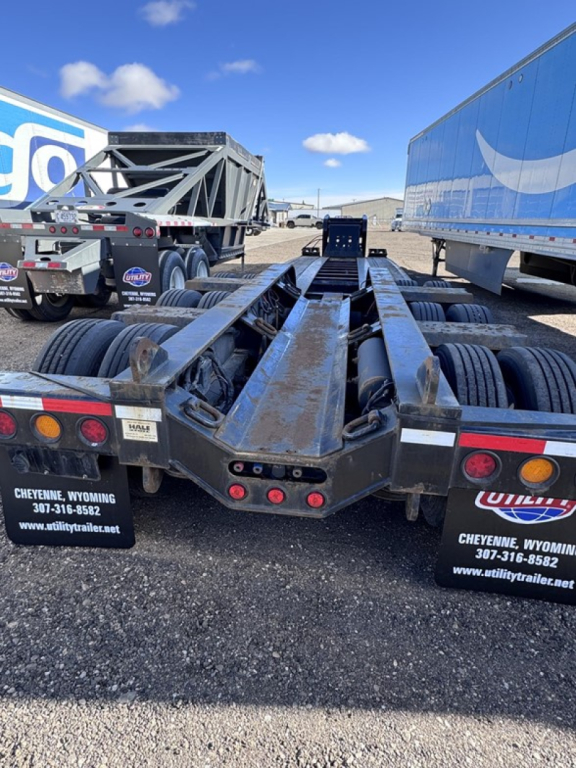
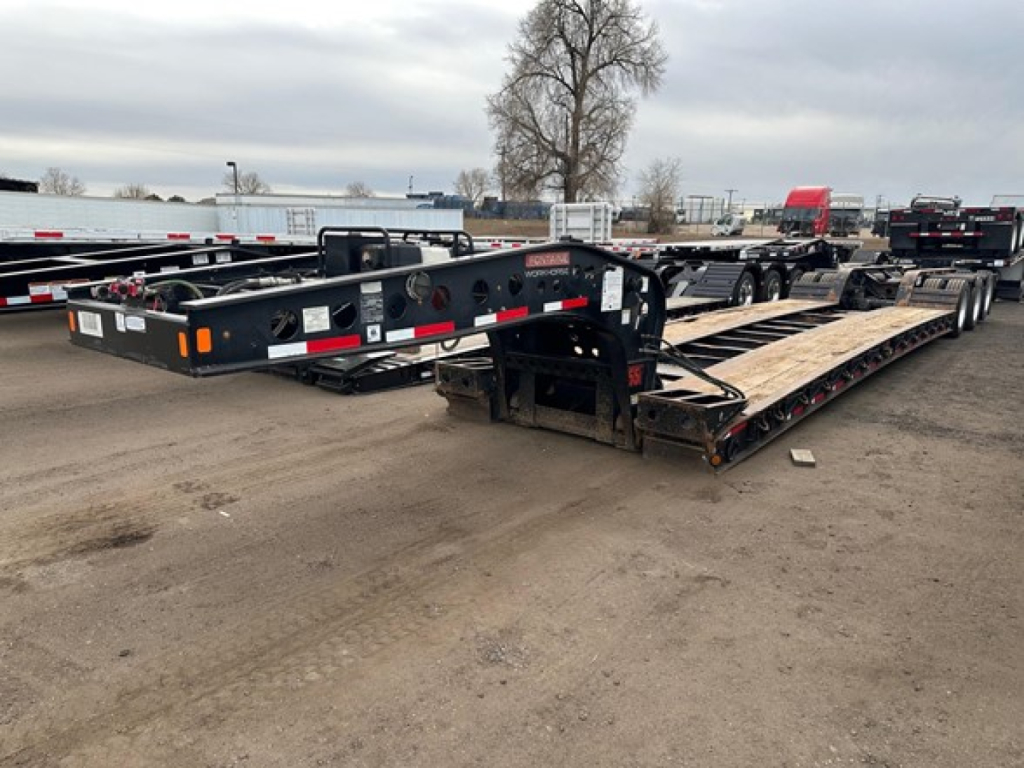
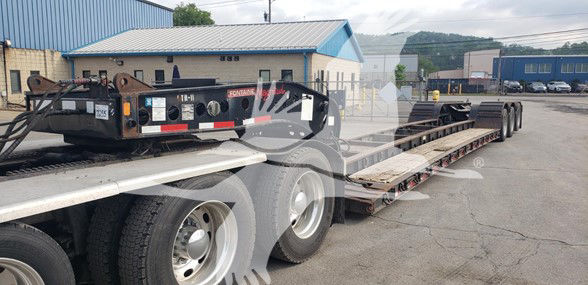
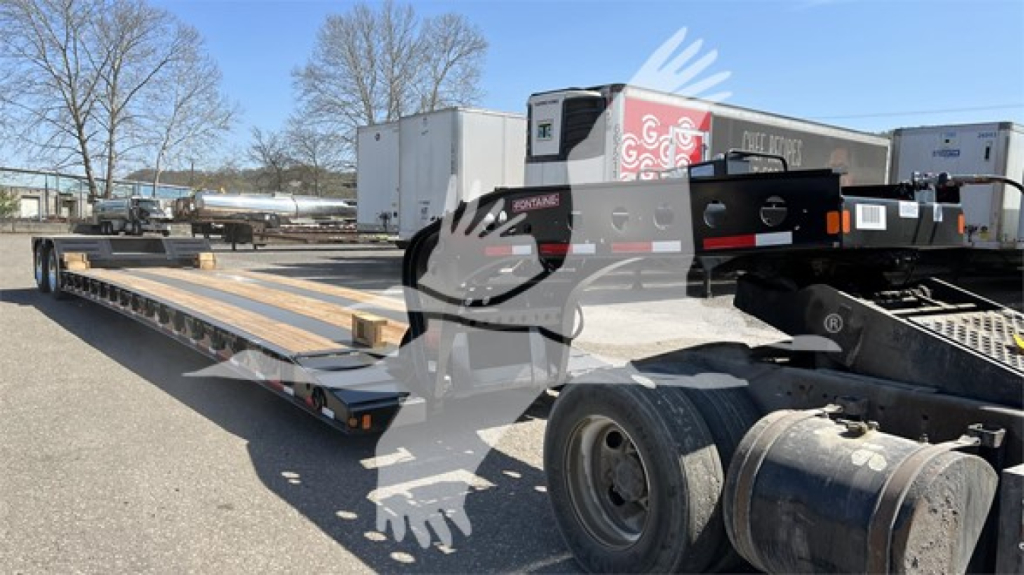
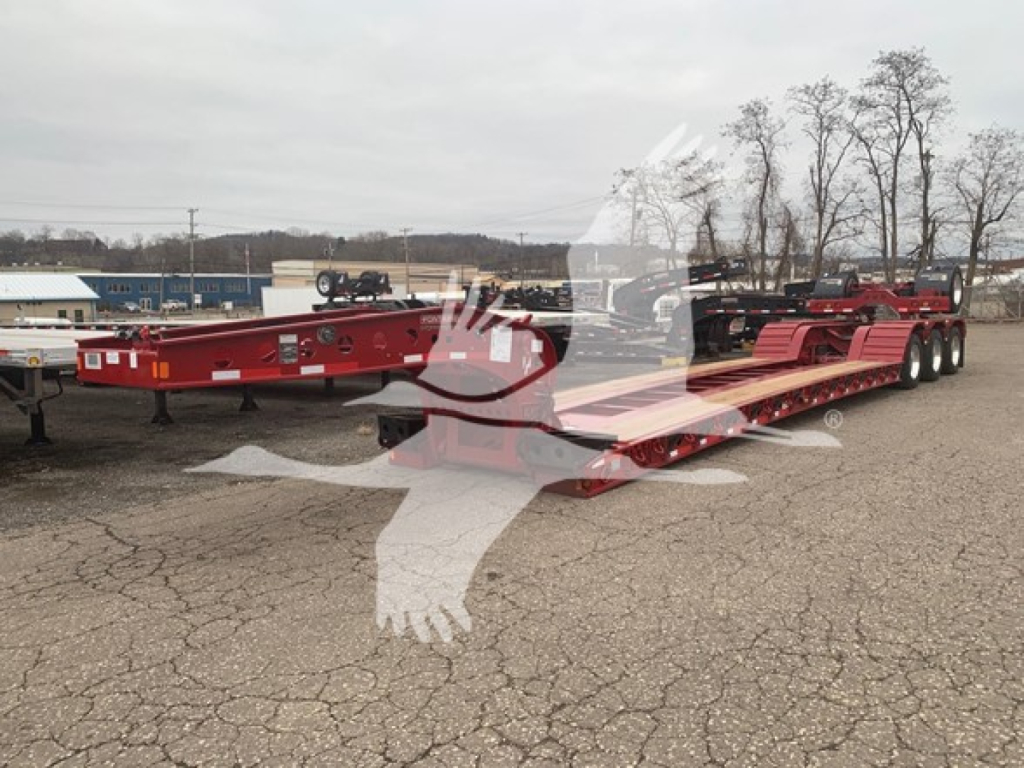
Have used fontaine lowboy trailer to sell? List it here to reach thousands of buyers.
About Used Fontaine Lowboy Trailers in Illinois
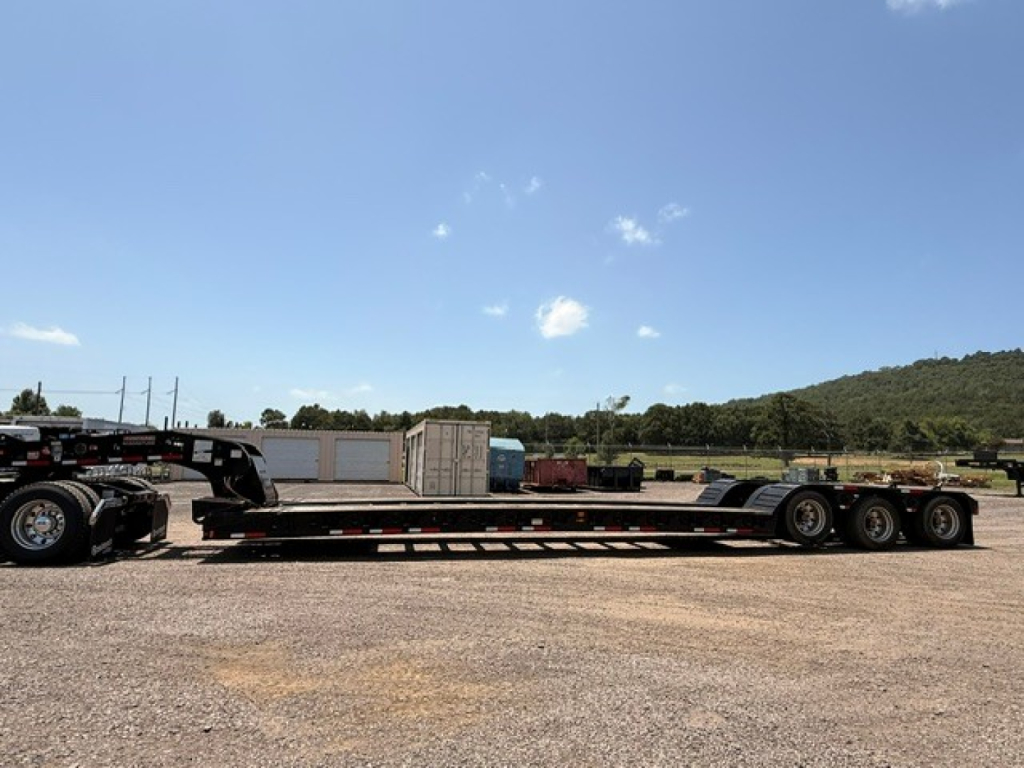
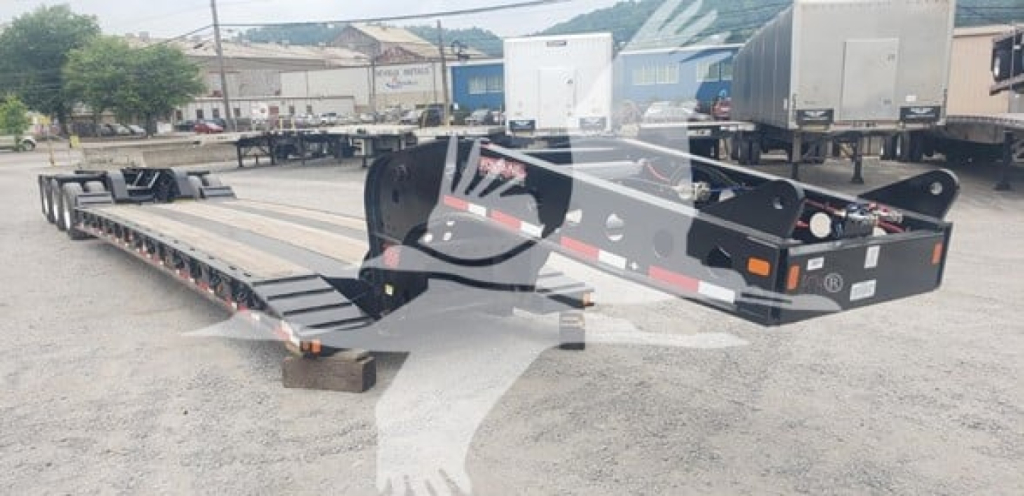
The first spec most buyers look at is capacity, typically expressed in ton rating, along with the axle group and whether the trailer is set up for a flip axle or jeep. Used Fontaine lowboys commonly appear in 55 ton and 60 ton configurations, often with tri-axle layouts. Deck height is another key number. A loaded deck height around 22 inches can make a meaningful difference when hauling taller equipment. Buyers should also compare deck length, deck width, and whether the trailer includes swing-out outriggers or extension brackets for wider machines. Features such as manual approach ramps, flat level decks, expanded metal between the beams, toolbox packages, and aluminum outer wheels can add real day-to-day value depending on the freight mix.
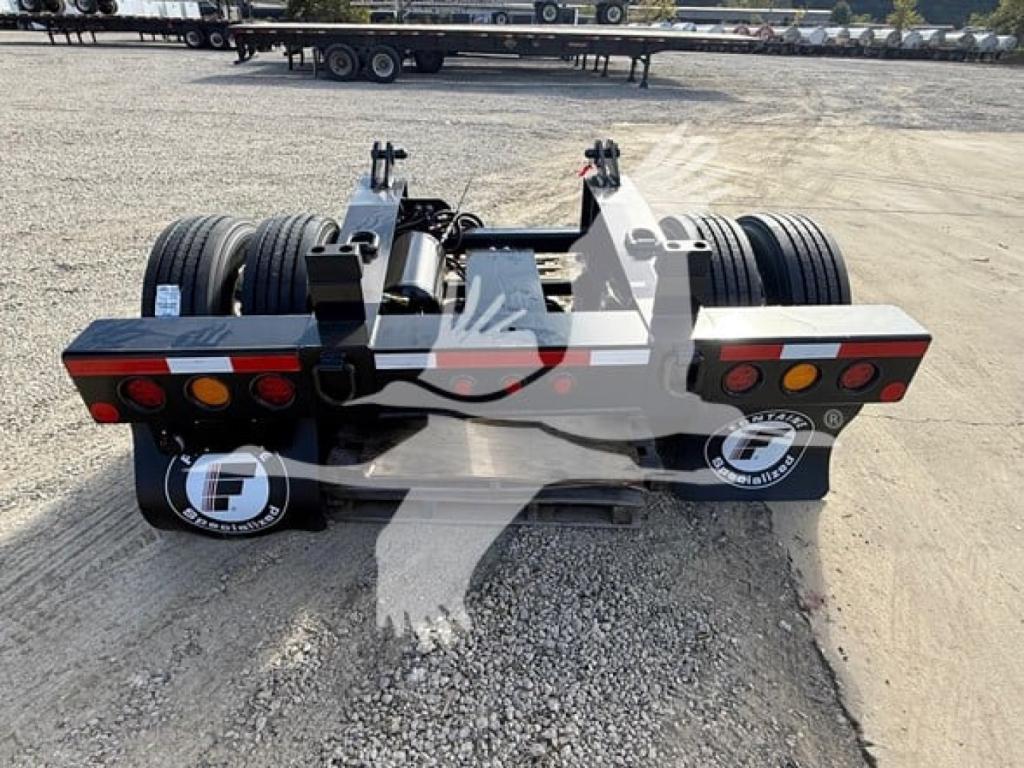
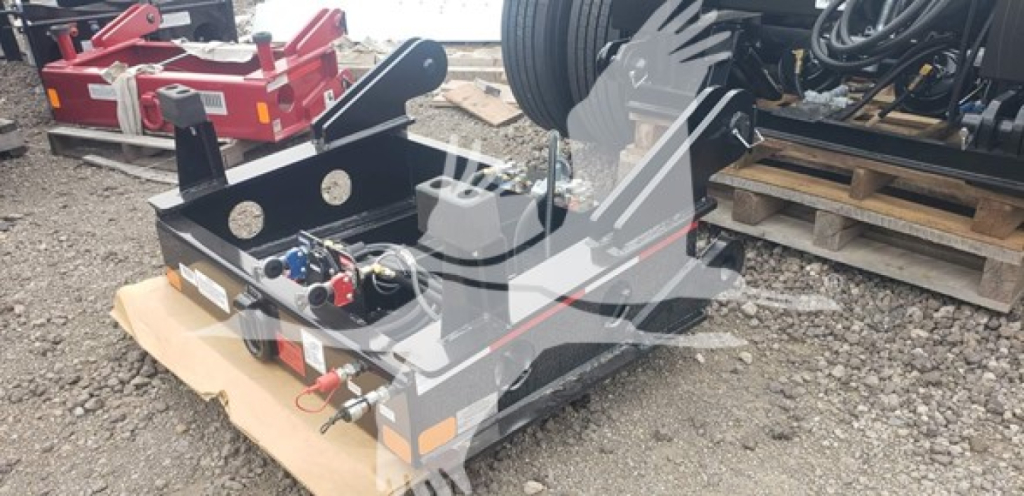
Detach style matters just as much as capacity. Many Fontaine lowboys are hydraulic detachable gooseneck designs, and some are equipped with a pony motor for self-contained neck operation. That setup can simplify loading in the field when a truck hydraulic hookup is not ideal. A trailer prepped for flip neck or flip axle use gives an operator more flexibility as permit weights and state rules change by job. Suspension details, axle spacing, air lift capability on the rear axle, tire condition, deck wear, and the condition of the gooseneck locking mechanism should all be inspected closely on a used unit, especially if the trailer has spent time in severe-duty aggregate, demolition, or paving service.
For Illinois buyers, practical spec matching usually comes down to the equipment being hauled most often and the permit strategy behind it. A contractor moving standard yellow iron around the state may prioritize a low loaded height and fast detach cycles, while a carrier handling heavier or longer machines may focus more on beam construction, neck compatibility, and future axle additions. Fontaine lowboys hold appeal because they are widely recognized in the heavy haul market, parts and service are generally familiar to experienced shops, and the brand has a strong reputation among buyers comparing used detachable lowboy trailers, RGN-style heavy equipment trailers, and other specialized hauling platforms.
Frequently Asked Questions
What should I check first on a used Fontaine lowboy trailer?
Start with the ton rating, deck height, axle configuration, and detach style because those specs determine whether the trailer fits your freight and permit needs. After that, inspect the main beams, crossmembers, neck connection points, suspension components, axle alignment, brakes, tires, deck surface, and any hydraulic or pony motor equipment. On a used lowboy, structural condition and proper operation of the detachable neck are usually more important than cosmetic appearance.
What is the advantage of a 22-inch loaded deck height on a lowboy?
A lower loaded deck height helps keep overall loaded height under legal or permitted limits and improves stability for tall or heavy equipment. That can be important when hauling excavators, dozers, or other machines with cabs, booms, or attachments that quickly add vertical height. Even a small difference in loaded deck height can expand route options and reduce permit complications.
Why does axle spacing matter on a Fontaine lowboy?
Axle spacing affects bridge law compliance, permit eligibility, and how the load is distributed across the trailer. Wider or specific axle spacing can improve weight distribution and help support certain state permit configurations, especially when combined with lift axles, flip axles, or additional equipment. Buyers in Illinois and the Midwest often pay close attention to axle spacing because it directly affects legal payload and route planning.
Is a pony motor useful on a detachable lowboy trailer?
A pony motor can be very useful because it allows the hydraulic detachable gooseneck system to operate independently of the tractor’s hydraulic setup. That can speed up loading and unloading in the field, simplify tractor compatibility, and reduce dependence on a wet kit. For fleets that swap trailers between trucks or load equipment at varied job sites, a pony motor can add flexibility.
What kinds of equipment are Fontaine lowboy trailers commonly used to haul?
Fontaine lowboy trailers are commonly used to haul excavators, bulldozers, wheel loaders, motor graders, pavers, compactors, crushers, and other heavy construction or industrial equipment. They are designed for freight that is too tall, too heavy, or too awkward for a standard flatbed or step deck. The low deck profile and detachable neck design make them especially useful for tracked equipment that needs to be driven or pulled directly onto the trailer.