
New Fontaine Lowboy Trailers For Sale in Pennsylvania
Shop new Fontaine lowboy trailers in Pennsylvania. Compare 55-ton detachable lowboys, deck specs, axle setups, and heavy haul features.
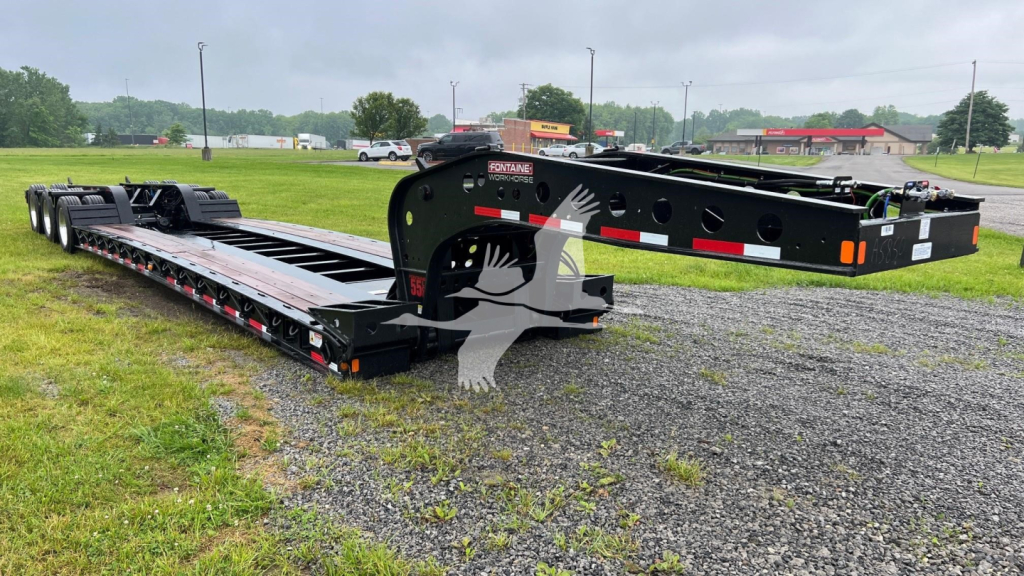
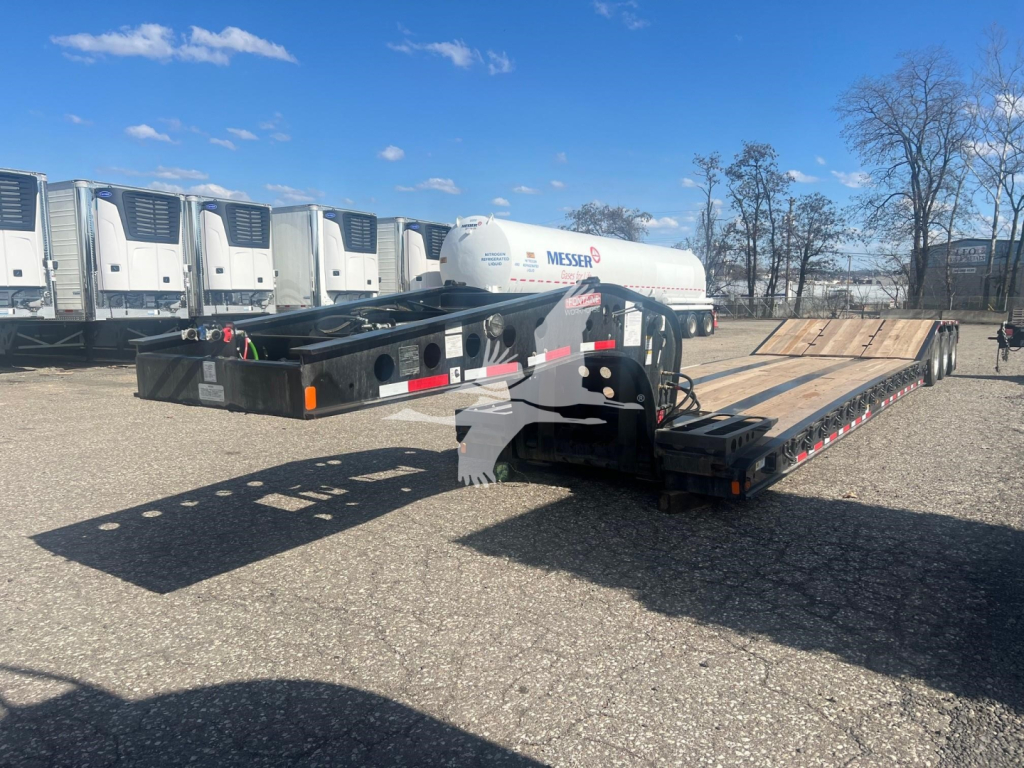
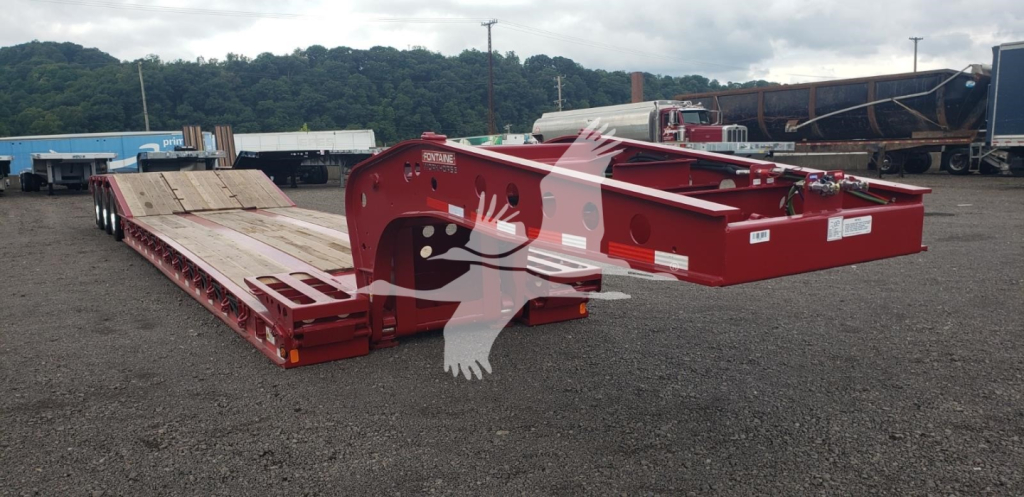
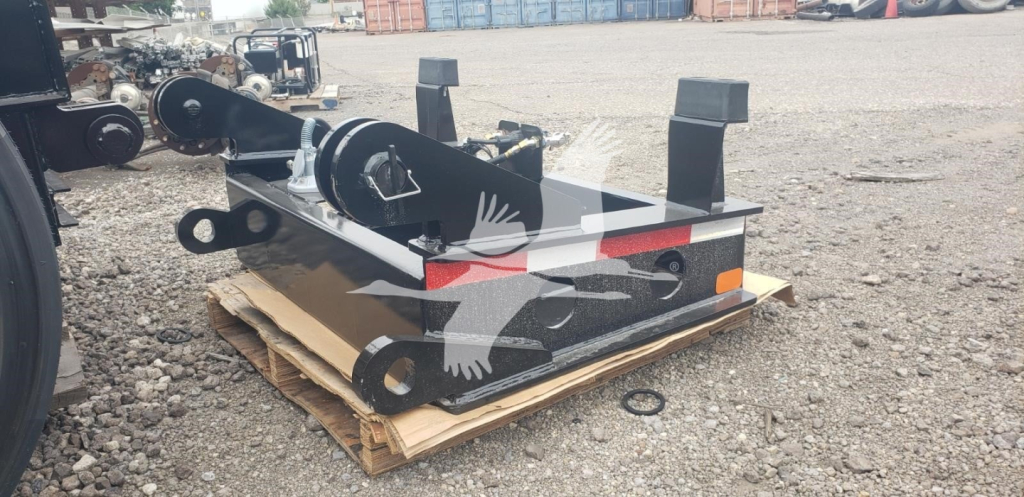
Selling a new fontaine lowboy trailer? List your new fontaine lowboy trailer for sale and reach thousands of commercial buyers.
New Fontaine Lowboy Trailers in Pennsylvania
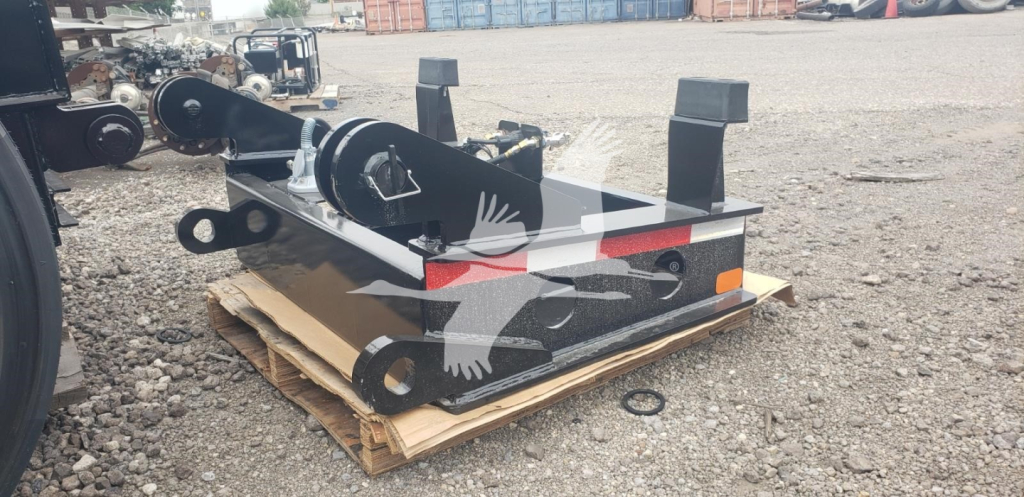
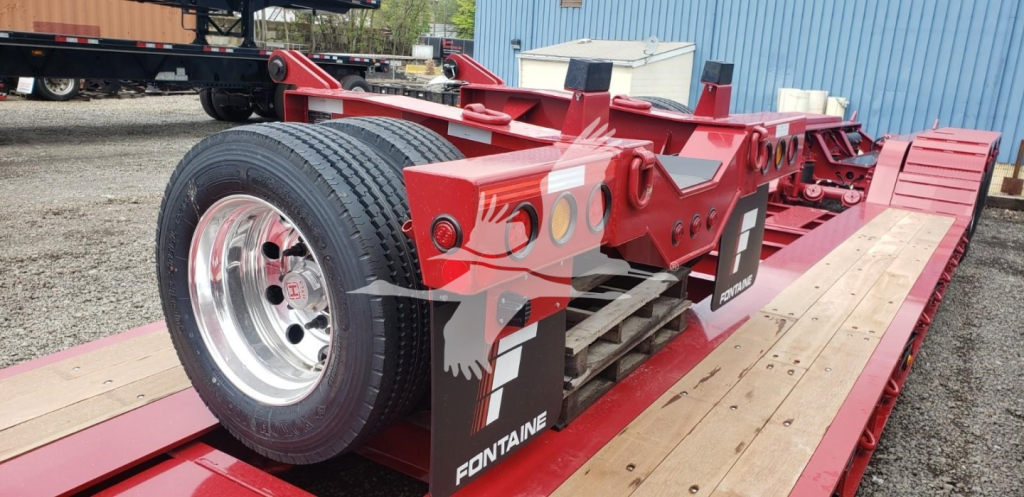
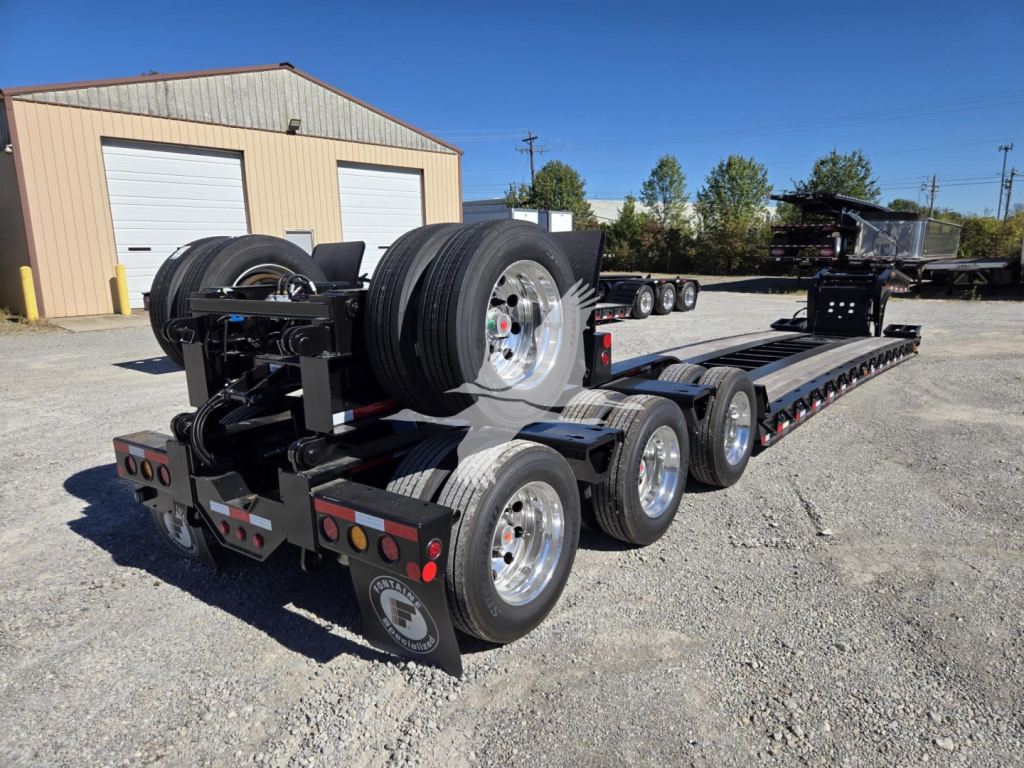
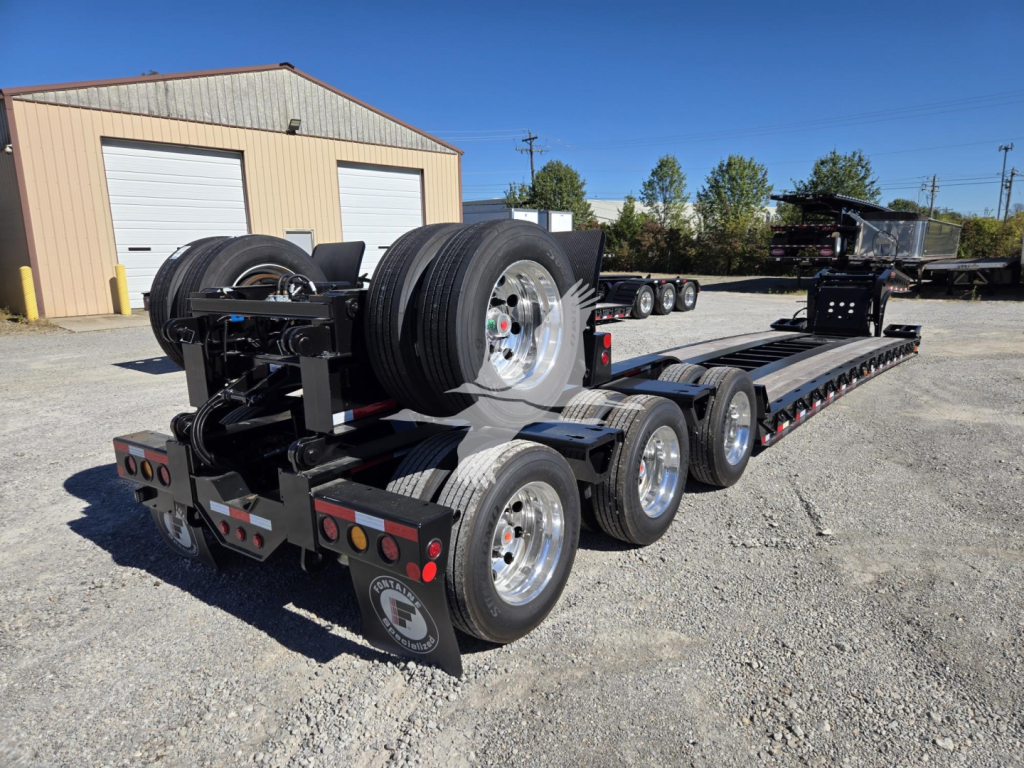
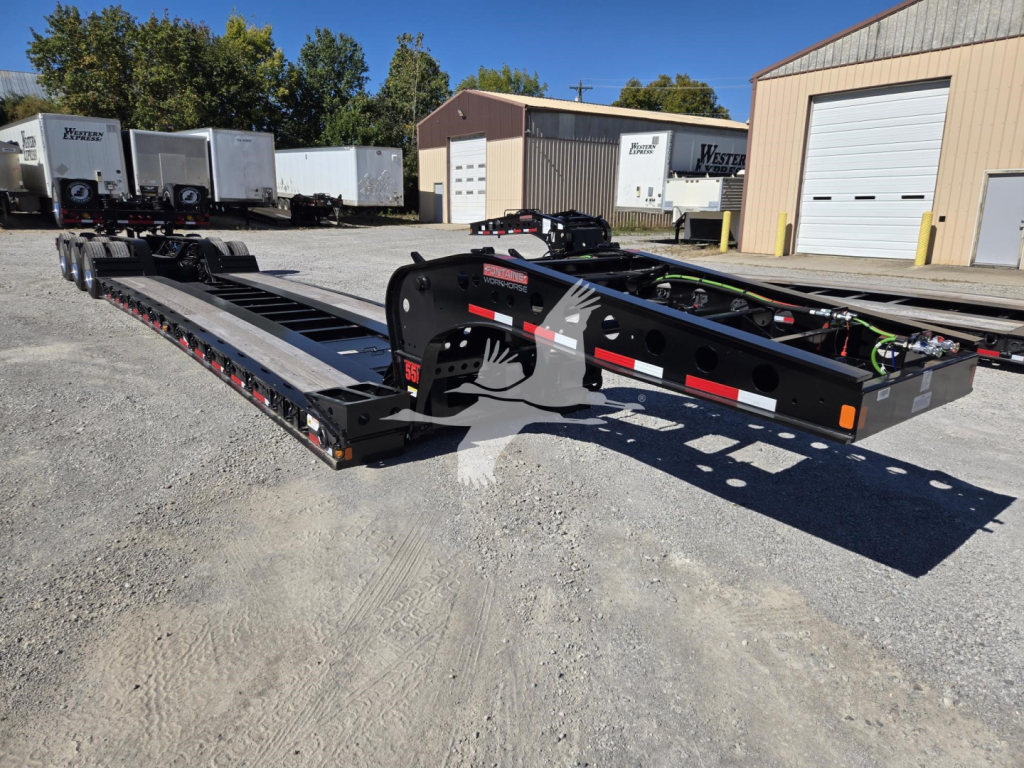
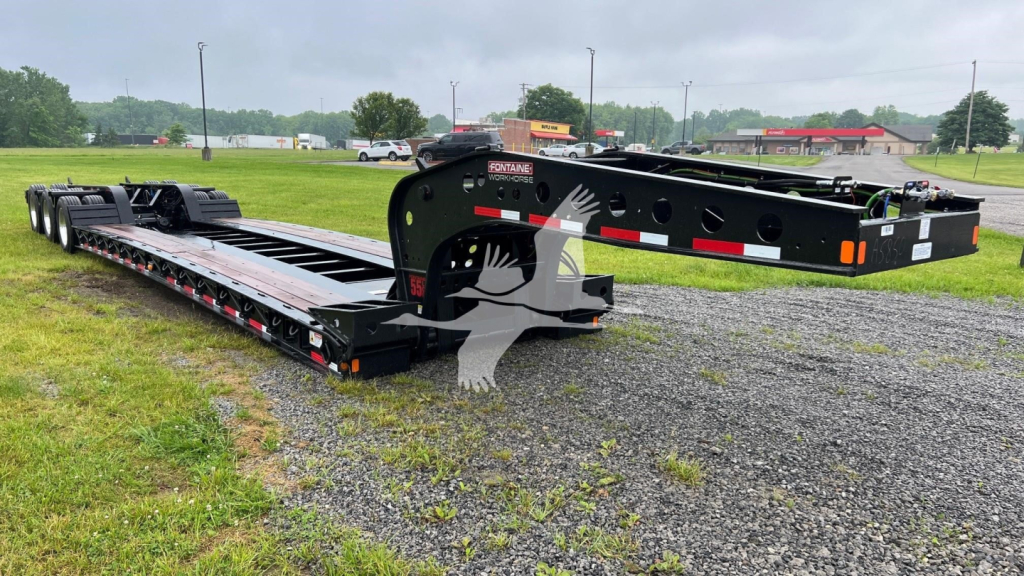
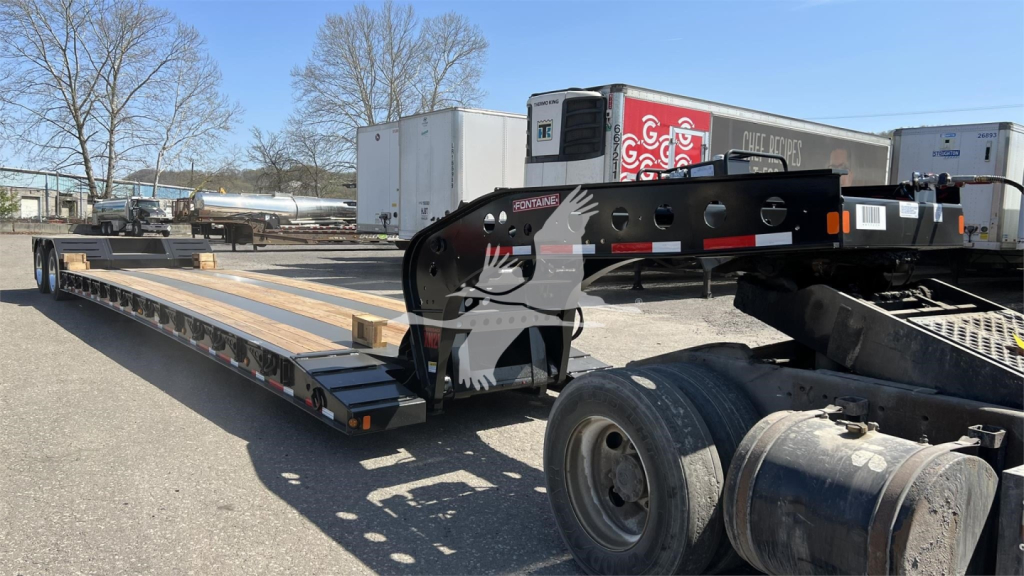
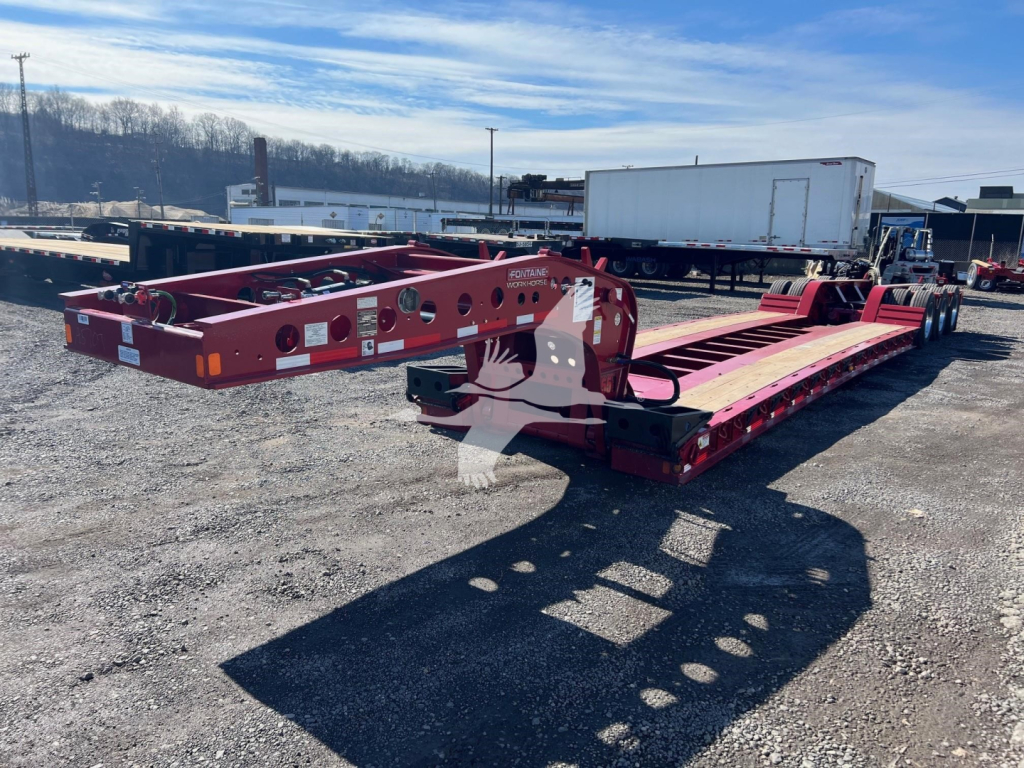
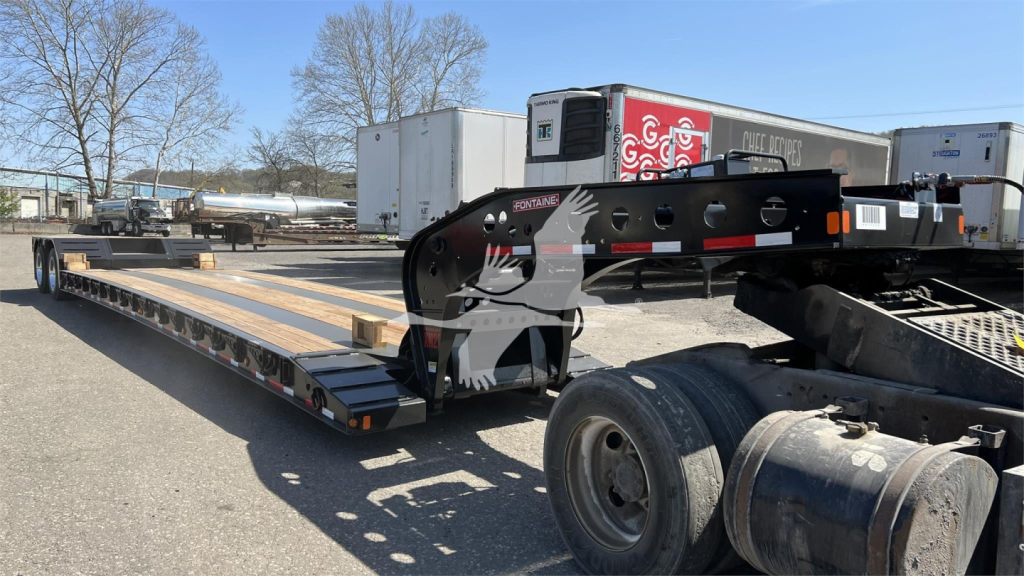
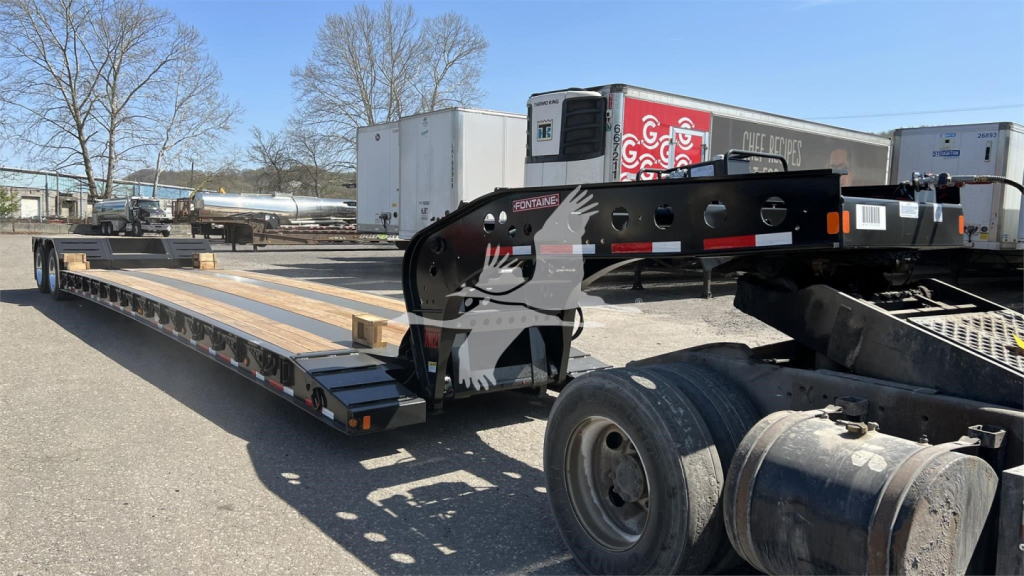
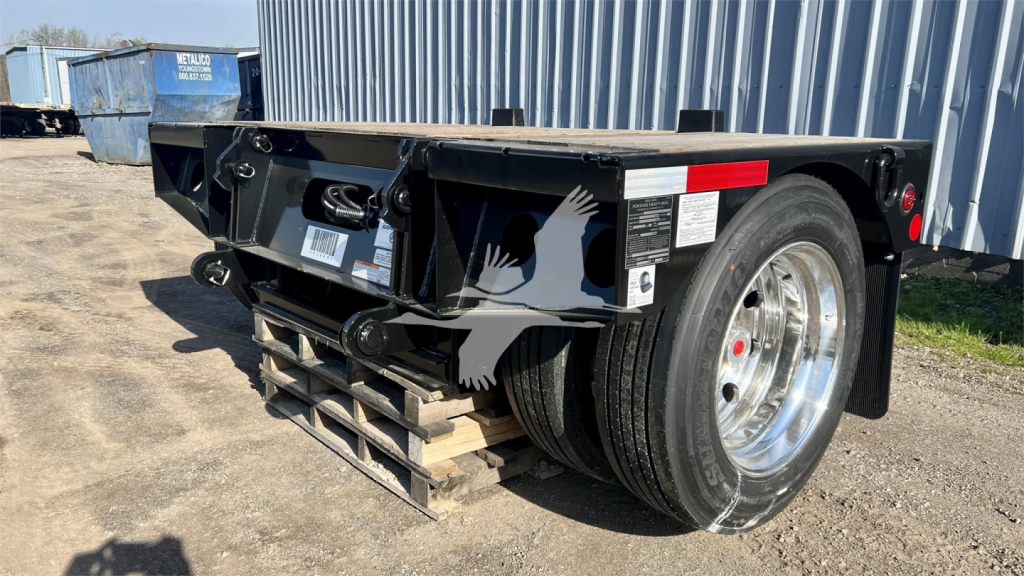
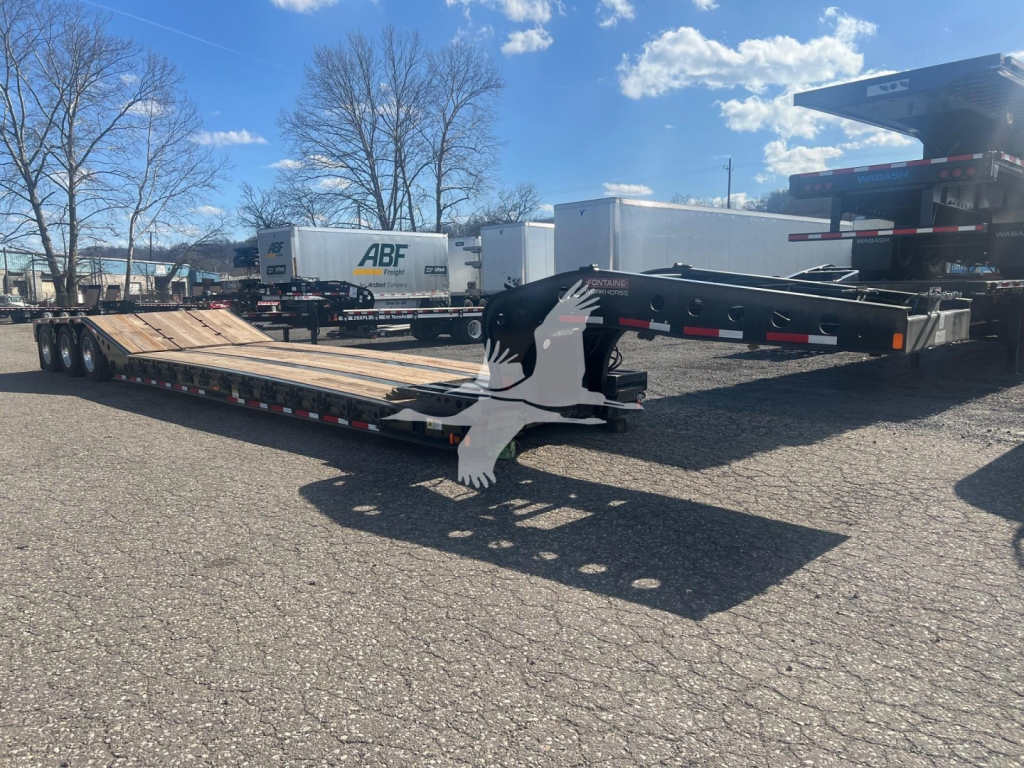
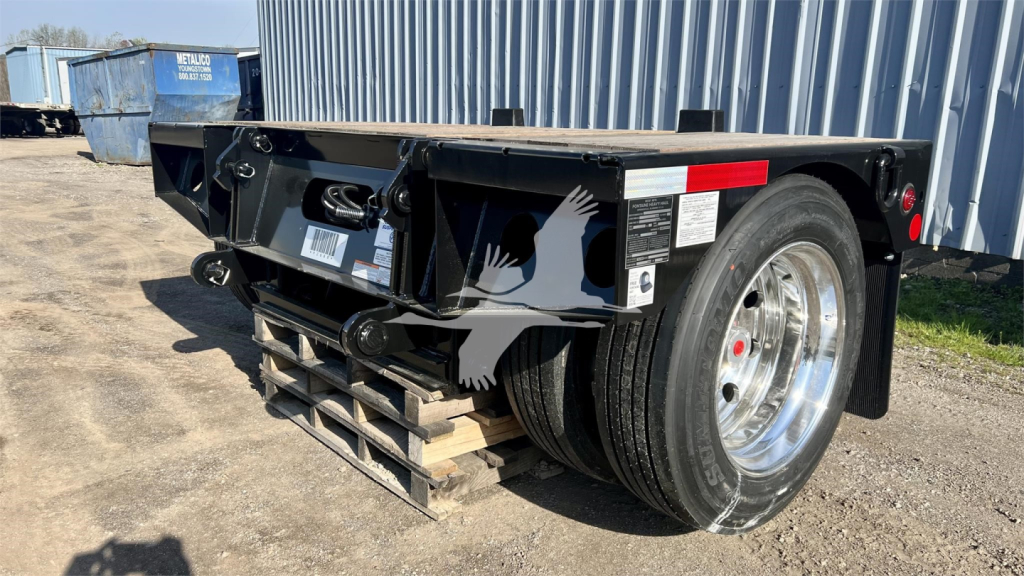
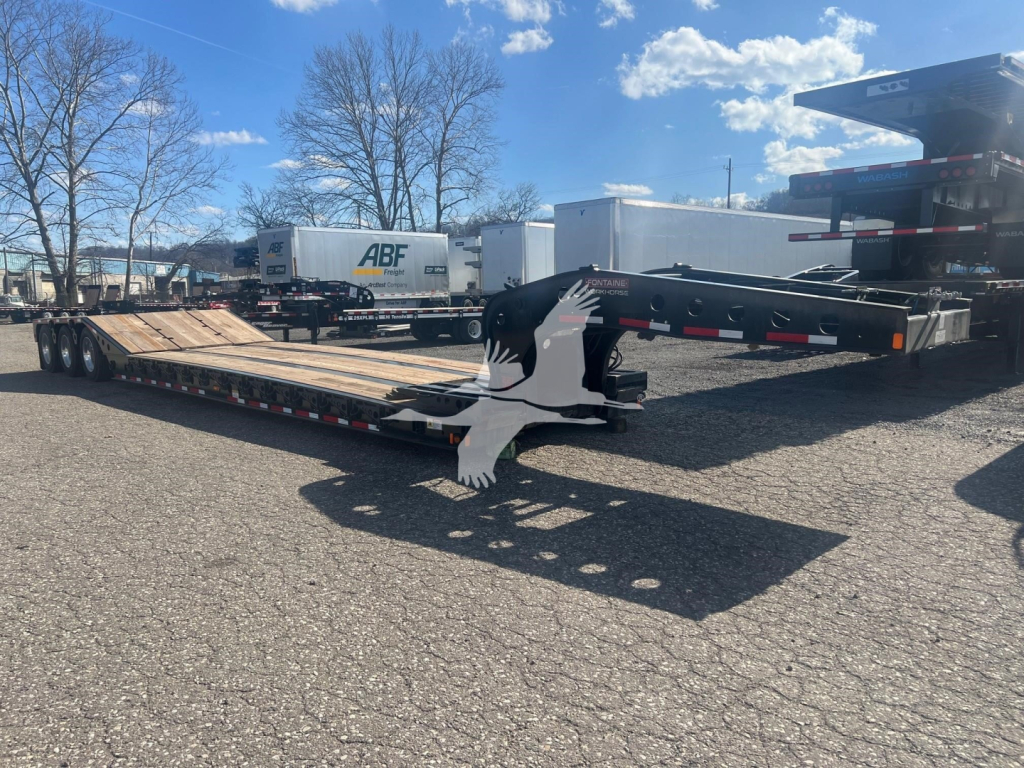
The first buying decision is usually trailer style and rating. Many Fontaine lowboys in this class fall into the 55-ton range, with common configurations built around a hydraulic detachable gooseneck, a low boom well, and a three-axle air ride bogie. Main deck heights commonly run in the high teens to low 20-inch range, which is a major advantage when hauling excavators, dozers, crushers, or other tall iron. Deck construction often includes Apitong or nominal wood flooring, removable swing outriggers, multiple pairs of D-rings, chain slots, and recessed crossmember layouts designed to support securement flexibility. If your freight changes from one week to the next, details like clear deck length, top deck length, and outrigger count matter just as much as the ton rating on paper.
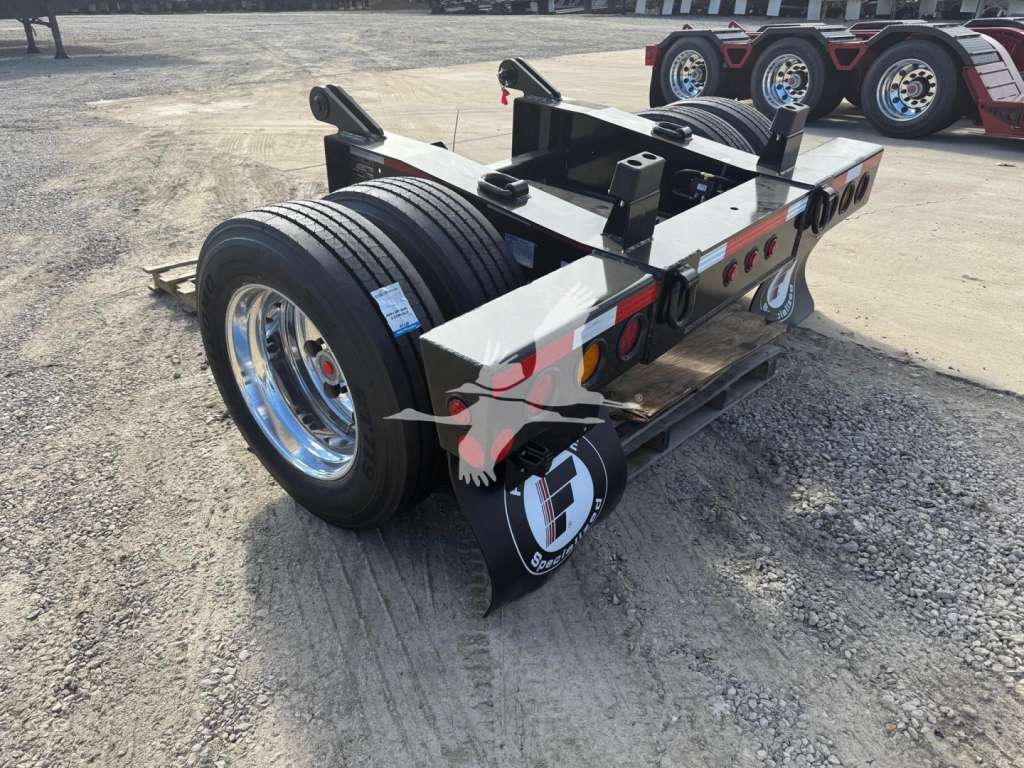
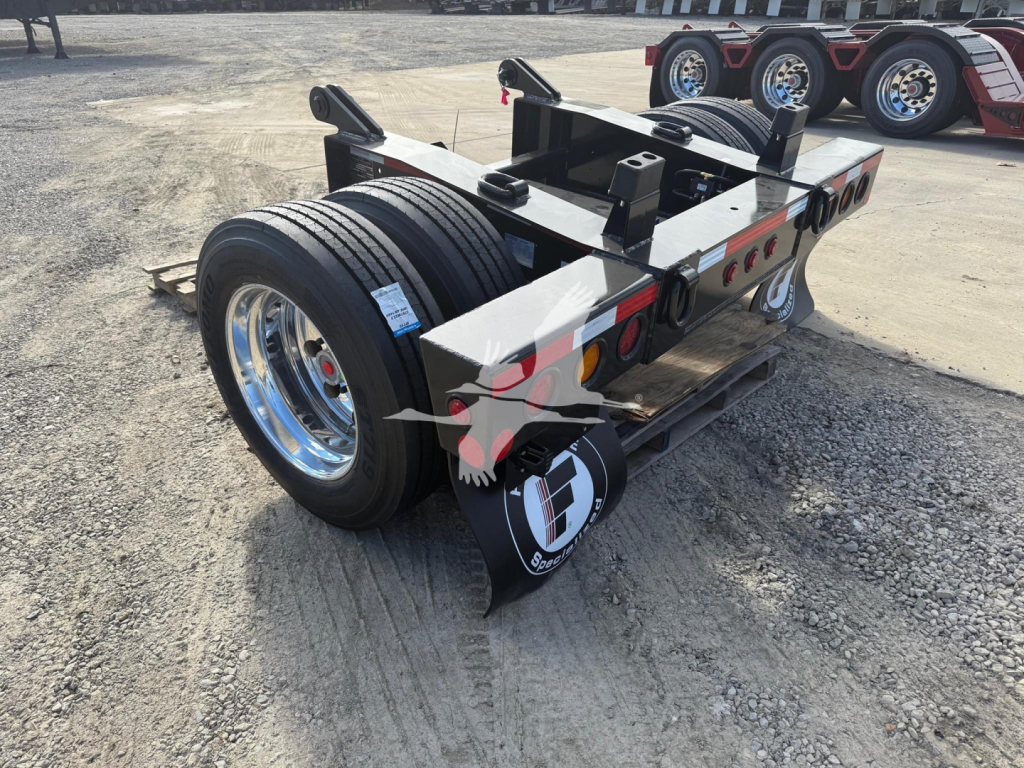
Fontaine buyers also pay close attention to detach style, ride height settings, and axle add-on compatibility. Hydraulic non-ground-bearing goosenecks are common because they speed up loading and unloading while keeping the trailer versatile across different tractors and job conditions. Features like adjustable loaded fifth wheel height, removable kingpin settings, manual dump valves, ride height control valves, air lift axles, and chain-lift front axles all affect how the trailer loads, tracks, and transfers weight. Some models are fixed, while others are modular and designed to accept neck extensions, rear spreaders, or flip axles. That matters if you expect to move from a 55-ton machine load today to a longer or heavier permitted load later. A buyer comparing Fontaine lowboys should confirm not only base capacity, but also deck rating by length, swing radius, flip axle compatibility, and suspension setting.
Pennsylvania heavy haul operators should also consider practical compliance and maintenance points before choosing a new Fontaine lowboy trailer. Tire size, wheel material, suspension brand, lighting package, amber strobes, flag holder placement, and covered tool storage all affect day-to-day usability. A trailer with a lower deck and stronger securement package may save time on permits and loading, but only if the deck length and approach angle fit your equipment. If you haul pavers, rollers, or mixed fleet equipment, wood-filled ramps, hammer plates, wheel covers, and full-width loading areas can make a big difference. The best Fontaine lowboy for your operation is usually the one that matches your common load profile first, then gives you enough adaptability for permit work, flip axle additions, and changing axle weight requirements without overbuying trailer weight.
Frequently Asked Questions about New Fontaine Lowboy Trailers in Pennsylvania
What is the typical capacity range for a Fontaine lowboy trailer?
Many Fontaine lowboy trailers in this category are built around 55-ton capacity ratings, but the real number to verify is the rated capacity in a stated deck length. A trailer may be rated for 55 tons in 12, 13, or 16 feet of concentrated load depending on model design. Buyers should also confirm whether the trailer is designed to accept a flip axle, spreader, or other axle additions, because that affects how the trailer can be configured for heavier or longer permitted loads.
What is the difference between a fixed Fontaine lowboy and a modular Fontaine lowboy?
A fixed lowboy has a permanent main deck-to-bogie configuration, while a modular design allows the main deck to disconnect from the bogie and accept additional components or alternate setups. Modular configurations can offer more flexibility for specialized heavy haul work, especially when neck extensions, flip axles, or different rear arrangements are part of the operation. Fixed trailers are often simpler and lighter, which can be an advantage for buyers focused on routine equipment hauling rather than maximum versatility.
Why is deck height so important on a lowboy trailer?
Deck height directly affects legal loaded height, stability, and the range of equipment you can move without permit complications. A Fontaine lowboy with an 18-inch to 22-inch loaded deck height gives more room to haul tall machinery such as excavators, dozers, and paving equipment while staying lower than a conventional flatbed or step deck. Lower deck height can also improve center of gravity, but buyers still need to match deck height with loading angle, ground clearance, and equipment belly clearance.
What features should I look for on a new Fontaine lowboy for equipment hauling in Pennsylvania?
For Pennsylvania service, practical features include a hydraulic detachable gooseneck, air ride suspension, lift axle configuration, strong securement points, removable outriggers, durable wood decking, and a lighting package suited to permit and jobsite work. Buyers should also look at swing radius, kingpin settings, dump valve controls, toolbox placement, and whether the trailer can accept a rear flip axle. Local terrain, bridge routes, and jobsite access often make maneuverability and deck usability just as important as published tonnage.
Do Fontaine lowboy trailers commonly use flip axles?
Yes. Many Fontaine lowboy trailers are designed with rear flip axle compatibility so operators can spread weight and adapt the trailer for specific load or permit requirements. A flip axle does not increase legal carrying capability by itself in every jurisdiction, but it can be an important part of a compliant axle group setup for heavier hauling. Buyers should verify exactly which flip axle style fits the trailer, the suspension setting, and whether the trailer frame and connections were built to accept that configuration from the factory.