
New 2026 Fontaine Lowboy Trailers For Sale in Pennsylvania
Have new 2026 fontaine lowboy trailer to sell? List it here to reach thousands of buyers.
New 2026 Fontaine Lowboy Trailers in Pennsylvania
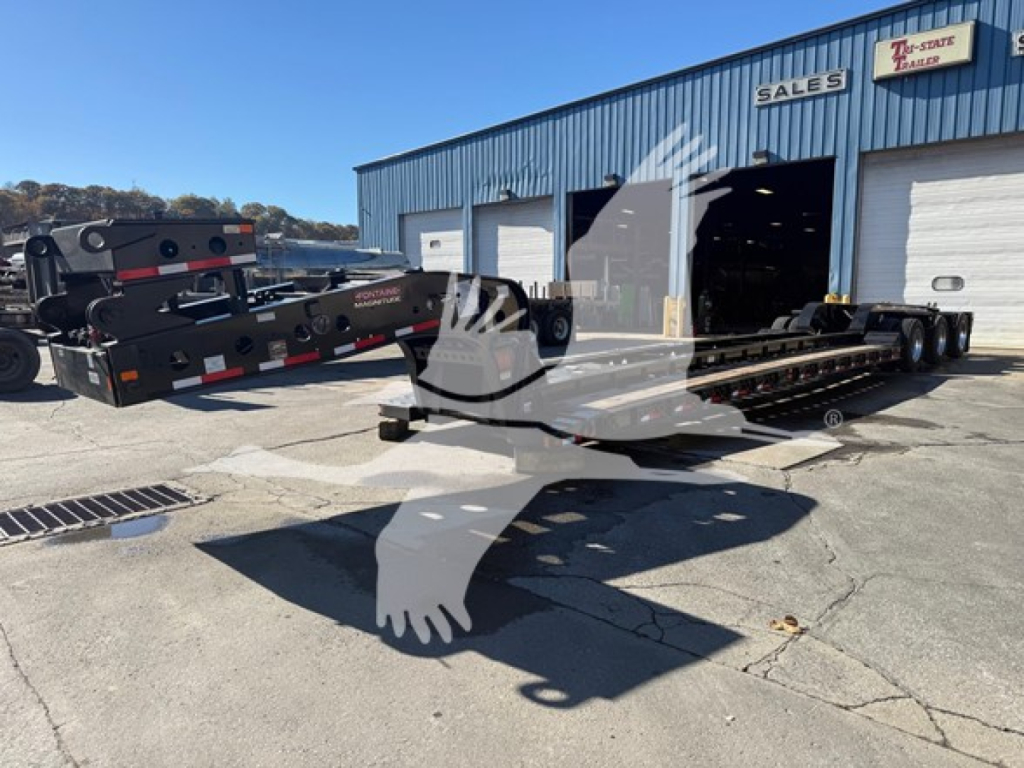
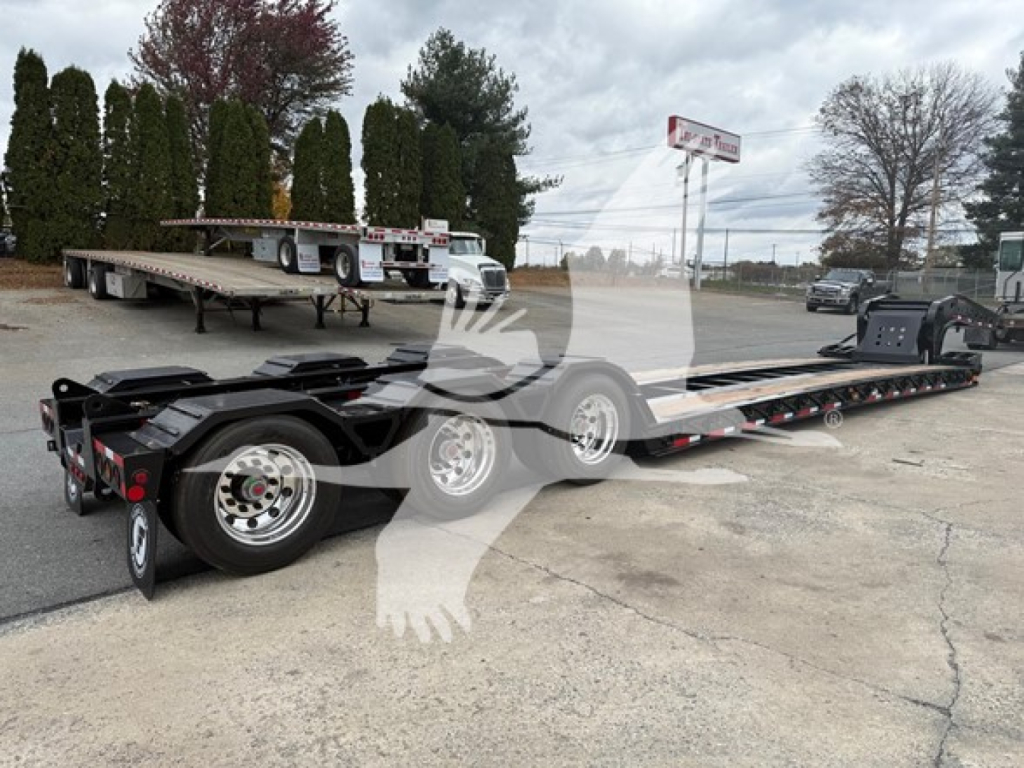
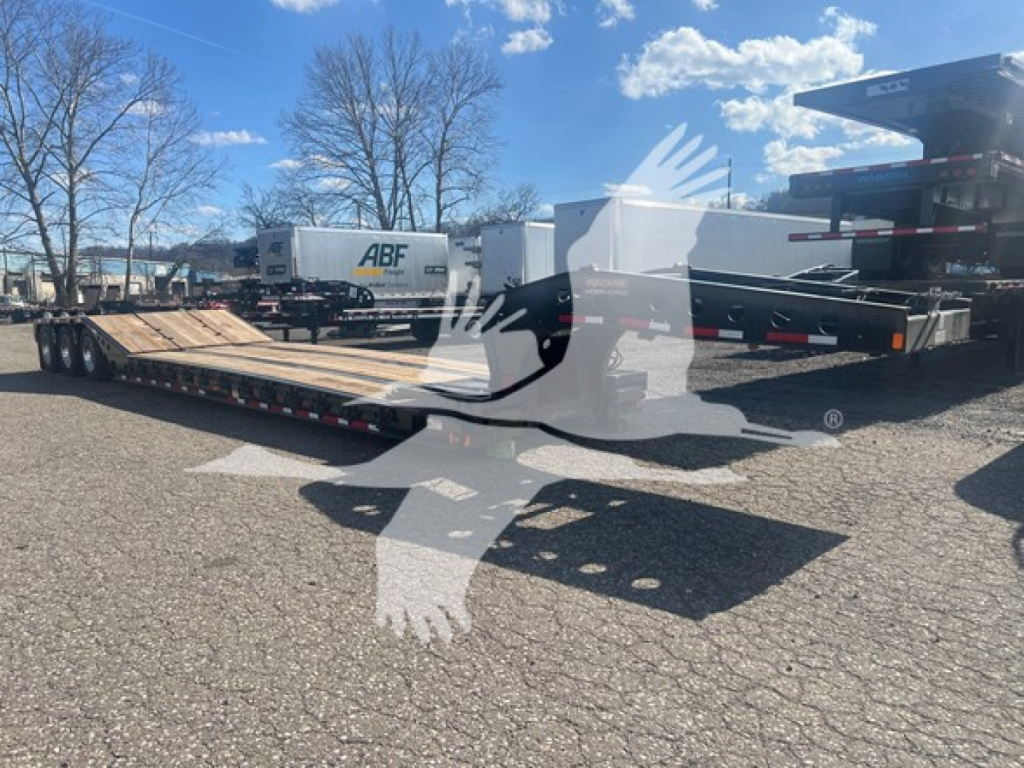
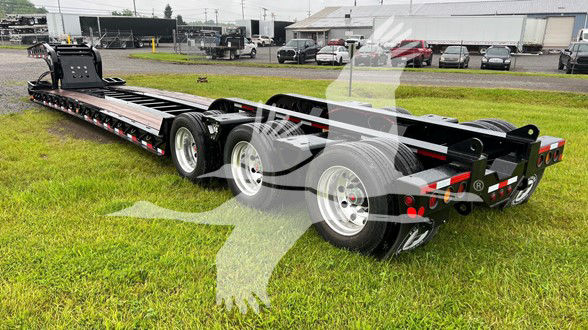
The first decision is usually capacity and deck style. Common models in this class include 30-ton mini-deck configurations and 55-ton heavy haul lowboys, with ratings often stated over a defined length such as 12 feet, 13 feet, or 16 feet. A buyer hauling compact excavators, loaders, and support machines may focus on a lower deck height and easier loading geometry, while a buyer moving larger dozers, crushers, or specialty iron may need a longer well, more deck support, and flip axle compatibility. Fontaine lowboys commonly use hydraulic detachable, non-ground bearing goosenecks with multiple loaded fifth wheel ride height positions, which helps when matching tractor height and dialing in loading approach.
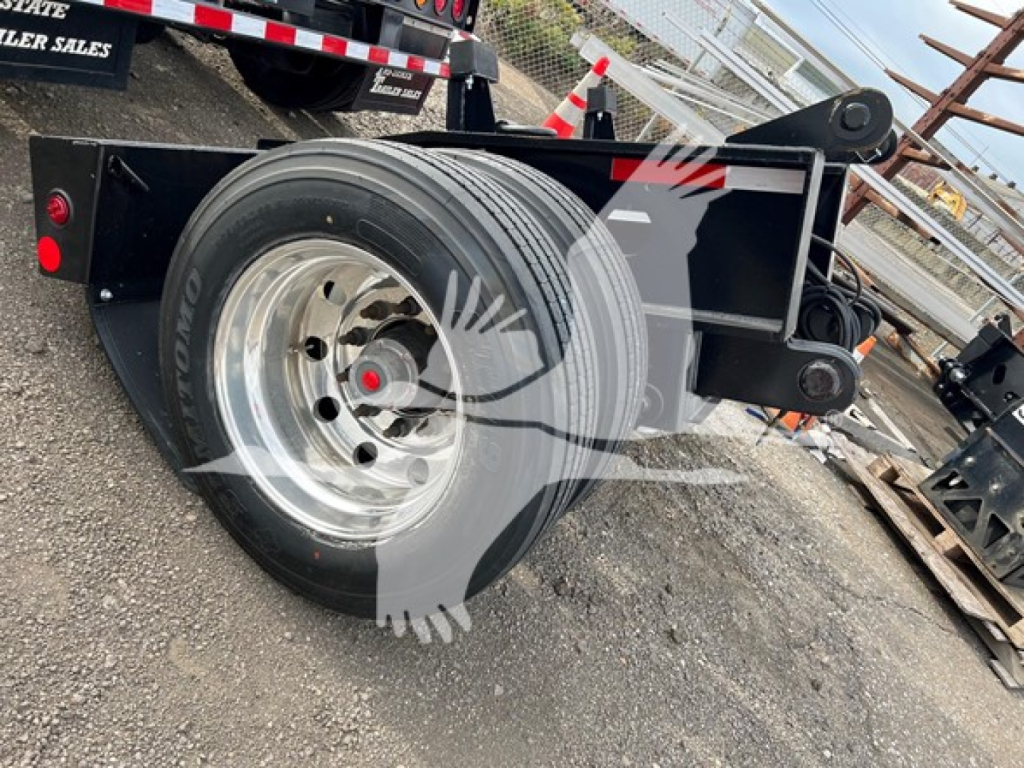
Specs that deserve close attention include axle count, air ride suspension, lift axle arrangement, kingpin settings, crossmember spacing, and deck floor material. Many Fontaine lowboy trailers in this class run 102-inch width, 275/70R22.5 rubber, and a mix of polished aluminum outer wheels with steel inner wheels. Apitong flooring is common because it holds up well under tracked and concentrated equipment loading. Buyers should also review outriggers, D-ring count, chain slots, hammer plates, tool trays, rear lighting, and whether the trailer is set up for a rear flip axle, spreader, or neck extension. Those details affect daily usability as much as the published tonnage.
Pennsylvania buyers often need a lowboy that can handle mixed jobsite and highway duty, from tight access paving work to longer interstate heavy haul moves. That makes ride height control, dump valves, swing radius, and detachable neck operation especially important. A properly spec'd Fontaine lowboy can improve loading speed, machine fit, permit planning, and overall durability over years of severe-service hauling. When comparing listings, the best value usually comes from matching the trailer's rated capacity, deck configuration, and attachment compatibility to the actual machines being moved, not simply choosing the highest ton rating on paper.
Frequently Asked Questions about New 2026 Fontaine Lowboy Trailers in Pennsylvania
What is the difference between a lowboy trailer and a standard equipment trailer?
A lowboy trailer has a much lower deck height than a standard tag trailer or deckover equipment trailer, which allows it to haul taller machinery while staying within legal height limits. Most lowboys in this class use a detachable gooseneck, giving the machine a shallower loading angle and easier drive-on access for tracked or wheeled equipment. That lower profile is the main reason lowboys are used for excavators, dozers, pavers, loaders, and other heavy construction machines.
What capacity should I look for in a Fontaine lowboy?
The right capacity depends on the actual operating weight, track width, axle placement, and load concentration of the machines you haul most often. A 30-ton mini-deck may be suitable for smaller iron and compact heavy equipment, while a 55-ton lowboy is more appropriate for larger construction equipment and denser point loads. Buyers should pay attention to how the rating is measured, such as 55 tons in 12 feet or 16 feet, because that tells you more than the headline tonnage alone.
Why does detachable gooseneck style matter on a lowboy trailer?
The gooseneck design affects loading method, tractor compatibility, ride height adjustment, and how efficiently the trailer works in the field. Hydraulic detachable goosenecks are common on Fontaine lowboys because they simplify loading and unloading without additional ramps. Features like non-ground bearing necks, multiple ride height positions, and kingpin setting options can make a meaningful difference in hookup consistency, front-end clearance, and day-to-day operation.
What specs are most important when comparing lowboy trailers?
Deck height, main deck length, axle count, suspension type, load rating by length, and flip axle compatibility are usually the key comparison points. After that, practical details matter: Apitong flooring, crossmember spacing, D-ring quantity, removable outriggers, chain slots, hammer plates, and lift axle setup all affect how the trailer performs under real loads. Buyers should compare these features against the dimensions and securement needs of their actual machines, not just the published trailer length.
Are Fontaine lowboy trailers a good fit for heavy haul work in Pennsylvania?
Yes, Fontaine lowboy trailers are a strong fit for Pennsylvania heavy haul applications because they are commonly spec'd for construction, utility, paving, and regional machinery transport. Buyers in Pennsylvania often deal with varied terrain, mixed road conditions, and both short and long haul moves, so deck height, detachable neck operation, and axle configuration are important. A correctly spec'd Fontaine lowboy can support legal height management, smoother loading, and durable service across demanding jobsite and highway use.