
New 2026 Fontaine Lowboy Trailers For Sale in Ohio
Have new 2026 fontaine lowboy trailer to sell? List it here to reach thousands of buyers.
New 2026 Fontaine Lowboy Trailers in Ohio
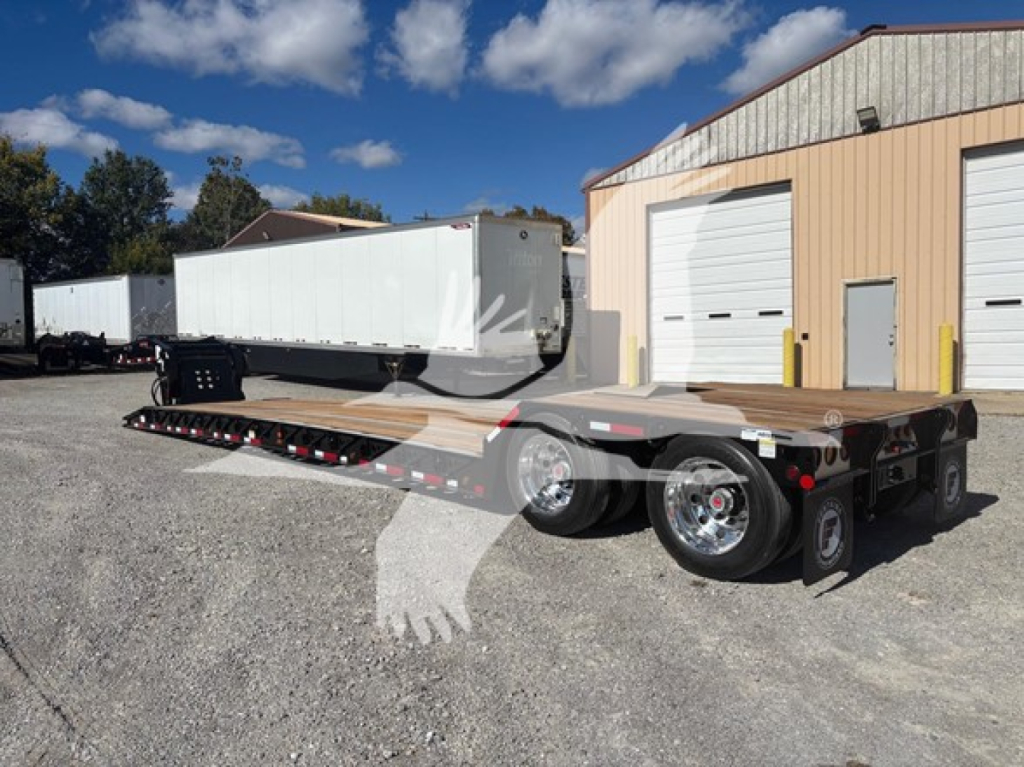
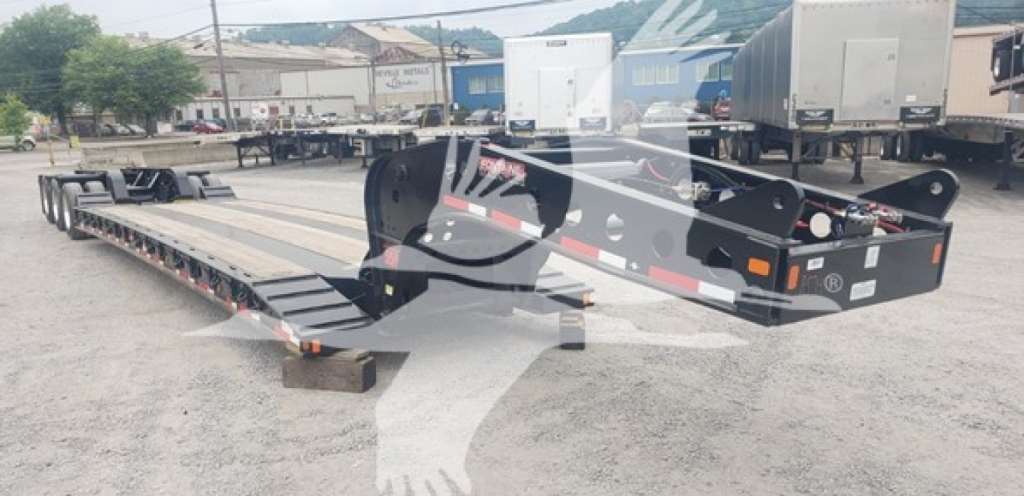
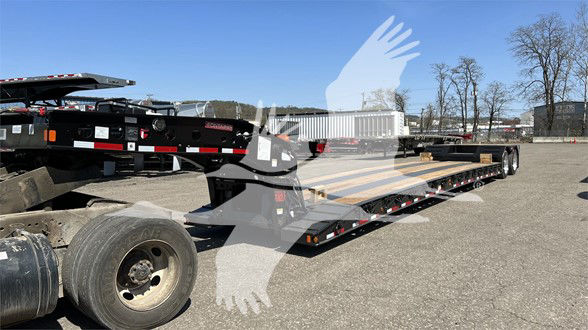
The most important spec decisions usually come down to capacity, deck geometry, and axle setup. Common Fontaine lowboy configurations in this class include 2-axle and 3-axle trailers, often with air ride suspension, mechanical ride height control, and provisions for a flip axle when bridge law or state permitting requires more spread. Main deck lengths, top deck lengths, and loaded deck heights vary by model, and those numbers directly affect what equipment can be hauled legally and how easily it can be loaded. A lower loaded deck height helps with overall loaded height, while features like a low boom trough, mini boom well, hydraulic detachable gooseneck, and multiple ride height positions give operators more flexibility with machines that have long booms, low ground clearance, or uneven weight distribution.
Fontaine lowboys also tend to be well equipped for securement and daily fleet use. Buyers will commonly see Apitong flooring, steel side rails, removable swing outriggers, multiple pairs of D-rings, chain slots, covered toolboxes, traction cleats, and wood-filled ramps or approach ramps depending on the model. Rear bogie details matter too. Air ride suspensions, lift axles, dump valves, and flip axle compatibility can all affect maneuverability, tire wear, and how the trailer performs when loading on rough jobsites. If your freight mix includes tracked equipment, look closely at deck floor design, crossmember spacing, hammer plates, and load-bearing wheel covers, because those details influence durability over time.
For buyers in Ohio, lowboy spec should be matched to both route conditions and permit strategy. A detachable gooseneck lowboy is often the right fit for contractors, aggregate operations, equipment rental fleets, paving crews, and municipalities moving iron between yards and jobsites. Pay close attention to swing clearance, kingpin setting, axle spacing, and whether the trailer is built around fixed modular connections or future axle additions. A properly spec'd Fontaine lowboy can lower loading time, improve legal load planning, and reduce the compromises that come with trying to haul heavy equipment on a trailer that is simply too tall or too lightly built for the work.
Frequently Asked Questions about New 2026 Fontaine Lowboy Trailers in Ohio
What is the main advantage of a Fontaine lowboy trailer over a standard flatbed or tag trailer?
A lowboy trailer gives you a much lower deck height, which is critical when hauling tall or heavy equipment. That lower profile helps keep the overall loaded height within legal limits while also improving loading angles for machines with limited ground clearance. Fontaine lowboys are commonly built with detachable goosenecks, heavy-duty deck structures, and axle configurations intended for concentrated machine loads that a standard flatbed or lighter equipment trailer is not designed to handle.
How do I choose between a 2-axle and 3-axle lowboy?
The right axle count depends on payload, permit requirements, and how often you need axle flexibility. A 2-axle lowboy can be a good fit for lighter heavy equipment and simpler route planning, while a 3-axle trailer generally supports higher capacities and gives more room to work with bridge formulas and weight distribution. Buyers who regularly haul near legal limits or move across multiple states often look for flip axle compatibility so the trailer can be adapted when additional axle count is needed.
Why does deck height matter so much on a lowboy trailer?
Deck height directly affects the maximum machine height you can haul without exceeding legal loaded height. A lower main deck can be the difference between moving a machine with a standard permit or needing alternate routing and more restrictions. Deck height also affects loading practicality, especially for pavers, rollers, and tracked equipment where approach angle and belly clearance can become a problem on taller trailers.
What features should I look for if I haul excavators or other tracked equipment?
Tracked equipment puts high point loads and abrasion on the trailer, so buyers should look closely at flooring, securement, and deck construction. Apitong wood flooring, D-rings, chain slots, traction cleats, hammer plates, and stout crossmember design all help the trailer stand up to repeated loading. If you move excavators with long booms or specialized attachments, features like a boom trough, low boom well, and hydraulic detachable gooseneck can make loading safer and easier while helping keep the machine positioned correctly for axle balance.
Are Fontaine lowboy trailers commonly built with detachable goosenecks?
Yes. Hydraulic detachable gooseneck configurations are common in Fontaine lowboy trailers because they simplify loading self-propelled equipment. A detachable neck allows machines to be driven onto the deck from the front instead of relying only on rear ramps, which can improve safety and reduce loading angle issues. Buyers should still compare ground-bearing versus non-ground-bearing neck designs, ride height adjustment, and kingpin settings to match their tractors, jobsite conditions, and operating preferences.