
Fontaine Lowboy Trailers For Sale in Alabama
Browse Fontaine lowboy trailers with detachable necks, low deck heights, heavy-haul capacity, and configurations for construction equipment transport.
Learn moreNo exact matches found for your search
Showing Fontaine Lowboy Trailers instead.
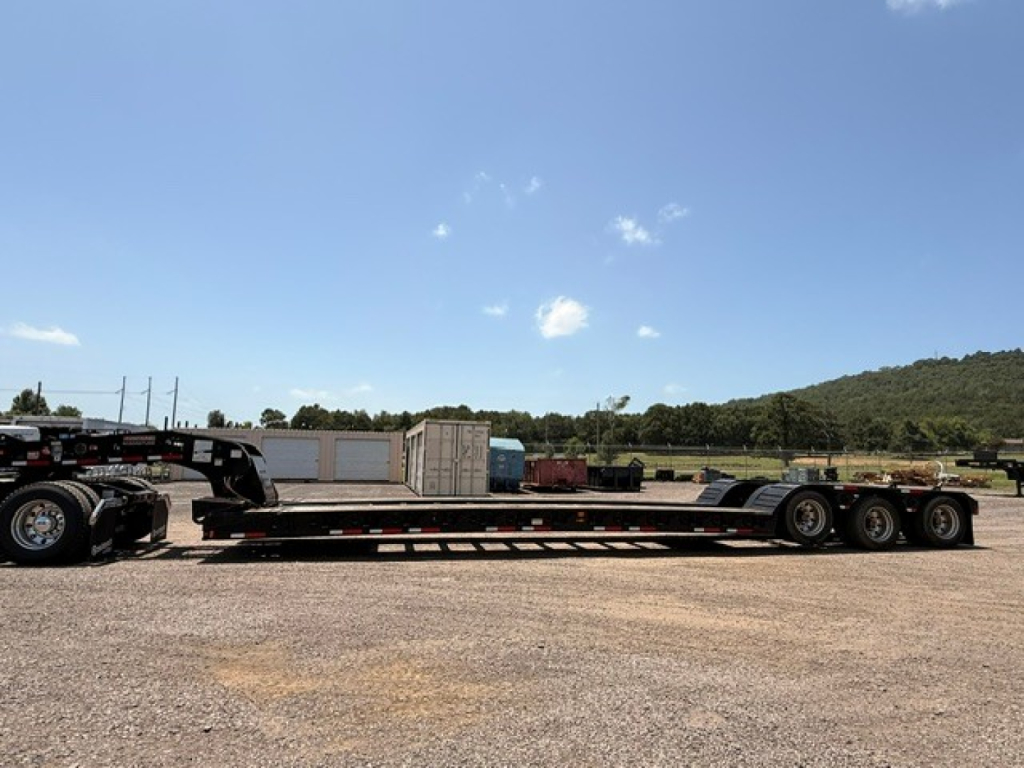
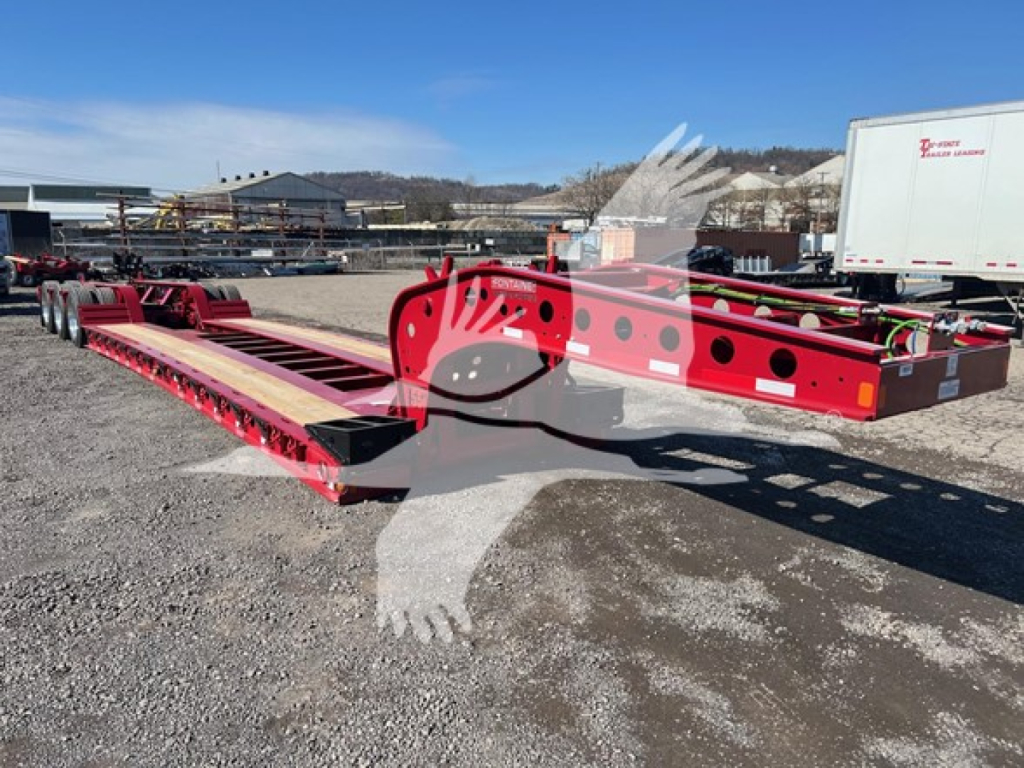
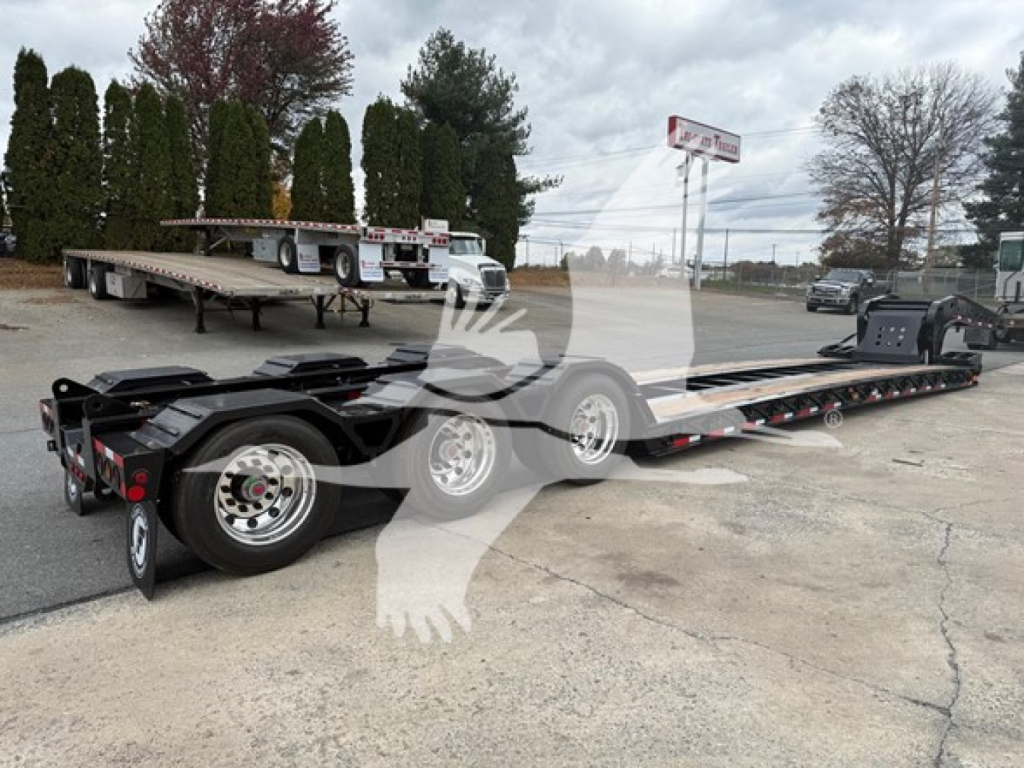
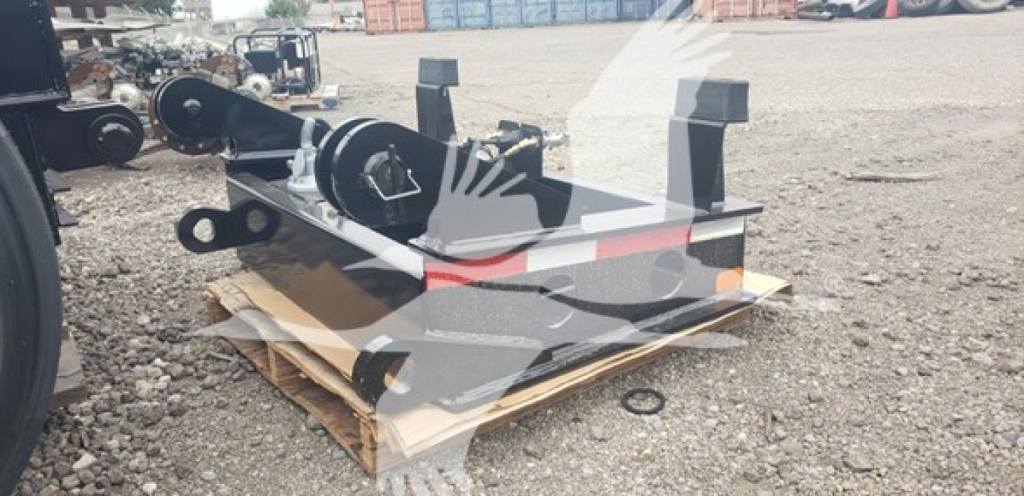
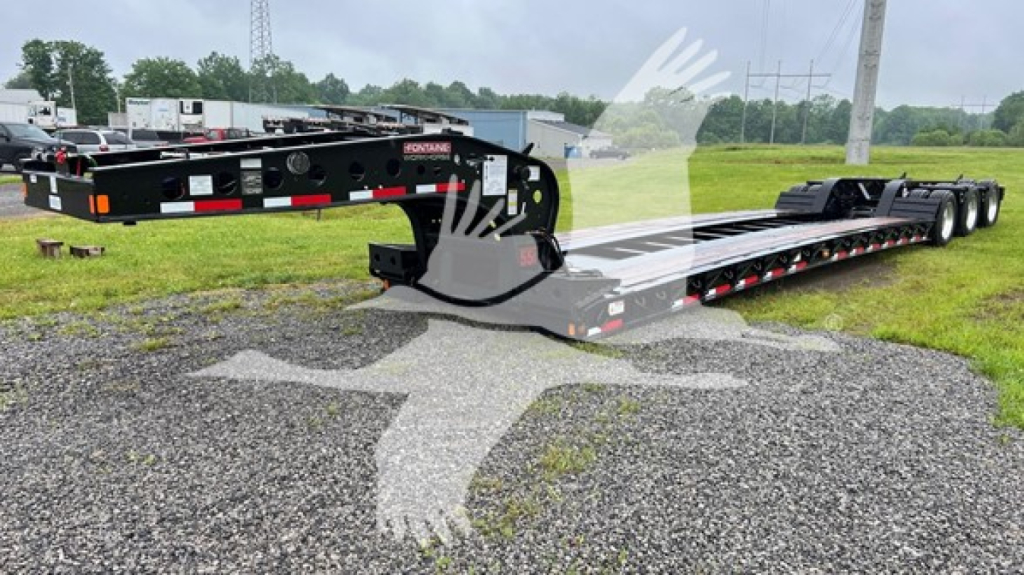
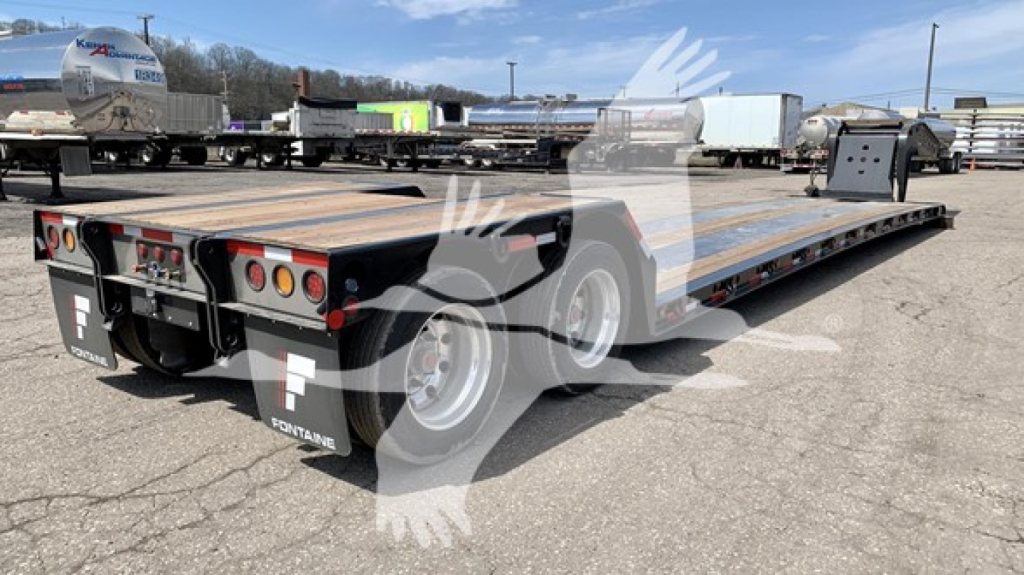
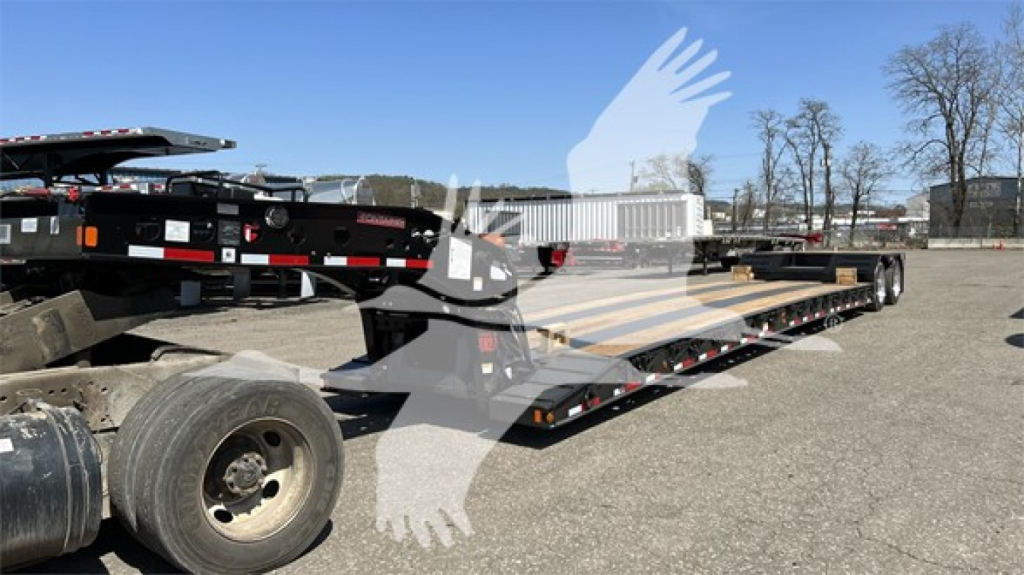
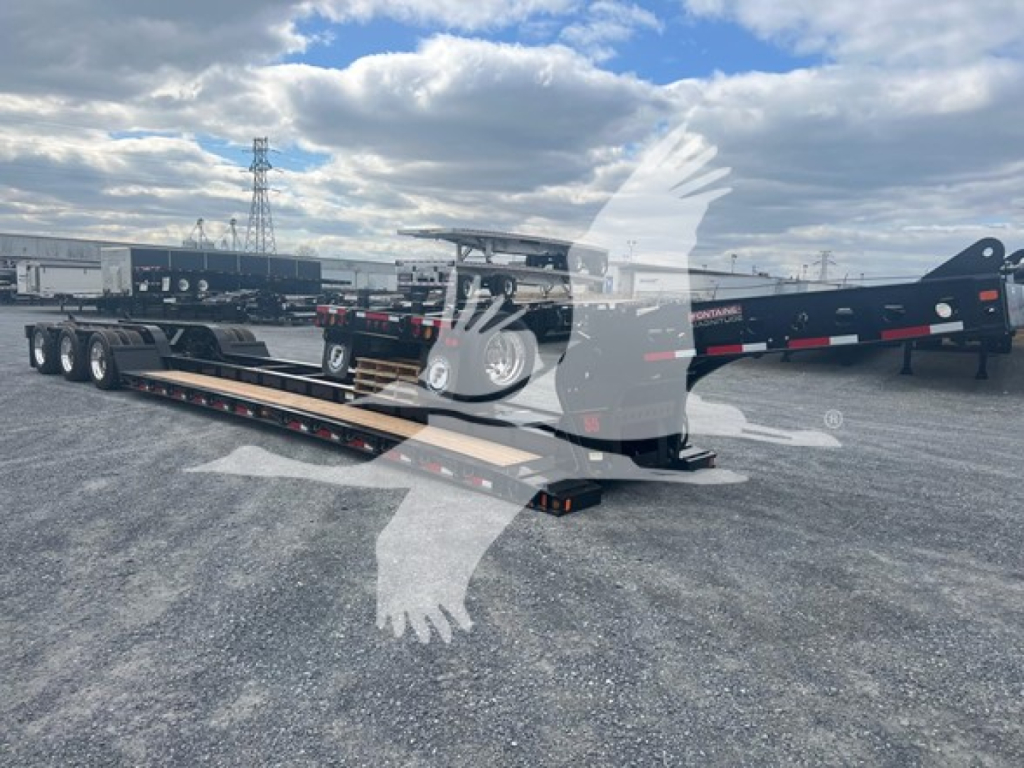
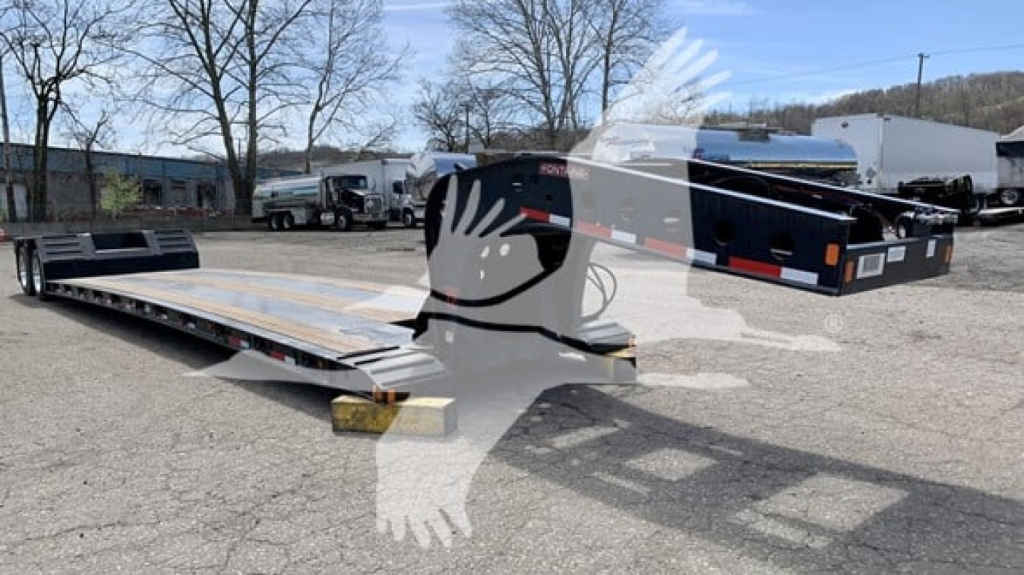
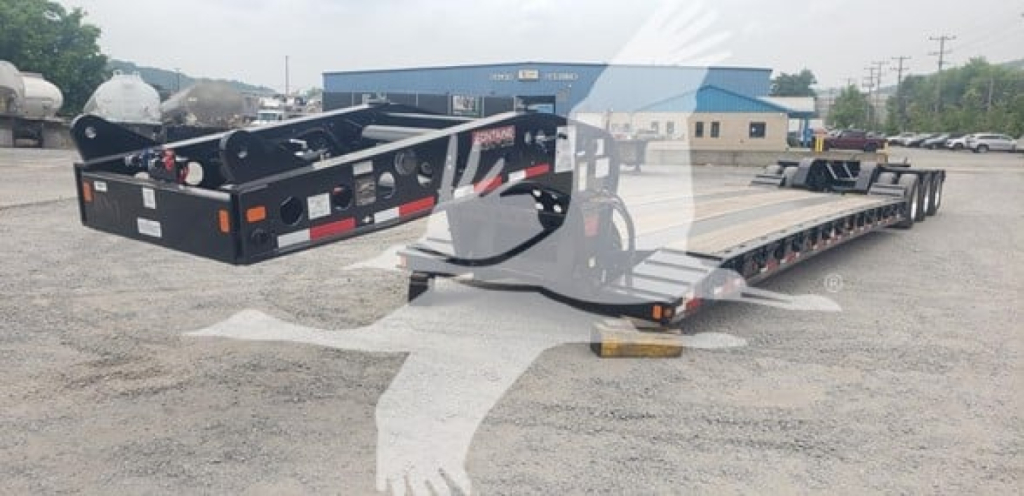
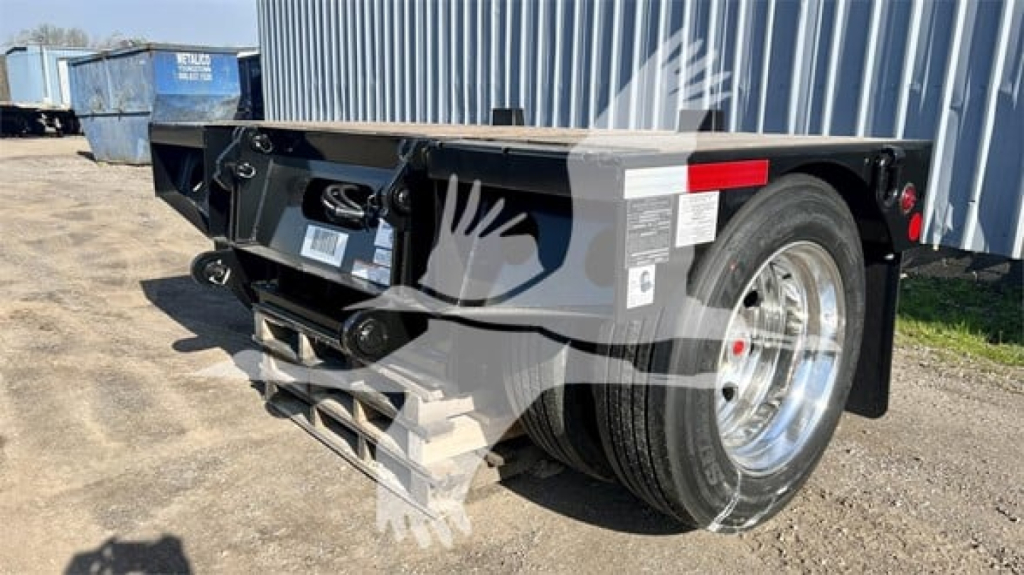
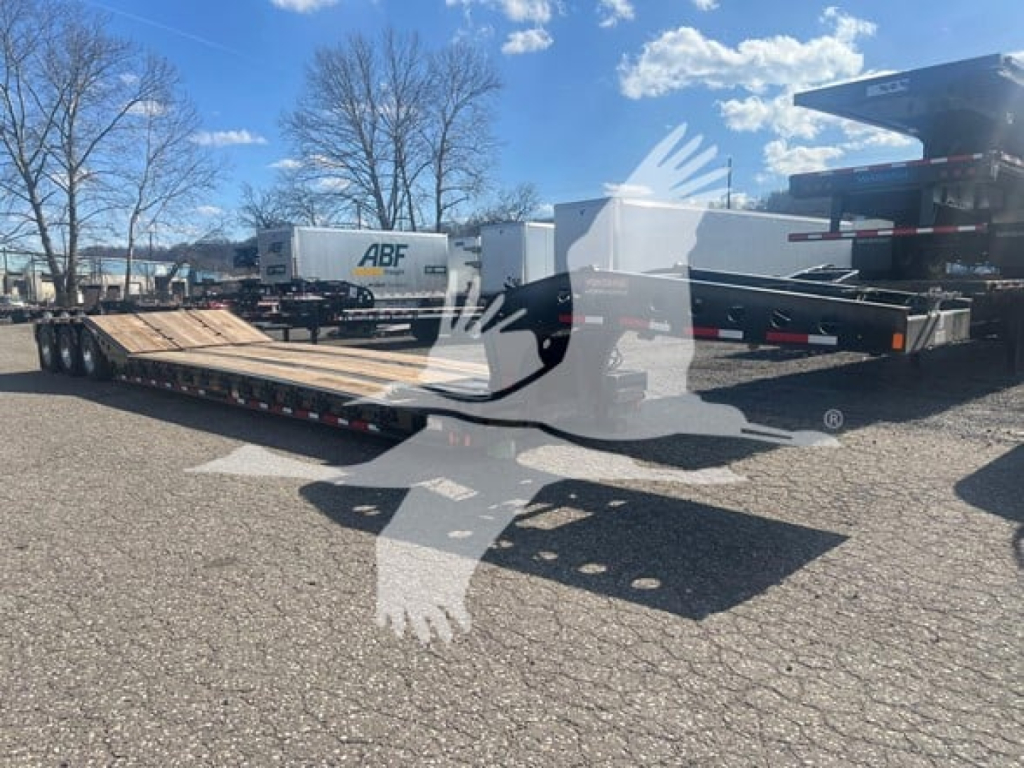
Showing 1 to 12 of 42 results
Have fontaine lowboy trailer to sell? List it here to reach thousands of buyers.
About Fontaine Lowboy Trailers in Alabama
Fontaine lowboys are commonly found in 40 ton to 55 ton classes, with configurations that may include fixed triaxles, air ride suspensions, flip axle compatibility, and optional third axle setups. Deck construction varies by application, but steel-framed units with Apitong flooring, full outriggers, D-rings, traction cleats, and covered wheel areas are common. Loaded deck height is a major spec to compare. Some flat low-deck designs run around 18 inches loaded, while roller paver or specialized configurations may sit closer to 20 to 22 inches depending on structure and clearance. Buyers hauling paving equipment or low-clearance machines should pay close attention to load angle, swing clearance, boom well dimensions, and rear bogie design, since those details affect whether a machine can be loaded without dragging or hanging up.
The Fontaine Workhorse and Renegade families are well known in this segment for practical heavy-haul layouts. A buyer comparing listings should look closely at the main deck length in closed and open positions, capacity concentrated in a stated length such as 12, 13, or 16 feet, axle spacing, suspension brand, tire size, and kingpin setting. Those numbers matter more than model name alone. A trailer rated for 110,000 pounds in 13 or 16 feet may be a strong fit for concentrated construction loads, but only if the axle group, tractor setup, and permit requirements line up with your operating area. Features such as raise-and-lower air controls, mini boom troughs, lockable tool storage, flip-down ramps, and aluminum outer wheels can also make a meaningful difference in daily use and empty weight.
Condition and configuration are especially important in the lowboy market because two trailers with the same ton rating can be very different in real-world performance. A flat low-deck design, a roller paver style, and an extendable lowboy each serve different fleets. Buyers should verify whether the trailer is set up for a flip axle, whether outriggers are included, how many tie-down points are present, and whether the rear frame is designed for specific axle combinations. It is also smart to confirm legal dimensions, loaded height with your most common machine, and serviceability of hydraulic neck components, suspension parts, and wear items. Fontaine lowboy trailers are popular because they tend to offer straightforward heavy-haul capability with options that fit roadbuilding, site work, utility construction, and general equipment transport.
Frequently Asked Questions
What is the main advantage of a Fontaine lowboy trailer over a standard flatbed?
A Fontaine lowboy trailer carries taller and heavier equipment by placing the load deck much lower than a standard flatbed. That lower deck height helps keep overall loaded height within legal limits and improves stability with machines such as excavators, dozers, compactors, and pavers. A lowboy also provides heavy concentrated load capacity in a short section of deck, which is critical when transporting tracked or high-axle-weight equipment.
How do I choose between a 40 ton and 55 ton Fontaine lowboy?
Start with the actual operating weight of your heaviest machine, then look at how that weight is distributed across the deck. A 40 ton trailer may be suitable for many mid-size construction machines, while a 55 ton lowboy is more appropriate for heavier or more concentrated loads. Buyers should not rely on the ton rating alone. Check the rated capacity in a specific deck length, axle configuration, flip axle compatibility, and the permit environment where the trailer will run.
What does a hydraulic detachable gooseneck do on a lowboy trailer?
A hydraulic detachable gooseneck allows the front of the trailer deck to disconnect so equipment can be driven onto the deck from the ground. This setup is preferred for many tracked and wheeled machines because it creates a more controlled loading angle than rear ramps in many applications. It also improves efficiency for fleets that load and unload frequently and need to match different tractor ride heights or jobsite conditions.
Why are deck height and load angle so important on a Fontaine lowboy?
Deck height and load angle directly affect whether low-clearance equipment can be loaded without scraping or bottoming out. A lower loaded deck height helps with legal overall height on the road, while a gentler load angle is important for pavers, rollers, and machines with long overhangs or low belly clearance. On some jobs, the wrong deck profile can limit what equipment the trailer can realistically haul even if the weight rating looks sufficient on paper.
What specs should I compare first when shopping Fontaine lowboy trailers?
The most important specs are capacity in a stated deck length, loaded deck height, main deck length, axle count and spacing, neck style, suspension type, and flip axle or third axle compatibility. After that, compare tie-down equipment such as D-rings and outriggers, flooring material, kingpin setting, tire size, and any features that affect loading, including ride height adjustment, front ramps, boom troughs, or covered wheel areas. Those details determine how well the trailer fits your machines, tractor, and route requirements.