
Etnyre Lowboy Trailers For Sale
Shop Etnyre lowboy trailers built for heavy equipment hauling, with beam deck designs, detachable goosenecks, and multi-axle capacity.
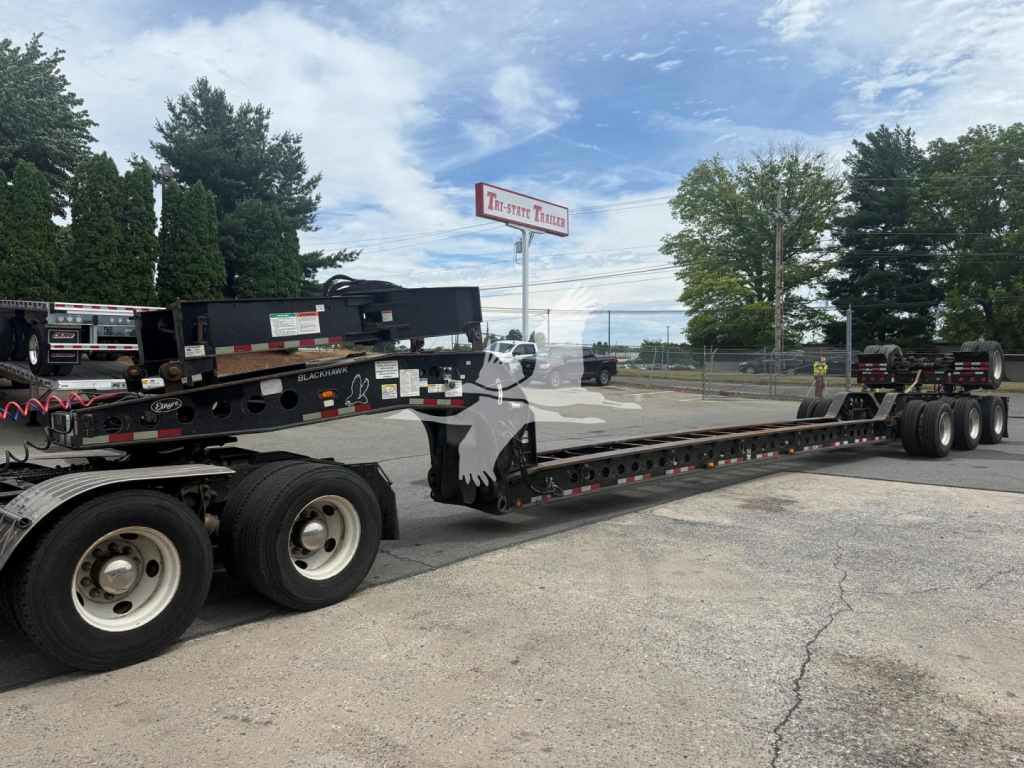
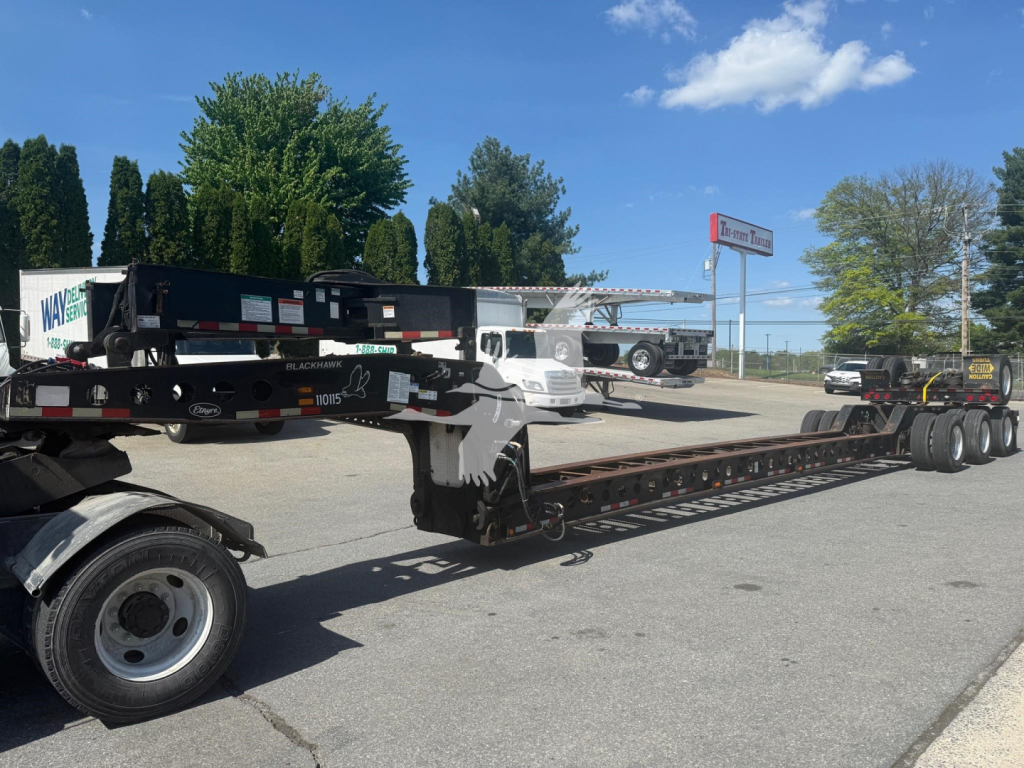
Selling a etnyre lowboy trailer? List your etnyre lowboy trailer for sale to reach thousands of commercial buyers.
Etnyre Lowboy Trailers
A serious buyer should start with capacity and deck layout. In this category, payload ratings can vary widely, but 35-ton, 50-ton, and 55-ton class trailers are common reference points depending on axle count and intended use. Main deck length, top deck length, loaded deck height, and rear deck geometry all affect what machines the trailer can legally and safely carry. Beam construction, crossmember spacing, and kingpin setting options also matter because they influence load distribution, fifth wheel compatibility, and how well the trailer fits into an existing tractor fleet. On used Etnyre lowboys, detachable neck condition, hydraulic system performance, pony motor operation, and neck locking components deserve close inspection because those systems directly affect uptime and loading safety.
Axle equipment is another major decision point. Many Etnyre lowboy trailers are set up with tandem or tri-axle groups, and some are built to accept a flip axle, spreader bar, or additional booster-style capacity depending on state permit requirements. Air ride suspension is common on premium heavy-haul setups because it helps protect both trailer structure and machine undercarriages during transport. Tire inflation systems, aluminum wheels, D-rings, side rail lighting, and well-placed tie-down points can make a real difference in day-to-day operation, especially for fleets running paving, construction, or aggregate equipment. Brake condition, suspension wear, tire size, and axle alignment are especially important on used lowboys because replacement costs add up quickly on multi-axle heavy-haul trailers.
Etnyre has long been associated with roadbuilding and construction support equipment, so its lowboy trailers are often found in demanding vocational service rather than light occasional hauling. That usually appeals to buyers who want a trailer designed around real equipment weight and jobsite conditions. When comparing Etnyre lowboy trailers for sale, pay close attention to frame condition, deck repairs, beam straightness, neck fit, and any signs of concentrated load damage over the axle area. A clean spec sheet is useful, but service history, title status, inspection status, and the trailer's axle and attachment package usually determine how well the unit will fit a heavy-haul operation.
Frequently Asked Questions about Etnyre Lowboy Trailers
What is an Etnyre lowboy trailer best suited to haul?
An Etnyre lowboy trailer is best suited for heavy equipment that benefits from a low deck height and strong concentrated-load support. Common examples include excavators, bulldozers, paving equipment, rollers, loaders, and other construction machines that may be too tall or too heavy for a standard flatbed or tag trailer. Beam-style lowboy construction is especially useful when hauling machines with high axle loads or steel tracks.
What should I check first on a used Etnyre lowboy?
Start with the structural and functional heavy-haul components. Inspect the main beams for cracks, repairs, or signs of sagging. Check the detachable gooseneck for proper alignment, secure locking, hydraulic leaks, and smooth operation. Review suspension condition, axle alignment, brake wear, tire age, deck condition, and all tie-down points. On trailers equipped for flip axles or spreader bars, confirm that the mounting points and related hardware are complete and not worn out.
Why do axle configuration and flip axle compatibility matter on a lowboy trailer?
Axle configuration affects legal load distribution, bridge compliance, maneuverability, and total gross carrying capability. A trailer set up for a flip axle or spreader bar can give a buyer more flexibility when moving heavier equipment under permit. That flexibility matters if the hauling area includes multiple states, each with different axle spacing and permitting rules. A trailer with the right axle package can reduce permitting headaches and make better use of the tractor and trailer combination.
Are hydraulic detachable goosenecks better than fixed-neck lowboys?
For many heavy equipment applications, a hydraulic detachable gooseneck is the more practical option because it allows equipment to be driven onto the deck from the front at a shallow angle. That improves loading efficiency and reduces dependence on external ramps or loading docks. The tradeoff is added mechanical and hydraulic complexity, so buyers need to pay closer attention to cylinder condition, hydraulic plumbing, electrical controls, and neck engagement points.
What specs matter most when comparing Etnyre lowboy trailers for sale?
The most important specs are rated capacity, loaded deck height, main deck length, overall trailer length, number of axles, suspension type, neck style, and compatibility with flip axles or spreader bars. Buyers should also compare kingpin settings, tire size, wheel type, tie-down equipment, and lighting package. Those details affect tractor compatibility, legal load height, securement options, maintenance cost, and how efficiently the trailer can be used across different jobs.