
Used Load King Trailers For Sale
Used Load King trailers for sale, including lowboy and flatbed models with heavy-haul specs, detachable neck options, and oilfield-ready setups.
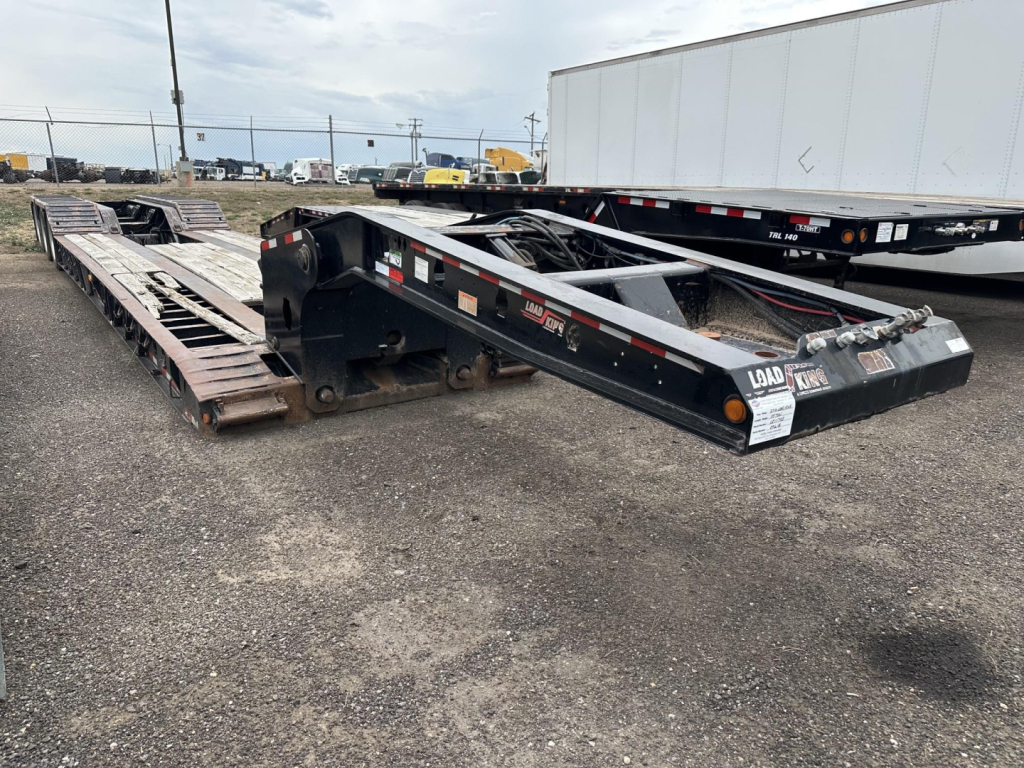
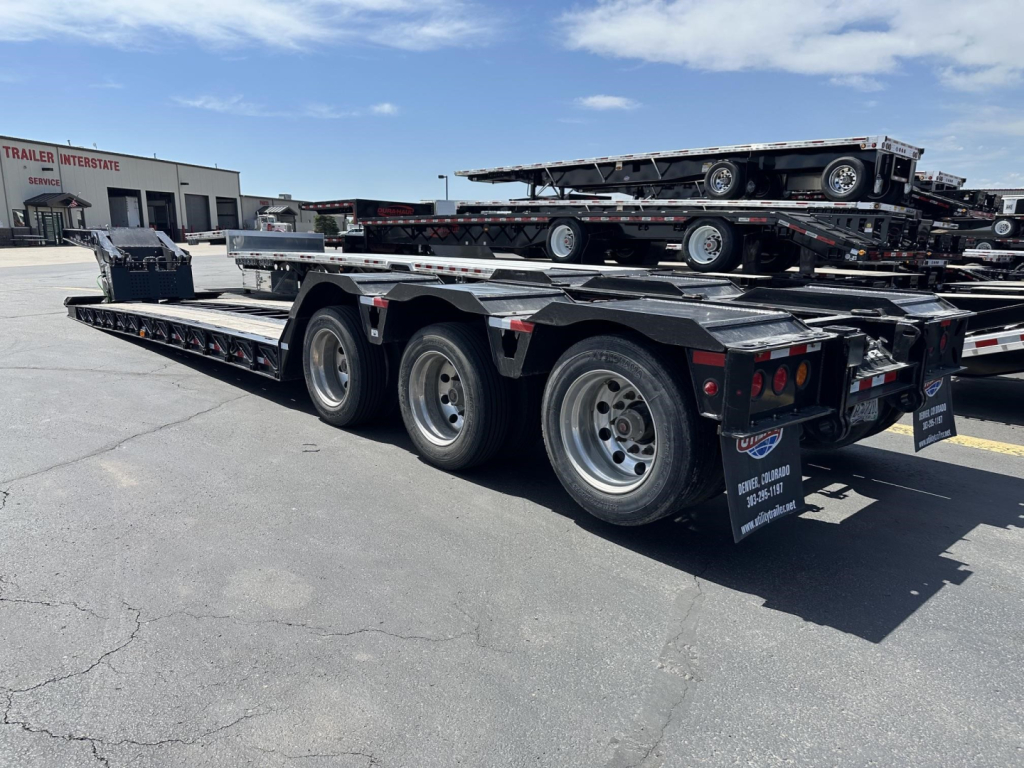
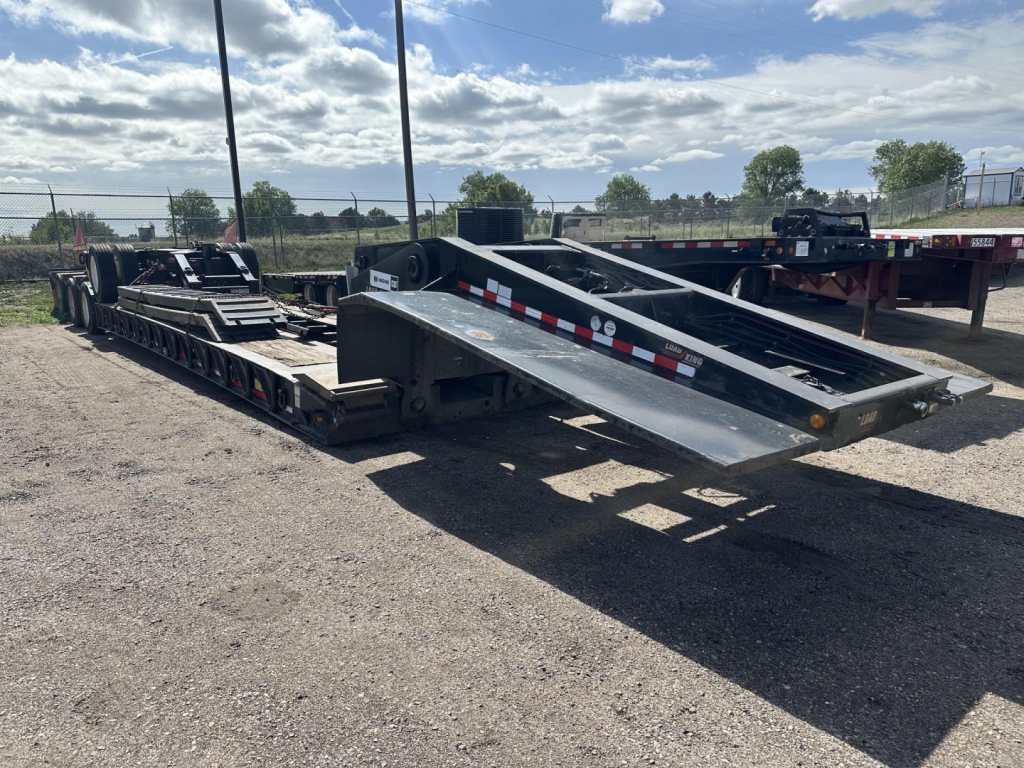
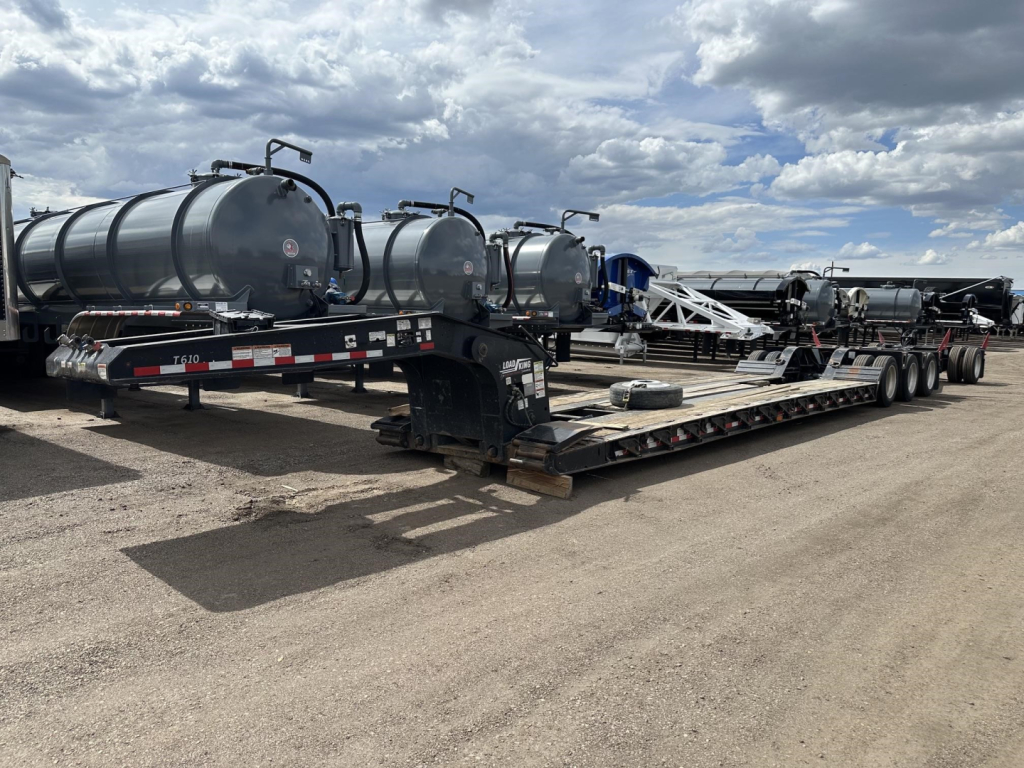
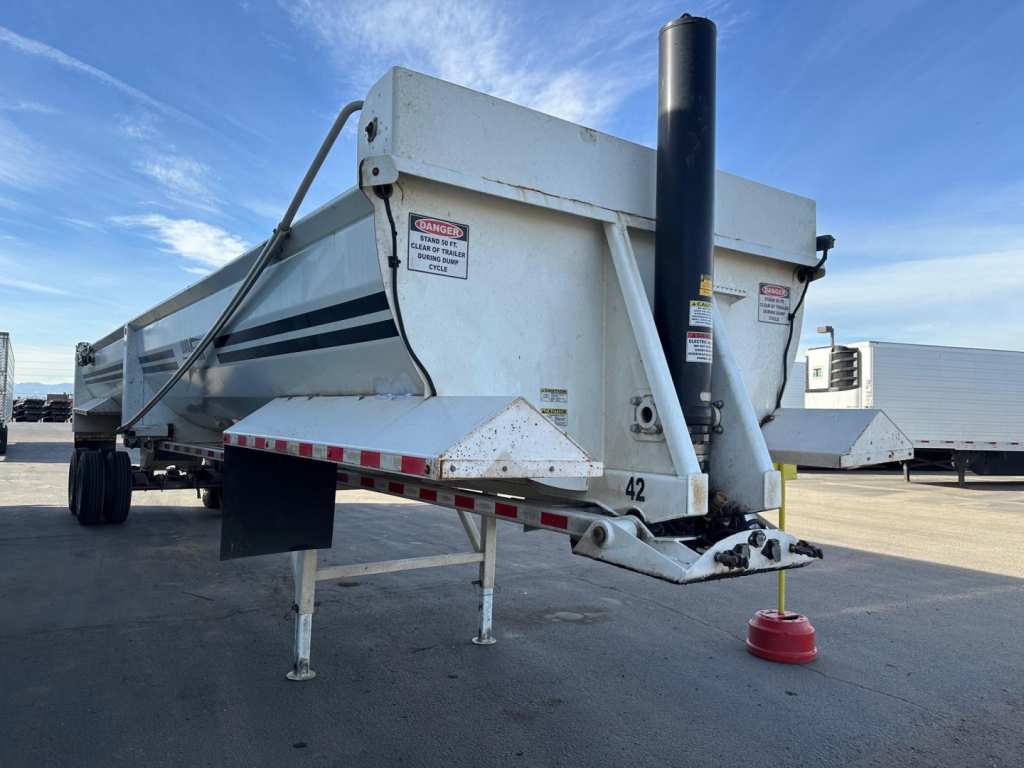
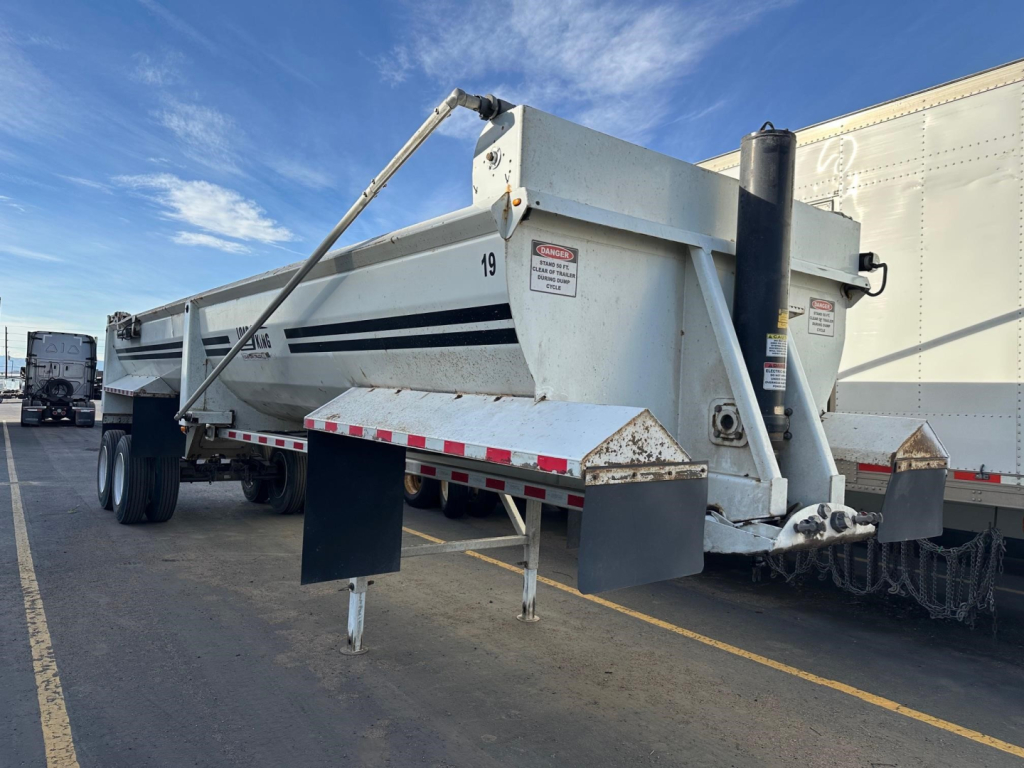
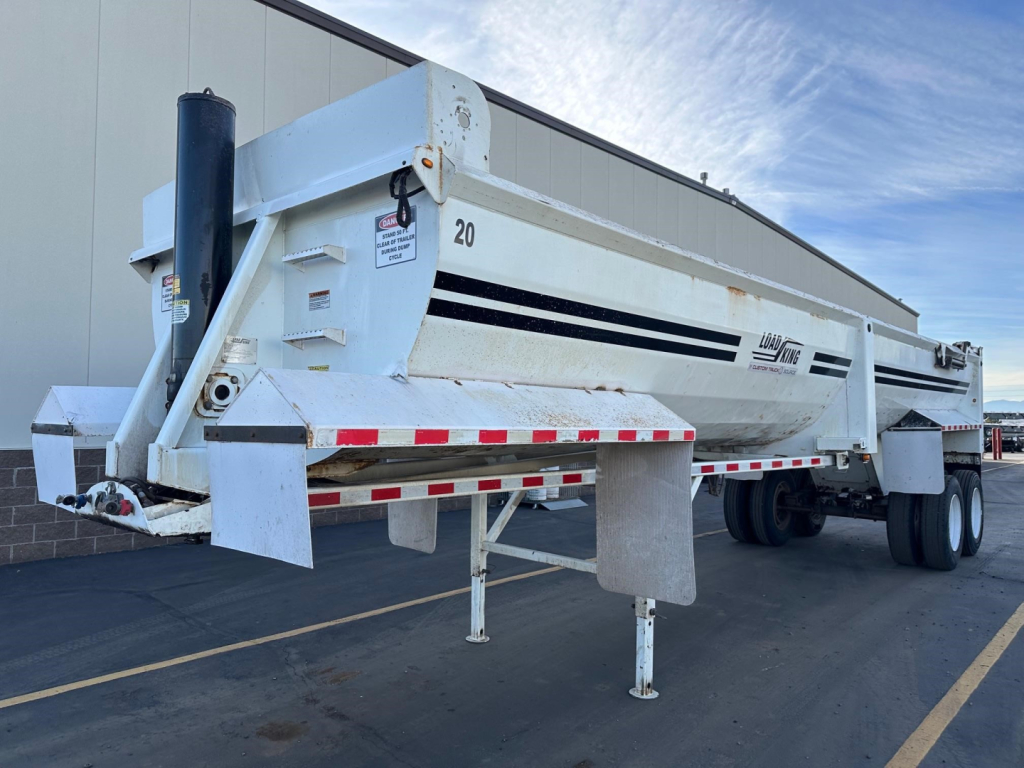

Selling a used load king trailer? List your used load king trailer for sale and reach thousands of commercial buyers.
Used Load King Trailers
For most buyers, the first major decision is trailer type and neck design. Load King detachable lowboys are commonly found with hydraulic detachable goosenecks or mechanical detach systems, and that choice affects loading speed, maintenance, and tractor compatibility. Hydraulic detach models are favored in fleets that load equipment frequently and want faster cycles, especially when pony motors, PTO hookups, adjustable ride height, and multiple kingpin settings are part of the spec. Mechanical detach trailers can still be a strong value for buyers who want a simpler setup with fewer hydraulic components to service. Common features across used Load King lowboys include 24-foot to 26-foot wells, outriggers or clip-style outriggers, D-rings, chain slots, bucket wells, boom wells, front flip ramps, and load-bearing fenders for machines with wider track widths.
Axle group and suspension matter because they determine where the trailer fits in your operation and permit strategy. Tri-axle and quad-axle Load King lowboys are common in construction, paving, and equipment rental fleets moving excavators, dozers, loaders, crushers, and other concentrated loads. Air ride suspension, lift axles, liquid-filled scale gauges, and adjustable ride height are all useful features on used heavy-haul trailers because they improve load management and help with bridge law compliance and deck height control. Tire size, wheel material, brake life, and evidence of alignment issues deserve a close look on any used unit. On older trailers, inspect the gooseneck structure, suspension hangers, crossmembers, outriggers, ramp attachment points, and deck replacement history, especially if the trailer spent time in off-road, oilfield, or scraper service.
Load King flatbeds and oilfield flat decks appeal to buyers who need a tougher vocational trailer with practical securement options. These trailers may include stake pockets, pin pockets, winches, J-hooks, wide-load lighting, full-width pickup throats, and wood floors suited for pipe, palletized material, and field support equipment. Compared with a general-purpose highway flatbed, a Load King flat deck is often spec'd for harsher jobsite conditions and regional hauling demands. When comparing used Load King trailers, focus less on model year alone and more on rating, neck type, deck layout, axle configuration, and the real condition of the structure and running gear. That combination will tell you far more about how the trailer will perform in heavy equipment, oilfield, or specialized hauling service.
Frequently Asked Questions about Used Load King Trailers
What types of used Load King trailers are most common?
The most common used Load King trailers are lowboy trailers, especially detachable gooseneck models built for heavy equipment transport. Many are found in 35 ton to 55 ton classes with tandem, tri-axle, or quad-axle configurations. Load King also builds flatbed and oilfield flat deck trailers, which are typically spec'd with wood decking, securement hardware, and heavier vocational construction for field and jobsite use.
What should I check on a used Load King lowboy trailer before buying?
Start with the frame, neck, and suspension because those areas carry the highest repair exposure on a used heavy-haul trailer. Inspect the detachable neck connection points, kingpin area, crossmembers, outriggers, deck condition, ramp hinges, and load-bearing fenders for cracks, weld repairs, distortion, or corrosion. Then review tires, brakes, bushings, ride height controls, lift axle operation, and any hydraulic components such as pony motors, wet line hookups, and hydraulic detach systems.
Is a hydraulic detachable neck better than a mechanical detach on a Load King trailer?
A hydraulic detachable neck is usually better for fleets that load and unload equipment often because it speeds up the process and reduces manual steps. It can also add flexibility when the trailer is equipped with adjustable ride height, PTO hookups, or a self-contained pony motor. A mechanical detach is simpler and may cost less to maintain, which can make it attractive for lower-frequency use or buyers who want fewer hydraulic components to troubleshoot.
What axle setup is best on a used Load King trailer?
The best axle setup depends on the weight and dimensions of the equipment you plan to haul and the permit environment in your operating area. Tandem axle trailers can work well for lighter machines and simpler operations, while tri-axle and quad-axle trailers are more common for heavier concentrated loads and better weight distribution. Buyers should also consider lift axles, axle spacing, and suspension type because those details affect bridge compliance, maneuverability, and empty trailer operating costs.
Are used Load King flatbeds mainly for general freight?
Not usually. Used Load King flatbeds are often more vocational than a standard over-the-road flatbed and may be built for oilfield, construction, or regional industrial work. Features like stake pockets, pin pockets, winches, wide-load lighting, and heavier deck construction make them well suited for pipe, machinery, and rough-service cargo rather than purely general freight applications.