
New Dorsey Live Floor Trailers For Sale
Shop new Dorsey live floor trailers with walking floor systems, aluminum bodies, tarp systems, and specs built for bulk material hauling.
Learn more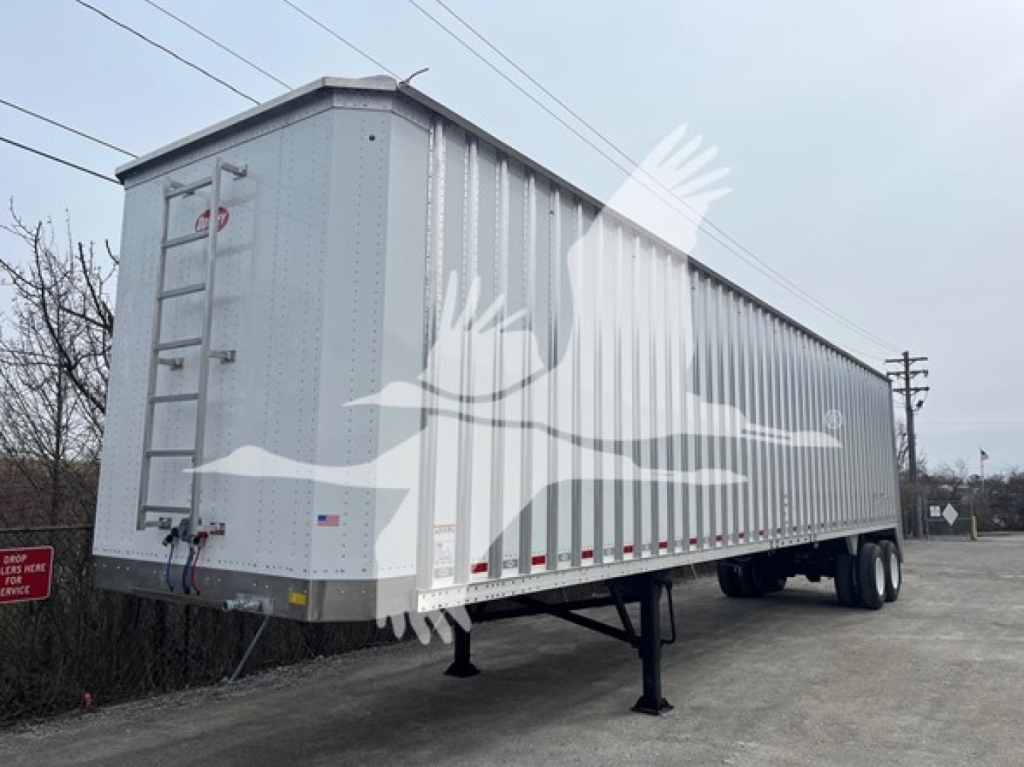
Have new dorsey live floor trailer to sell? List it here to reach thousands of buyers.
About New Dorsey Live Floor Trailers
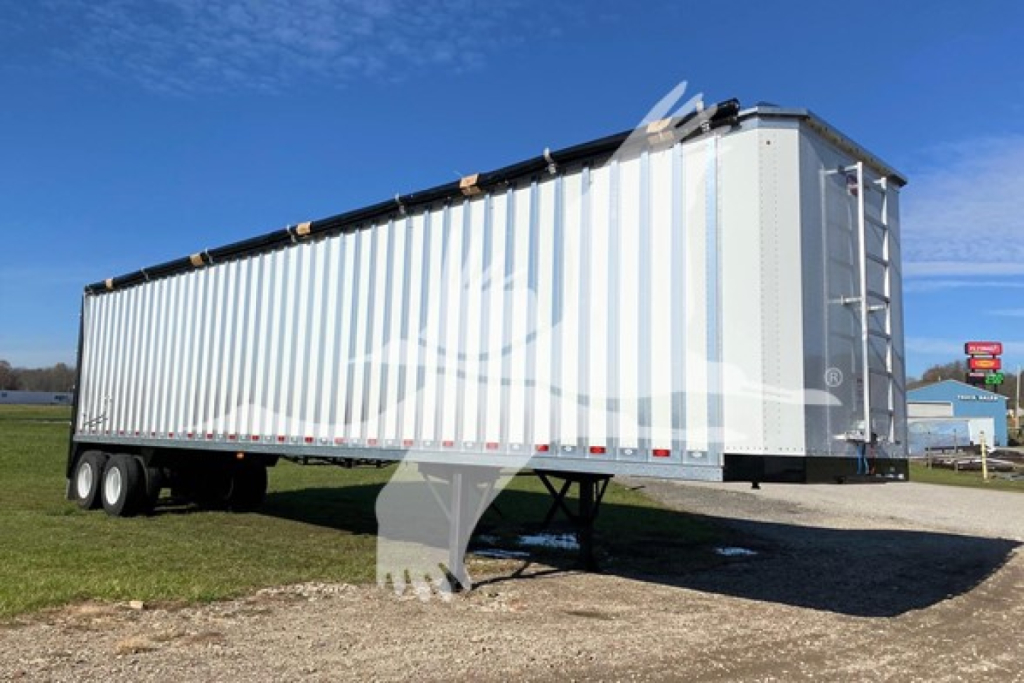
On Dorsey live floor trailers, buyers often focus first on floor system brand and body construction. Keith Walking Floor systems are widely recognized in the market, and deck thickness, slat design, hydraulic pressure, and flow requirements all matter if the trailer will see heavy daily cycles. In the sample specs here, the trailers are 45 feet long, 102 inches wide, and set up with smooth aluminum sides, aluminum substructure, and a 3/16-inch floor package. That combination keeps tare weight competitive while still giving the trailer the structural strength needed for bulk commodity work. Details like 12-inch crossmember spacing, a 5/16-inch upper coupler, and heavy rear push bumpers also matter for buyers who load hard with skid steers or work in rough yards.
Suspension and axle setup should match the route and payload profile. Tandem axle live floor trailers in this size range are a common fit for regional and highway operation, and spring ride suspensions such as Hutch setups remain popular for straightforward serviceability. Buyers should also review kingpin setting, axle spread, tire size, and rear suspension location because those dimensions affect bridge compliance, tractor matching, and weight distribution. Swing doors, tarp systems, bow height, and interior sidewall finish are not minor details on this type of trailer. They directly affect how cleanly the trailer unloads, how well it handles light material, and how much labor is involved at the jobsite.
For a buyer comparing new Dorsey live floor trailers for sale, the real questions are cycle durability, unload speed, empty weight, and application fit. A trailer hauling bark or municipal solid waste may need a different floor package than one moving feed ingredients or palletized product. Pay attention to hydraulic requirements such as PSI and GPM, rear door configuration, side thickness, and overall interior volume. A well-spec'd live floor trailer can cover more than one lane of business, which is why this category remains attractive for fleets and owner-operators looking for a bulk trailer with safer unloading and broader jobsite access than a traditional dump trailer.
Frequently Asked Questions
What is a live floor trailer used for?
A live floor trailer is used to haul and unload bulk materials without tipping the trailer body. Common applications include mulch, compost, sawdust, wood chips, scrap, recyclables, agricultural products, and some palletized freight. The moving floor slats convey material out the rear in a controlled manner, which makes this trailer type useful in buildings, under power lines, on soft ground, and at sites where a dump trailer could create stability or clearance problems.
What should I look at first when buying a new Dorsey walking floor trailer?
Start with the floor system, body material, and hydraulic requirements. The floor brand and slat package affect durability, repair cost, and unload performance. Aluminum construction helps reduce tare weight, but side thickness, crossmember spacing, and coupler strength still need to match the intended payload. It is also important to confirm the trailer's required hydraulic pressure and flow so it will work correctly with the tractor wet kit.
Are live floor trailers better than dump trailers for some jobs?
Yes. Live floor trailers are often a better choice when unloading conditions make dumping unsafe or impractical. They can unload inside buildings, in areas with low overhead clearance, and on ground that is too uneven for a raised body. They also allow metered unloading, which is helpful for spreading or controlled discharge. Dump trailers may still offer advantages in certain high-volume aggregate applications, but live floor trailers are usually more versatile across mixed bulk freight.
Why do kingpin setting and suspension location matter on a live floor trailer?
Kingpin setting and suspension location affect how weight transfers to the tractor and trailer axles. On a long bulk trailer, those dimensions influence bridge law compliance, turning characteristics, and payload distribution. If the trailer is mismatched to the tractor or the freight profile, it can be harder to scale legally or may not carry weight efficiently. Buyers running state-to-state should review these dimensions carefully before purchase.
What rear door and tarp features are common on live floor trailers?
Swing rear doors and arch-style tarp systems are common on live floor trailers because they support bulk loading and help manage light, loose material. A properly designed tarp with adequate bow rise improves weather protection and helps maintain cubic capacity. Rear door design also matters for unload speed, seal quality, and cleanup. For operations hauling mulch, waste, or recyclables, these features have a direct impact on daily productivity.