
Dorsey Live Floor Trailers For Sale
Shop Dorsey live floor trailers with specs buyers compare most: length, floor system, suspension, doors, tarp setup, and body construction.
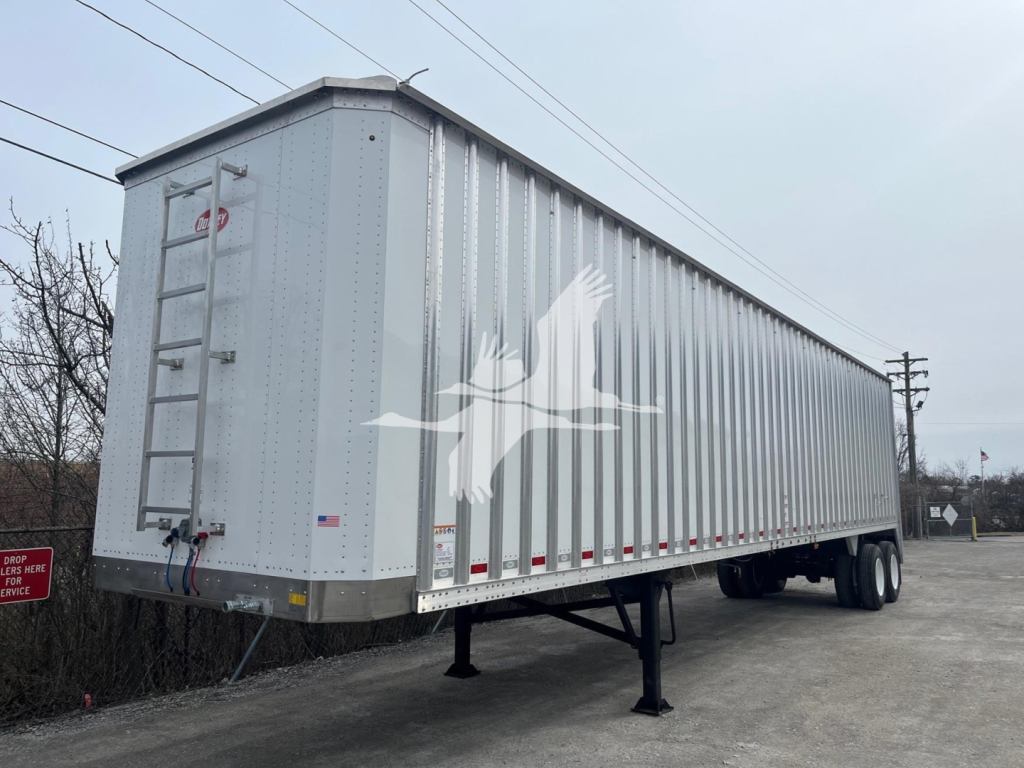
Selling a dorsey live floor trailer? List your dorsey live floor trailer for sale and reach thousands of commercial buyers.
Dorsey Live Floor Trailers
A typical Dorsey live floor trailer in this class runs about 45 to 46 feet long, with 97-inch or 102-inch width, tandem axles, and either air ride or spring ride suspension. Many are spec'd with aluminum sidewalls to keep tare weight down, with post-style or smooth-side construction depending on damage tolerance and cleanout preference. Floor systems often use recognized walking floor setups such as Hallco or similar moving slat designs, and buyers should pay close attention to floor type, slat thickness, drive unit condition, cycle speed, and service history. Kingpin setting, axle placement, and suspension spread also affect bridge compliance and how the trailer loads on the tractor.
Rear swing doors are common on Dorsey live floor trailers because they give full opening access and work well for bulk products that do not need metered side discharge. Tarp setup is another practical spec, especially on agricultural and mulch lanes where weather protection and load containment matter. Manual and electric roll tarps are both seen, often with bow systems and front and rear caps. Other details worth checking include crossmember spacing, scuff resistance inside the body, push bumper condition, landing gear strength, tire size, and whether the trailer has scales or other productivity options. On used units, floor chain timing, hydraulic function, door seal condition, and wear at the slat-to-subdeck interface deserve a close inspection.
Compared with a dump trailer, a live floor trailer trades some simplicity for safer unloading and better control over discharge rate. That makes it a strong fit for operations that deliver in confined areas, feed mills, transfer stations, or soft ground conditions. Dorsey trailers in this segment are generally selected by buyers who want a straightforward bulk hauler with the productivity of a moving floor and the versatility to handle seasonal commodity changes. The best spec depends on cargo density, unload environment, and how much importance you place on payload, floor durability, and maintenance access.
Frequently Asked Questions about Dorsey Live Floor Trailers
What is the main advantage of a Dorsey live floor trailer over a dump trailer?
A Dorsey live floor trailer unloads by moving the floor slats instead of raising the body, so it can discharge material while staying level. That is a major advantage in low-clearance areas, inside buildings, on uneven ground, and at sites where rollover risk is a concern. It also gives the operator more control over discharge speed and material flow, which is useful for feed, mulch, compost, and transfer work.
What specs matter most when comparing used Dorsey live floor trailers?
The key specs are trailer length, width, floor system brand and model, suspension type, rear door style, body material, kingpin setting, and axle location. Buyers should also look at slat condition, hydraulic system performance, floor timing, crossmember spacing, tire size, and overall tare weight. These details affect payload, unload performance, maintenance cost, and whether the trailer fits the lanes it will run.
Are Dorsey live floor trailers better for lightweight or heavy bulk materials?
They are most commonly used for lightweight to medium-density bulk materials such as wood chips, mulch, compost, silage, feed, and recyclables. Some can handle heavier commodities depending on the floor system rating, body build, and axle configuration, but payload drops as material density rises. Buyers should match the floor capacity and trailer construction to the commodity they haul most often, not just the occasional load.
What should I inspect on a used live floor system before buying?
Inspect the floor slats for wear, cracking, or impact damage, and check the subdeck and floor supports for signs of rubbing or distortion. Confirm the hydraulic drive operates smoothly through a full cycle and listen for irregular movement that may indicate timing or drive component issues. It is also important to inspect door seals, hinge condition, tarp function, landing gear, suspension wear, and any evidence of structural fatigue around the rear frame and body mounts.
Do suspension and door style make a big difference on a live floor trailer?
Yes. Air ride is often preferred for ride quality and cargo protection, while spring ride can be simpler and familiar in certain fleets. Rear swing doors are common because they provide a full opening for bulk discharge and easier access for inspection and cleanup. The right combination depends on your commodity, unload site, maintenance preferences, and how rough the operating environment is.