
New Landoll Trailers For Sale in Texas
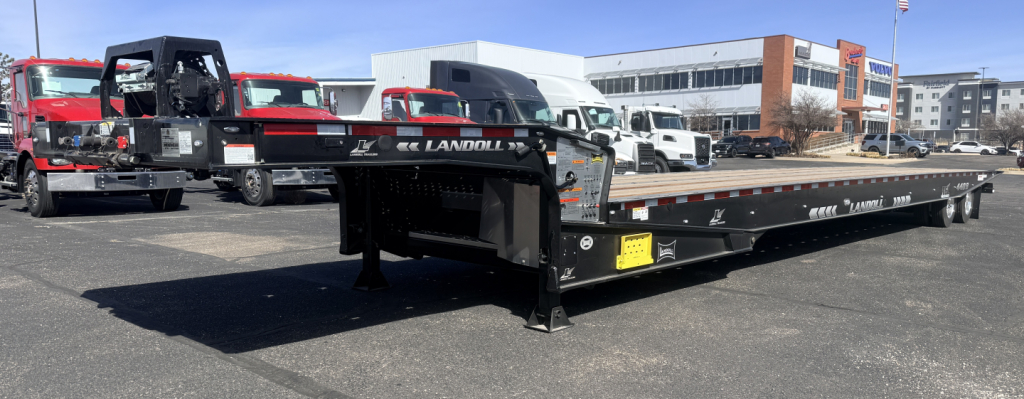
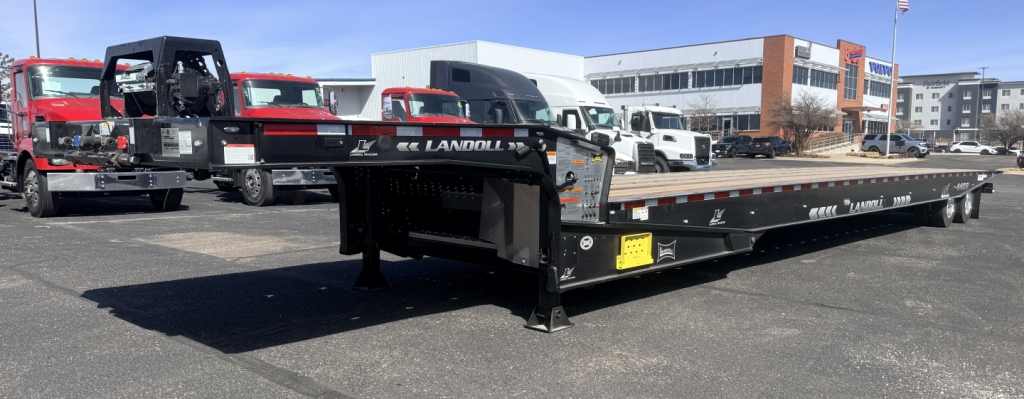
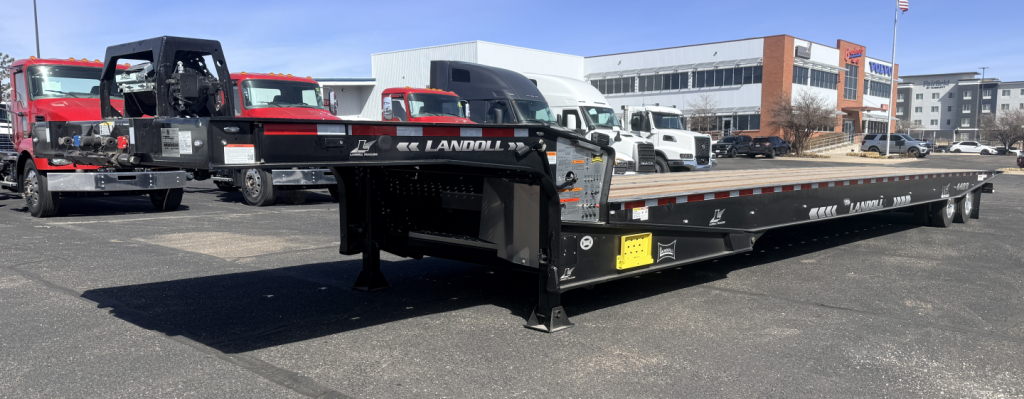
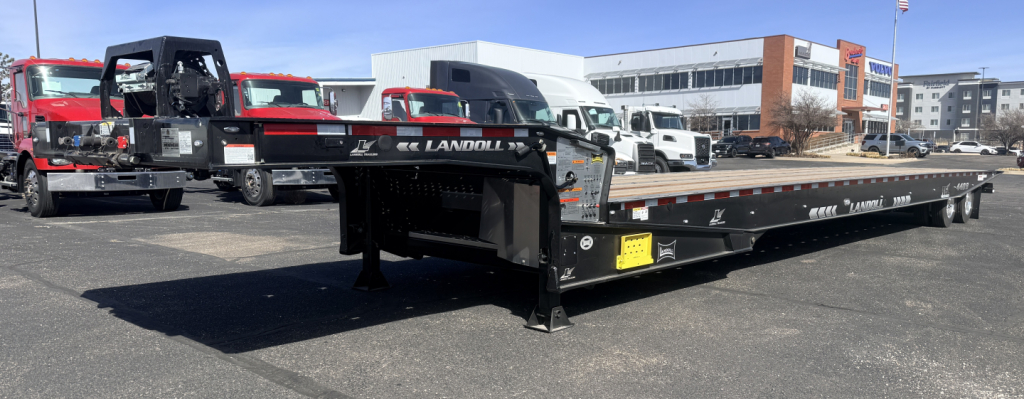
New Landoll trailers for sale in Texas, including traveling axle and heavy-haul models built for equipment transport and low load angles.
Learn more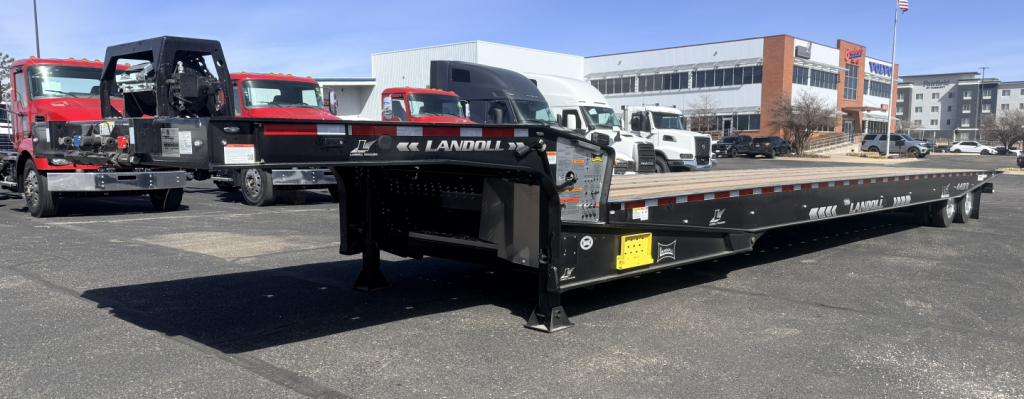
Showing 13 to 17 of 17 results
Have new landoll trailer to sell? List it here to reach thousands of buyers.
About New Landoll Trailers in Texas
Two specs tend to drive the buying decision first: capacity and deck configuration. Buyers typically compare gross capacity, concentrated load rating over a set deck length, loaded deck height, and tail or approach angle. A 40-ton slide axle trailer and a 70,000 lb. class traveling axle trailer may both fit the same fleet on paper, but they serve different freight profiles. The lighter setup can be ideal for day-to-day contractor equipment, while the heavier trailer gives more margin for larger iron and more demanding point loads. Upper deck length, lower deck length, kingpin setting, swing clearance, and tail length also matter if the trailer will be paired with a specific tractor wheelbase or used in tighter Texas jobsites.
Landoll trailers are often equipped with features that directly affect uptime and ease of use, not just capacity. Common options include hydraulic tilt or traveling axle functions, wireless remote controls, winches in the 20,000 lb. range, chain slots, keyhole tie-downs, toolboxes, traction plates, LED work lights, and air ride suspension with dump valves. Buyers should also pay attention to axle count and axle ratings, tire size, loaded deck height, and tire support systems such as PSI tire inflation. Deck material matters too. Apitong decking remains popular for equipment trailers because it handles repeated machine loading well and gives good service life when maintained properly.
For Texas buyers, it makes sense to evaluate these trailers around route permits, bridge law exposure, and the kinds of machines hauled most often. A trailer that loads easily in the field but gives away too much deck space or axle flexibility can become limiting fast. The best Landoll setup is usually the one that matches your heaviest routine load, your tractor dimensions, and your preferred loading method without adding unnecessary trailer weight or complexity. If the work centers on frequent equipment moves with varied machine lengths and weights, a new Landoll trailer can offer a strong balance of operator convenience, load security, and heavy-haul durability.
Frequently Asked Questions
What is a Landoll trailer commonly used for?
A Landoll trailer is typically used for hauling construction equipment, agricultural machinery, utility equipment, and other wheeled or tracked loads that benefit from a low load angle. Traveling axle and tilt-style Landoll designs are especially useful when operators need to load machines quickly without a detachable gooseneck or separate ramps. They are popular with contractors, rental fleets, heavy-haul carriers, and municipal operations.
What specs matter most when buying a new Landoll trailer?
The most important specs are capacity, deck rating, loaded deck height, load angle, axle configuration, and usable deck length. Buyers should also verify kingpin setting, swing clearance, tail length, and suspension type to make sure the trailer matches the intended tractor and the freight it will carry. For equipment hauling, concentrated load rating over part of the deck can be just as important as the trailer's overall capacity.
What is the difference between a slide axle Landoll and a traveling axle Landoll?
A slide axle Landoll moves the axle assembly to help lower the rear of the deck for loading, while a traveling axle design shifts the axle group under the trailer to create a shallow loading angle and a long usable deck. Both are built to simplify loading heavy equipment, but the exact deck geometry, weight distribution, and loading behavior differ by model. The right choice depends on the types of machines hauled, expected deck loads, and how often the trailer is loaded on uneven ground.
Are features like a winch, wireless remote, and tire inflation system worth it on a Landoll trailer?
For many operations, those features are worth the cost because they improve loading efficiency and reduce downtime. A winch helps with disabled or non-running equipment, a wireless remote gives the operator better control and visibility during loading, and a tire inflation system can extend tire life and help maintain proper pressure across multiple axles. On a trailer that sees frequent use, these options can improve safety and day-to-day productivity.
Why are Landoll trailers popular in Texas?
Landoll trailers fit many Texas hauling demands because they handle frequent equipment moves across long highway stretches, rough job entrances, and varied machine sizes. Their low loading angles and heavy deck designs work well for construction, oilfield support, roadbuilding, and agricultural applications. Texas buyers also tend to value durable suspension, reliable lighting, and strong tie-down layouts because trailers often run hard in heat, dust, and mixed road conditions.