
New Landoll Trailers For Sale
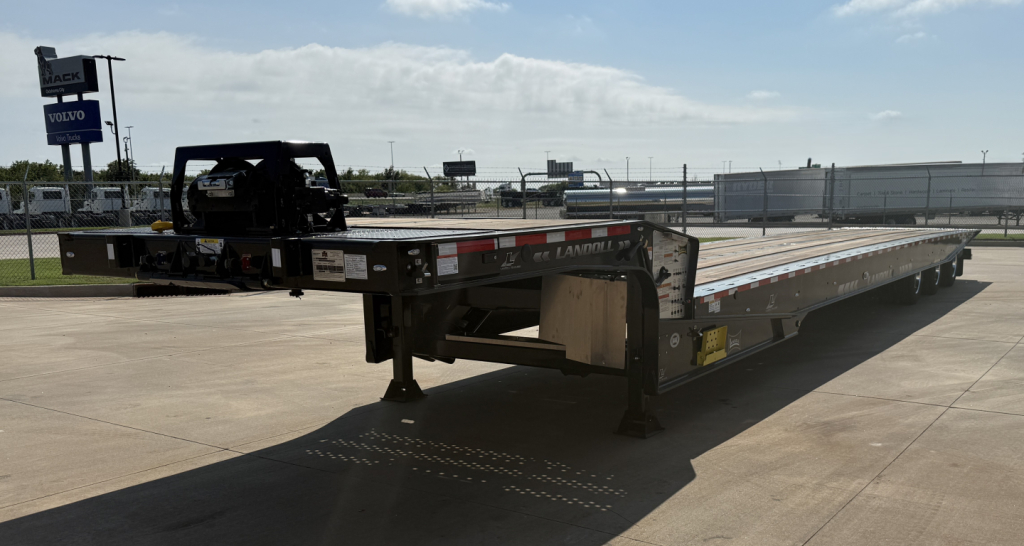
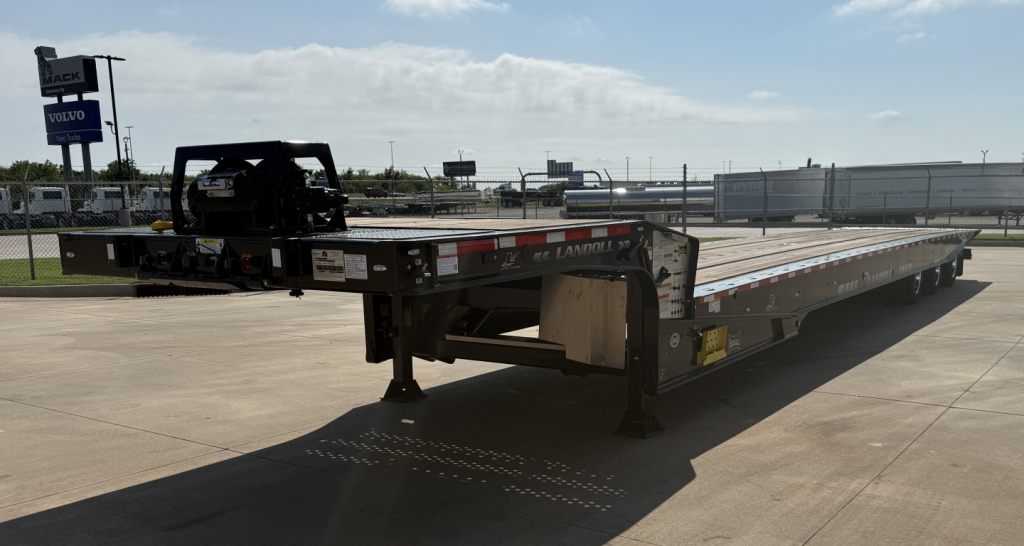
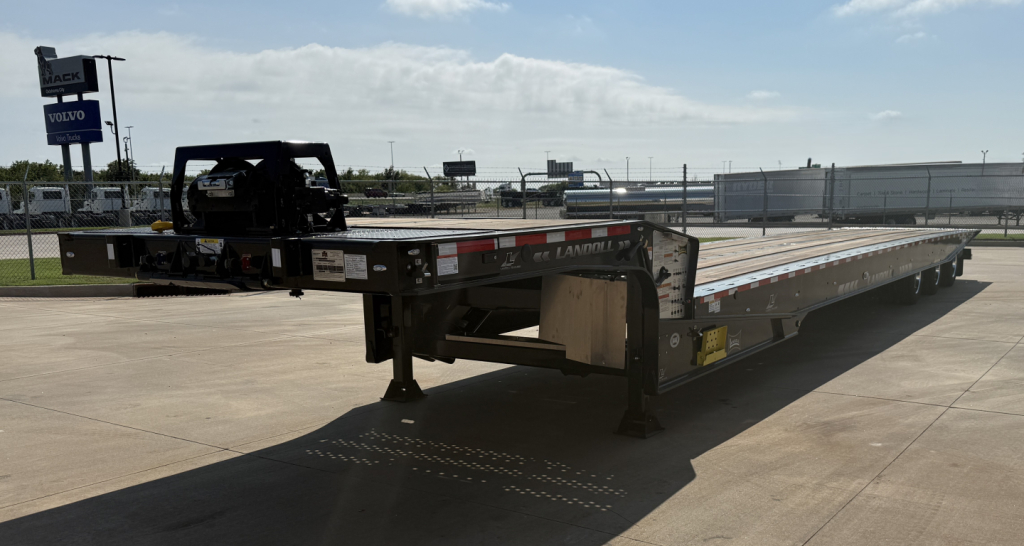
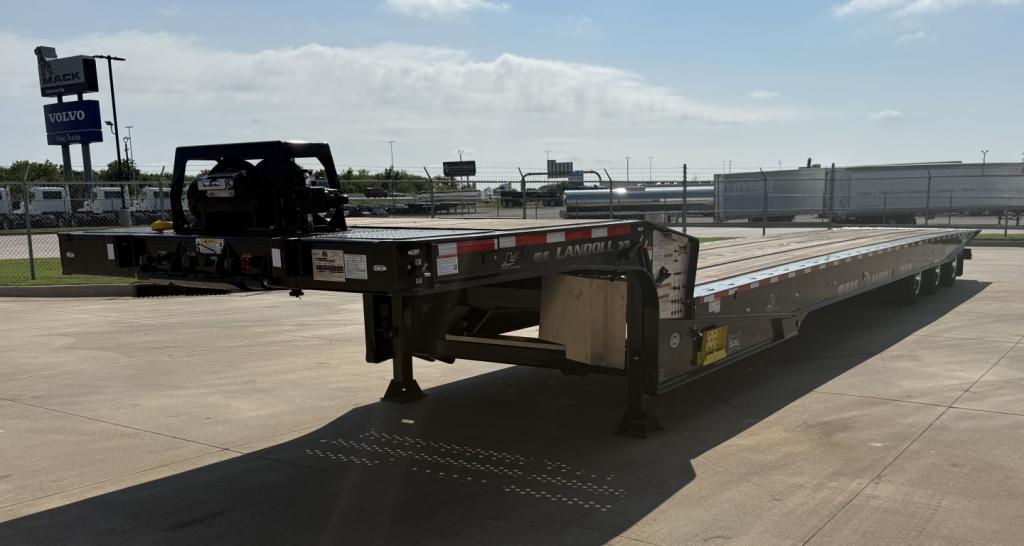
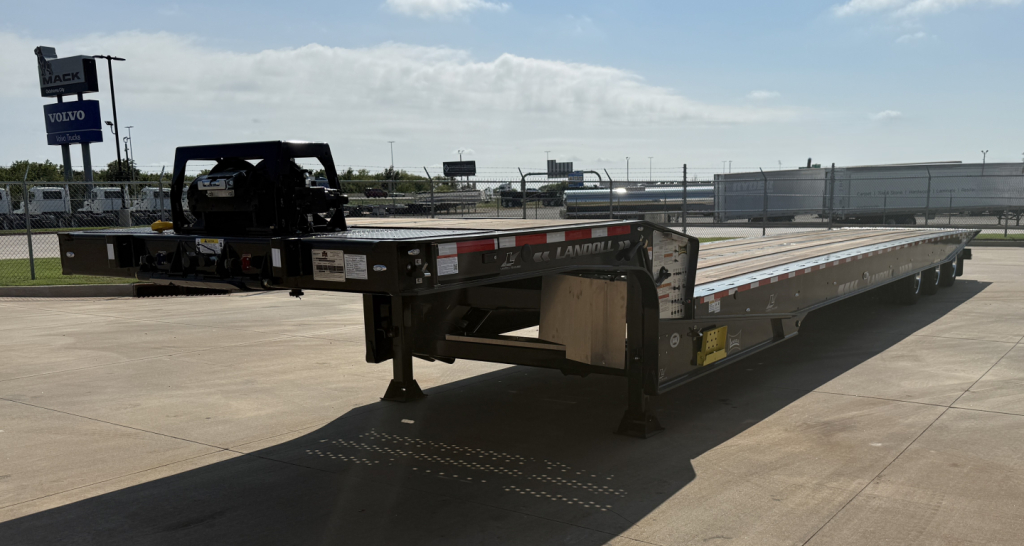
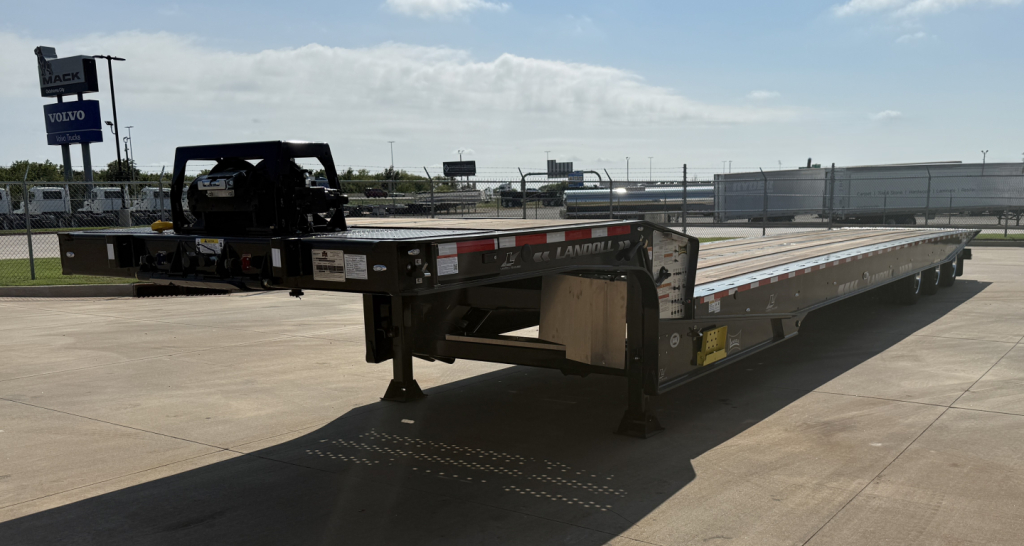
Shop new Landoll trailers including traveling axle and lowboy models with hydraulic tilt, air ride suspension, and heavy equipment hauling capacity.
Selling a new landoll trailer? List your new landoll trailer for sale and reach thousands of commercial buyers.
New Landoll Trailers
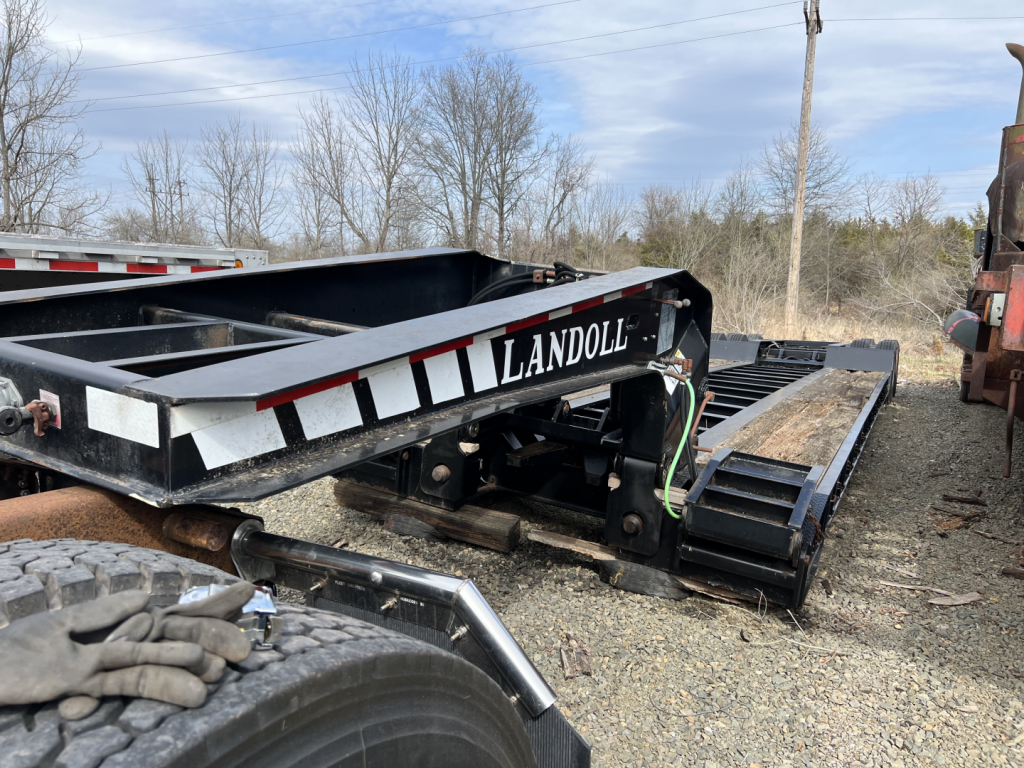
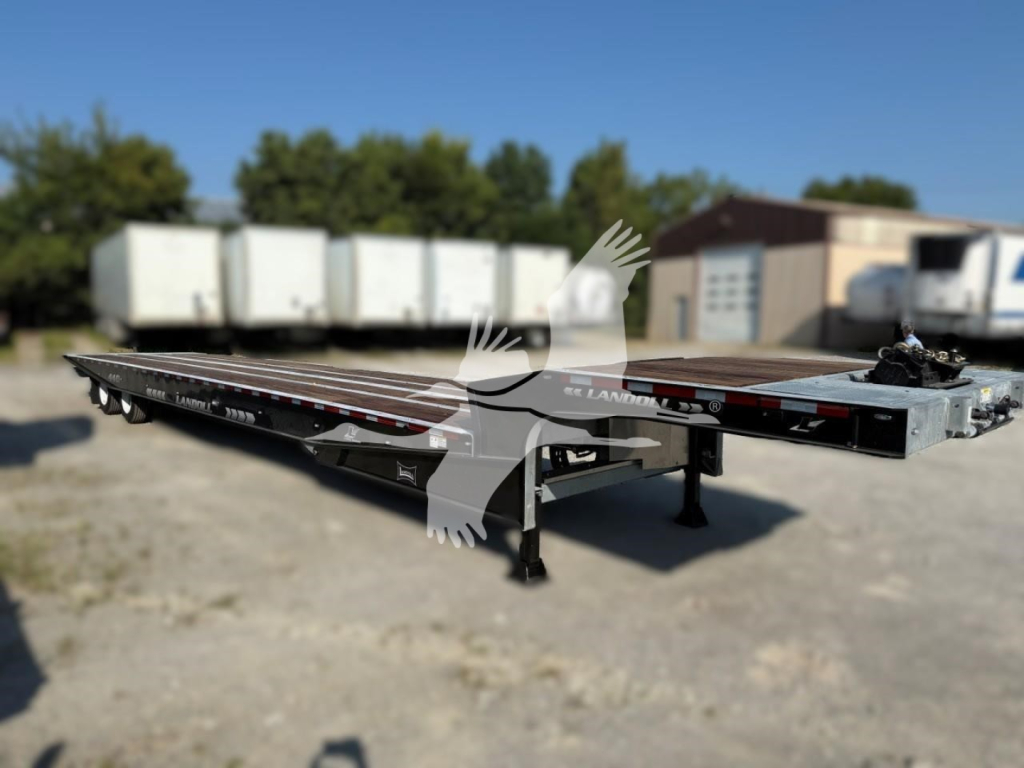
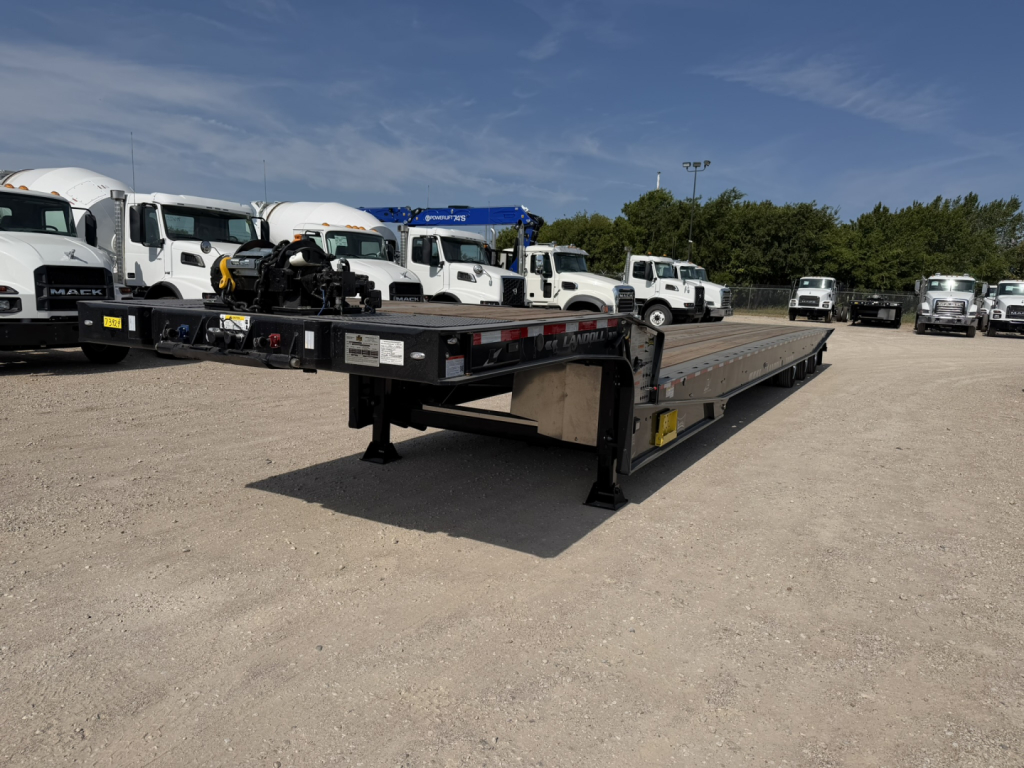
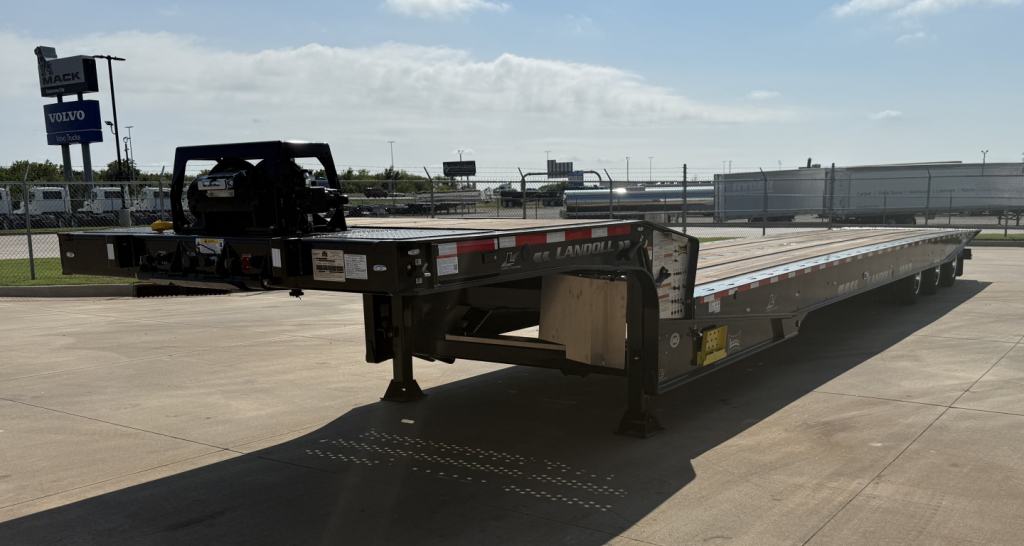
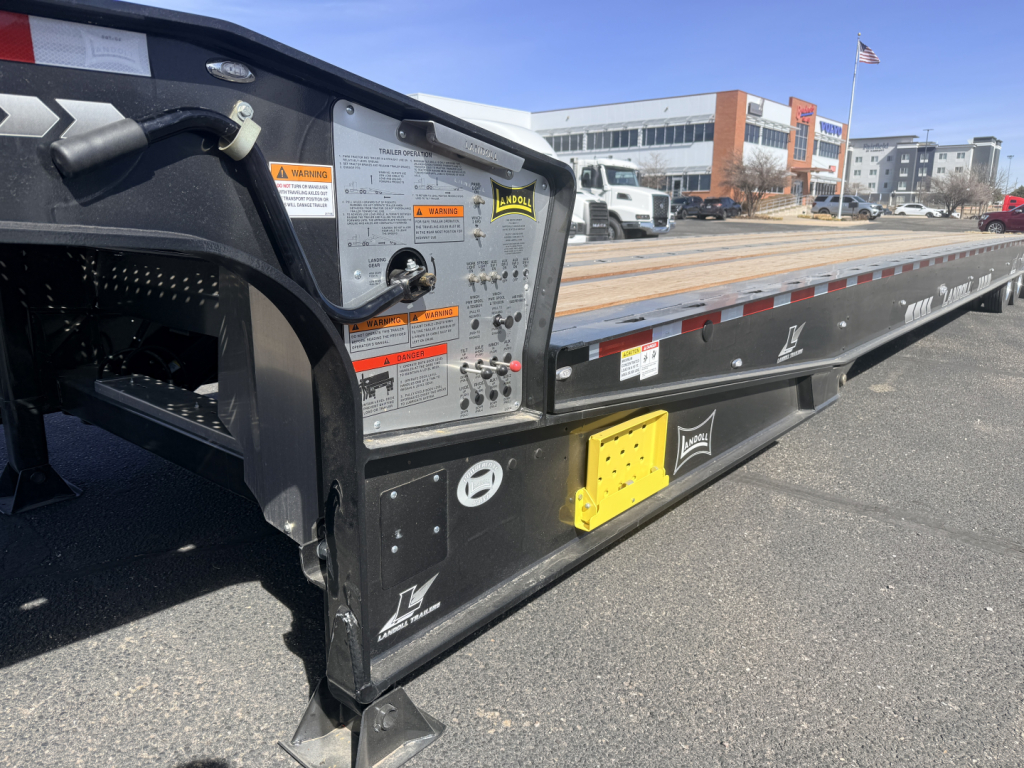
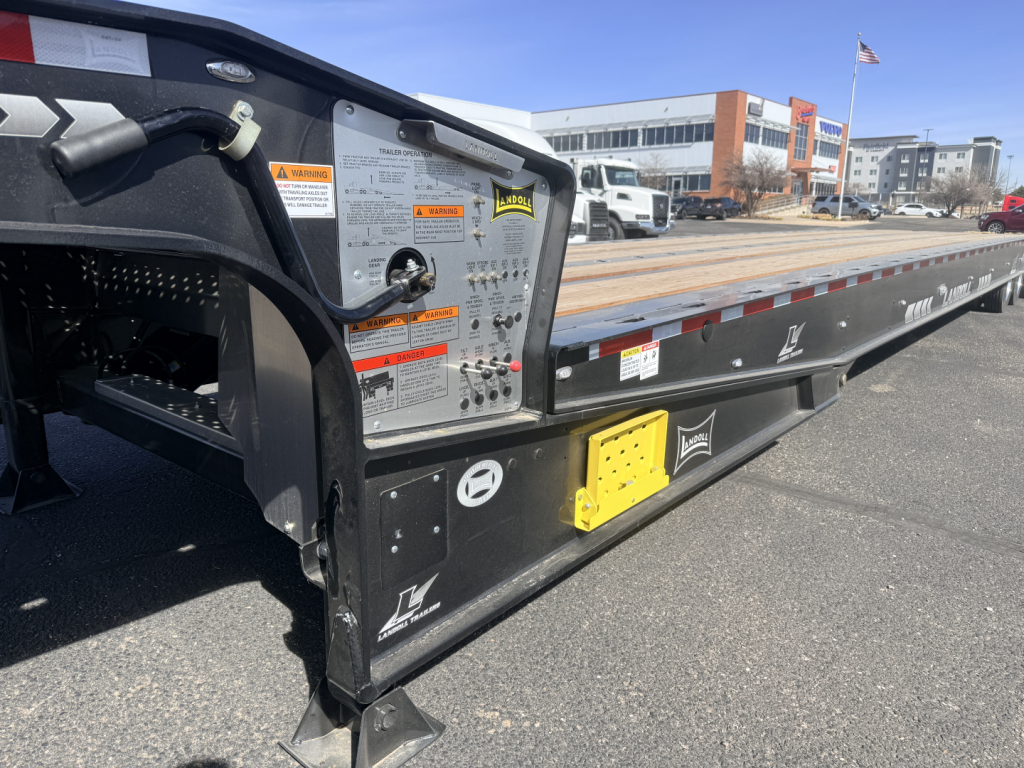
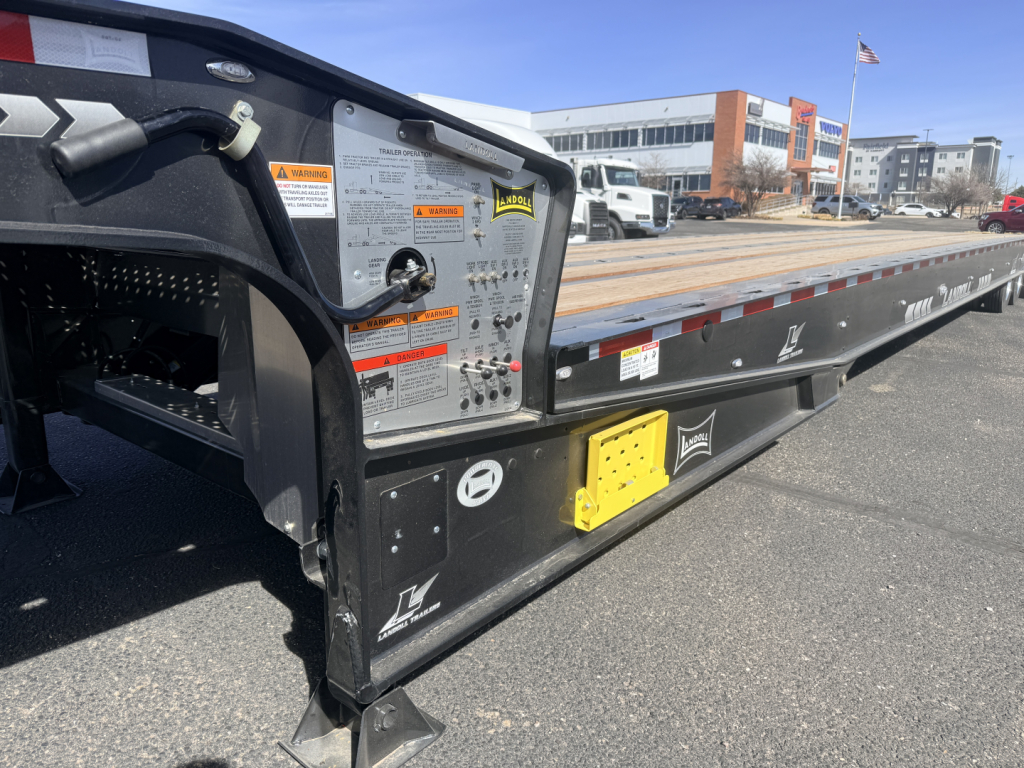
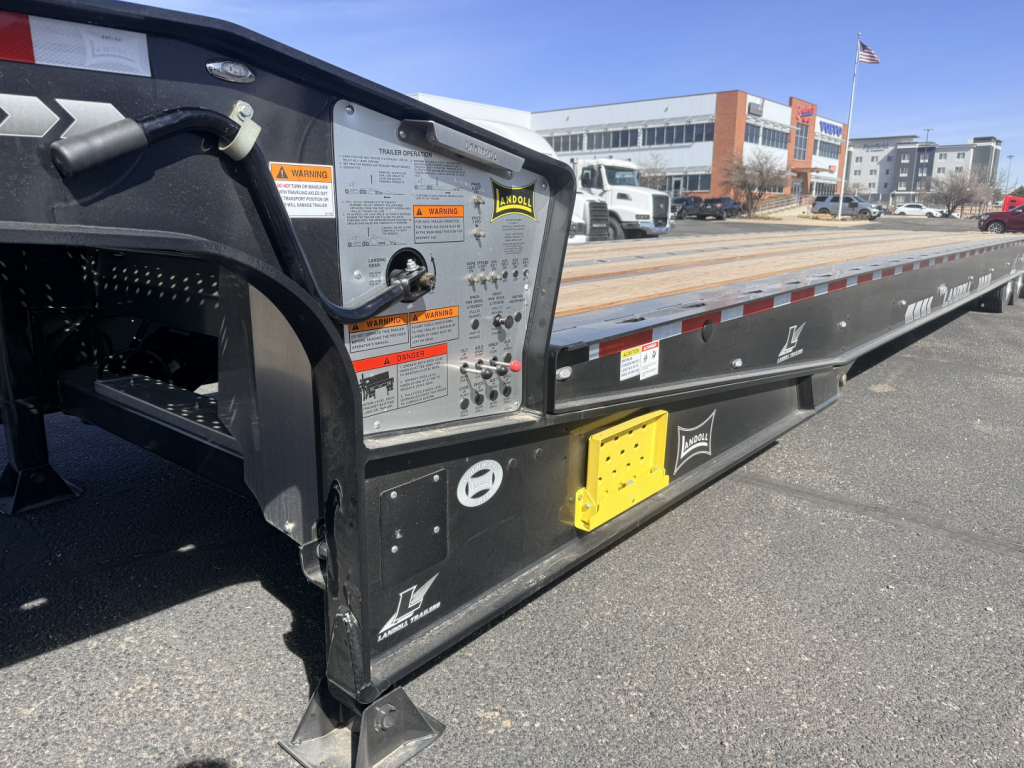
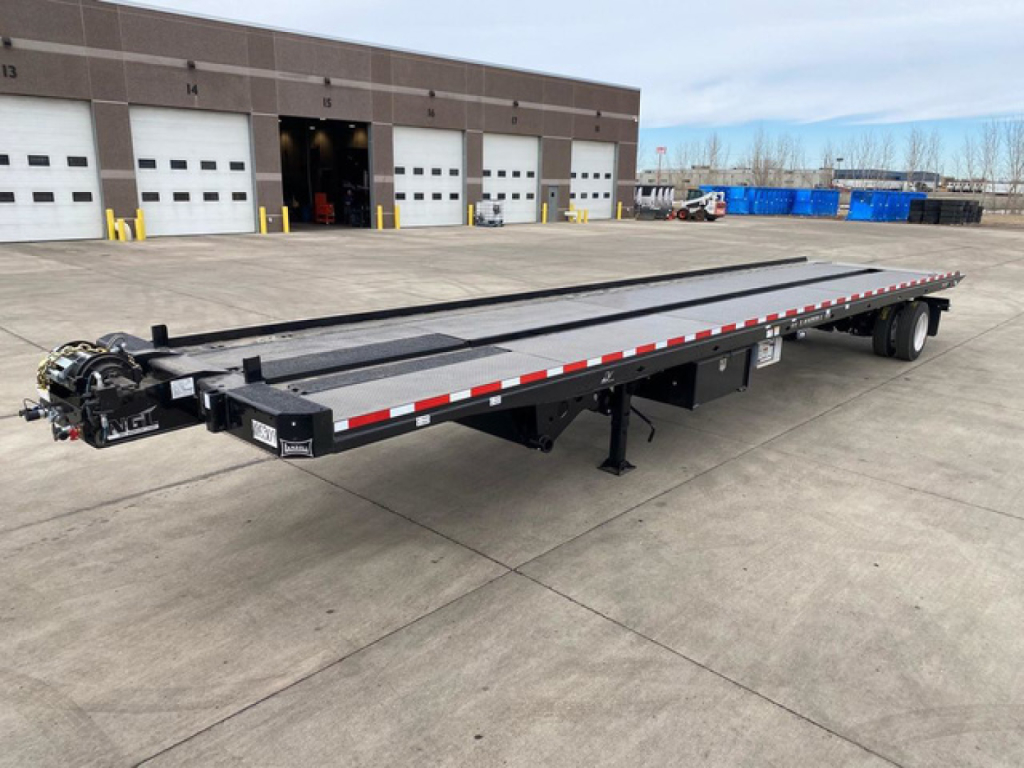
Across the Landoll lineup, common specs include 50 to 53 foot overall lengths, 102 inch width, tandem axle configurations, and air ride suspension with capacities that often land in the 35 ton to 40 ton class. Main deck heights are typically kept low, often around the high 30 inch range, to improve stability and make loading easier. Hydraulic tails, front air ramps, and traveling axle systems are key design points because they directly affect load angle and ground transition. Buyers should pay close attention to top deck length, lower deck length, tail length, kingpin setting, swing clearance, and deck rating in a concentrated area such as 10 feet. Those measurements matter as much as gross capacity when you are matching the trailer to specific machines.
Landoll trailers are also known for practical equipment spec choices that hold up in daily fleet use. Apitong wood decking is common for durability and traction, while chain slots, double keyhole tie-downs, and flush-mounted securement points help with flexible load positioning. Hydraulic winches in the 20,000 lb range, wireless remotes, quick hydraulic couplers, centralized grease systems, LED lighting, strobe packages, and lockable toolboxes are all options buyers regularly look for. Tire and wheel setups often use 17.5 inch rubber on tandem air ride suspensions, though some models may be spec'd with 22.5 inch tires depending on application. Galvanized finishes or galvanized components are worth noting for fleets running in rust-belt conditions or heavy winter road salt exposure.
The best new Landoll trailer is the one matched to your freight mix, loading environment, and tractor setup. A contractor hauling mixed compact and mid-size equipment may prioritize a hydraulic tail and lower deck height, while a fleet moving heavier iron may focus on concentrated load ratings, underframe strength, and axle travel geometry. If the trailer will see urban job sites, overall length, turning clearance, and rear approach become more important. If it will spend most of its life on highway runs between dealers or rental yards, suspension quality, deck layout, and corrosion protection tend to drive long-term value. On this category, buyers should compare capacity, load angle, hydraulic package, tail configuration, and securement layout before narrowing down by model number alone.
Frequently Asked Questions about New Landoll Trailers
What is a Landoll traveling axle trailer used for?
A Landoll traveling axle trailer is used to load and haul heavy equipment with a low loading angle and minimal need for external ramps. The axle assembly moves to change the deck angle, which helps load pavers, rollers, skid steers, forklifts, tractors, and similar machinery more safely and efficiently. This design is especially useful for fleets that load in the field, on uneven ground, or at jobsites where a dock is not available.
What should I compare first when shopping for a new Landoll trailer?
Start with the trailer's real working fit for your equipment, not just the overall ton rating. Compare lower deck length, loaded deck height, load angle, tail length, concentrated deck rating, and swing clearance. Then look at axle configuration, suspension, hydraulic system, and securement layout. A trailer with the right geometry for your machine footprint will usually perform better in daily use than one chosen only by maximum advertised capacity.
Are Landoll trailers good for tracked equipment and construction machinery?
Yes. Landoll trailers are widely used for tracked and wheeled construction equipment because their low deck height and hydraulic loading design reduce loading stress and improve machine transition onto the deck. Buyers hauling tracked equipment should pay close attention to deck material, traction plates, tail design, and the placement of chain slots or tie-downs. Those details affect both loading confidence and securement efficiency.
Why do many new Landoll trailers use Apitong decking and air ride suspension?
Apitong decking is popular because it is durable, handles concentrated equipment loads well, and provides dependable traction in work conditions. Air ride suspension is common because it improves ride quality, helps protect the trailer and cargo from shock, and can assist with load stability compared with harsher suspension setups. Together, those two specs support the kind of repeated equipment hauling Landoll trailers are built for.
What is the difference between a Landoll traveling axle and a lowboy trailer?
A Landoll traveling axle trailer uses a hydraulic sliding axle or tilt-style loading system to create a shallow load angle and easier self-loading. A lowboy trailer typically uses a fixed low deck or detachable gooseneck design to carry taller or heavier machinery with very low overall deck height. The better choice depends on what you haul most often, how frequently you load and unload, and whether speed of loading or maximum heavy-haul configuration matters more to your operation.