
New Landoll Lowboy Trailers For Sale
Shop new Landoll lowboy trailers built for heavy equipment hauling, with slide axle designs, low load angles, strong deck ratings, and durable specs.
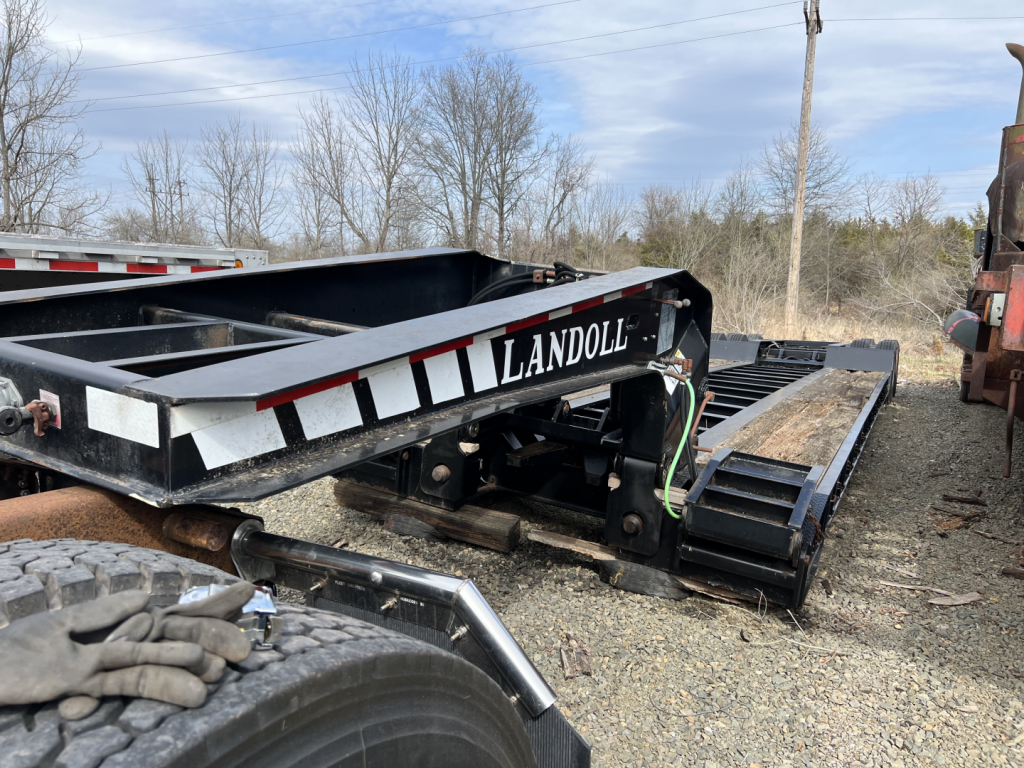
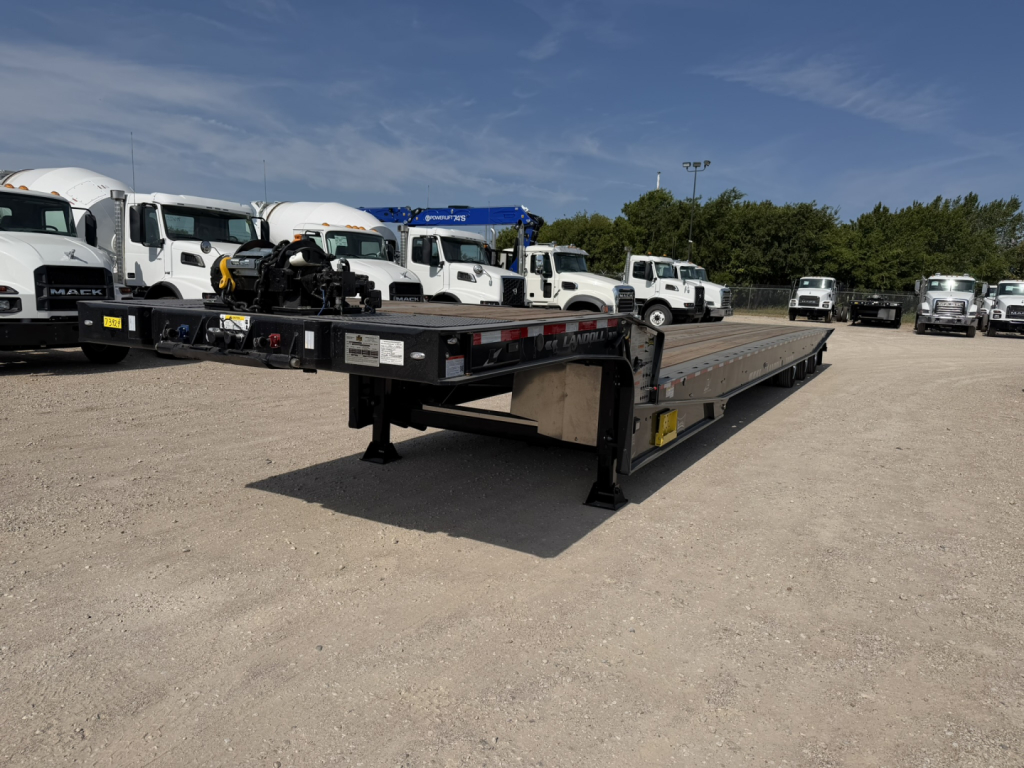
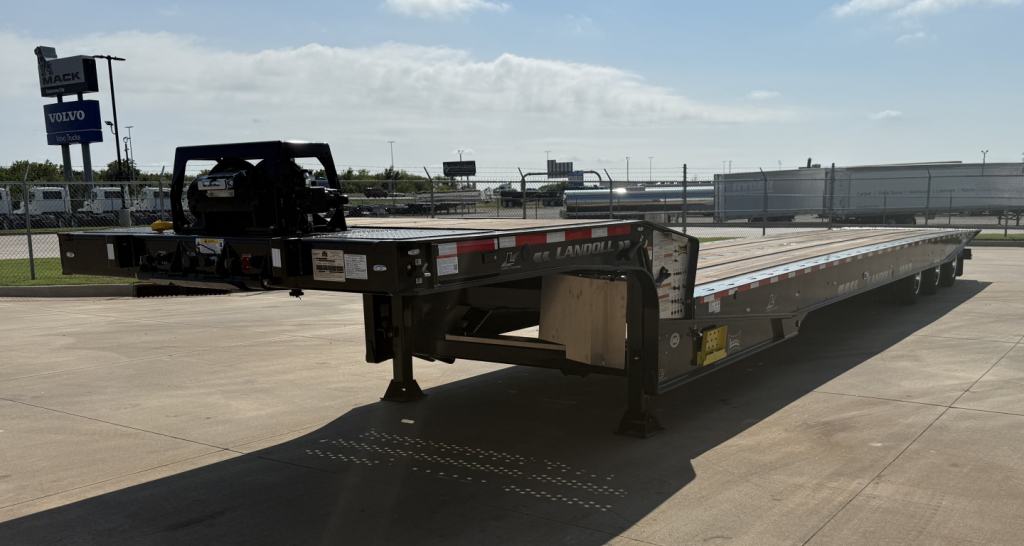
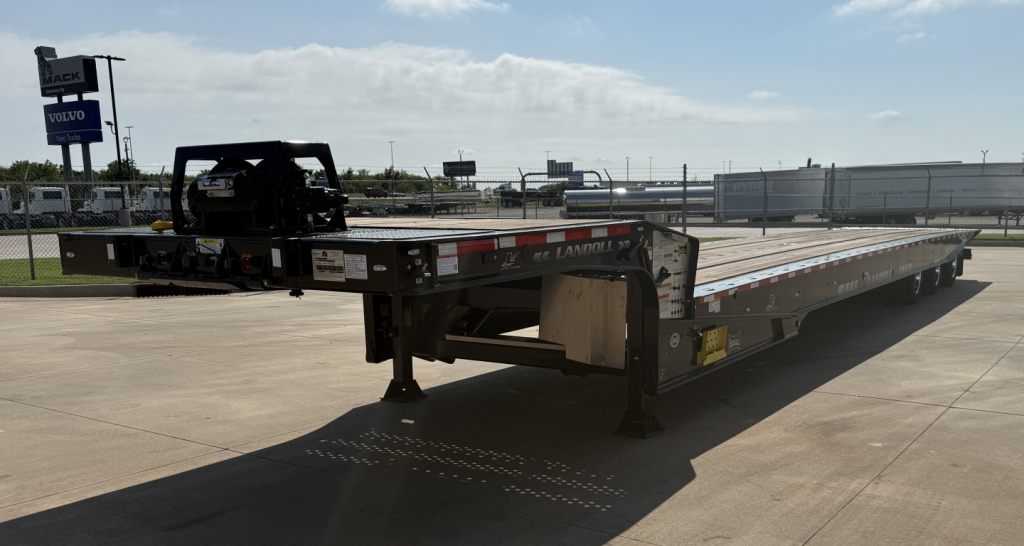
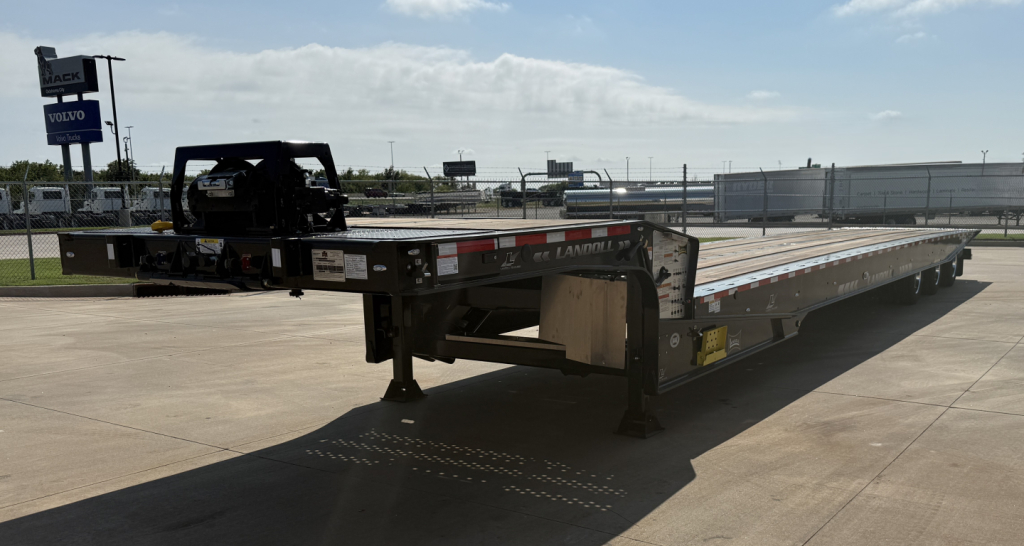
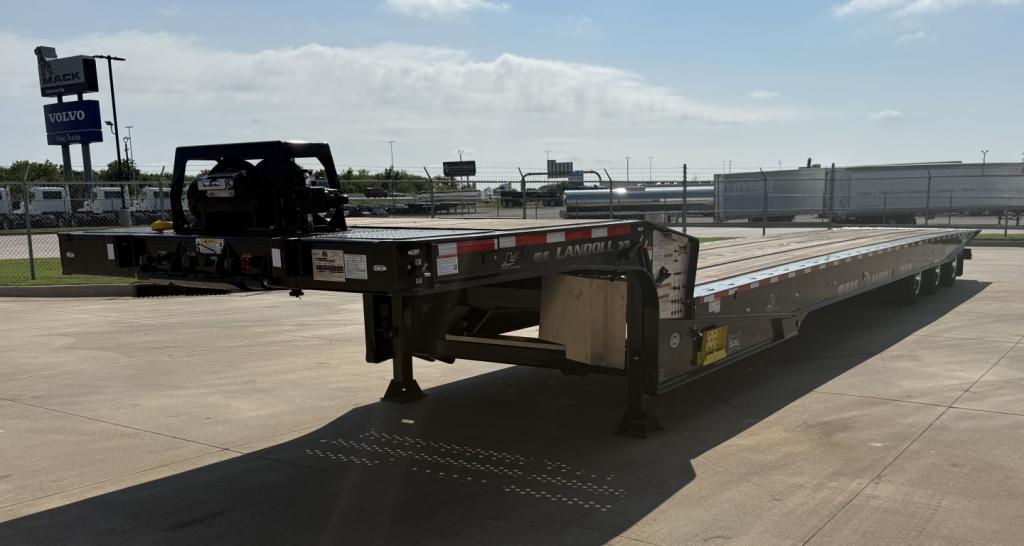
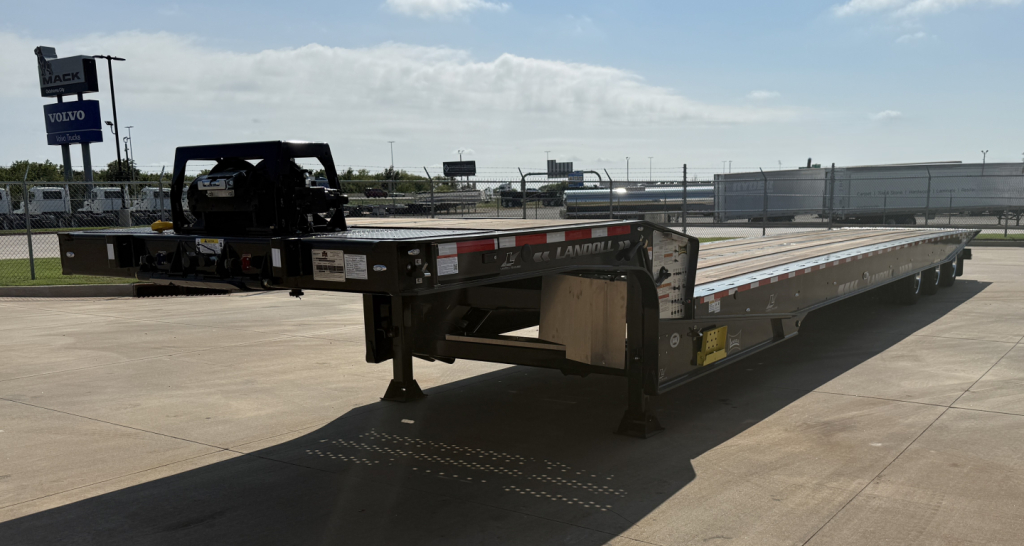
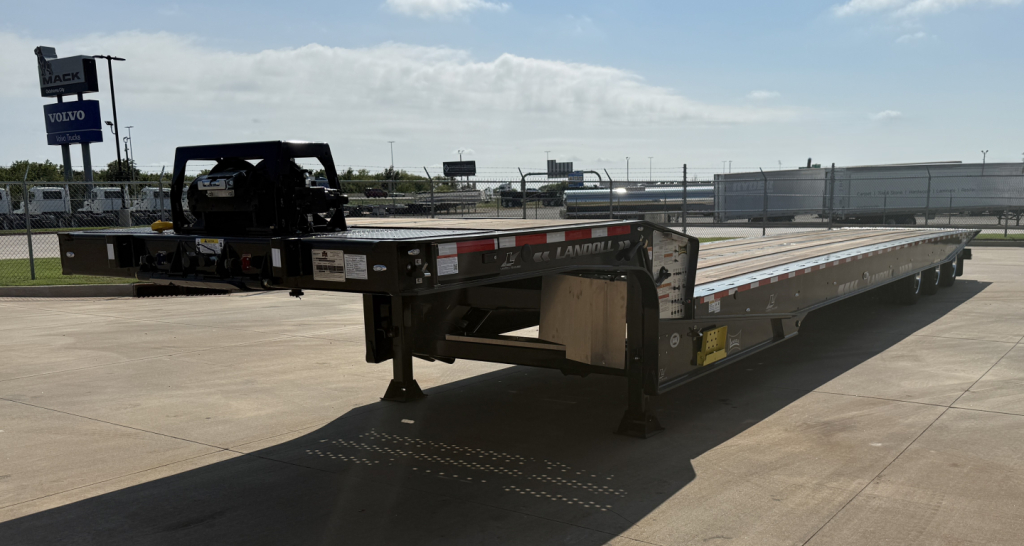
2027 Landoll 455B-53 - 55 Ton Traveling Axle
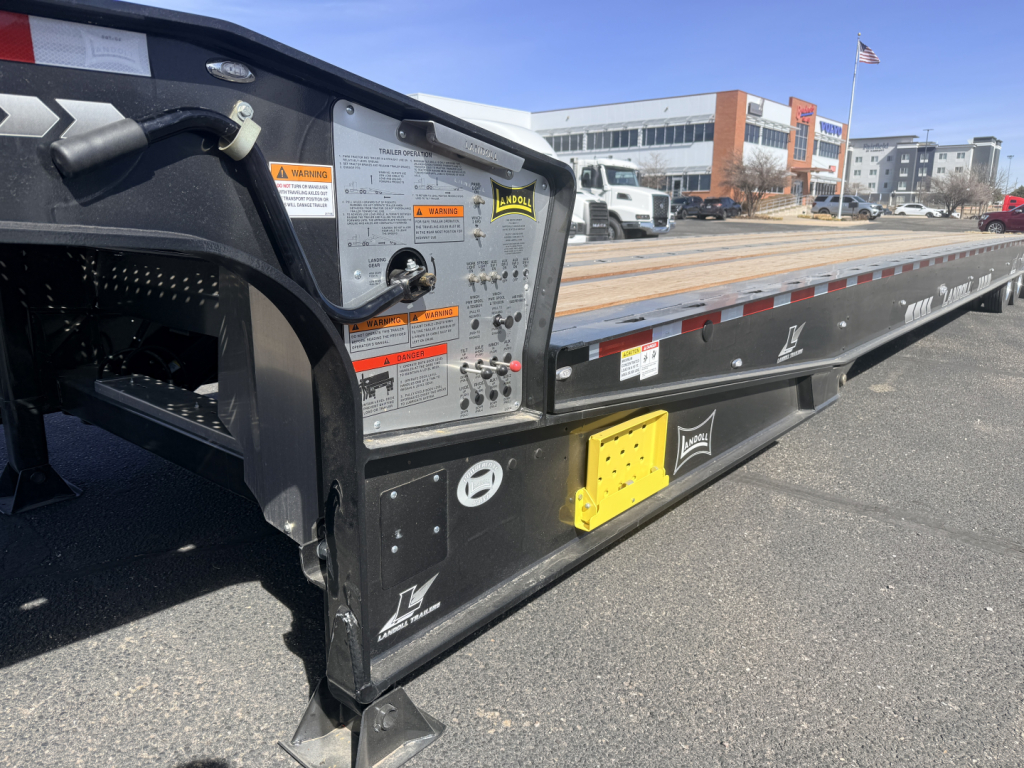
2027 Landoll 440B-53 - 40 Ton Traveling Axle
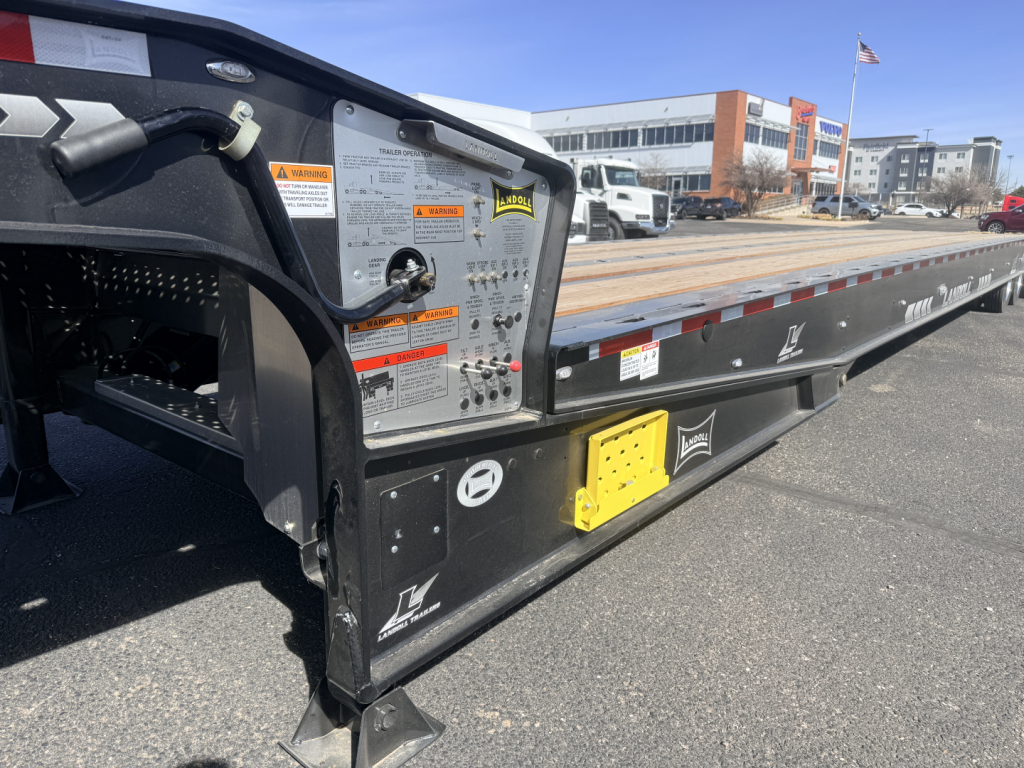
2027 Landoll 440B-53 - 40 Ton Traveling Axle
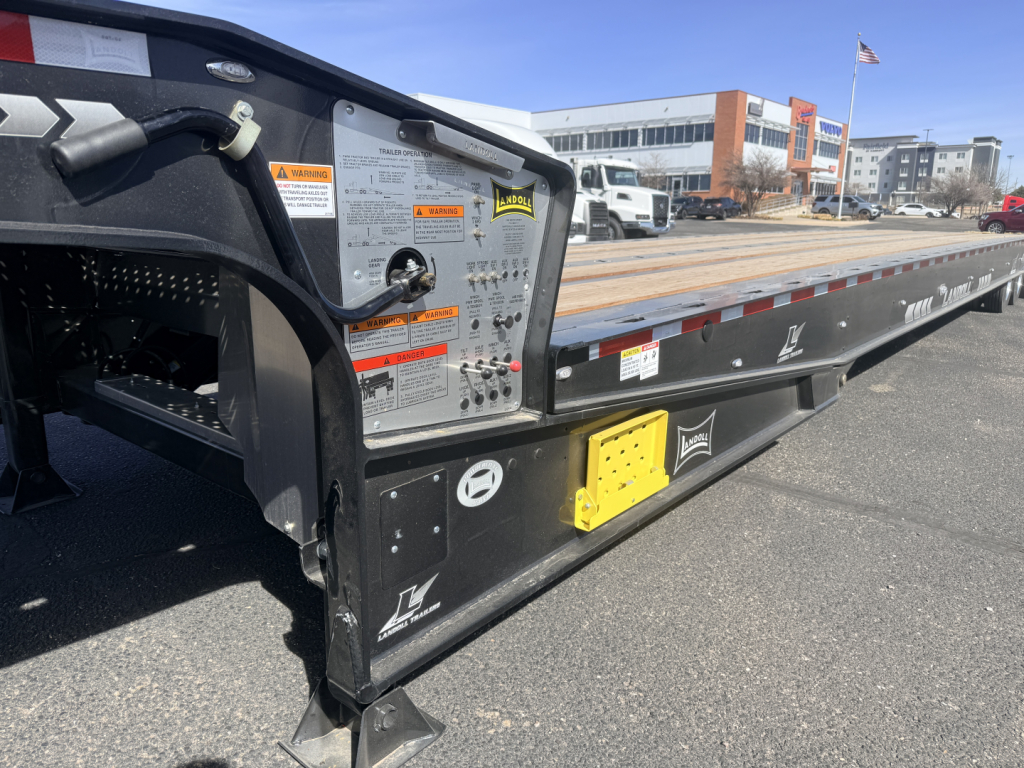
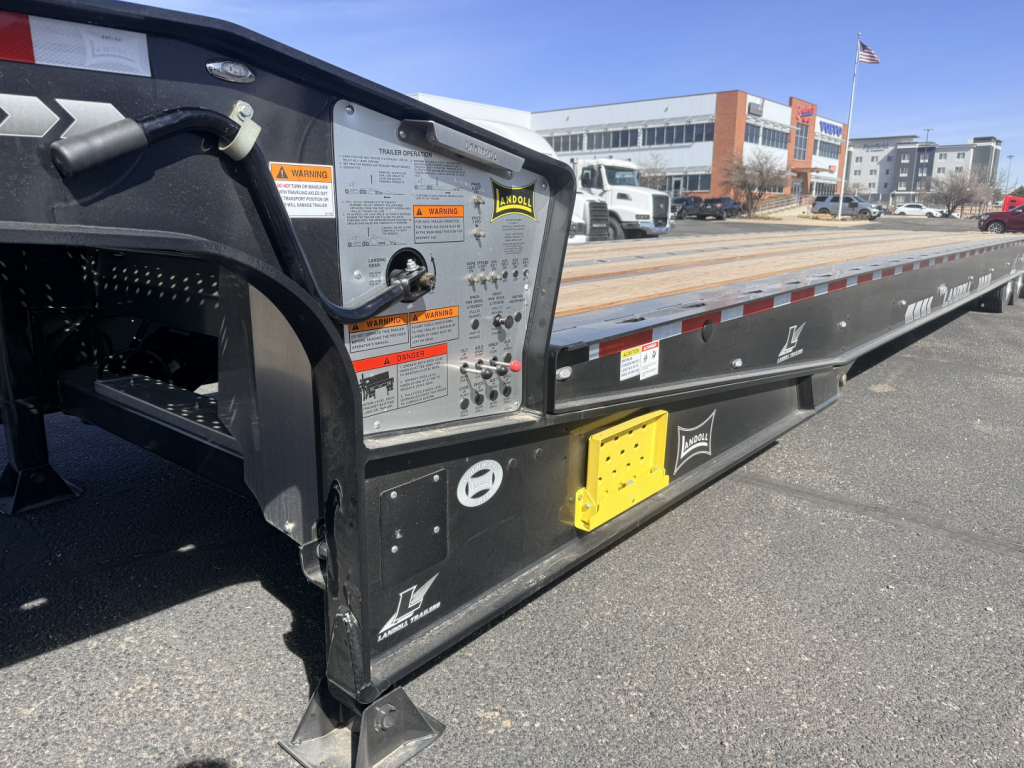
Selling a new landoll lowboy trailer? List your new landoll lowboy trailer for sale and reach thousands of commercial buyers.
New Landoll Lowboy Trailers
Capacity, deck length, and loaded deck height are the first specs to sort out. Common configurations include 40-ton class trailers, often with deck ratings around 50,000 pounds concentrated in 10 feet, along with overall lengths in the 50-foot range and legal widths of 102 inches. Buyers should pay close attention to the upper deck length, lower deck usable space, axle spread, and how the trailer balances heavier machines. On Landoll models, suspension type, air ride settings, and axle travel all affect ride quality, loading geometry, and ease of operation. Features like outriggers, keyhole chain slots, winches, toolboxes, and wireless remote functions can make a major difference in daily jobsite use.
Trailer construction details matter just as much as rated capacity. Many Landoll lowboys use apitong wood decking, heavy-duty crossmember construction, LED lighting, and robust tie-down systems designed for repetitive loading cycles. Tire package, wheel spec, hub style, landing gear, and tire inflation systems are worth reviewing closely, especially for fleets trying to reduce roadside downtime. Buyers hauling mixed equipment should also consider deck height under load, rear approach, ramp or tail configuration, and whether optional items such as work lights, strobes, container skid plates, and onboard scales add value to the operation.
For a buyer comparing new Landoll lowboy trailers, the real question is how the trailer fits the freight and the loading environment. A lower load angle helps on machines with poor breakover, while the right deck rating and securement layout support denser equipment without overstressing the platform. Landoll has long been associated with the traveling axle trailer segment, sometimes referred to as a sliding axle equipment trailer, and that design remains popular with contractors, rental fleets, municipalities, and specialized haulers who need one trailer to handle a wide range of equipment safely and efficiently.
Frequently Asked Questions about New Landoll Lowboy Trailers
What is the main advantage of a Landoll lowboy or traveling axle trailer?
The main advantage is the low loading angle created by the sliding or traveling axle design. That allows many machines to be loaded more easily than on a conventional fixed-neck trailer, especially equipment with low ground clearance or limited approach angle. It can reduce loading time, minimize the chance of dragging attachments or frame components, and improve safety when moving machines on and off the deck in field conditions.
How do I choose the right capacity on a new Landoll lowboy trailer?
Start with the heaviest machine you expect to haul, then look beyond gross capacity and study deck rating, axle rating, and weight concentration limits. A trailer advertised as a 40-ton unit may also specify a concentrated load rating in a certain section of deck, such as 50,000 pounds in 10 feet. That matters because equipment weight is not distributed evenly. Buyers should also account for attachments, buckets, fuel, and legal axle requirements in the states where the trailer will run.
What specs matter most when comparing Landoll lowboy listings?
The most important specs are overall length, usable deck length, loaded deck height, load angle, axle configuration, suspension type, and securement layout. For many buyers, practical features are just as important as headline capacity. Winches, outriggers, keyhole tie-downs, PSI tire inflation systems, work lights, remote controls, and toolbox space all affect how useful the trailer is in daily service. Tire size, wheel material, and deck material also influence maintenance costs and long-term durability.
Are Landoll lowboys mainly used for construction equipment?
Construction equipment is one of the most common applications, but it is not the only one. These trailers are also used for agricultural equipment, industrial machinery, utility support equipment, rental fleets, and municipal applications. Their loading design makes them a good fit for operations that move different machine types throughout the week rather than hauling one identical piece of equipment every day.
Is deck height important on a lowboy trailer?
Yes. Deck height affects overall loaded height, center of gravity, and how easily equipment can be loaded. A lower loaded deck height can help with bridge clearance and machine stability, but buyers also need to consider suspension travel, tire size, and the type of equipment being hauled. In real-world use, deck height works together with load angle and deck length, so it should be evaluated as part of the full trailer layout rather than as a standalone number.