
Used 2020 Hyundai Trailers For Sale
Browse used 2020 Hyundai trailers for sale, including popular 53-foot dry van configurations with tandem slides, logistics posts, and aero options.
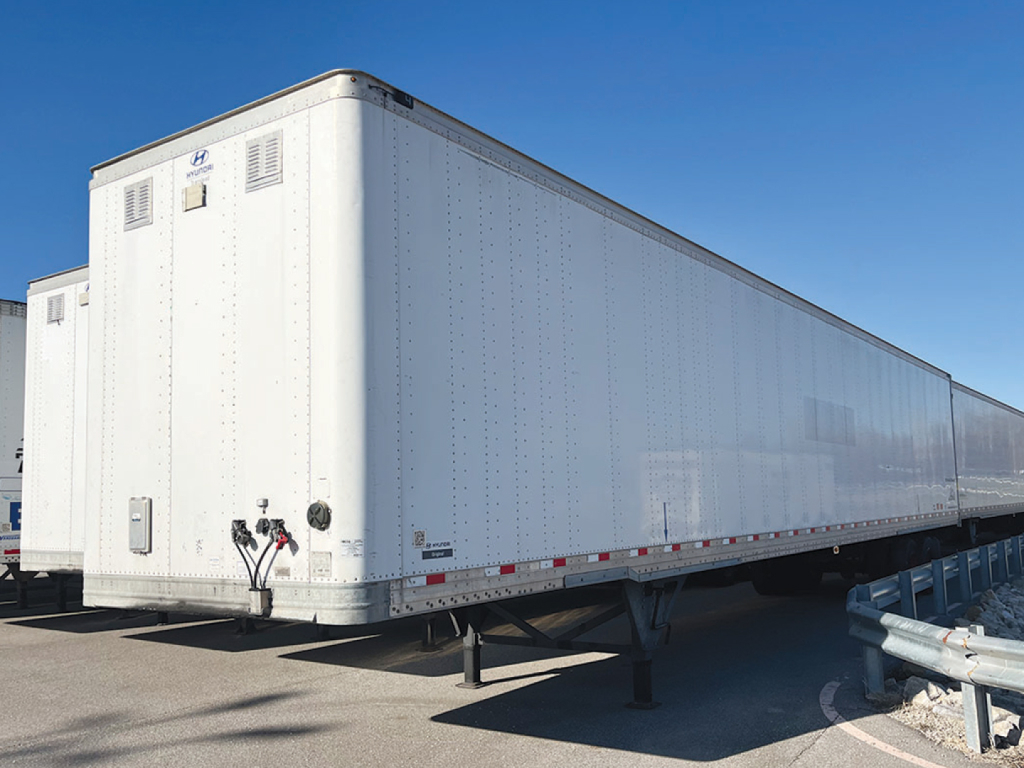

Selling a used 2020 hyundai trailer? List your used 2020 hyundai trailer for sale and reach thousands of commercial buyers.
Used 2020 Hyundai Trailers
A typical 2020 Hyundai van trailer will be 53 feet long, 102 inches wide, and set up with a 13-foot 6-inch overall height. Common features include sliding tandems, air ride or spring suspension, wood floors over steel crossmembers, logistics posts, scuff liners, and either swing doors or roll-up doors depending on the application. Many fleet-spec units also include side skirts, trailer skirts for fuel economy, aluminum roof construction, galvanized rear door frames, and tire inflation systems. If the trailer ran in dedicated freight, look closely at the floor rating, logistics track condition, roof bows, rear frame condition, and evidence of forklift traffic at the threshold and first third of the floor.
For a buyer comparing used 2020 Hyundai trailers, condition matters more than the badge on the nose. Check brake type, axle spread, wheel-end spec, tire size, and whether the trailer has a closed tandem slider or a California-legal spread setup. Verify the VIN plate, GVWR, and door opening dimensions if the trailer will handle palletized freight with strict dock requirements. On ex-fleet units, maintenance history can tell you a lot about bushing wear, suspension condition, ABS function, and how consistently the trailer passed DOT inspections. If aerodynamic equipment is installed, inspect skirts, brackets, and fairings for crack repairs or missing hardware.
Hyundai trailers hold strong appeal because they fit standard van freight needs without forcing a buyer into an unusual spec. That matters when uptime, resale, and serviceability are part of the purchase decision. A used 2020 Hyundai trailer can be a sound fit for regional freight, long-haul dry goods, dedicated contract lanes, or trailer pool work, provided the structure, floor, doors, and running gear match the intended duty cycle. Buyers who take time to confirm tare weight, interior cubic capacity, suspension spec, and maintenance history usually make the best comparison across similar used van trailers.
Frequently Asked Questions about Used 2020 Hyundai Trailers
What are the most common specs on a used 2020 Hyundai trailer?
The most common setup is a 53-foot by 102-inch dry van trailer with a 13-foot 6-inch overall height, sliding tandem axles, air brakes, and either air ride or spring suspension. Many units are built with aluminum and steel combination construction, wood floors, logistics posts, scuff liners, and swing doors. Fleet-spec trailers may also include side skirts, tire inflation systems, and galvanized rear frames for longer service life.
Are 2020 Hyundai trailers usually dry vans?
Yes. In the used market, Hyundai trailers from this year are most often dry van trailers, sometimes referred to simply as van trailers. They are commonly used for general freight, retail distribution, warehouse transfers, and drop-and-hook operations. Depending on the original fleet order, the trailer may be optimized for lightweight freight, dense palletized freight, or high-cycle dock work.
What should I inspect first on a used 2020 Hyundai dry van trailer?
Start with the floor, rear frame, doors, roof, suspension, and slider assembly. The floor condition tells you a lot about forklift use and load type. The rear frame and threshold area often show the hardest wear from dock contact and repeated loading cycles. It is also important to inspect brake components, ABS operation, tire wear patterns, wheel ends, and any aerodynamic equipment that may have been repaired after curb or yard damage.
Do Hyundai trailers have good parts and service support?
Hyundai Translead trailers are widely used in commercial fleets, so parts availability and service familiarity are generally strong. That helps reduce downtime because shops are used to working on standard van components, suspension systems, brake systems, doors, floors, and body hardware found on these trailers. Buyers still need to confirm exact running gear brands and component specs, since replacement parts can vary by fleet order.
Is a used 2020 Hyundai trailer a good fit for regional or long-haul freight?
It can be a good fit for both, depending on the trailer spec and condition. A regional operation may care more about door durability, dock impact wear, and suspension condition from frequent stops. A long-haul buyer may focus more on tare weight, aerodynamic equipment, tire inflation systems, and overall maintenance history. The right trailer is the one whose floor rating, running gear, and structural condition match the freight and miles it will actually see.