
Used 2016 Hyundai Trailers For Sale
Shop used 2016 Hyundai trailers, including 53-foot dry vans with logistics posts, air ride, sliding tandems, and fleet-friendly specs.
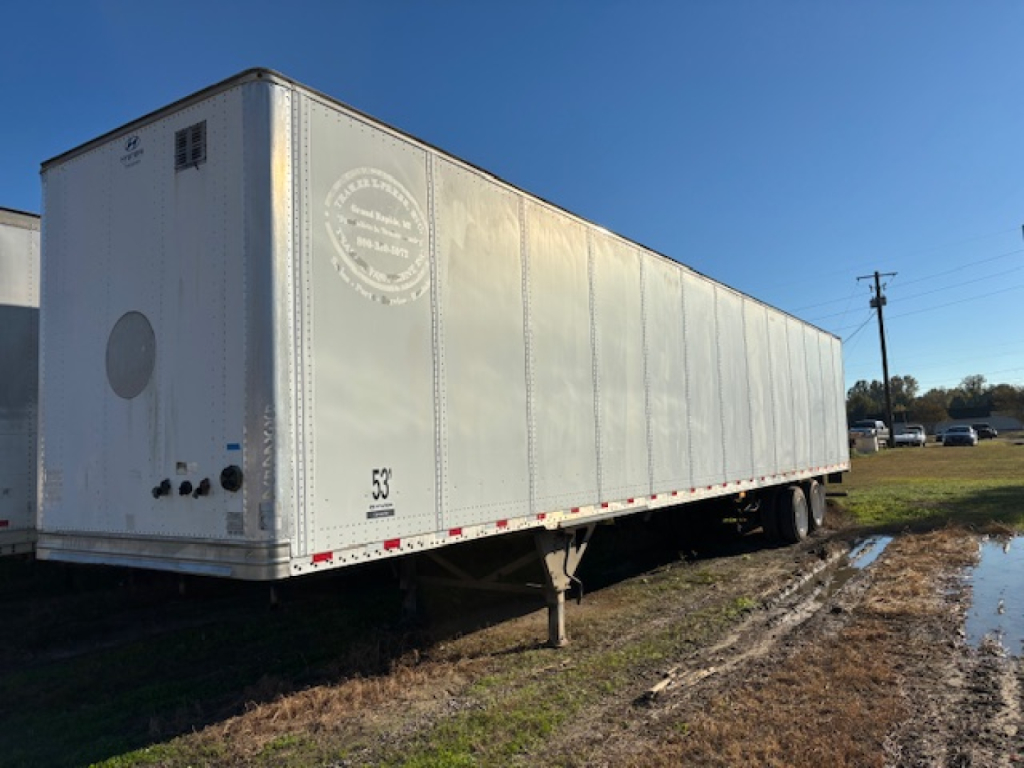
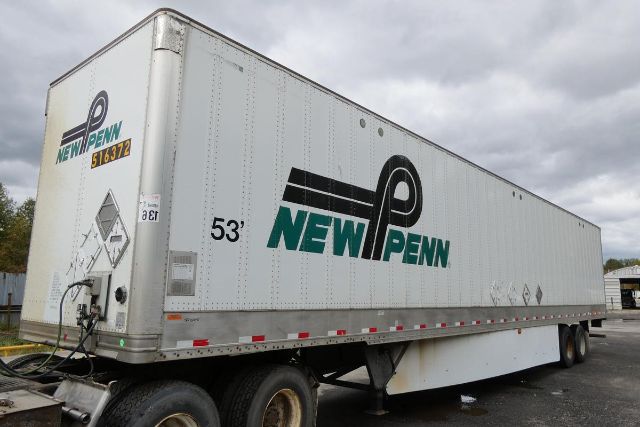
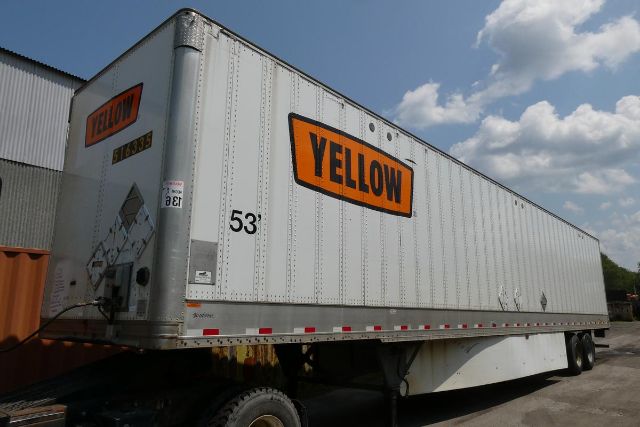

Selling a used 2016 hyundai trailer? List your used 2016 hyundai trailer for sale and reach thousands of commercial buyers.
Used 2016 Hyundai Trailers
The most important buying decisions usually come down to door configuration, suspension, and cargo control. A 2016 Hyundai van may be equipped with roll-up doors or swing doors, and that choice affects dock access, rear opening clearance, maintenance, and weight. Air ride suspension is common and generally preferred for ride quality and freight protection, while sliding tandems help with bridge laws, axle spread compliance, and dock positioning. Inside the box, buyers should pay attention to logistics posts or E-track, plywood lining, scuff plate condition, threshold plate wear, and wood floor repairs. These details say a lot about how the trailer was loaded and how hard it was used.
A used 2016 Hyundai trailer can also include fleet-oriented features that reduce operating cost or improve uptime, such as tire inflation systems, side skirts, low-profile 22.5 tires, and disc wheels. Those specs can be valuable in regional and over-the-road service, but they also deserve a close inspection. Tire inflation systems should be checked for line condition and hub components, side skirts should be reviewed for cracking or missing hardware, and low-profile tire setups should match your replacement program and lane profile. Buyers should also verify tandem slider operation, crossmember condition, roof integrity, door frame alignment, and signs of impact damage at the nose, rear sill, and lower side rails.
For many carriers, a 2016 Hyundai trailer sits in a practical middle ground. It is modern enough to offer fleet-spec cargo control and aerodynamic options, but old enough that condition and prior maintenance matter more than the original build sheet. A clean van with straight rails, a solid floor, functional logistics equipment, and consistent tire and brake wear will usually be more valuable than one with extra features but deferred maintenance. If the trailer will run in slip-seat fleets, drop-and-hook networks, or dense dock environments, focus on structural condition, door performance, and brake and suspension service history before cosmetic appearance.
Frequently Asked Questions about Used 2016 Hyundai Trailers
What are the most common specs on a used 2016 Hyundai trailer?
Many used 2016 Hyundai trailers on the market are 53-foot dry vans with aluminum construction, 102-inch width, and a 13-foot 6-inch overall height. Common features include wood floors, scuff liners or scuff plates, threshold plates, logistics posts or E-track, air ride suspension, sliding tandems, and 22.5 low-profile tires. Some units also have roll-up doors, swing doors, side skirts, or tire inflation systems depending on the original fleet specification.
Is a 2016 Hyundai trailer a good choice for general dry freight?
A 2016 Hyundai dry van is typically a strong choice for general freight, retail distribution, palletized goods, and drop-and-hook work if the trailer has been maintained well. This model year is recent enough to include many modern fleet specs, but buyers still need to inspect structure, floor condition, suspension wear, brakes, and door operation closely. The right trailer for dry freight is usually the one with a sound frame and body, usable cargo control equipment, and a maintenance history that supports immediate service.
What should I inspect first on a used 2016 Hyundai dry van trailer?
Start with the structural and wear items that affect safety, loading, and ongoing cost. Check the roof, front wall, lower rails, crossmembers, rear frame, and floor for repairs, corrosion, cracks, and forklift damage. Then inspect the tandem slider, suspension components, brakes, tires, wheel ends, and any tire inflation system. Inside the trailer, review scuff damage, logistics track condition, lining integrity, and signs of water intrusion. Door alignment and rear sill wear are especially important on trailers used heavily in dock operations.
Which is better on a 2016 Hyundai trailer, roll-up doors or swing doors?
The better door style depends on the application. Roll-up doors can be useful in tight docks or urban delivery settings because they do not swing into traffic or adjacent trailer space, but they add mechanical components and can reduce rear opening height. Swing doors usually provide a full rear opening and simpler hardware, which many fleets prefer for cube utilization and lower repair complexity. Buyers should choose based on loading environment, freight profile, and maintenance tolerance rather than preference alone.
Do features like side skirts and tire inflation systems add value on a used 2016 Hyundai trailer?
They can add value if they are intact, functional, and compatible with your operation. Side skirts may improve fuel economy in highway service, and tire inflation systems can help reduce tire-related downtime and irregular wear. However, damaged skirts, neglected inflation components, or nonstandard wheel-end parts can create added repair expense. On a used trailer, these features are beneficial only when the underlying trailer structure, brake system, suspension, and tire program are already in good order.