
Hyundai Trailers For Sale in Illinois
Shop Hyundai trailers for sale in Illinois, including durable dry van models with common specs like 53-foot length, air ride, and sliding tandems.
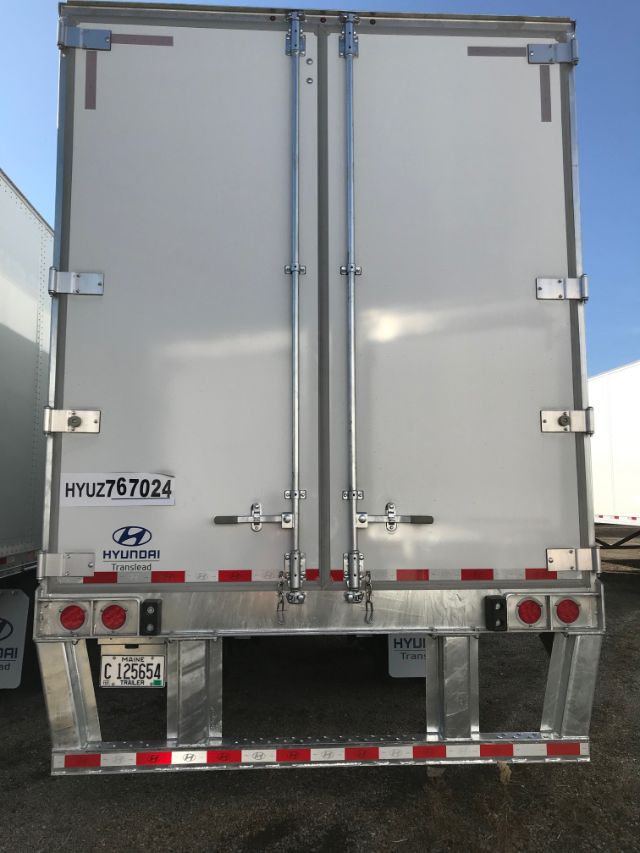
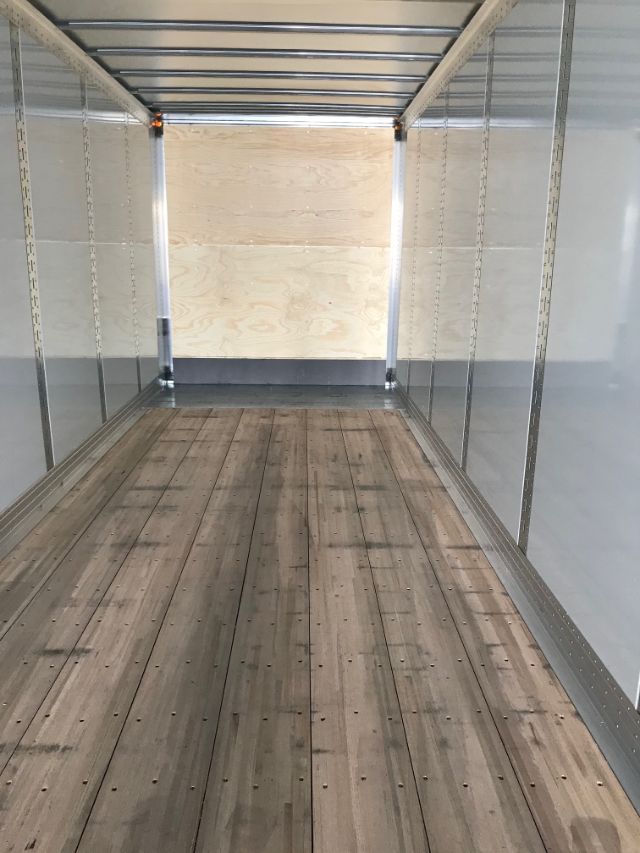

Selling a hyundai trailer? List your hyundai trailer for sale and reach thousands of commercial buyers.
Hyundai Trailers in Illinois
A typical Hyundai dry van will have an aluminum body, wood floor, plywood liner, scuff plate, threshold plate, and either roll-up or swing rear doors. Interior cargo control features like E-track, logistics posts, and venting can make a real difference if the trailer will handle mixed freight or frequent load securement changes. Roll-up doors are popular in multi-stop freight because they reduce door swing issues at crowded docks, while swing doors can offer a slightly wider and cleaner rear opening for forklift traffic. Buyers should also look closely at roof condition, wall repairs, floor wear around the nose and rear, and signs of heavy forklift impact along the scuff liner area.
Running gear is just as important as the box. Common Hyundai trailer specs include tandem axles, 22.5 low-profile tires, steel or aluminum disc wheels, and either spring or air ride suspension. Air ride is typically preferred for better cargo protection and ride quality, especially on long regional lanes, while spring suspension can still make sense for buyers prioritizing simplicity and lower upfront cost. Sliding tandem setups remain a key feature for bridge law compliance, dock positioning, and axle weight adjustment. Tire inflation systems and aerodynamic side skirts are also worth noting, since they can help control operating costs in linehaul applications.
For Illinois buyers, trailer selection often comes down to lane type and freight mix. A van that spends most of its time in Chicago-area distribution, intermodal support, or Midwest regional freight needs durable lining, a sound floor, and suspension spec that matches the cargo. A buyer pulling consumer goods, packaged foods, or general palletized freight will usually prioritize clean interiors, good door seals, and straight rails. If the trailer will stay in a large fleet cycle, newer Hyundai vans with air ride, side skirts, and inflation systems can make sense. If the goal is dependable capacity at a lower acquisition cost, an older Hyundai van with solid structure, legal brakes, and a serviceable floor can still be a productive trailer.
Frequently Asked Questions about Hyundai Trailers in Illinois
What are the most common Hyundai trailer specifications in Illinois?
The most common Hyundai trailers on the Illinois market are 53-foot by 102-inch dry vans. Many are built with aluminum construction, wood floors, plywood liners, tandem axles, and either air ride or spring suspension. Sliding tandems are especially common because they help with axle weight distribution, bridge law compliance, and dock approach flexibility.
Is air ride suspension better than spring suspension on a Hyundai van trailer?
Air ride is usually the preferred suspension for van trailers carrying palletized consumer freight, food products, paper goods, and other cargo that benefits from a smoother ride. It can help reduce vibration and freight damage while improving overall trailer ride quality. Spring suspension is simpler and can cost less to buy and maintain, so it still appeals to buyers running tougher freight or working within a tighter budget.
What should I inspect first on a used Hyundai dry van trailer?
Start with the floor, roof, sidewalls, rear frame, and tandem slider area. Floor repairs, soft spots, punctures, and heavy forklift wear can tell you a lot about how the trailer was used. Buyers should also inspect scuff liners, door seals, crossmembers, brake condition, tire wear, and any signs of impact damage or corrosion around the rear sill and threshold plate.
Are Hyundai Translead trailers good for regional and over-the-road freight?
Yes. Hyundai Translead dry vans are widely used in both regional and long-haul operations because they are built around standard fleet-friendly specifications and are familiar to many service shops and fleet managers. Features like roll-up doors, E-track, air ride suspension, side skirts, and tire inflation systems can make them a strong fit for high-frequency freight movement and cost-conscious linehaul work.
Why do sliding tandems matter on a Hyundai trailer?
Sliding tandems give the operator more control over axle placement, which affects weight distribution, bridge compliance, and maneuverability at docks. In states and lanes where axle spacing matters, a sliding tandem is more than a convenience. It is a key operational feature that helps keep the trailer legal and usable across different loads and routes.