
Hyundai Trailers For Sale in Georgia
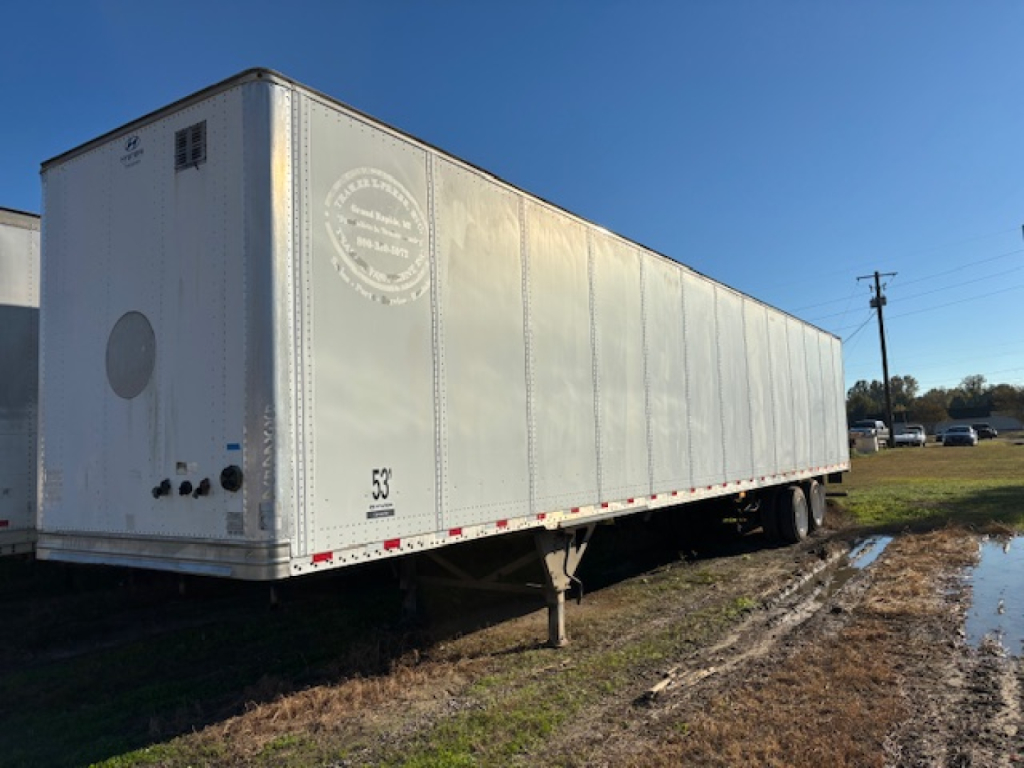
Shop Hyundai trailers for sale in Georgia, including 53-foot dry vans with air ride, sliding tandems, logistics posts, and fleet-ready specs.

Selling a hyundai trailer? List your hyundai trailer for sale and reach thousands of commercial buyers.
Hyundai Trailers in Georgia
For many buyers, the real decision comes down to trailer structure and running gear. Hyundai dry vans are often found with plate or sheet-and-post construction, wood or composite flooring, scuff liners or scuff plates, threshold plates, and logistics post interiors for load securement flexibility. Suspension and axle spec matter too, especially on high-mile trailers. Air ride is common and attractive for freight that benefits from a smoother ride, while tandem slide operation, tire inflation systems, wheel type, and brake condition all affect operating cost and uptime. On used units, it is smart to look closely at floor wear, rear frame condition, crossmembers, roof integrity, door hardware, and signs of impact around the nose and side rails.
Georgia buyers also tend to focus on freight lane compatibility and weight management. A lightweight Hyundai van can be a good fit for Southeast regional work where payload, fuel economy, and dock-to-dock efficiency all matter. Side skirts may be present on newer fleet trailers and can add aerodynamic value on long highway runs. Tire size, often 22.5 low profile, and axle setup should be matched to your maintenance program and the tractors pulling the trailer. If the trailer is coming out of a fleet cycle, features like automatic tire inflation, composite components, and standardized parts can make service planning easier.
Hyundai is best known in this market for dry van trailers, but buyers still need to compare each unit by age, body style, maintenance history, and previous application. A van that spent its life in high-cube retail service may show different wear than one used in heavier palletized freight. The best choice is usually the trailer with the right structural condition and spec for your lanes, not simply the newest model year. Paying attention to suspension type, floor composition, logistics equipment, tandem rail condition, and overall trailer straightness will tell you more than the badge alone.
Frequently Asked Questions about Hyundai Trailers in Georgia
What are the most common Hyundai trailer specs buyers look for?
The most common Hyundai trailer configuration on the used market is a 53-foot dry van with 102-inch width, 13-foot 6-inch height, sliding tandems, and air ride suspension. Many units also include logistics posts, swing doors, scuff protection, wood or composite flooring, and 22.5 low profile tires. These are standard fleet-friendly specs that fit general freight, dock loading, and over-the-road van service.
Are Hyundai dry van trailers a good fit for fleet and regional operations in Georgia?
Yes. Hyundai dry vans are widely used in fleet, dedicated, and regional freight service because the specs are familiar, parts support is generally straightforward, and the trailers are commonly configured for Southeast freight lanes. In Georgia, buyers often favor trailers that can handle retail distribution, warehouse transfers, and palletized dry freight with minimal adaptation. Features like sliding tandems, air ride, and logistics interiors are especially useful for mixed freight and dock-heavy operations.
What should I inspect first on a used Hyundai trailer?
Start with the structural and wear items that affect serviceability. Check the floor for rot, soft spots, gouging, and forklift damage. Inspect the rear frame, doors, hinges, and threshold for collision wear. Look underneath at crossmembers, slider rails, suspension components, and axle alignment. Also inspect roof condition, side panel integrity, tire wear patterns, brake life, and any tire inflation system components. A straight trailer with a solid floor and clean running gear is usually more important than cosmetic appearance.
What is the advantage of air ride suspension on a Hyundai trailer?
Air ride suspension helps protect freight by reducing road shock and vibration compared with harsher suspension setups. It is especially valuable for consumer goods, packaged freight, and other loads where ride quality matters. Air ride is also a common requirement in many fleet operations, so it can support broader dispatch flexibility. On a used trailer, buyers should still inspect air bags, shocks, ride height control, and suspension wear points before purchase.
Do features like side skirts and tire inflation systems add value on a used Hyundai trailer?
They can, especially for carriers focused on operating cost and highway fuel efficiency. Side skirts may improve aerodynamics on linehaul routes, while an automatic tire inflation system can help maintain proper tire pressure and reduce irregular wear. The value depends on the trailer’s condition and your operating model. If those systems are intact and serviceable, they may lower total cost of ownership, but damaged or neglected components should be inspected carefully because repair costs can offset the benefit.