
Hopper Trailers For Sale in Nebraska
Browse hopper trailers for sale, including aluminum grain hoppers with ag specs, multiple axle setups, tarp systems, and air ride suspension.
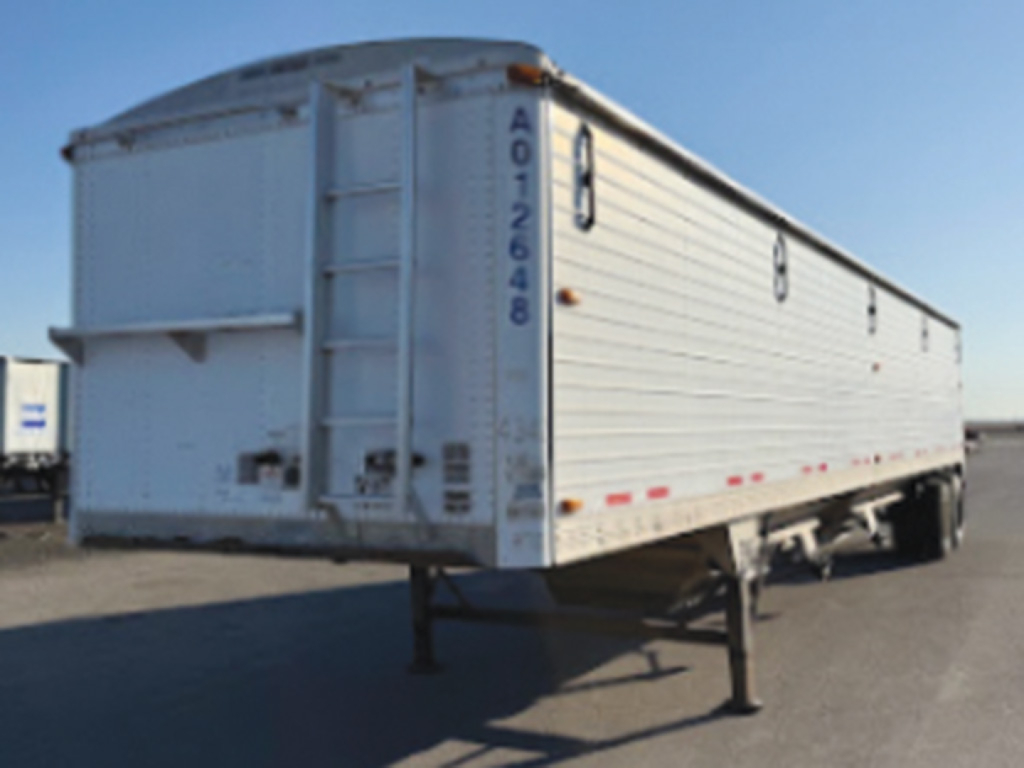
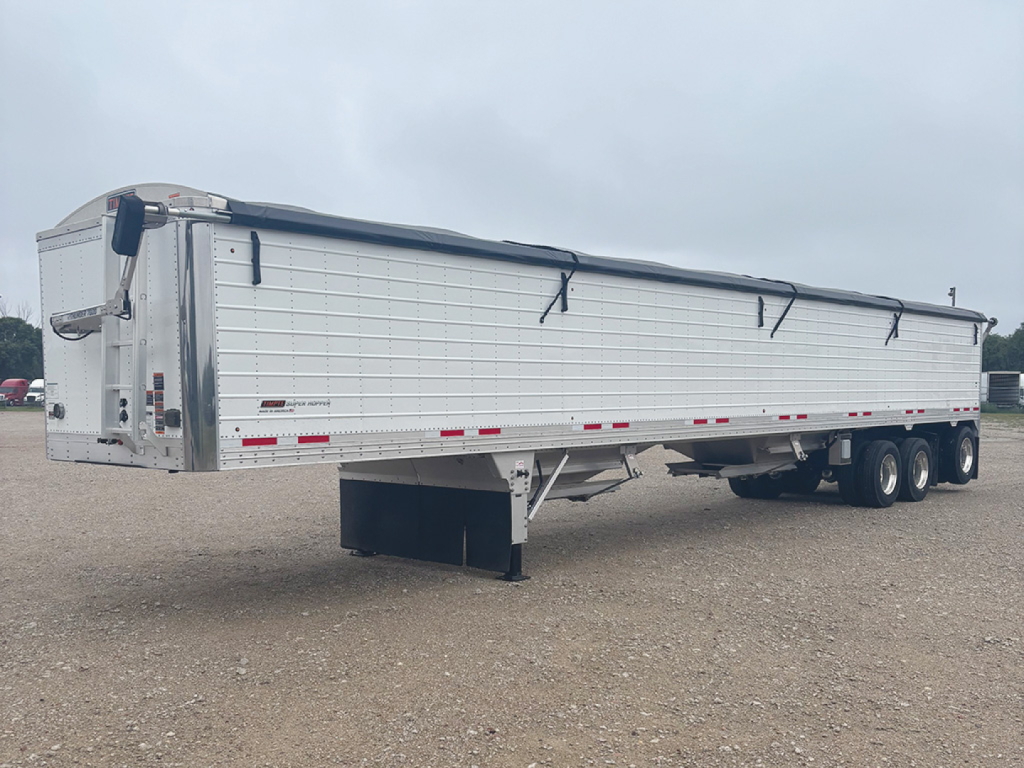

Selling a hopper trailer? List your hopper trailer for sale and reach thousands of commercial buyers.
Hopper Trailers in Nebraska
Common specs in this category include 43-foot and 50-foot lengths, 96-inch width, and side heights in the 72-inch to 78-inch range. Tandem and tri-axle setups both show up, with tri-axle trailers often selected for higher gross weight flexibility or regional bridge-law considerations. Air ride suspension is popular for ride quality and cargo protection, and many buyers look closely at tire size, wheel material, brake type, and whether the trailer has an air lift axle or dump valve. On the unloading side, practical features like 2-speed hopper doors, ag hoppers, vibrators, and stainless radius panels can make a noticeable difference in how quickly the trailer empties and how well it handles sticky or variable commodities.
Tarp system choice matters more than many first-time buyers expect. Manual roll tarps keep cost and complexity down, while electric roll tarps save time during harvest and repeated loading cycles. Front and rear ladders, catwalks, and safe access points are standard items to inspect because they affect everyday usability as much as they affect compliance and driver safety. If precise loading is important, factory or aftermarket air scales can be a strong value-add for staying legal on axle weights before leaving the elevator or field.
Condition evaluation on a used hopper trailer should focus on the areas that affect uptime and resale. Buyers should inspect hopper door operation, trap seals, subframe condition, suspension wear, kingpin area, crossmember integrity, landing gear, and any signs of corrosion around seams or fasteners. On aluminum trailers, look closely for cracked welds, prior repairs, and stress around high-load points. A well-spec'd hopper trailer can stay productive for years, but the right choice depends on commodity type, haul distance, legal weight target, and how often the trailer will be loaded and unloaded during peak season.
Frequently Asked Questions about Hopper Trailers in Nebraska
What is the difference between a hopper trailer and a hopper bottom grain trailer?
In most farm and bulk-haul markets, the terms are used interchangeably. A hopper trailer usually refers to a trailer with sloped floors and bottom discharge gates that unload by gravity. In Nebraska and surrounding grain regions, this typically means an aluminum hopper bottom trailer used for corn, soybeans, wheat, feed, or fertilizer.
How do I choose between a 43-foot and 50-foot hopper trailer?
The decision usually comes down to payload target, bridge-law needs, and the roads or facilities the trailer will see every day. A 43-foot hopper can be a practical fit for operators balancing maneuverability and legal weight, while a 50-foot trailer can offer more cubic capacity and may be paired with a tri-axle setup for specific hauling requirements. Buyers should match trailer length and axle layout to commodity density, tractor wheelbase, and the states where the combination will run.
Are aluminum hopper trailers better than steel for grain hauling?
Aluminum hopper trailers are the standard choice for grain hauling because they reduce empty weight and help increase payload. They also resist corrosion well compared with steel, which matters in fertilizer exposure and seasonal outdoor storage. Steel can still make sense in certain heavy-duty or abrasive applications, but for most grain and ag commodity work, aluminum offers the best mix of weight savings, resale value, and operating efficiency.
What features matter most on a used hopper trailer?
The most important items are structural condition, gate operation, suspension health, brake condition, and evidence of proper repair history. Buyers should check the kingpin area, crossmembers, hopper slopes, door rollers, tarp system, landing gear, and all weld zones for cracks or distortion. Options like air scales, vibrators, electric tarps, disc brakes, and lift axles add value when they are working correctly, but the underlying frame and hopper structure matter more than convenience features.
Why do some hopper trailers have vibrators, ag hoppers, or 2-speed doors?
These features are designed to improve unloading efficiency and commodity control. Vibrators help move stubborn material and reduce hang-up in the hoppers. Ag hoppers are shaped for common farm commodities and can improve flow characteristics. 2-speed hopper doors give the operator more control when unloading into pits, augers, or conveyors, which is useful when managing flow rate and avoiding spillage.