
2010 Hopper Trailers For Sale
Shop 2010 hopper trailers for grain and bulk ag hauling. Compare side height, hopper design, suspension, tarp systems, and capacity.
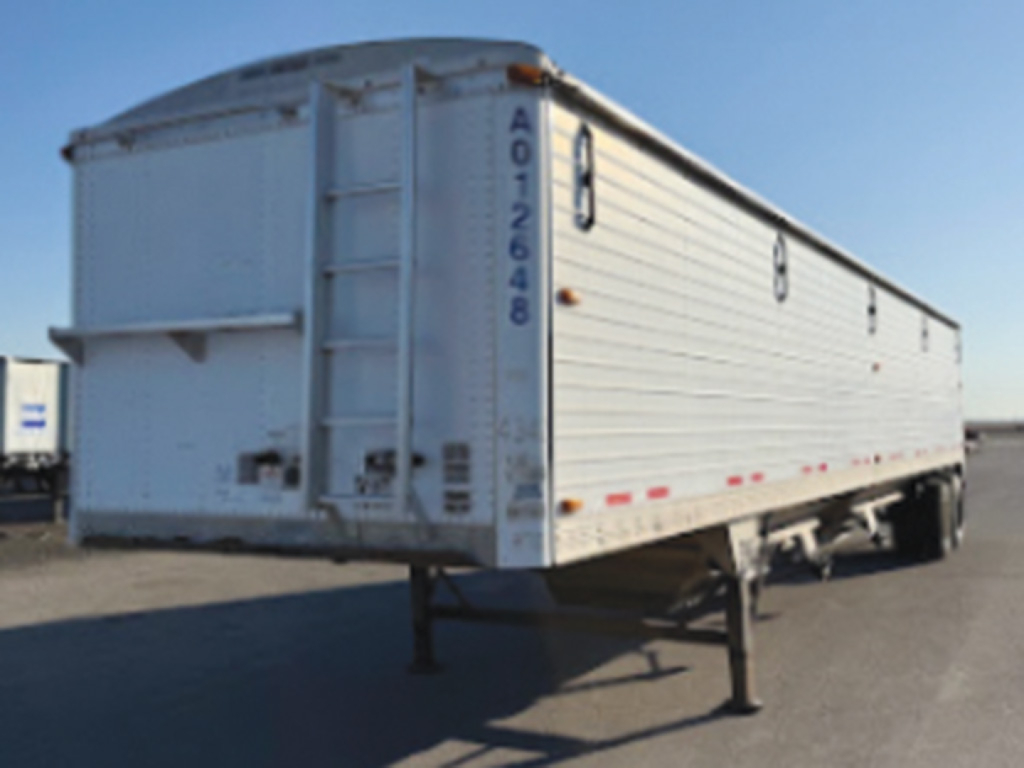
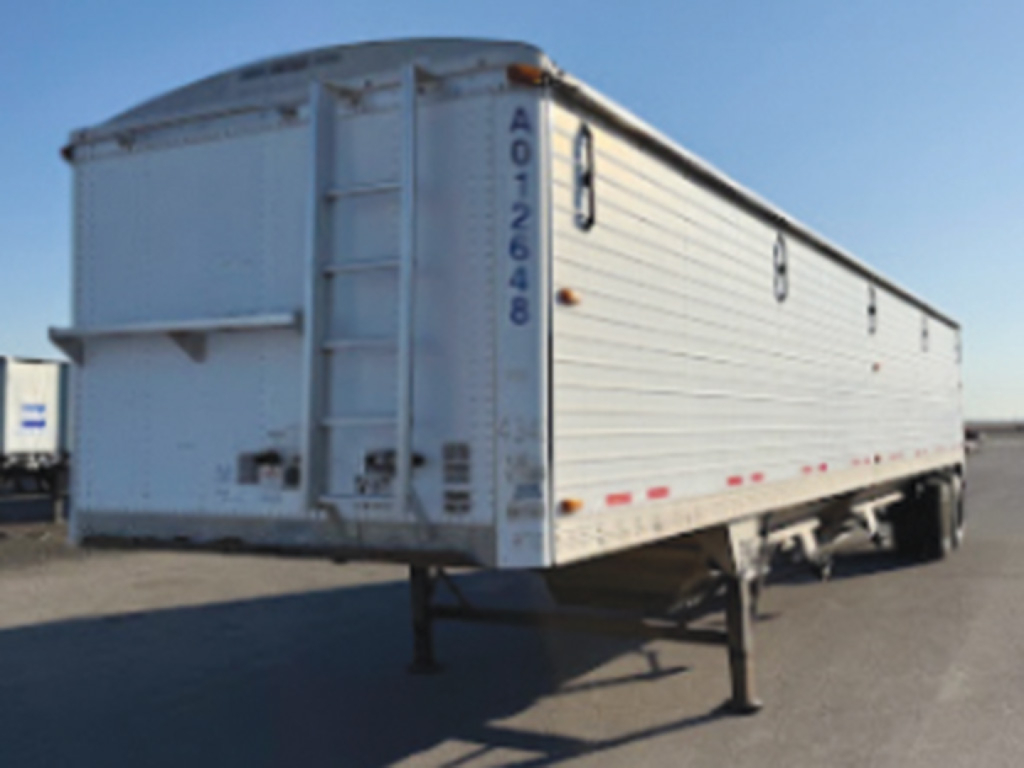
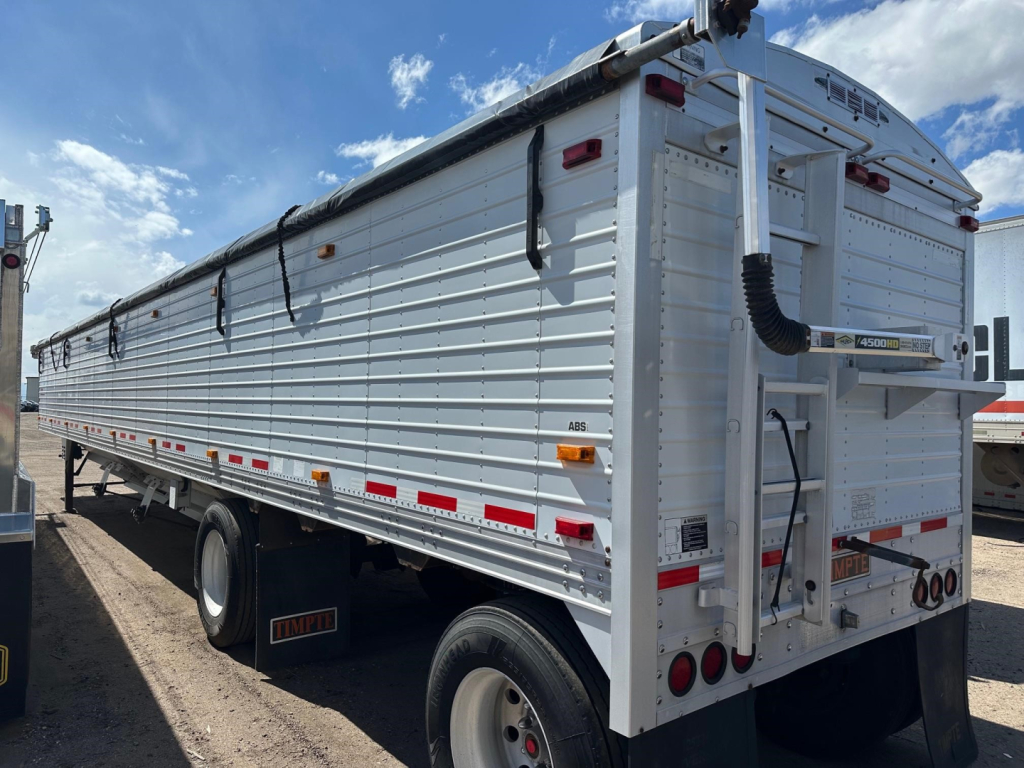
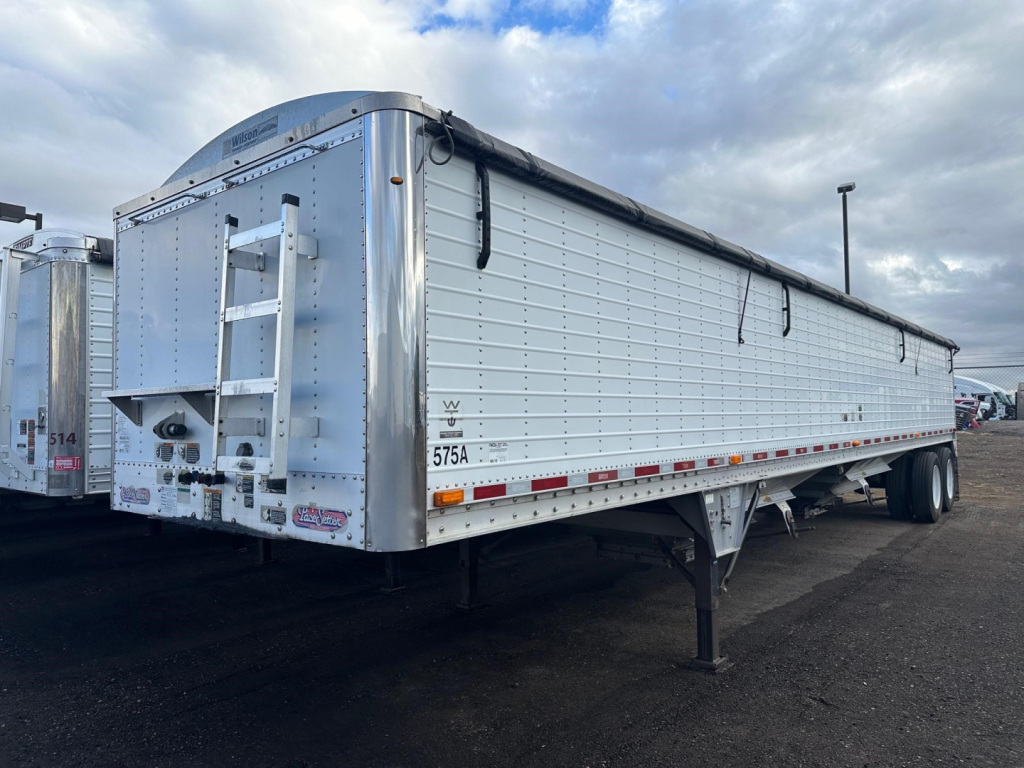
Selling a 2010 hopper trailer? List your 2010 hopper trailer for sale and reach thousands of commercial buyers.
2010 Hopper Trailers
Capacity varies more by sidewall height and body design than by model year. In this class, buyers commonly compare 66-inch, 72-inch, 78-inch, and taller side configurations depending on the commodity and target bushel volume. Two hopper layouts remain the standard for agricultural use because they unload cleanly and work well at elevators and auger setups. Corrugated side panels are common for strength-to-weight efficiency, while smooth-side and post-side designs can change cleanout characteristics and repair cost. Trap door opening size, manual versus 2-stage doors, and ground clearance under the hoppers all matter if the trailer will see uneven farm approaches or frequent unloading cycles.
On a 2010 hopper trailer, condition usually matters more than cosmetics. Buyers should pay close attention to subframe corrosion, crossmember condition, hopper slope wear, trap door sealing surfaces, landing gear, suspension bushings, brake components, and wheel-end history. Check the tarp system closely because manual and electric rollover tarps both wear at bows, arms, cables, and end caps. Also verify kingpin setting, fifth wheel height, axle spread, tire size, and overall trailer height so the trailer matches the road network, scale requirements, and tractor spec it will run with. Air ride remains popular in this category for cargo protection and ride quality, but maintenance records on bags, shocks, and height control valves are worth reviewing.
A well-matched 2010 hopper trailer can still be a productive bulk hauler if the structure is sound and the specs fit the lane. Grain operations often prioritize light weight and fast unload times, while fertilizer and ingredient haulers may focus more on liner condition, corrosion exposure, and door sealing. Features like ladders, catwalks, load scales, tire inflation systems, and upgraded light packages can add daily operating value, but the core buying decision should stay centered on legal payload, unload efficiency, and how well the trailer has held up in agricultural service.
Frequently Asked Questions about 2010 Hopper Trailers
What should I inspect first on a 2010 hopper trailer?
Start with structural condition. Inspect the subframe, crossmembers, kingpin area, hopper cones, suspension hangers, and landing gear for cracking, corrosion, repairs, or distortion. After that, check trap doors, seals, tarp function, brake components, wheel ends, and tire condition. On a 2010 model, maintenance history and prior commodity use often tell you more than appearance alone.
How do side height and trailer length affect hopper trailer capacity?
Side height and body length are the main drivers of cubic capacity and bushel volume. A 40-foot or 42-foot hopper with taller sides will generally carry more grain than a lower-side trailer, but the exact payload still depends on commodity density, trailer weight, and axle laws. Buyers should match the trailer's cubic capacity to the products they haul most often so they do not end up cube-limited or overweight.
Are 2010 hopper trailers usually aluminum or steel?
Many 2010 hopper trailers are aluminum-bodied because aluminum helps reduce empty weight and resists corrosion better in agricultural service. Some units use steel or galvanized steel subframes for added durability in high-stress areas. The best choice depends on payload goals, climate, fertilizer exposure, and repair preference. Aluminum usually favors weight savings, while mixed-material construction can offer a practical durability balance.
What suspension setup is most common on hopper trailers from this era?
Air ride suspension is very common on hopper trailers from this period, especially in grain hauling. It helps protect the trailer structure, improves ride quality, and can be easier on cargo during rough seasonal operations. Mechanical suspension can still be found, but many buyers prefer air ride for road manners and resale appeal. The condition of air bags, shocks, bushings, and valves should be verified before purchase.
Do tarp and hopper door options matter much on a used grain trailer?
Yes. Tarp and hopper door design directly affect unload speed, weather protection, and daily labor. Manual rollover tarps are simple and common, while electric tarps reduce effort and can improve efficiency on repeated stops. Hopper door design affects how cleanly the trailer unloads and how well it seals between loads. If the trailer will haul fine commodities or moisture-sensitive products, door seals and tarp condition become even more important.