
Used 2000 Heil Trailers For Sale
Used 2000 Heil trailers for sale: compare fuel tanks and Super Flo pneumatic trailers by capacity, inspection history, discharge equipment, and legal payload.
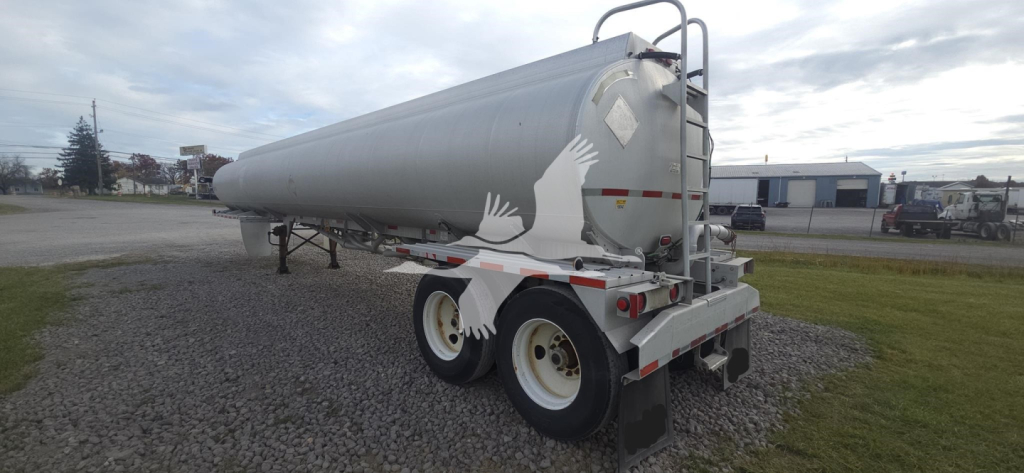
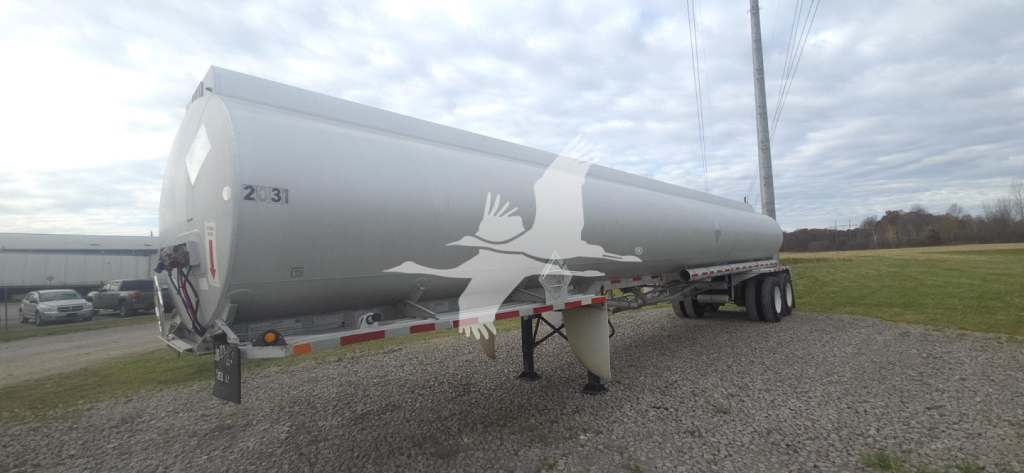
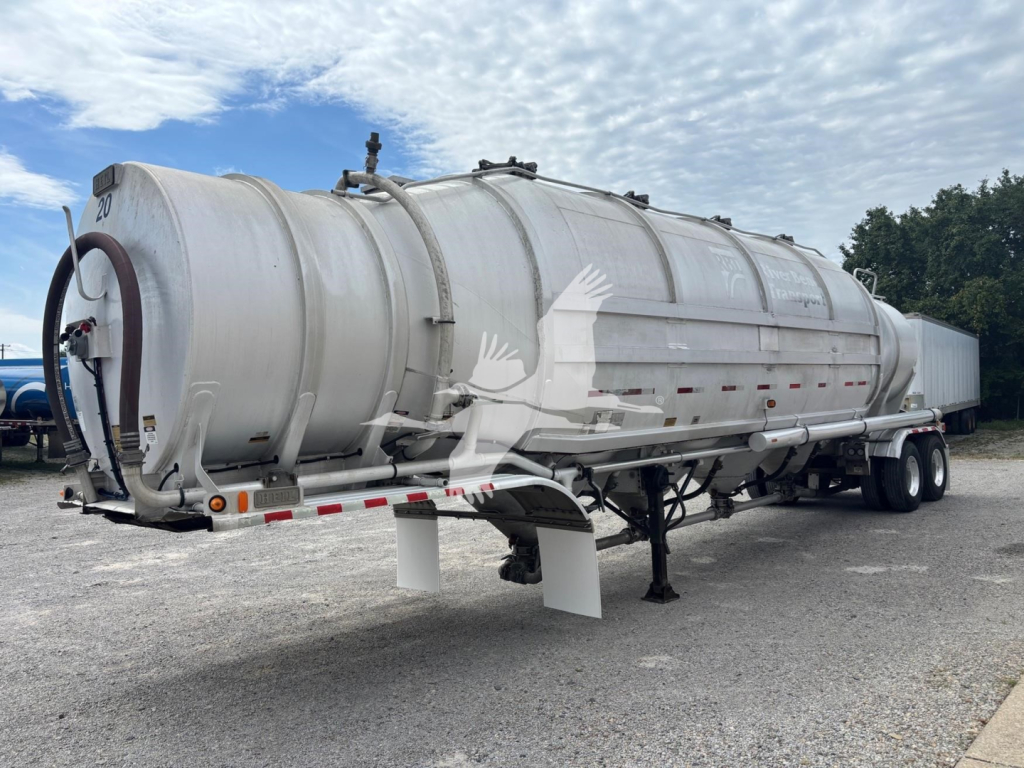
Selling a used 2000 heil trailer? List your used 2000 heil trailer for sale and reach thousands of commercial buyers.
Used 2000 Heil Trailers
For liquid service, match the shell material, any lining, and valve seals to the intended cargo. Fuel tanks around 9,200 gallons require particular attention to compartment sizes because delivery quantities and axle loading can limit usable capacity before the tank is full. Check internal emergency valves, bottom-loading adapters, vapor recovery connections, and overfill protection against the loading terminal's requirements. Inspect bulkheads and request compartment integrity records, since leakage between compartments can mix products without leaving an obvious external stain.
Super Flo pneumatic trailers need a different evaluation: cubic capacity, hopper geometry, aeration, and discharge plumbing determine whether the trailer suits the product. A 1,625-cubic-foot configuration may suit lower-density bulk materials, but legal payload still depends on product density, tare weight, and axle limits. Examine hopper cones for dents and abrasion, inspect product valves and aeration components, and confirm that outlet sizes and hose connections match the receiving plant. Tank volume alone does not establish unloading performance.
On a used 2000 chassis, inspect the upper coupler, kingpin, landing gear mounts, suspension hangers, and tank-to-running-gear attachments for cracking or undocumented repairs. Aluminum shells deserve close inspection around welds and areas where dissimilar metals meet. Road salt exposure in northern states and Canadian provinces can damage steel undercarriage components even when the barrel looks clean. Check brake chambers, drums or rotors, wheel seals, air springs, and tire date codes. Reconcile maintenance invoices with the trailer VIN and investigate repairs that lack supporting documentation.
For U.S. hazardous-material service, verify the cargo tank specification plate and applicable inspection and test records under 49 CFR Part 180; an annual roadworthiness inspection does not replace cargo tank qualification. Nonhazardous dry bulk service does not automatically carry those same cargo tank testing requirements. Canadian operation requires confirmation of applicable Transport Canada requirements and provincial roadworthiness rules. Before choosing axle spacing or planning a full-capacity load, check route-specific U.S. weight restrictions and Canadian provincial axle limits. Require documentation of the previous commodity and any cleaning performed before changing service.
Frequently Asked Questions about Used 2000 Heil Trailers
Is a 2000 Heil fuel tanker too old to pass DOT cargo tank inspections?
DOT 406 cargo tanks do not have a universal age-based retirement date. Most DOT 406 fuel tanks require annual external visual inspections and leakage tests, plus internal visual inspections and pressure tests at five-year intervals. A 2000 Heil fuel tank must still meet its specification and applicable acceptance criteria. Cracking, thinning, damaged supports, or improper repairs can prevent qualification regardless of the trailer's age.
Can a used Heil Super Flo trailer haul food-grade products?
Food-grade suitability requires documented acceptable cargo history and sanitary condition, not merely a clean-looking Heil Super Flo barrel. Buyers should obtain the receiving customer's acceptance requirements before committing to a trailer. Inspect product-contact surfaces, hoses, gaskets, valves, and aeration components for residues or deterioration. Previous industrial cargoes may disqualify a trailer even after washing, and feed-service acceptance does not automatically establish suitability for human-food ingredients.
What blower do I need for a 2000 Heil pneumatic trailer?
The blower must match the Heil pneumatic trailer's allowable working pressure and the airflow needed for the commodity and unloading route. Confirm the tank data plate, relief-valve settings, product characteristics, hose length, and receiving silo requirements before selecting equipment. For a tractor-mounted blower, verify PTO compatibility, continuous-duty capability, lubrication, and cooling. Excess pressure can damage equipment, while inadequate airflow can cause plugging and excessive unloading time.
What CDL do I need to pull a Heil fuel tanker in the United States?
A tractor pulling a typical Heil fuel tanker requires a Class A CDL with an X endorsement when hauling placardable hazardous materials. The X endorsement combines tank vehicle and hazardous materials qualifications. Drivers must also meet applicable hazardous materials security screening and medical requirements. Empty fuel tanks containing hazardous residue can remain regulated, so unloading the trailer does not automatically eliminate endorsement or placarding obligations.
Can I use a U.S. 2000 Heil fuel trailer in Canada?
A U.S. DOT inspection alone does not establish a Heil fuel trailer's eligibility for Canadian dangerous-goods service. Verify the tank's specification, certification markings, repair history, and compliance with applicable Transport Canada requirements, including CSA B620 where required. Provincial registration, inspection, axle-weight, and dimensional requirements also apply. Confirm cross-border eligibility from the actual tank documentation before arranging modifications or assigning the trailer to Canadian routes.