
2000 Heil Trailers For Sale
Shop 2000 Heil trailers for sale, including tank, fuel, and pneumatic dry bulk trailers built for petroleum, chemical, and bulk hauling.
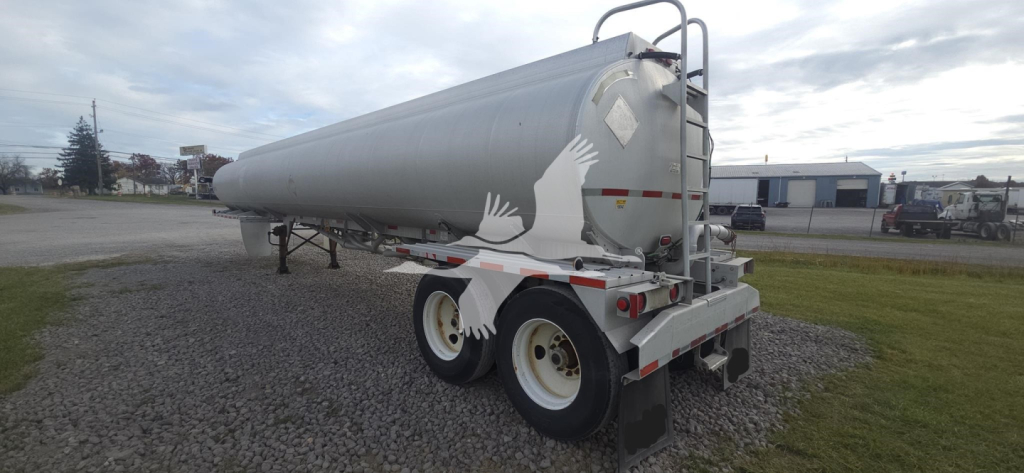
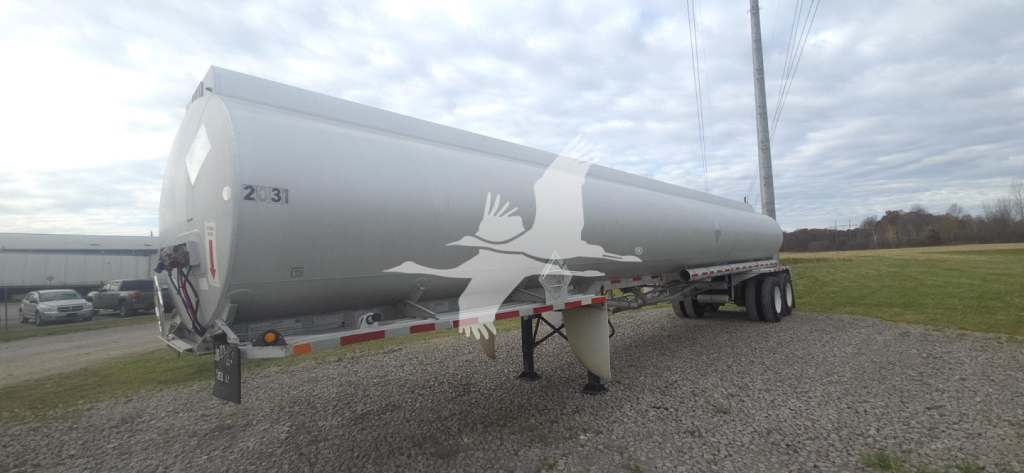
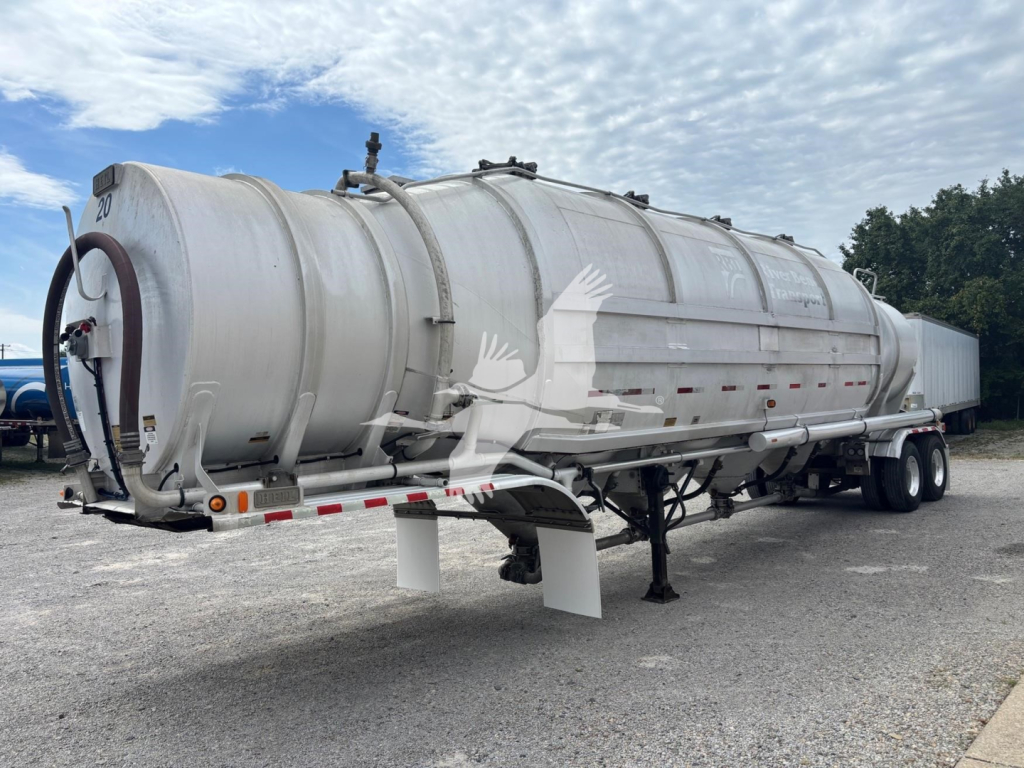
Selling a 2000 heil trailer? List your 2000 heil trailer for sale and reach thousands of commercial buyers.
2000 Heil Trailers
For Heil petroleum trailers, common points to review include total gallon capacity, compartment count, bulkhead configuration, bottom-load or rear discharge layout, vapor recovery, overfill system, emergency valves, and kingpin setting. Many Heil fuel tanks are aluminum and spec'd with tandem air ride suspensions, aluminum wheels, and Hendrickson running gear to keep tare weight down while maintaining payload. Compartment sizes are especially important if the trailer will be used for branded fuel delivery or mixed-product routes, since a 4-compartment or 5-compartment layout changes drop flexibility. Buyers should also confirm current test status, inspect trough bottoms and sumps for corrosion or damage, and verify the condition of the EVO cabinet, fittings cabinet, plumbing, adaptors, probes, and vapor system components.
For Heil pneumatic trailers, the key specs shift toward cubic foot capacity, number of hoppers, pressure rating, aeration system, discharge plumbing, and barrel material. Heil dry bulk trailers are commonly used for cement, lime, sand, fly ash, and other bulk powders, with aluminum construction favored for payload and stainless appearing in some applications where product or service demands it. Hopper count affects cleanout and unloading characteristics, while rear discharge versus other plumbing layouts can change how the trailer fits your blower package and customer sites. Suspension type, axle spread, tire size, and frame condition still matter, but on a pneumatic trailer the discharge system, manholes, cones, valves, and piping usually tell you more about how the unit will perform day to day.
A 2000 Heil trailer can still be a productive asset if the structure is sound and the spec matches the work. Focus on test history, barrel condition, lining or material compatibility where applicable, suspension wear, brake type, wheel-end condition, and the serviceability of valves, hoses, and safety systems. Heil has a strong reputation because many of these trailers were built for demanding duty cycles, but older tank and bulk equipment rewards careful inspection. Buyers looking at this category should compare not just year and price, but also commodity history, tank code, dimensions, tare weight, and the replacement cost of the systems that make a specialized Heil trailer valuable.
Frequently Asked Questions about 2000 Heil Trailers
What types of trailers did Heil commonly build around the 2000 model year?
Heil was and remains best known for specialty tank and bulk trailers rather than general freight vans or flats. Around the 2000 model year, buyers will most often see Heil petroleum tank trailers, pneumatic dry bulk trailers, and other liquid or commodity-specific tank configurations. The exact trailer type matters more than the badge alone because a fuel trailer, a dry bulk pneumatic, and a general tank trailer are built around different codes, plumbing, discharge systems, and commodity requirements.
What should I inspect first on a used Heil fuel tank trailer?
Start with the tank code, test status, barrel condition, and compartment layout. After that, inspect the bottom loading equipment, vapor recovery plumbing, overfill protection, emergency valves, discharge adaptors, and the condition of the troughs or sumps. Suspension, brakes, tires, and wheel ends are standard used-trailer checks, but on a fuel tank the value and compliance risk are often tied to the condition of the safety and product-handling systems.
How do I choose the right Heil pneumatic trailer size and configuration?
Match the trailer to the commodity, blower setup, and delivery points. Cubic foot capacity, hopper count, pressure rating, and discharge layout all affect unloading speed, product flow, and how well the trailer fits your operation. A larger cubic foot trailer may improve volume, but if the product is heavy, payload can become weight-limited before the trailer is full. Valve condition, aeration design, piping size, and barrel material are just as important as headline capacity.
Are older Heil trailers still worth buying?
Yes, if the trailer has been maintained properly and the major systems are still sound. Heil trailers often remain in service for many years because they are purpose-built for demanding hauling applications. The decision comes down to inspection results, repair exposure, and compliance status. An older unit with strong barrel condition, current testing, solid running gear, and serviceable plumbing can be a better value than a newer trailer with neglected systems or the wrong spec.
Why does compartment layout matter on a Heil petroleum trailer?
Compartment layout determines how much flexibility the trailer has on multi-stop fuel routes. Different compartment sizes let a carrier load multiple grades or varying order quantities without wasting capacity. A 4-compartment setup and a 5-compartment setup can perform very differently depending on the customer mix. Buyers should compare total gallons and individual compartment capacities together, because route efficiency is driven by both numbers, not just total tank size.