
Used Great Dane Trailers For Sale in Colorado
Browse used Great Dane trailers in Colorado, including reefer and flatbed models with specs buyers compare for freight type, upkeep, and lane fit.
Learn more
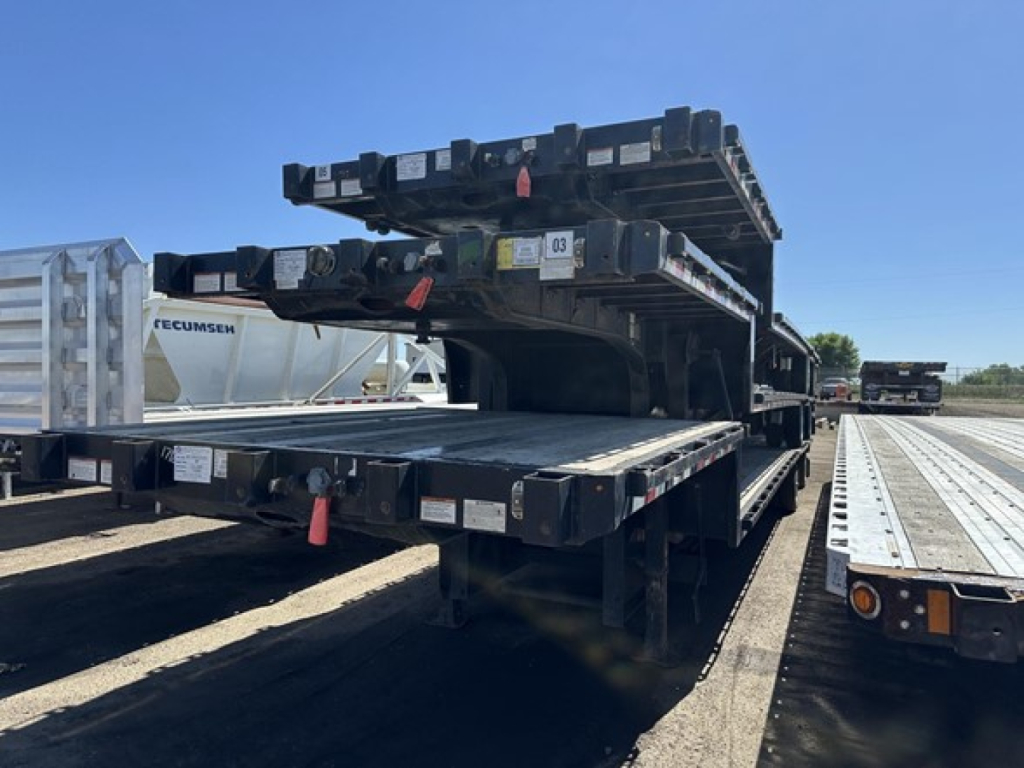
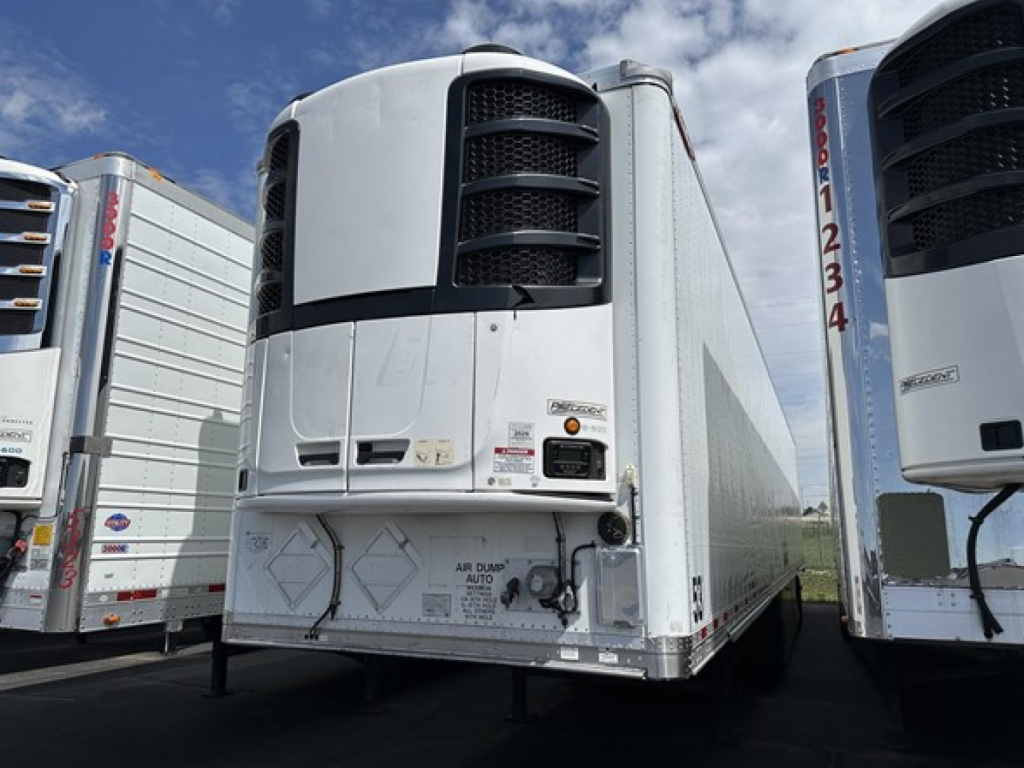
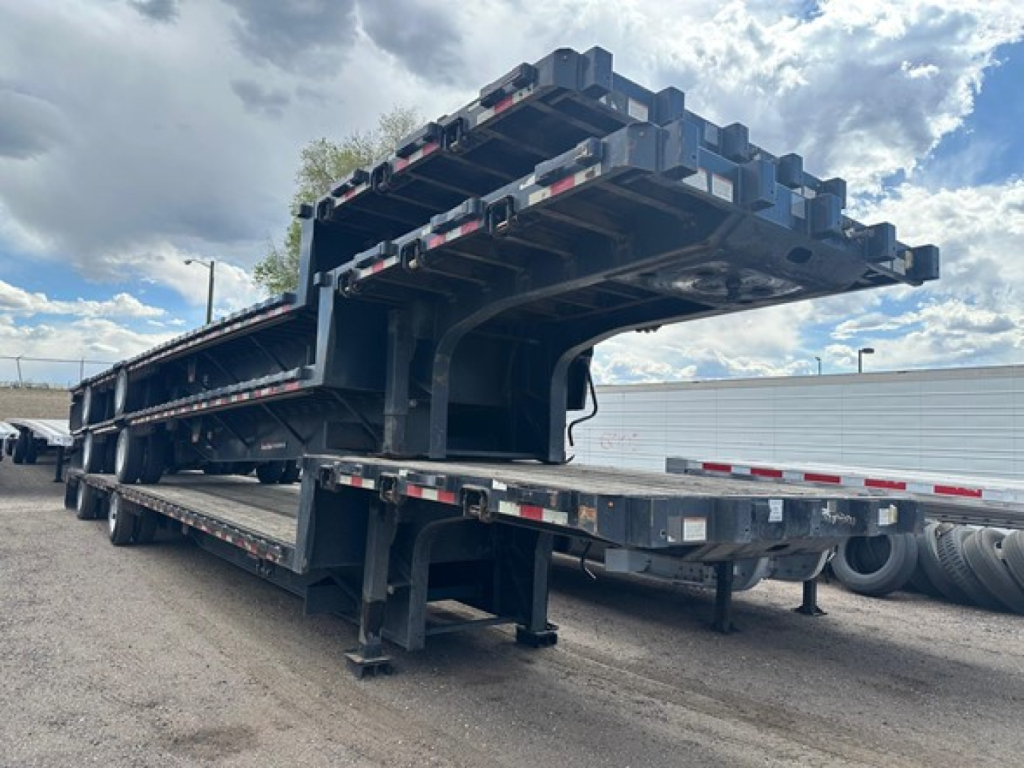
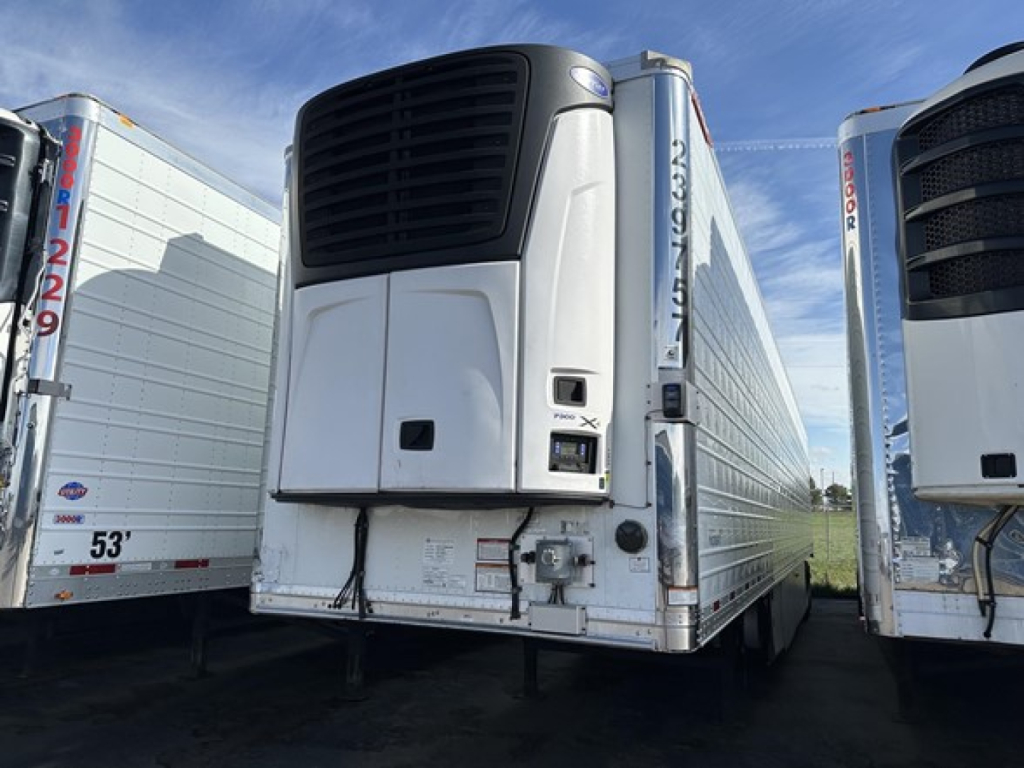
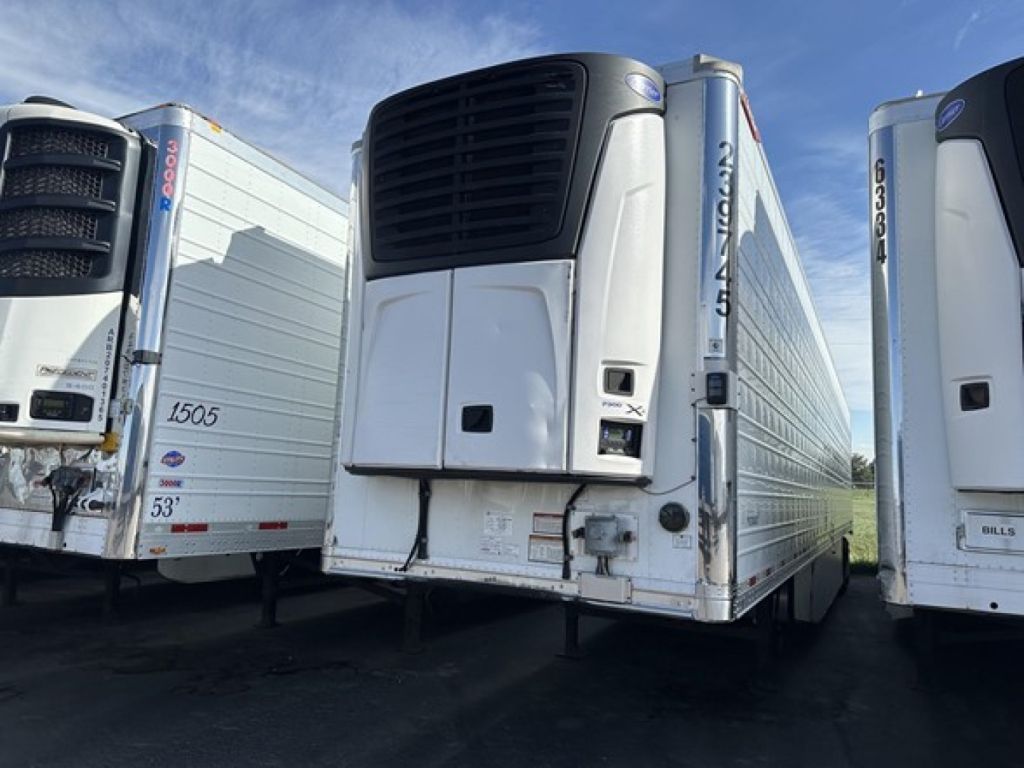
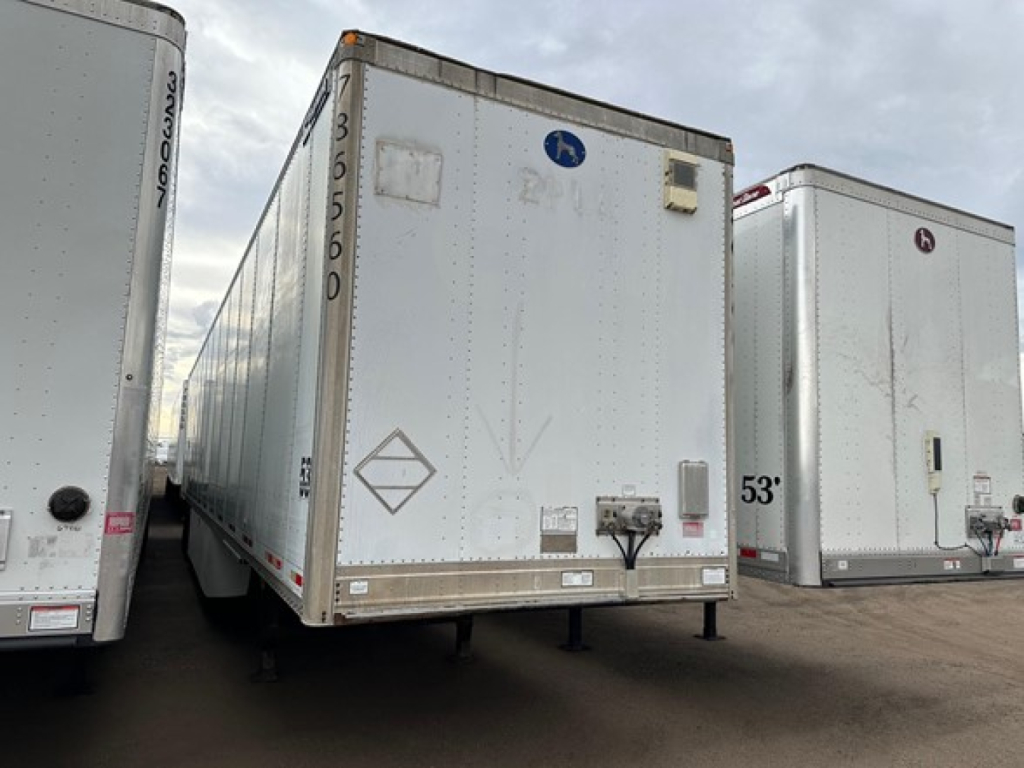
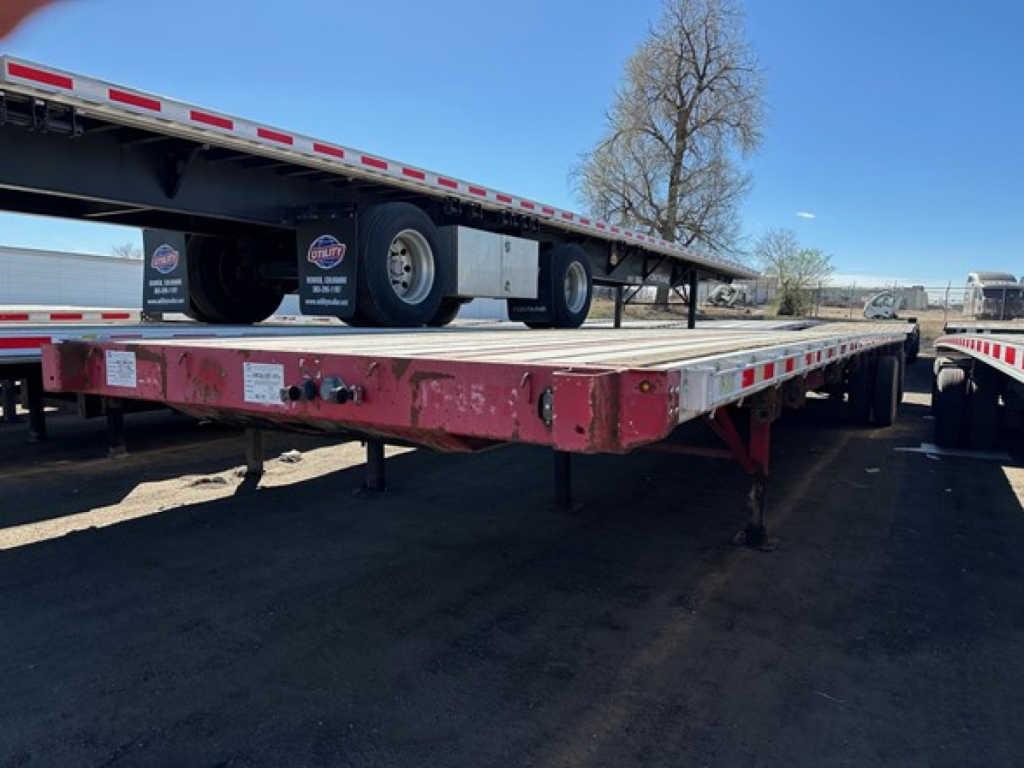
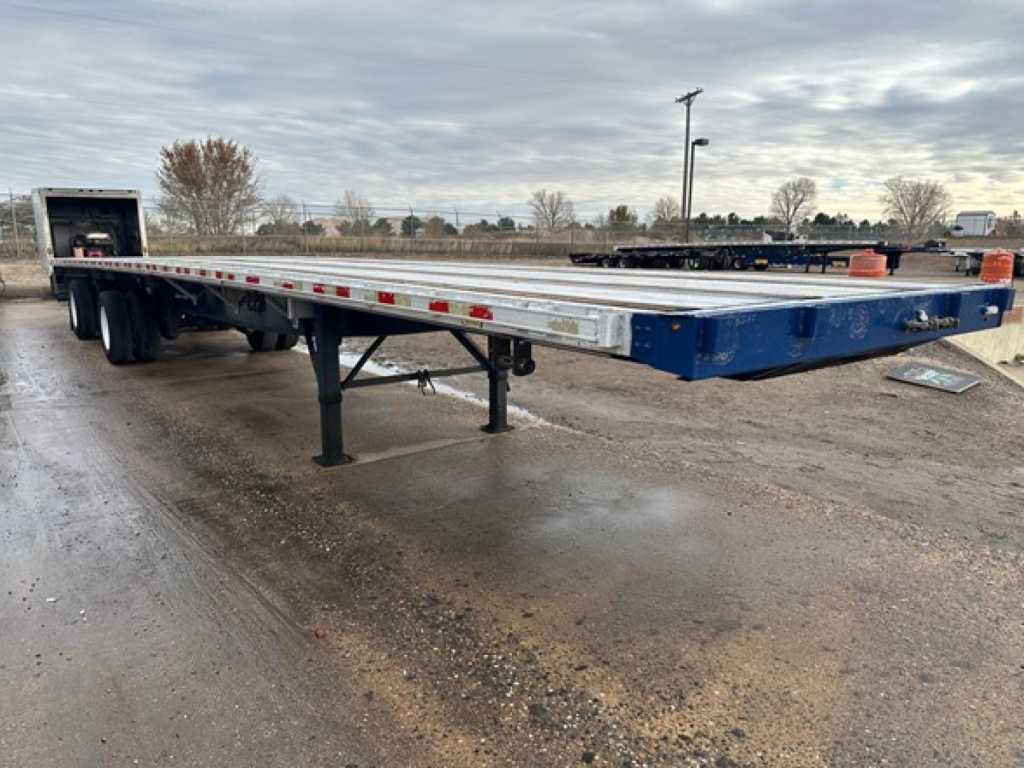
Showing 13 to 24 of 28 results
Have used great dane trailer to sell? List it here to reach thousands of buyers.
About Used Great Dane Trailers in Colorado
On used reefer trailers, the most important buying points are unit hours, maintenance records, floor condition, door configuration, and suspension setup. Common specs include 53-foot and 45-foot lengths, 102-inch width, 13-foot 6-inch height, sliding tandems, air ride or spring ride suspension, scuff liners, E-track, stainless steel rear frames, and aluminum or wood flooring depending on age and original application. Multi-temp setups with bulkheads or multiple evaporators can add value for grocery and route distribution, but they also add complexity and repair cost. In Colorado, reefer buyers should pay close attention to insulation integrity, door seal condition, and refrigeration performance at elevation and in winter conditions.
Used Great Dane flatbeds appeal to carriers hauling building products, steel, machinery, pipe, and general commodity freight. The Freedom LT and similar combo configurations are popular because they keep weight down without giving up the structural durability owner-operators and regional fleets need. Buyers typically compare deck condition, crossmember spacing, winch track and sliding winch count, stake pockets, pipe spools, tire inflation systems, suspension type, and whether the trailer is California legal or set up for bridge-law flexibility. A fixed spread axle can be useful for weight distribution, while a sliding tandem may offer more versatility depending on lanes and customer requirements.
For any used Great Dane trailer, condition matters more than model year alone. Look closely for floor wear, roof or sidewall repairs, rear frame damage, tire wear patterns, brake condition, and signs of alignment issues or neglected suspension components. On reefers, check the bulkhead, drains, chute, interior lining, and the reefer unit service history. On flatbeds, inspect the deck fasteners, rub rail, main beams, and areas around concentrated load points. Great Dane has a long reputation in the trailer market, so parts support and shop familiarity are generally strong, which helps keep a used trailer productive after purchase.
Frequently Asked Questions
What should I check first on a used Great Dane reefer trailer?
Start with the refrigeration unit hours, service records, and a live performance check under load or during a proper pre-cool cycle. After that, inspect the floor, interior lining, door seals, rear frame, and suspension. A reefer body can look decent from the outside and still have expensive issues such as soft floor sections, leaking doors, damaged insulation, or deferred unit maintenance.
Are Great Dane flatbed trailers a good choice for general freight?
Great Dane flatbeds are widely used for general commodity freight because many are built as combo trailers with steel main beams and aluminum components. That setup gives buyers a practical balance of structural strength and reduced tare weight. For haulers moving building materials, steel, equipment, or pipe, the value usually comes down to deck condition, securement features, axle configuration, and prior maintenance rather than brand name alone.
What is the difference between a multi-temp reefer and a standard single-temp reefer?
A multi-temp reefer is equipped to carry products requiring different temperature zones in the same trailer, often using bulkheads and multiple evaporators. A single-temp reefer cools the trailer as one continuous zone. Multi-temp trailers are useful in foodservice and route distribution, but they are more complex and can bring higher maintenance costs due to added components, controls, and interior hardware.
Why do Colorado buyers pay close attention to suspension and tires on used trailers?
Colorado operation can mean mountain grades, temperature swings, and long regional runs, so suspension condition and tire health matter for both safety and operating cost. Uneven tire wear can point to alignment, axle, or suspension issues. Air ride systems often protect sensitive freight better, while tire inflation systems can help control maintenance expense and reduce roadside failures on high-mileage trailer work.
Is a newer used Great Dane trailer always the better buy?
Not necessarily. A newer trailer may have updated components, but a well-maintained older trailer can be the stronger value if it has solid structural condition and documented upkeep. Buyers should compare actual wear items such as floors, brakes, tires, wheel ends, suspension parts, and reefer unit history instead of relying on model year alone. In many cases, maintenance discipline is a better predictor of future cost than age.