
Great Dane Trailers For Sale in New York
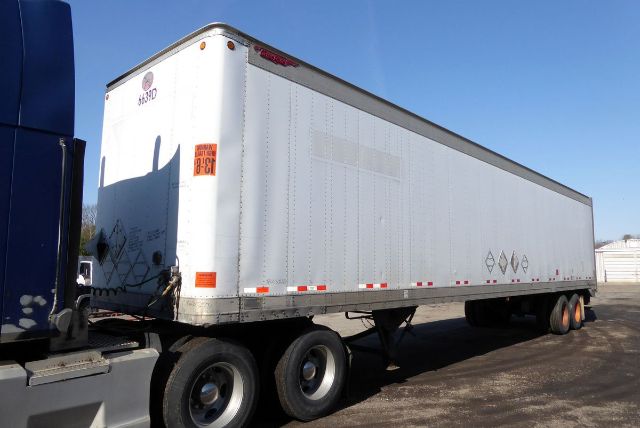
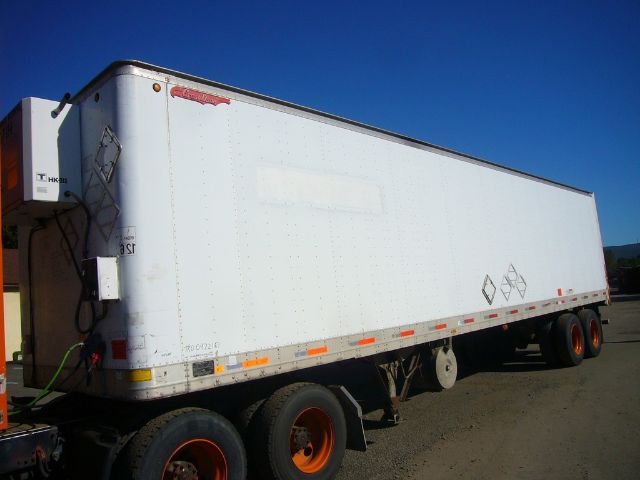
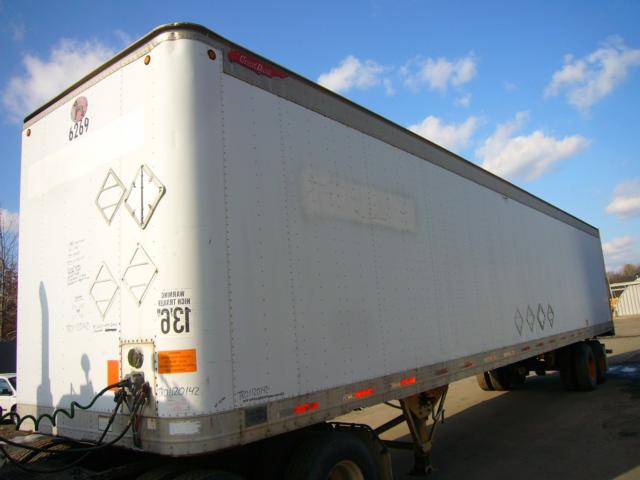
Shop Great Dane trailers for sale, including dry vans with aluminum construction, tandem axles, common 48-foot and 53-foot lengths.
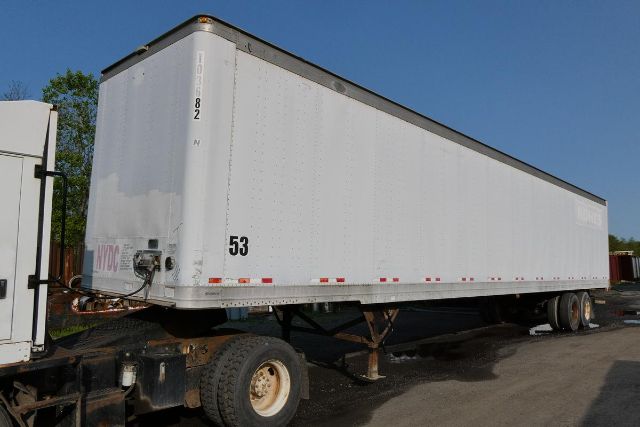
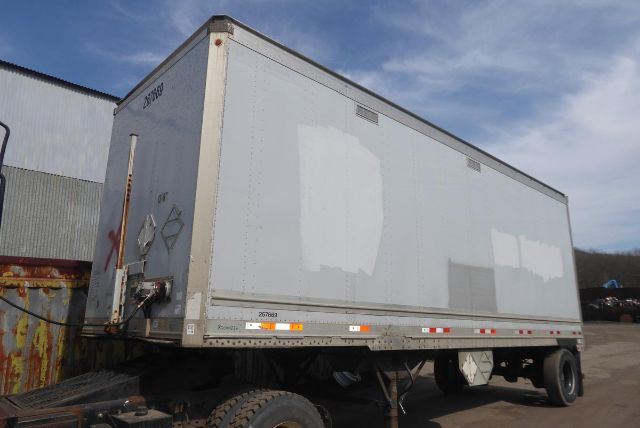
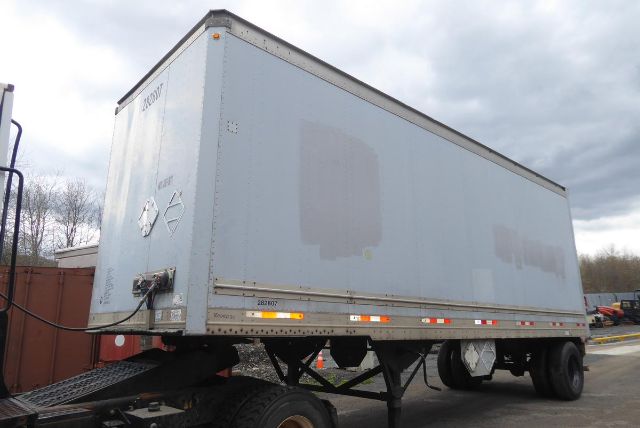
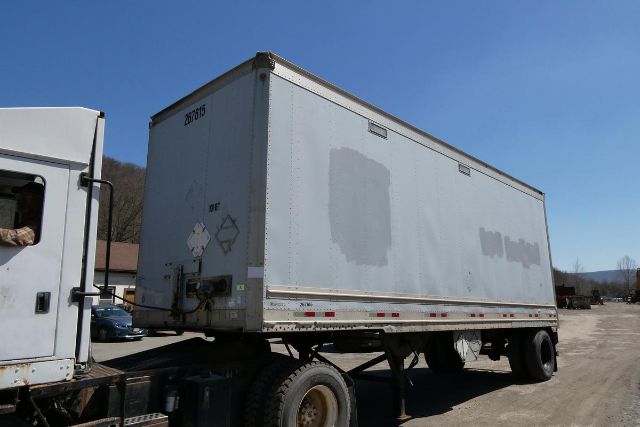
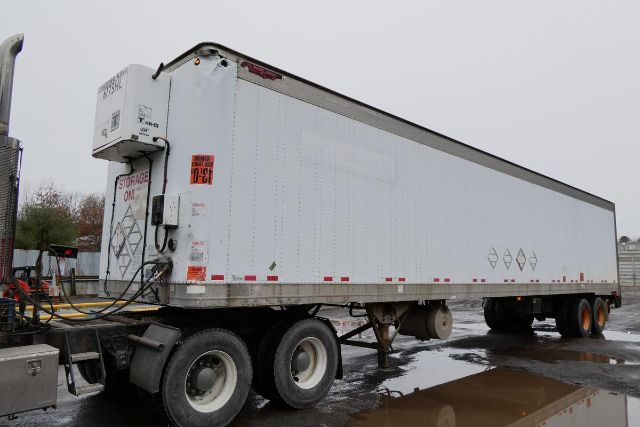
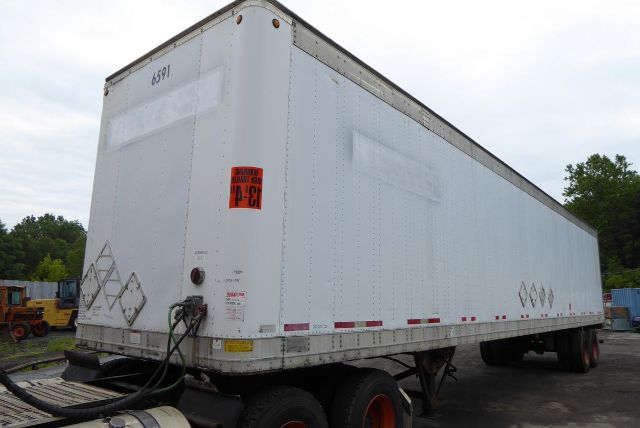
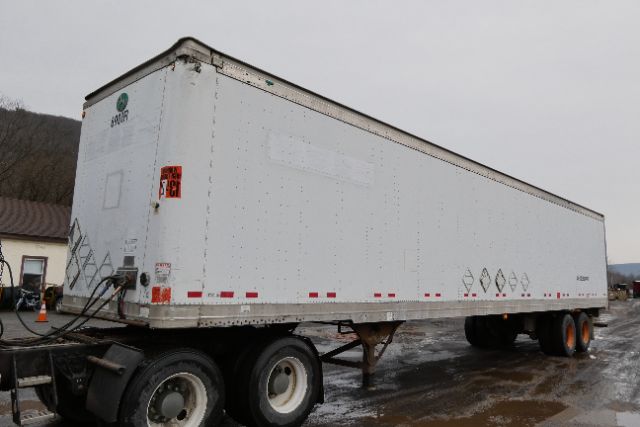
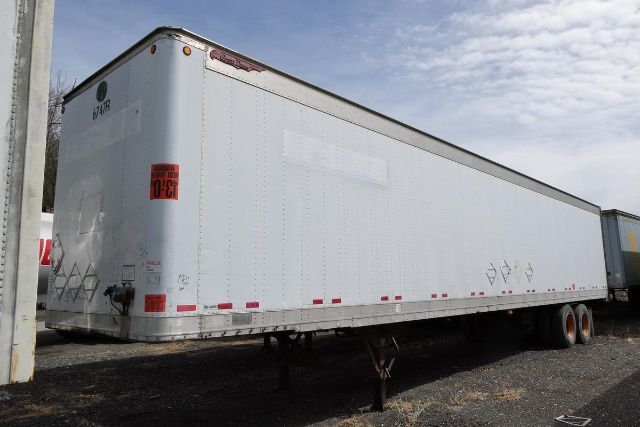
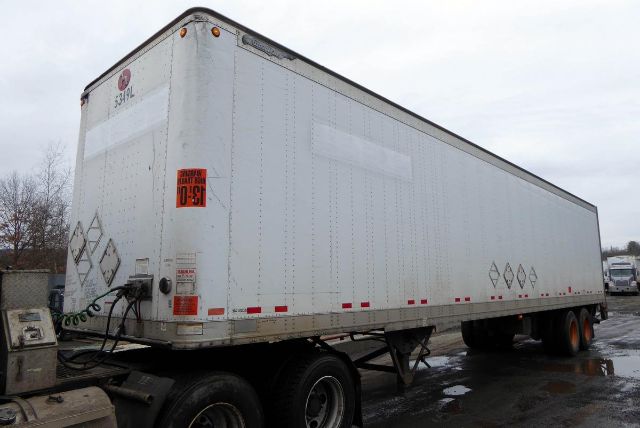
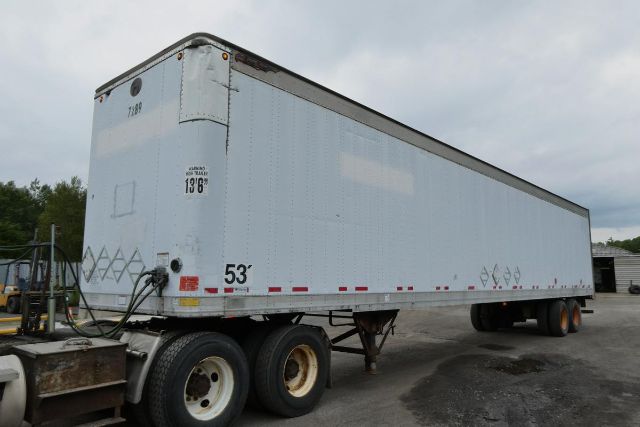
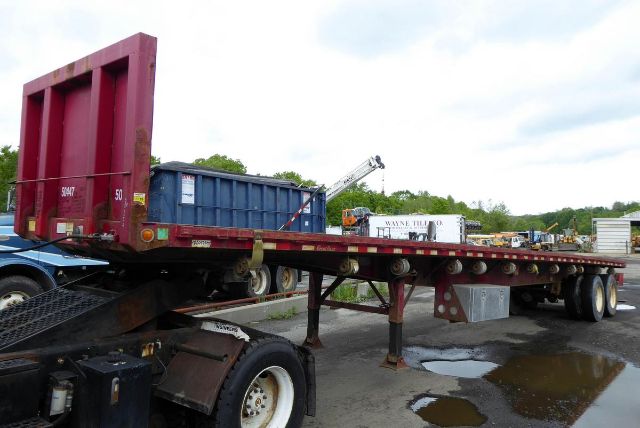
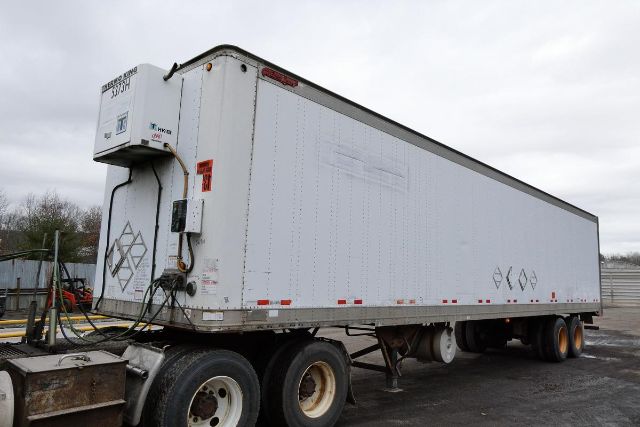
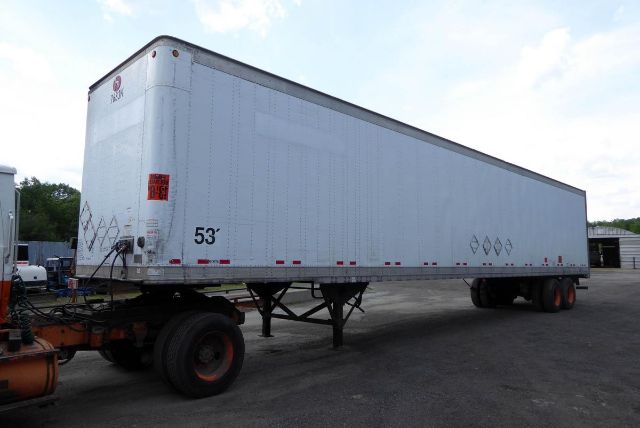
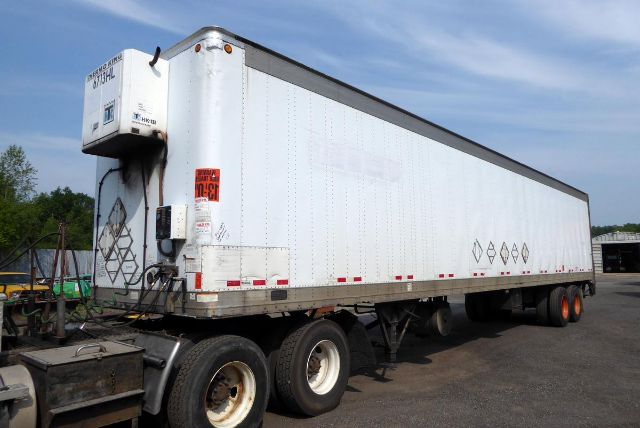
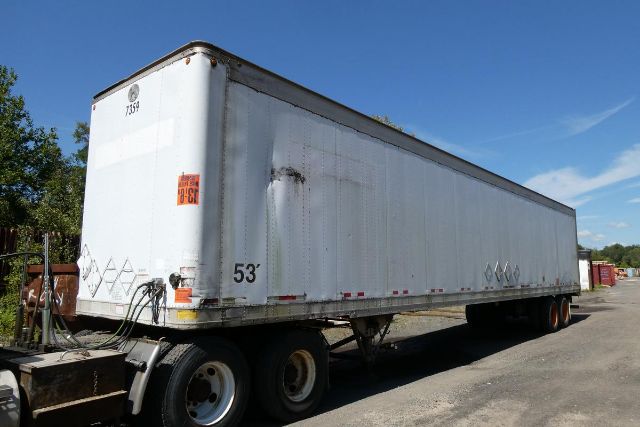
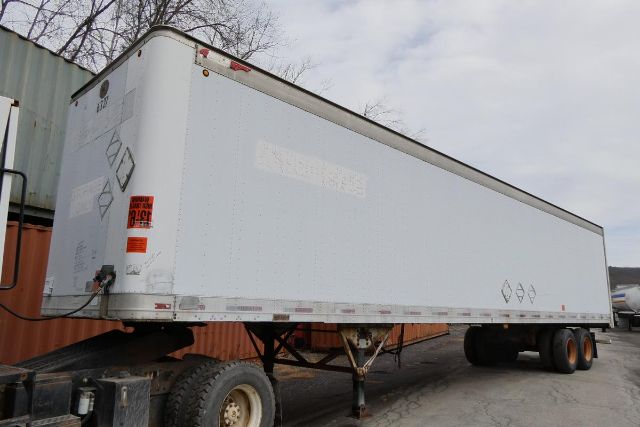

Showing 49 to 72 of 73 results
Have great dane trailer to sell? List it here to reach thousands of buyers.
Great Dane Trailers in New York
A lot of Great Dane dry vans are built with aluminum sidewall construction and either aluminum or translucent roofs, paired with wood or wood-over-steel floors. That mix is common for fleets that need a lighter trailer without giving up floor durability. Sliding tandem suspensions are especially common on over-the-road units and give operators more flexibility on weight distribution and kingpin setting compliance. Suspension type is worth checking closely. Spring ride trailers are straightforward and economical to maintain, while air ride can offer better cargo protection for sensitive freight. Rear door configuration also changes the trailer's best use. Roll-up doors are practical for frequent dock work and city stops, while swing doors usually provide full rear opening clearance for high-cube freight and forklift access.
For buyers focused on application, Great Dane vans are often used in general freight, retail replenishment, LTL, route delivery, and warehouse-to-warehouse moves. Common specs to compare include trailer tare weight, floor condition, crossmember integrity, roof type, rear frame condition, and tire and brake life. On older dry vans, pay close attention to scuff liners, side sheet repairs, drip rail condition, landing gear wear, and signs of floor rot around the threshold or high-traffic forklift lanes. If the trailer has a sliding tandem, inspect the slider box, pins, and rail wear. In northern states like New York, corrosion around the rear sill, suspension mounts, brake components, and electrical connections deserves extra attention because winter road treatment can shorten service life if maintenance has been deferred.
Great Dane has long been known for fleet-spec dry vans that are easy to integrate into mixed operations. That makes them a practical choice for buyers who want standard dimensions, readily understood parts and repair requirements, and equipment that fits a broad range of freight. Also known simply as dry van trailers or van trailers, these units are usually selected on condition and specification more than branding alone. The smart buy is the trailer that matches your freight profile, dock environment, maintenance budget, and legal operating needs, especially when comparing 28-foot pups against 48-foot or 53-foot highway vans.
Frequently Asked Questions about Great Dane Trailers in New York
What are the most common Great Dane trailer specs on the used market?
The most common Great Dane trailers for sale are dry vans in 48-foot and 53-foot lengths with 102-inch width, 13-foot 6-inch exterior height, tandem axles, and a 68,000-pound GVWR. Buyers will also see 28-foot single-axle or tandem pup trailers used for city delivery and doubles applications. Many are built with aluminum sidewalls, wood floors, roll-up or swing doors, and either spring ride or air ride suspension.
Is a Great Dane dry van better with spring ride or air ride suspension?
That depends on the freight and the maintenance plan. Spring ride is simpler and often less expensive to maintain, which appeals to buyers running general freight or shorter regional lanes. Air ride is usually preferred for freight that is more sensitive to shock and vibration, and it can be a better fit for higher-value or damage-prone cargo. The right choice comes down to cargo protection needs, repair costs, and the level of ride quality your operation expects.
What should I inspect first on a used Great Dane trailer?
Start with the floor, roof, rear frame, suspension, brakes, and tires because those areas drive immediate repair cost. On a dry van, floor wear from forklift traffic, soft spots near the rear threshold, roof damage, door frame issues, and corrosion around the rear sill can turn a low-priced trailer into an expensive one. If the trailer has a sliding tandem, inspect slider rails, locking pins, and wear points carefully. In states with winter road salt exposure, undercarriage corrosion should be checked closely.
Are roll-up doors or swing doors better on a Great Dane van trailer?
Roll-up doors are common on trailers used for frequent dock stops, route delivery, and operations where the driver needs quick rear access without door swing clearance. Swing doors are often preferred when full rear opening is important, especially for loading bulky freight or maximizing forklift access. The better choice depends on your dock layout, freight dimensions, and how often the trailer is loaded and unloaded in tight spaces.
Why do many buyers choose a 28-foot Great Dane pup instead of a 53-foot van?
A 28-foot Great Dane pup trailer fits operations that need tighter turning, easier access in urban areas, and compatibility with doubles service. It is a common choice for P&D work, terminal-to-terminal lanes, and local delivery routes where a full 53-foot trailer is less practical. A 53-foot van offers far more cubic capacity and is the standard for long-haul dry freight, but it requires more room and may be less efficient in dense city operations.