
Fruehauf Trailers For Sale in Pennsylvania
Shop Fruehauf trailers for sale in Pennsylvania, including dry vans and flatbeds with common specs, applications, suspension options, and setup details.
Showing 25 to 41 of 41 results
Have fruehauf trailer to sell? List it here to reach thousands of buyers.
Fruehauf Trailers in Pennsylvania
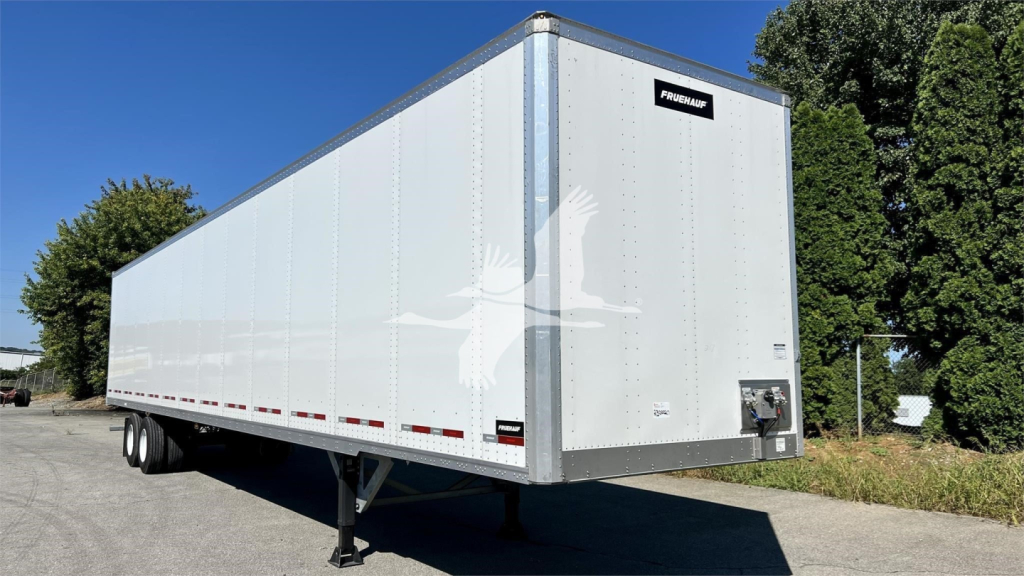
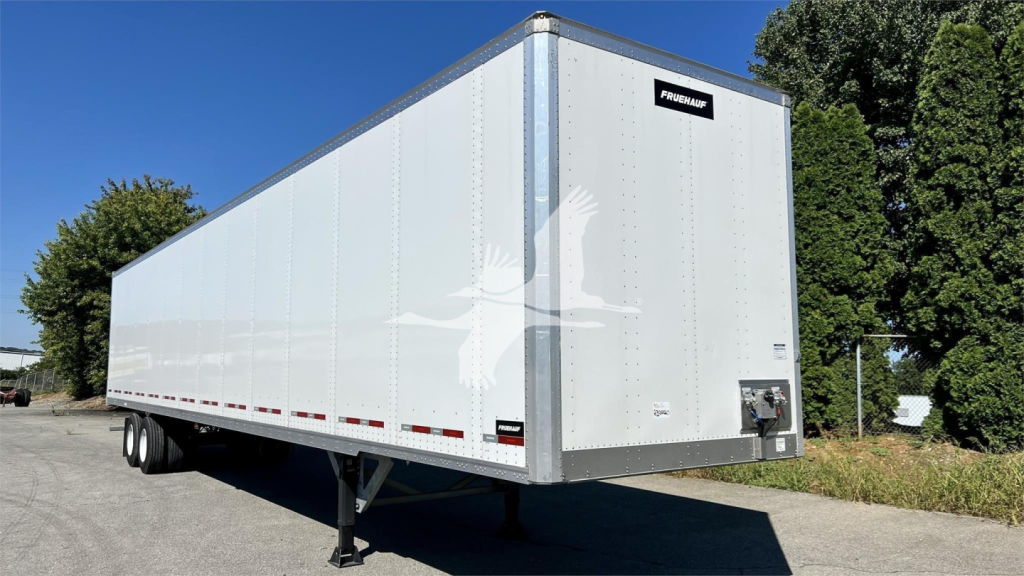
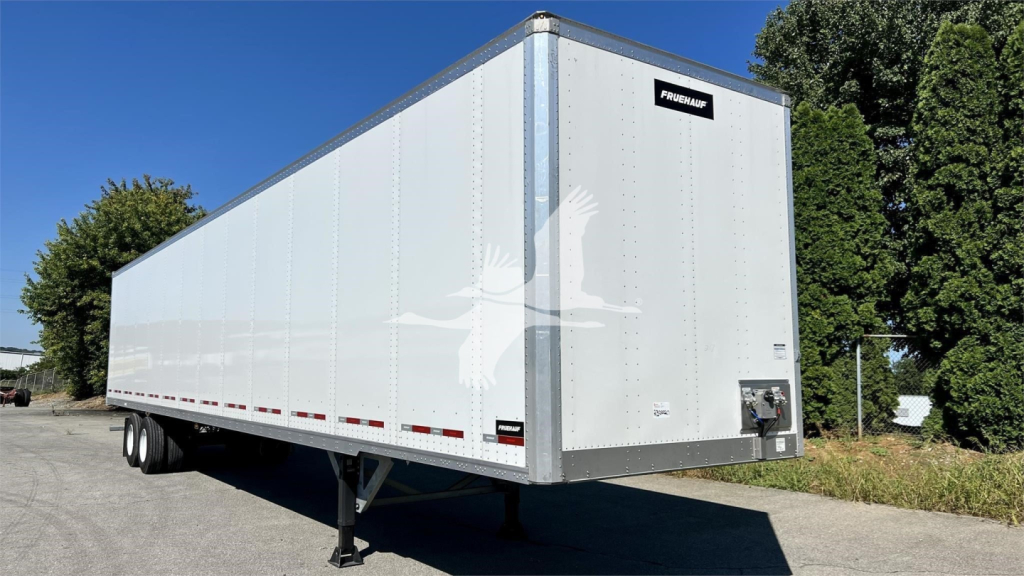
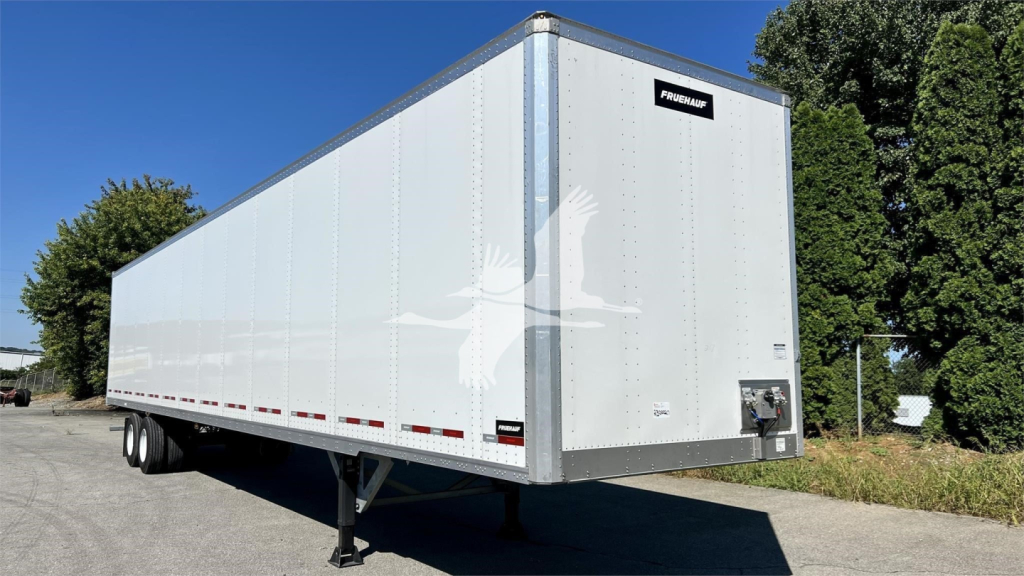
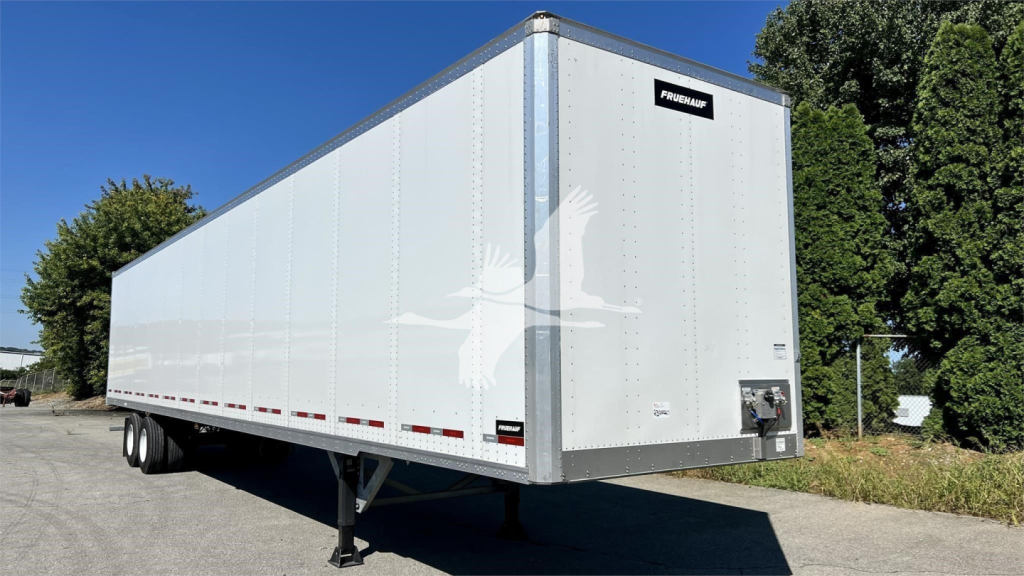
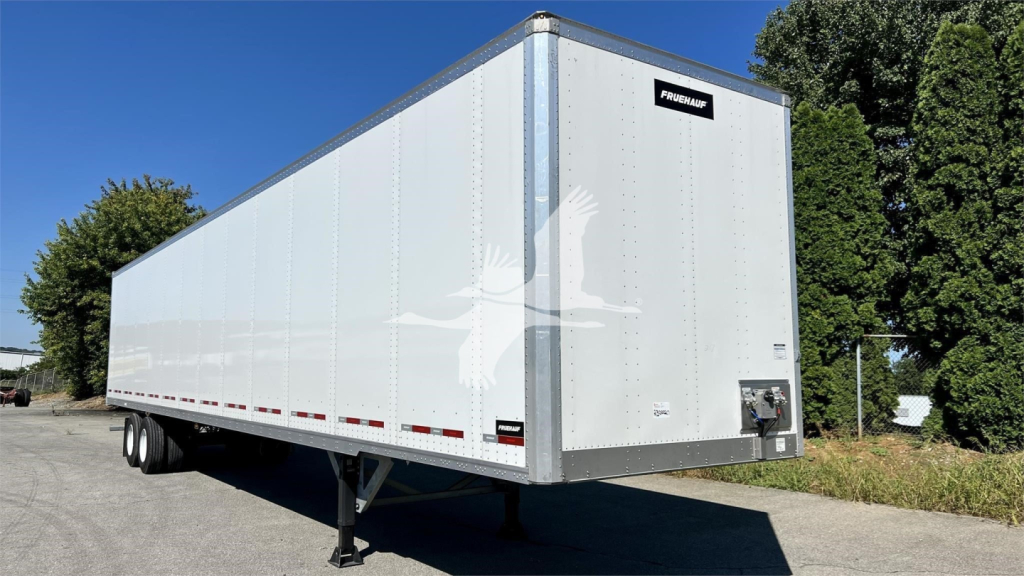
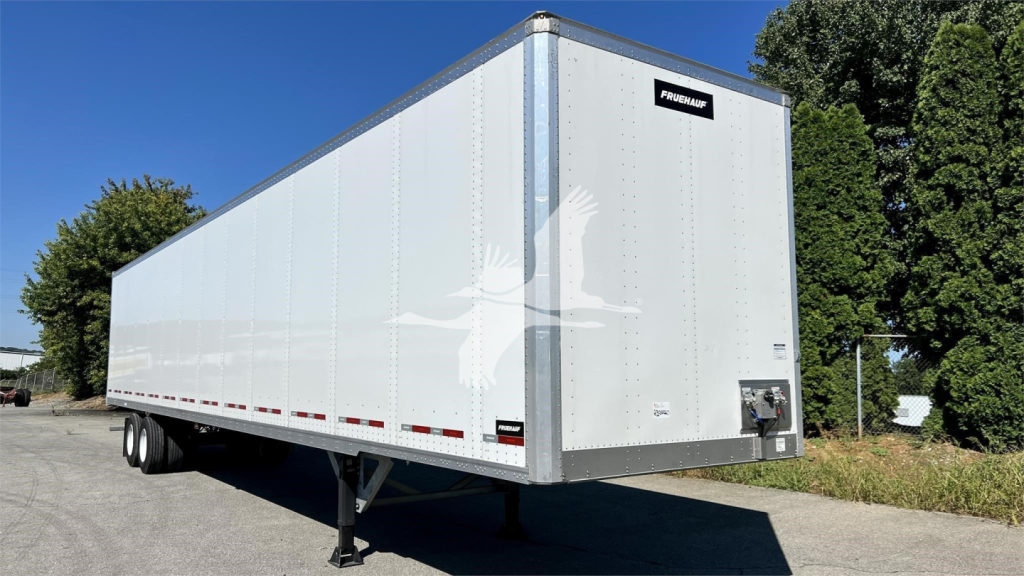
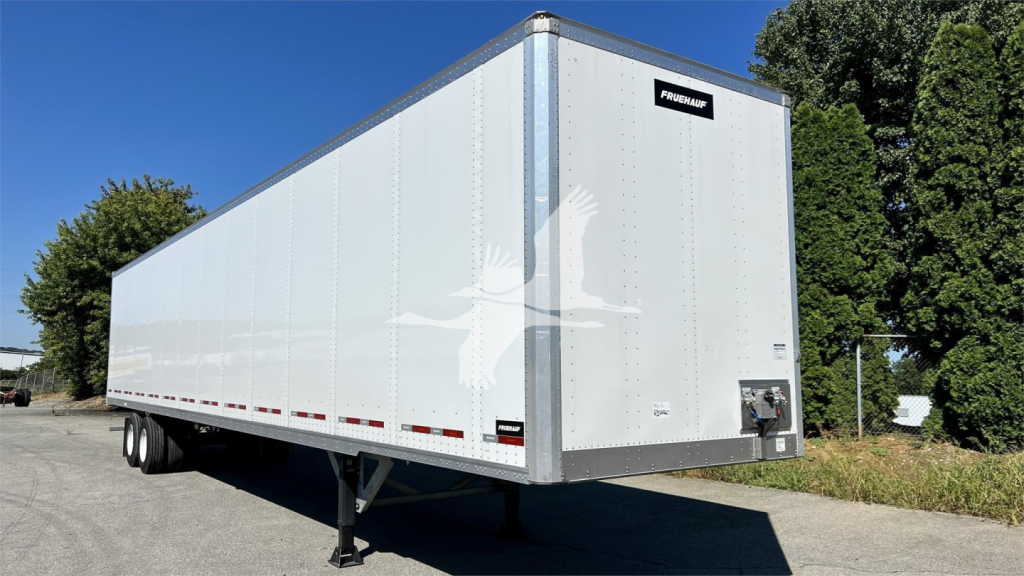
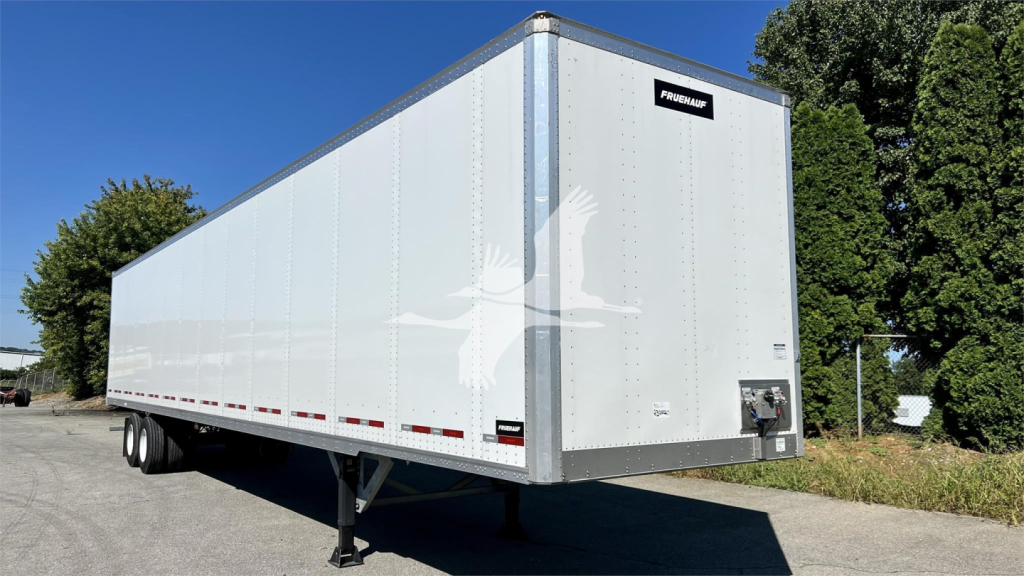
On the dry van side, a typical Fruehauf van is a 53-foot by 102-inch trailer with tandem sliding axles, a 36-inch kingpin setting, and air ride suspension. Common construction details include galvanized steel plate or composite sidewalls, aluminum roofs, anti-snag roof bows, swing doors, hardwood floors, logistics posts, and scuff liners at the sidewall and nose. Buyers comparing van trailers should pay close attention to inside height, door opening, floor thickness, crossmember spacing, and rear frame corrosion protection. In grocery, retail, consumer goods, and general dock freight, those details affect cube, forklift traffic, damage resistance, and long-term maintenance costs.
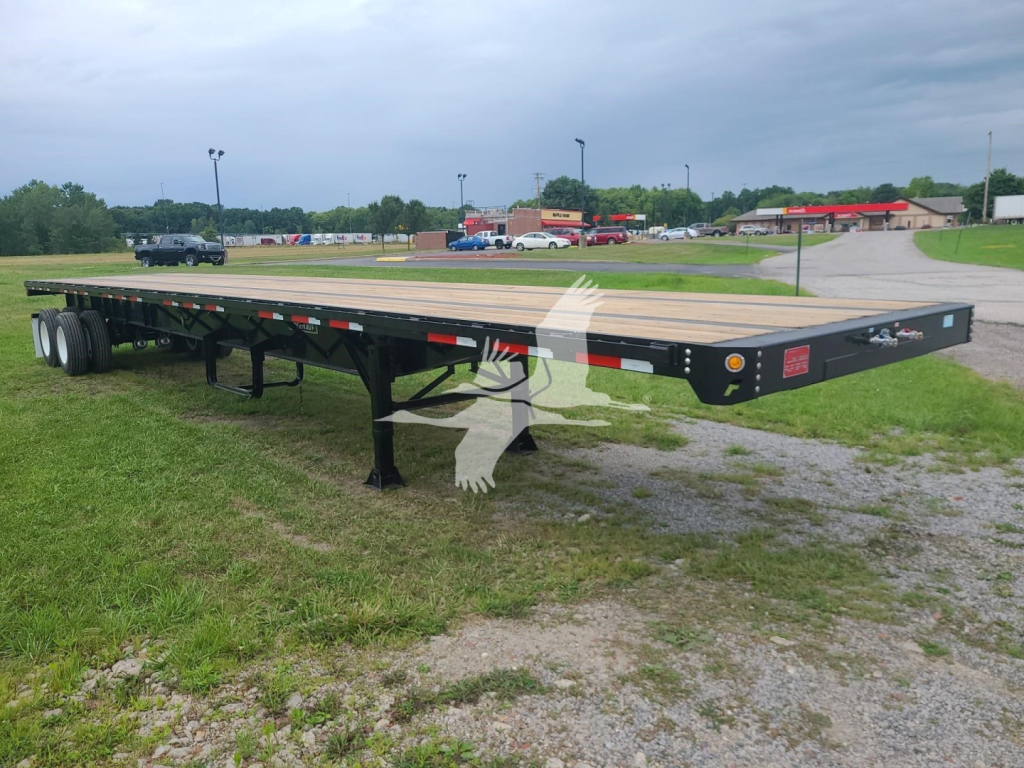
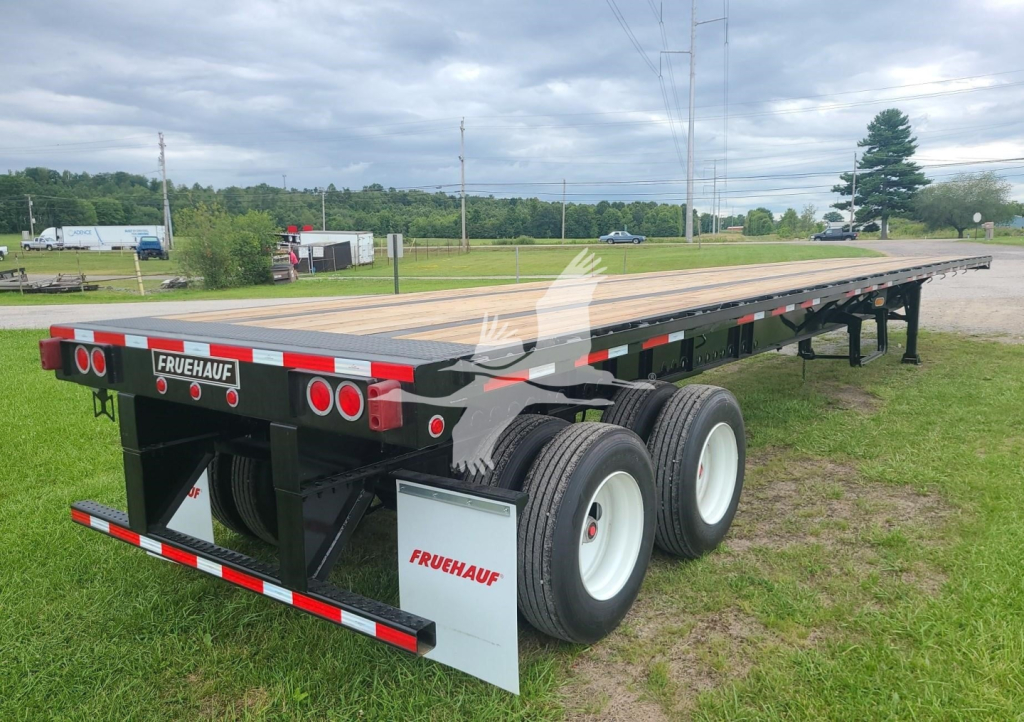
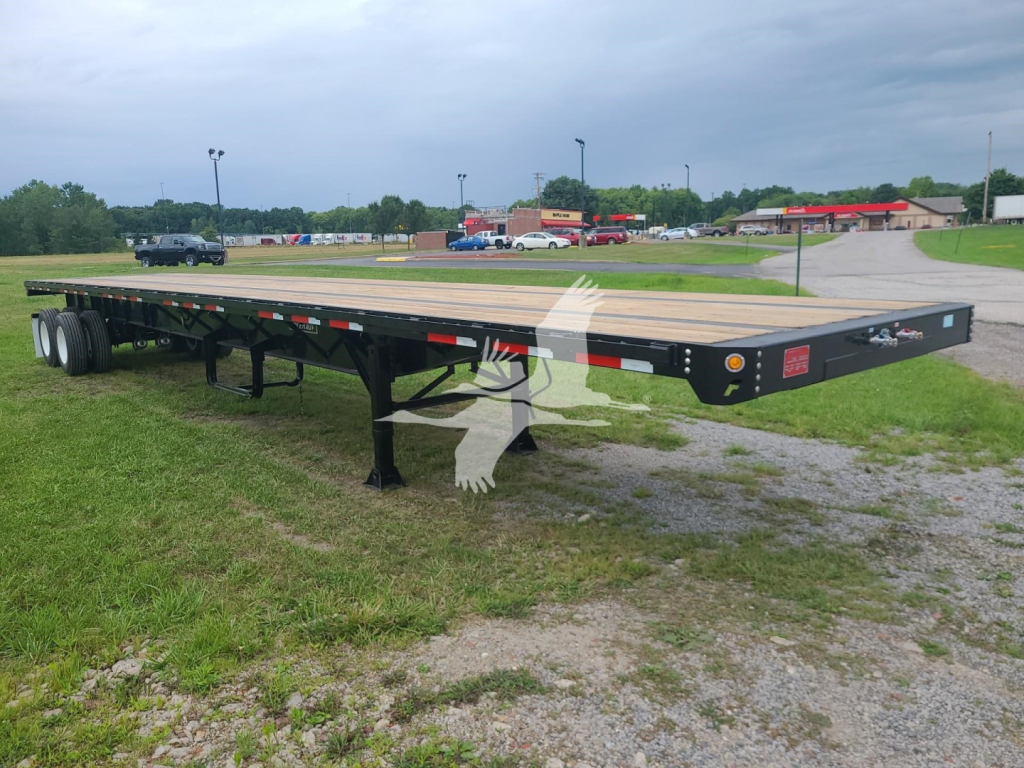
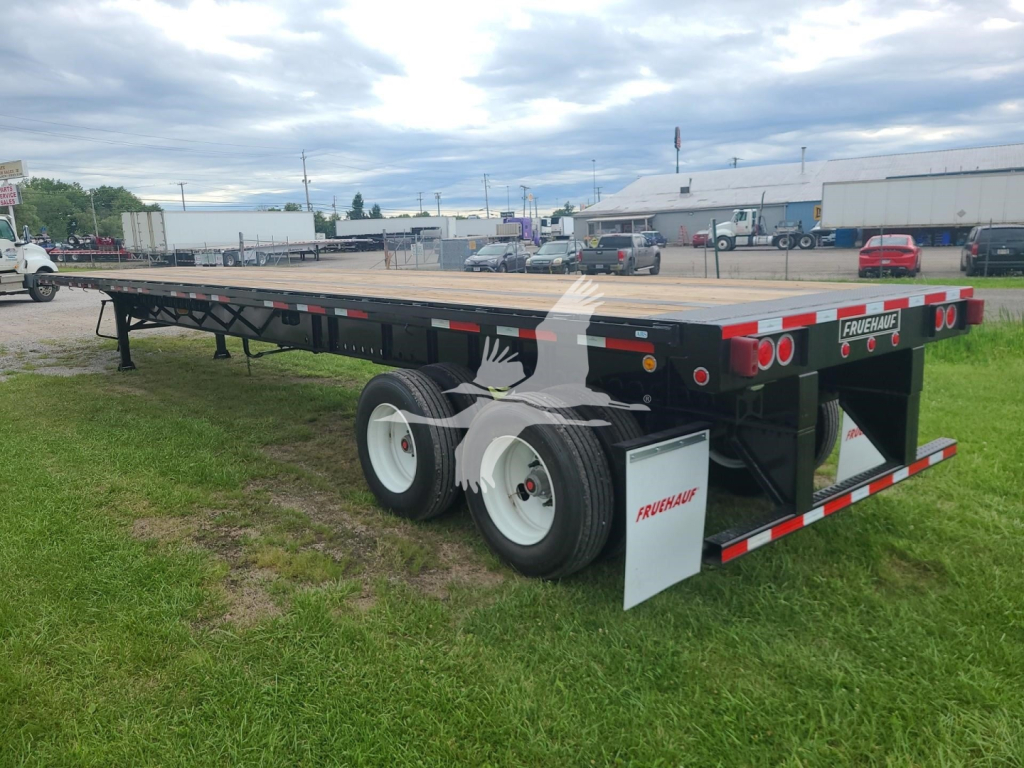
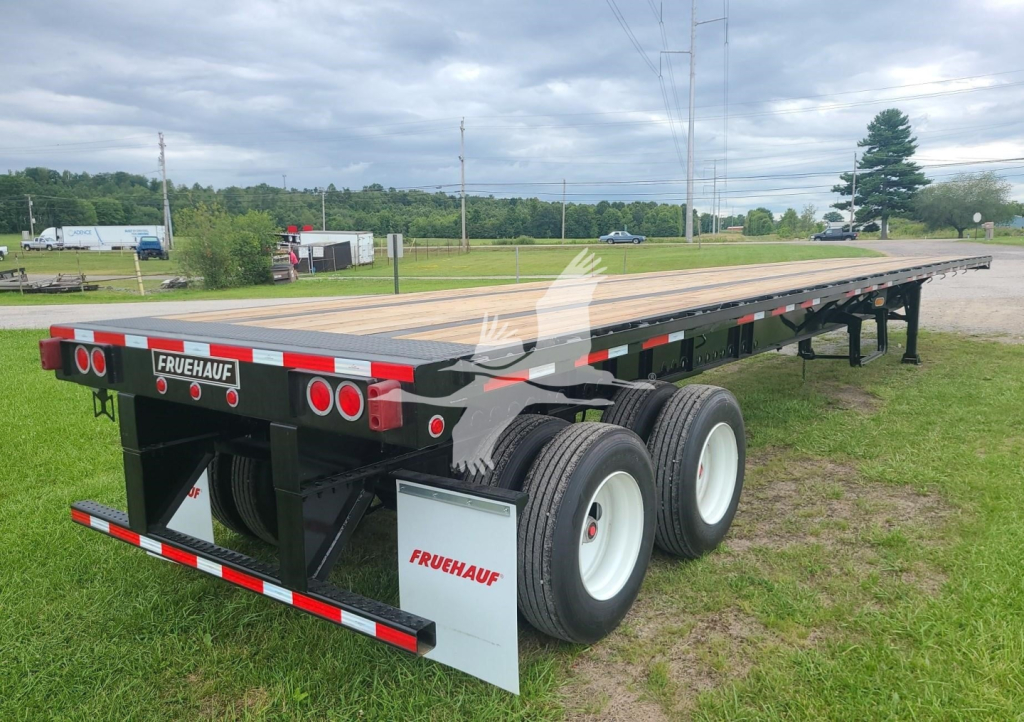
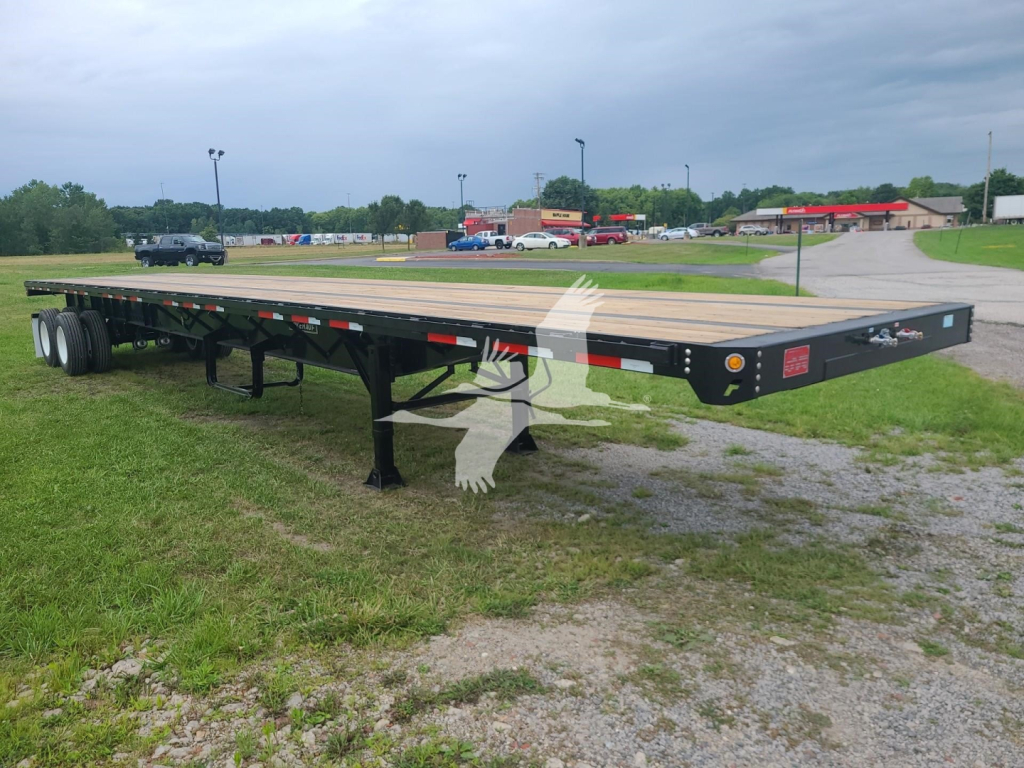
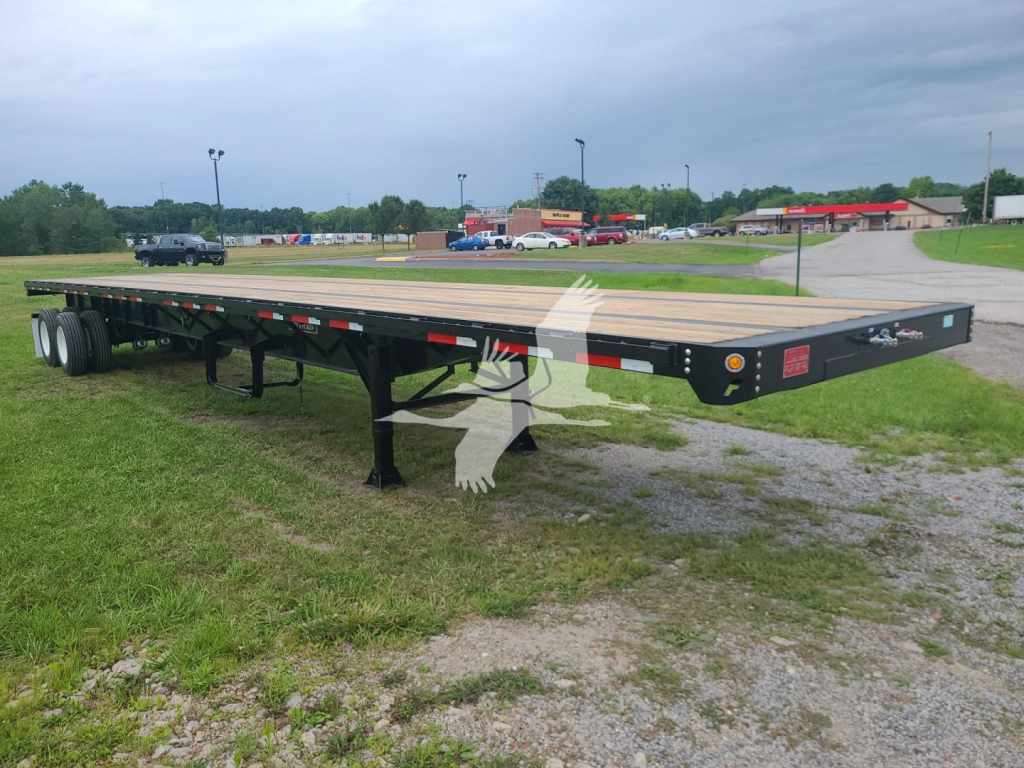
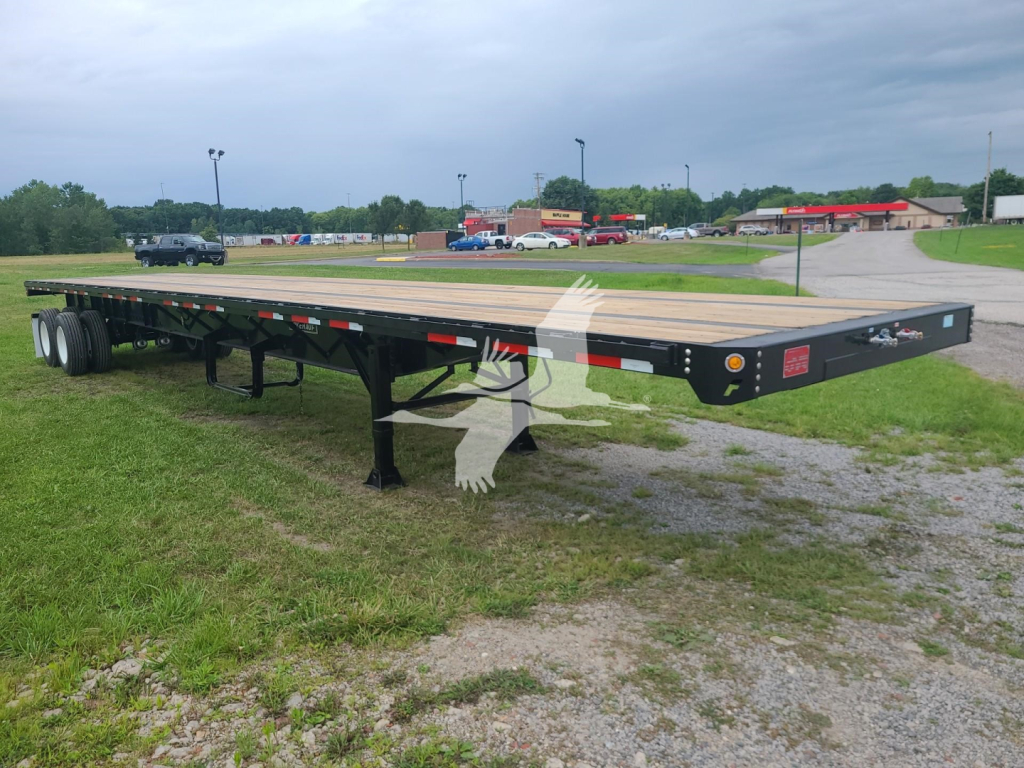
Fruehauf flatbeds are typically seen in 48-foot by 102-inch tandem slider layouts with steel main rails, Apitong flooring, stake pockets, pipe spools, roadside winch tracks, and sliding winches. Spring ride is a common setup on these trailers, and that can appeal to buyers looking for a simpler suspension package with lower replacement cost. The main buying decisions on a flatbed are frame design, floor condition, crossmember spacing, suspension type, and securement equipment. A steel flatbed with 12-inch crossmember centers and a good Apitong deck is a practical setup for steel, lumber, machinery, building products, and other freight that demands repeated chain and strap securement.
For Pennsylvania operators, corrosion resistance and underbody condition matter more than they do in milder regions. Galvanized rear frames, well-kept landing gear, sound slider components, and clean suspension hardware are worth close inspection. Tire size, wheel type, and axle slider operation also matter if the trailer will run mixed interstate, port, warehouse, and jobsite lanes. Fruehauf trailers are generally bought for practical service life rather than novelty, so the best value usually comes from matching the trailer's floor, suspension, sidewall construction, and securement package to the freight you haul every day.
Frequently Asked Questions about Fruehauf Trailers in Pennsylvania
What types of Fruehauf trailers are most common on the used market?
The most common Fruehauf trailers on the used market are dry vans and flatbeds. Dry vans are usually 53-foot tandem axle trailers built for palletized dock freight, while flatbeds are often 48-foot tandem slider trailers used for open-deck cargo. Each serves a very different job, so buyers should start with cargo type, loading requirements, and route profile before comparing construction details.
Is air ride or spring ride better on a Fruehauf trailer?
Air ride is generally preferred for dry vans and for freight that benefits from better ride quality, reduced vibration, and easier handling in dock and highway service. Spring ride is still a common and practical choice on flatbeds because it is simple, durable, and often less expensive to maintain. The better option depends on the freight, maintenance program, and how much importance you place on ride quality versus simplicity.
What should I inspect first on a used Fruehauf dry van?
Start with the floor, rear frame, doors, roof, and slider system. Check for soft or broken floor sections, rear impact damage, corrosion around the threshold and door frame, roof leaks, and excessive wear in the tandem slide rails and locking pins. It is also smart to inspect scuff liners, logistics post condition, crossmember integrity, and the suspension components because those areas affect both cargo handling and long-term repair cost.
What matters most when buying a used Fruehauf flatbed?
Deck condition, frame straightness, suspension, and securement hardware are the main priorities. Look closely at the Apitong floor for rot, broken boards, and excessive chain or forklift damage. Inspect side rails, stake pockets, winch tracks, sliding winches, crossmembers, and the slider assembly for wear or repairs. A flatbed can look serviceable from a distance but still need expensive deck or structural work if those areas are neglected.
Are Fruehauf trailers a good fit for Pennsylvania fleets?
Yes, especially when the trailer is spec'd and maintained for year-round freight conditions in the Northeast. Pennsylvania fleets often deal with road salt, mixed highway and local routes, and frequent dock cycles, so galvanized components, sound suspension hardware, and a healthy undercarriage are important. A properly spec'd Fruehauf van or flatbed can be a solid fit for regional distribution, manufacturing freight, and general over-the-road service.