
Fruehauf Flatbed Trailers For Sale in Pennsylvania
Browse Fruehauf flatbed trailers for sale in Pennsylvania, including 48-foot and 53-foot steel flatbeds with Apitong floors and slider suspensions.
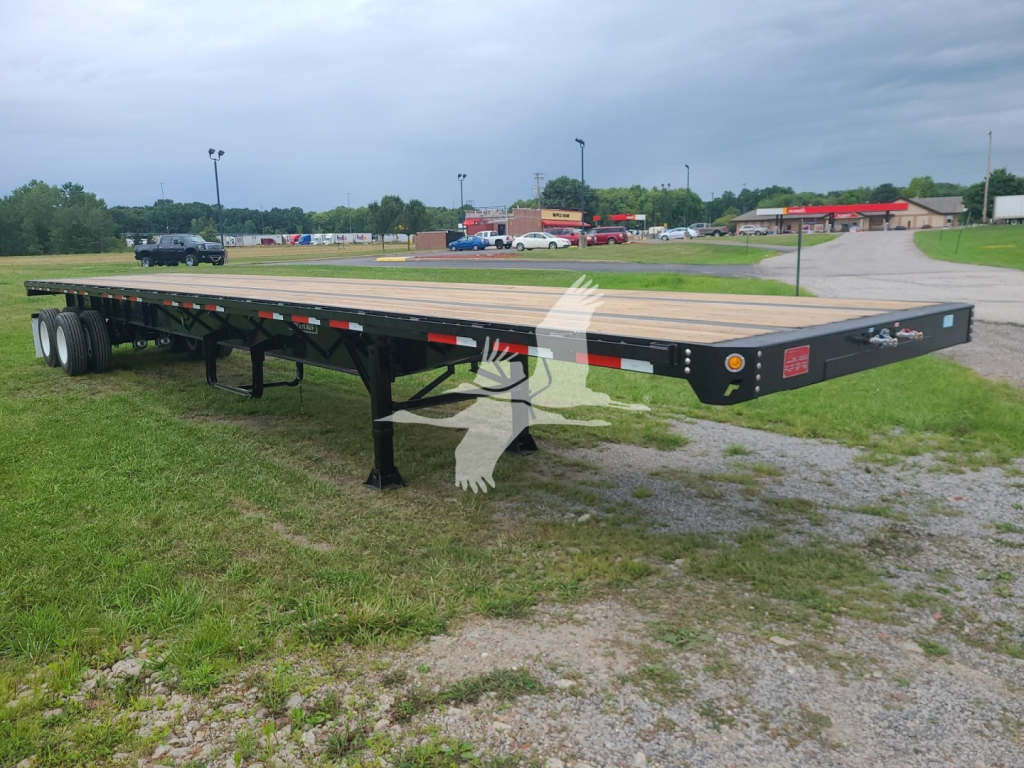
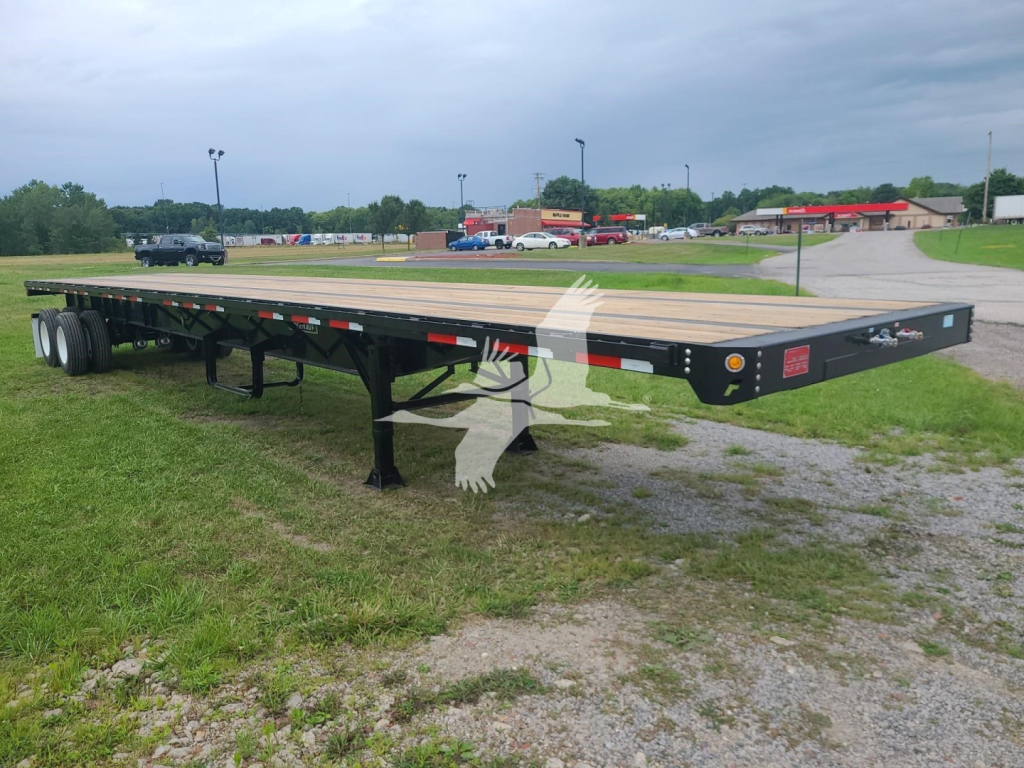
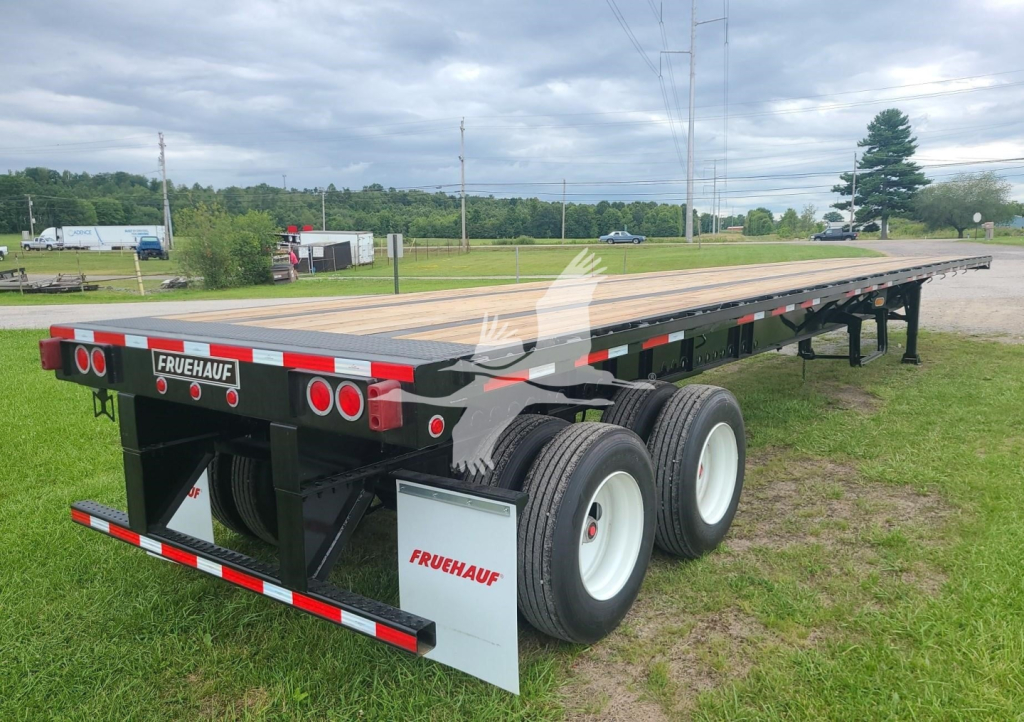
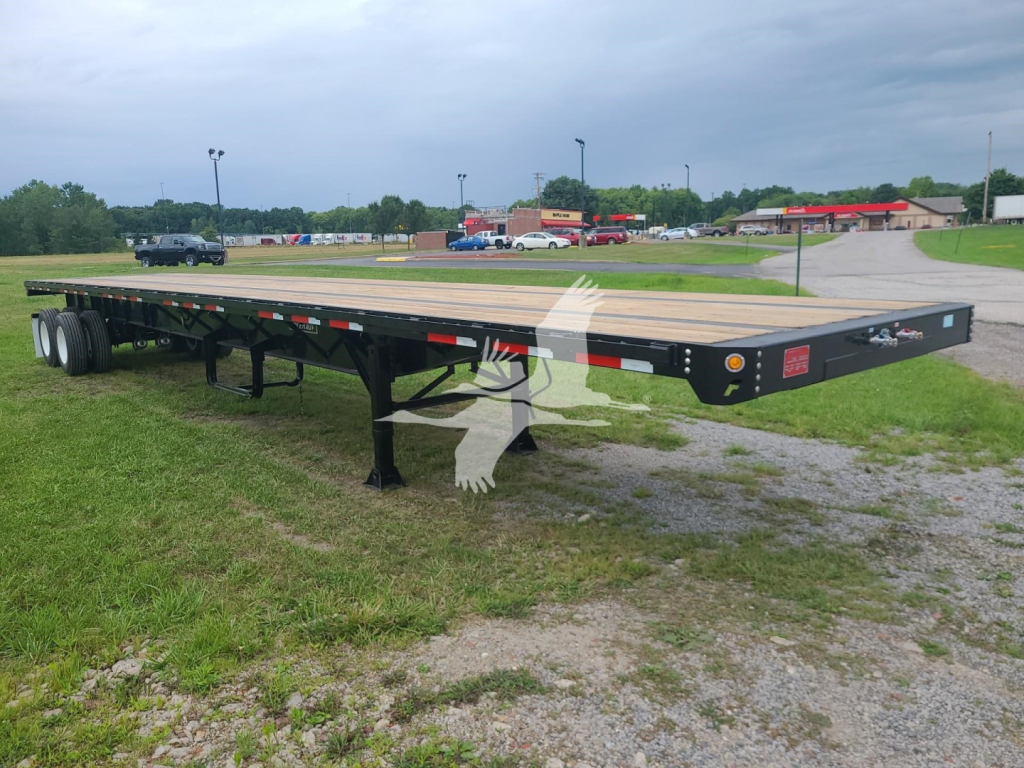
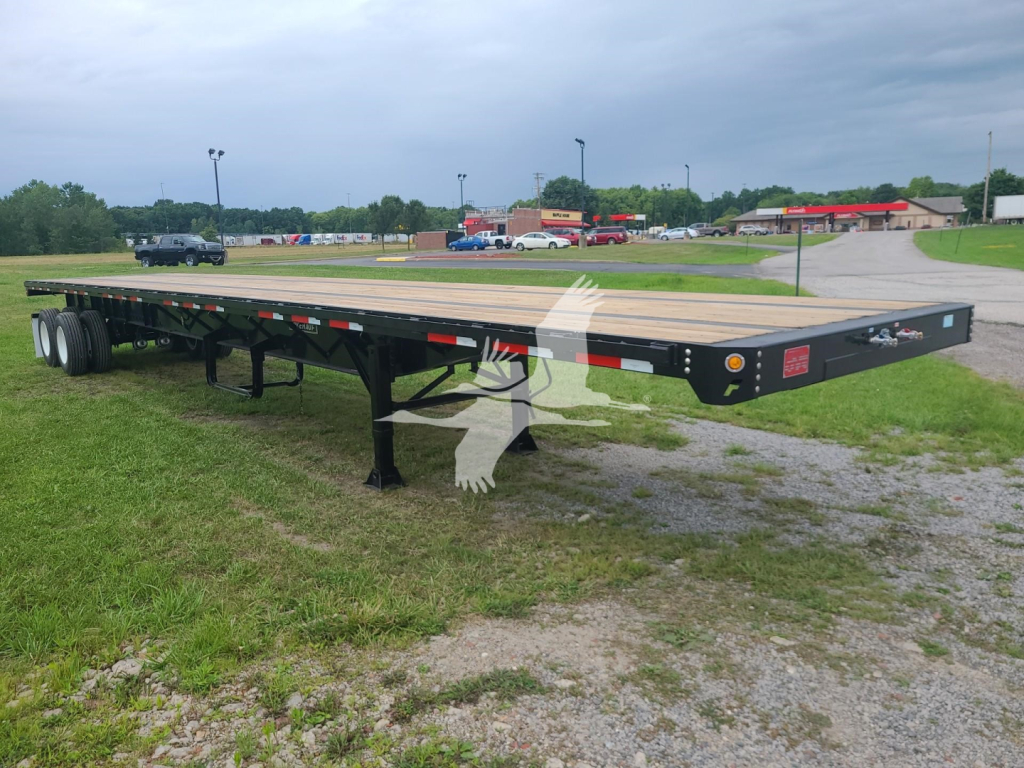
Selling a fruehauf flatbed trailer? List your fruehauf flatbed trailer for sale and reach thousands of commercial buyers.
Fruehauf Flatbed Trailers in Pennsylvania
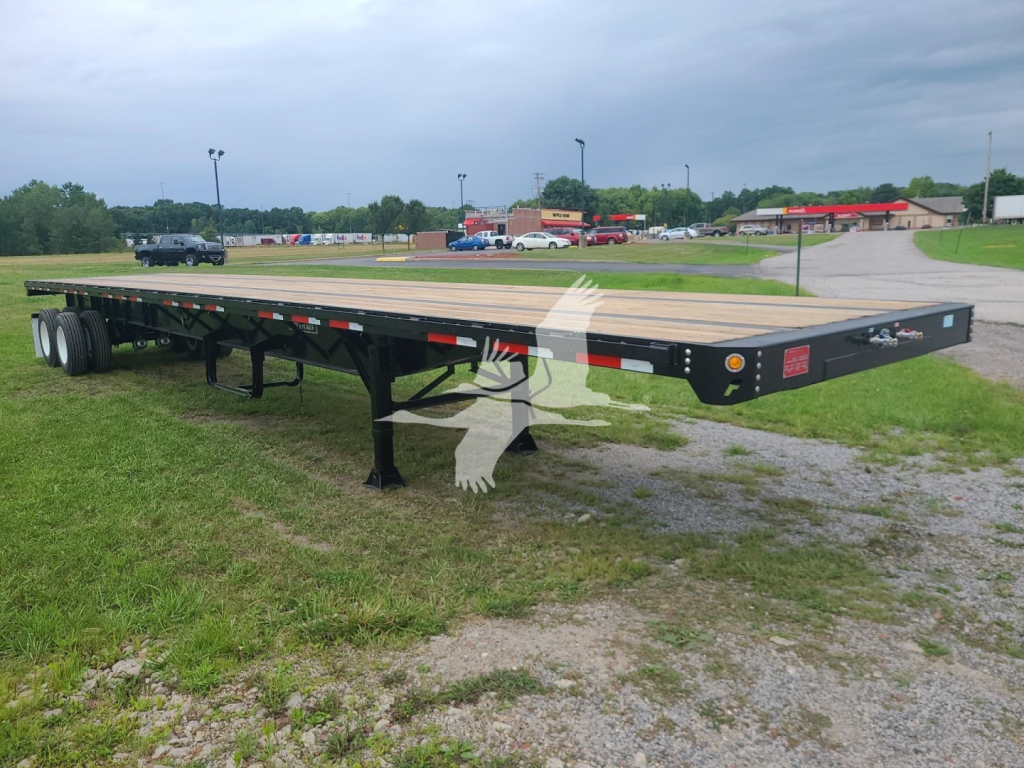
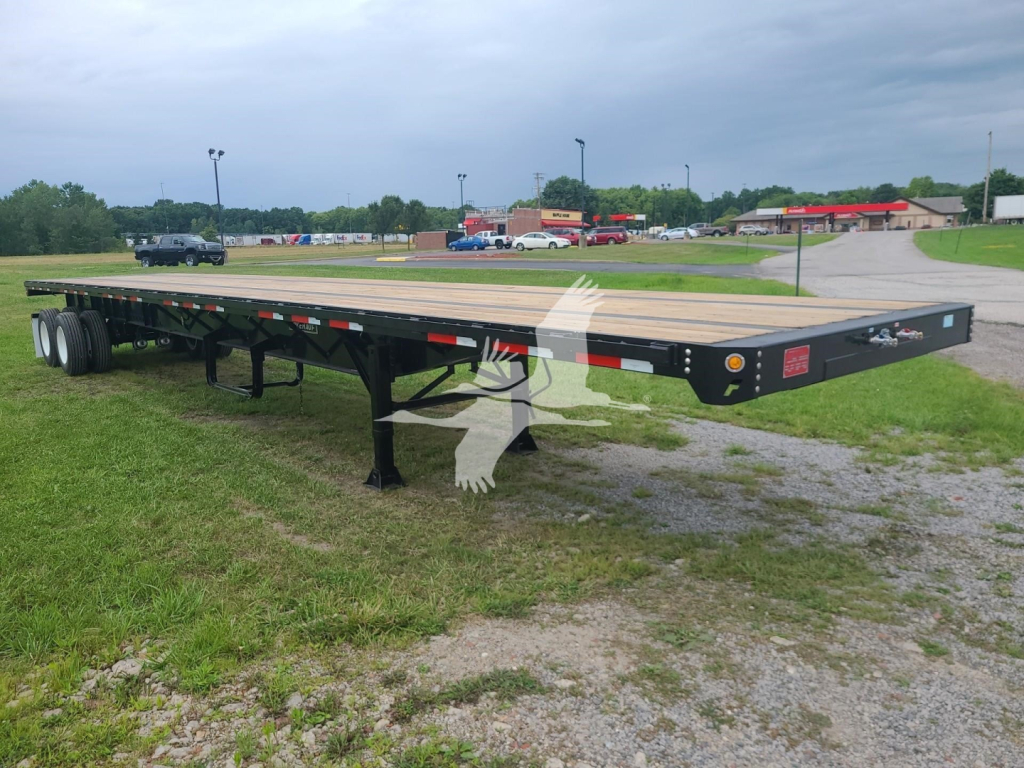
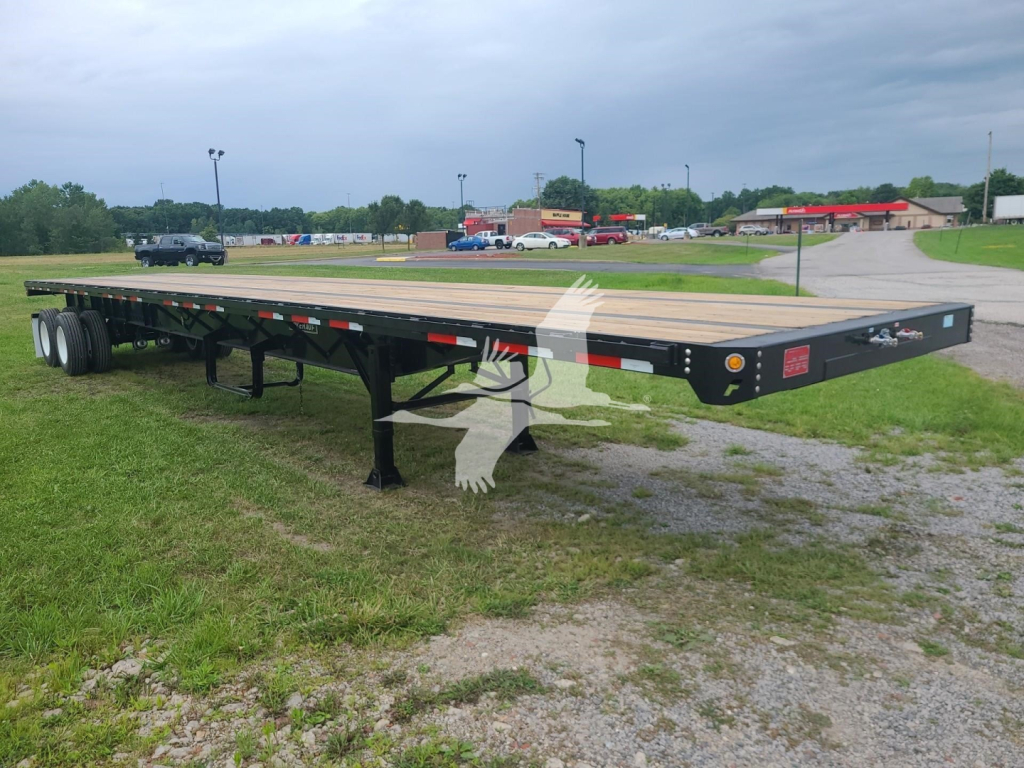
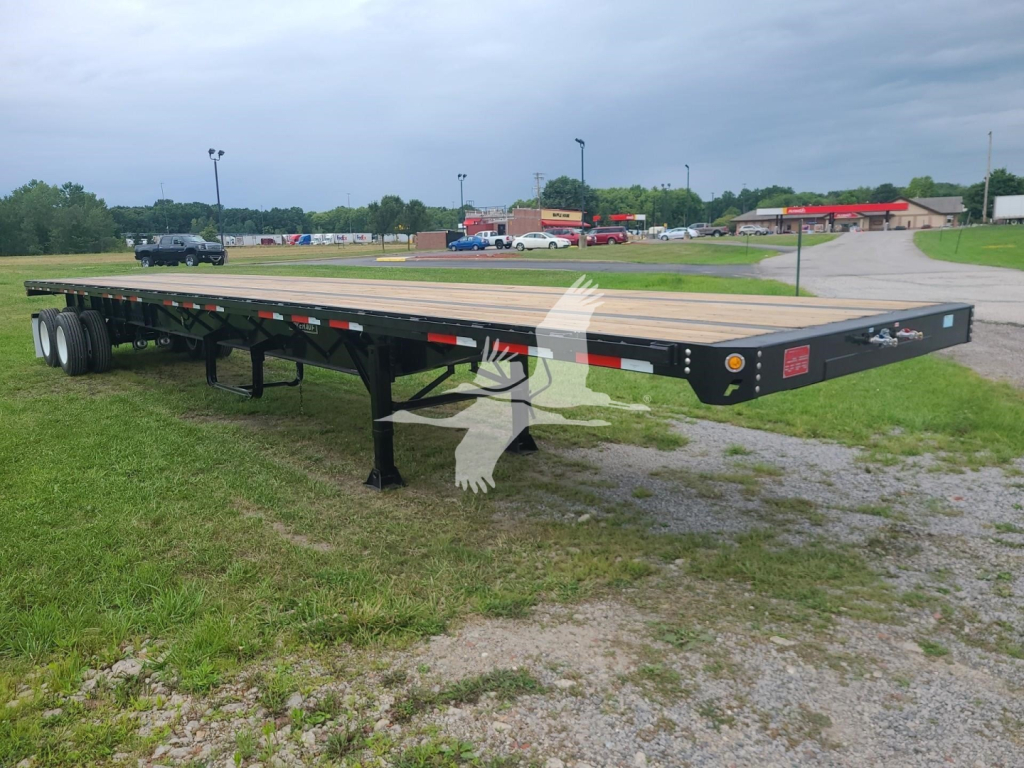
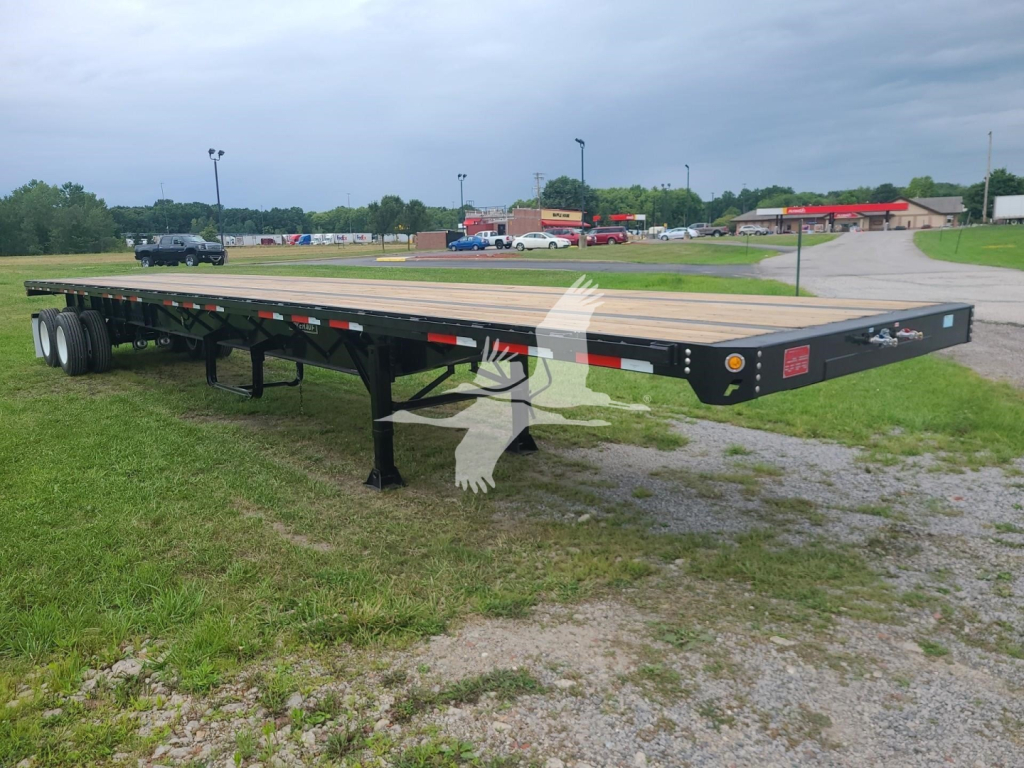
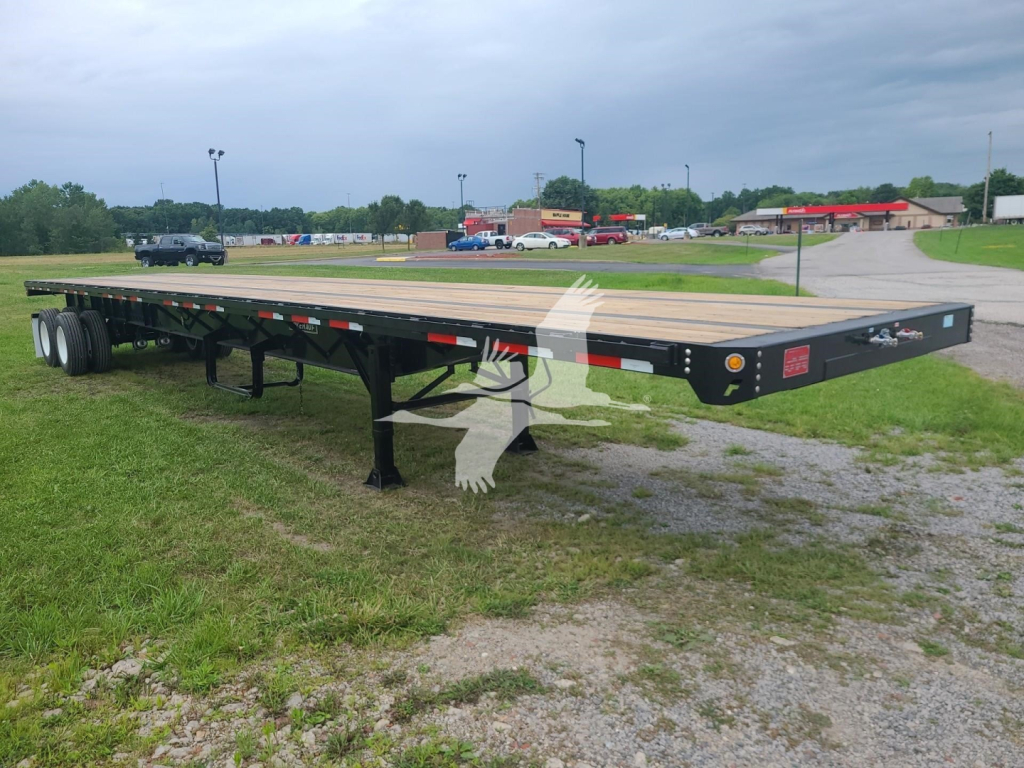
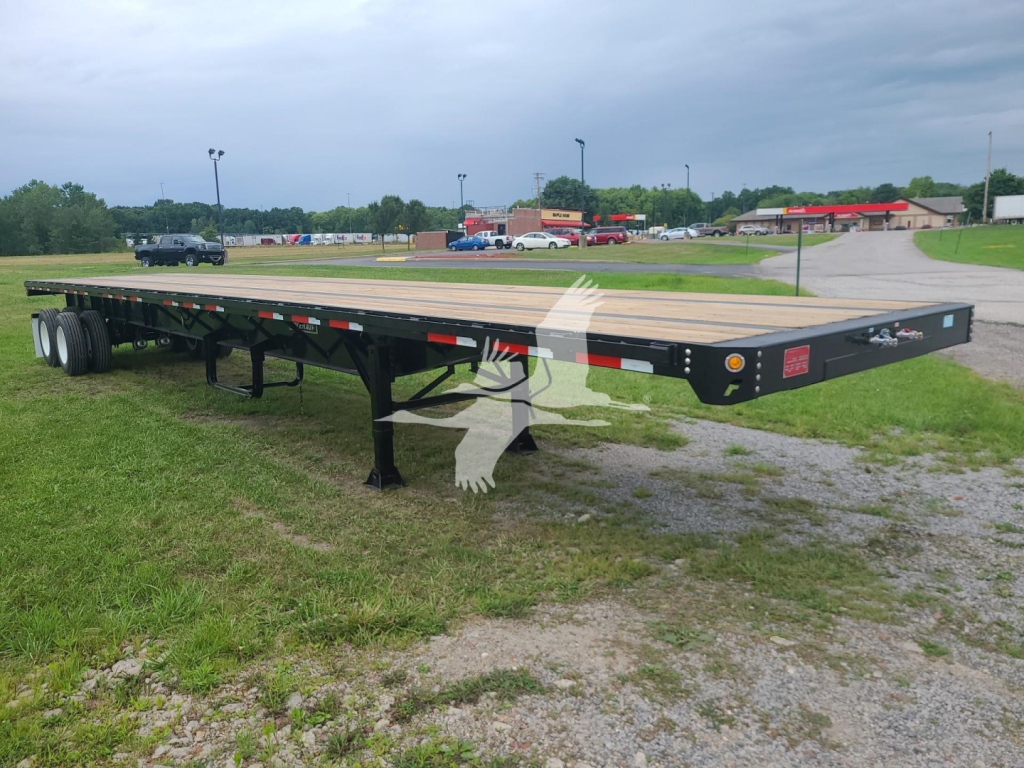
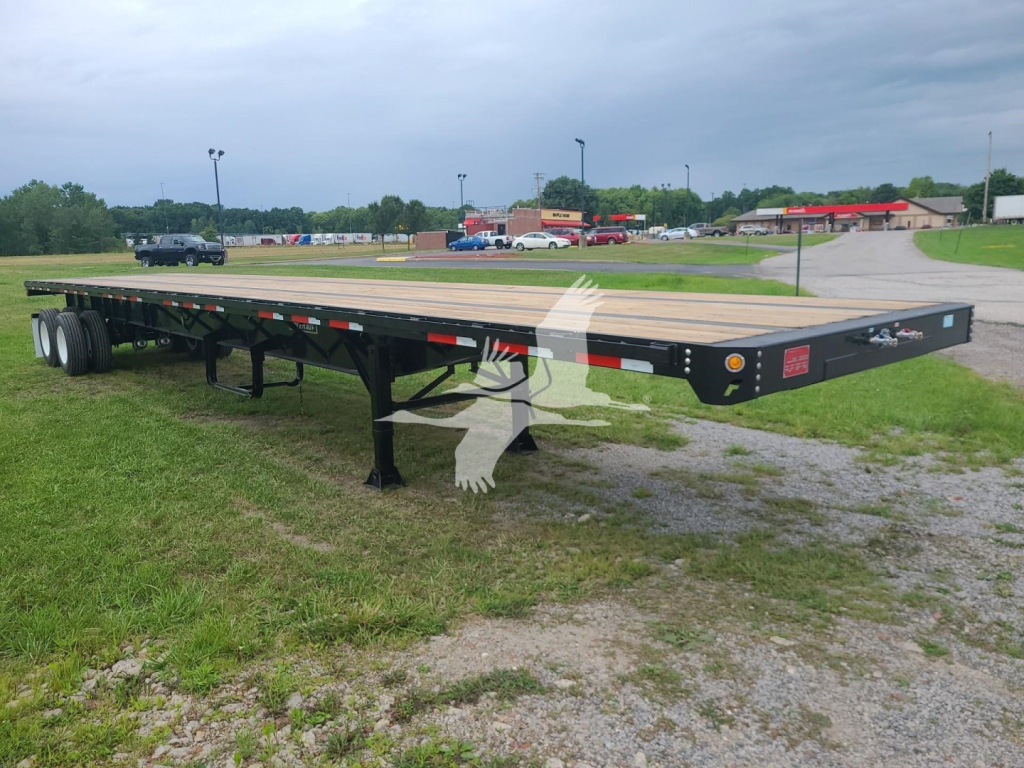
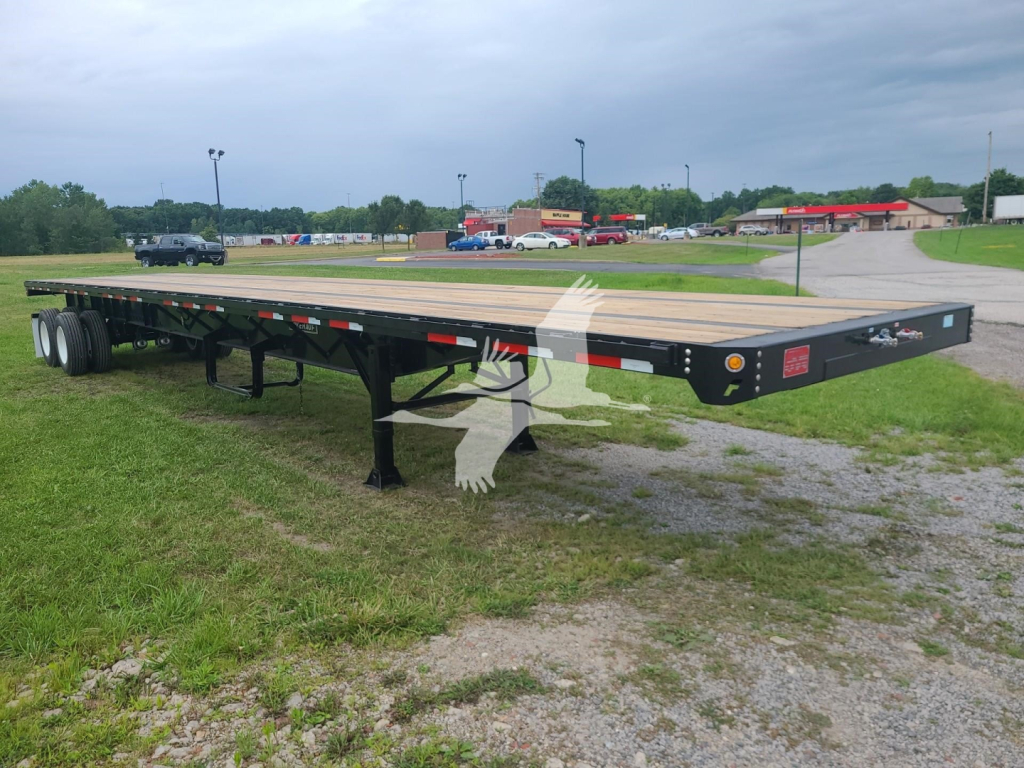
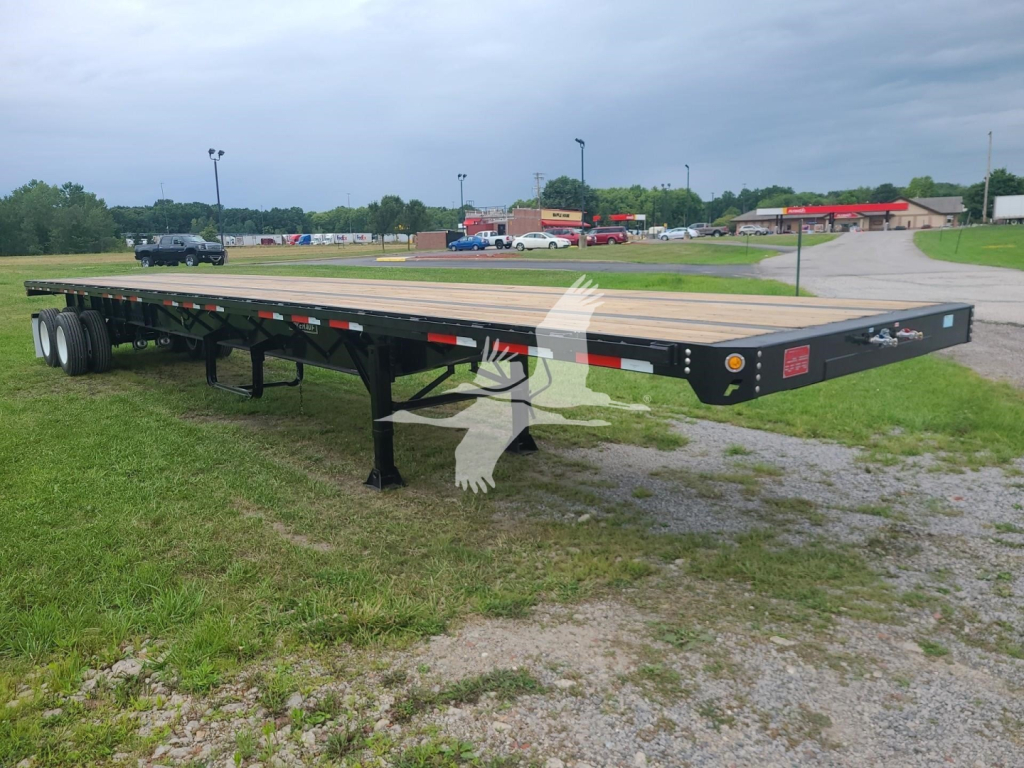
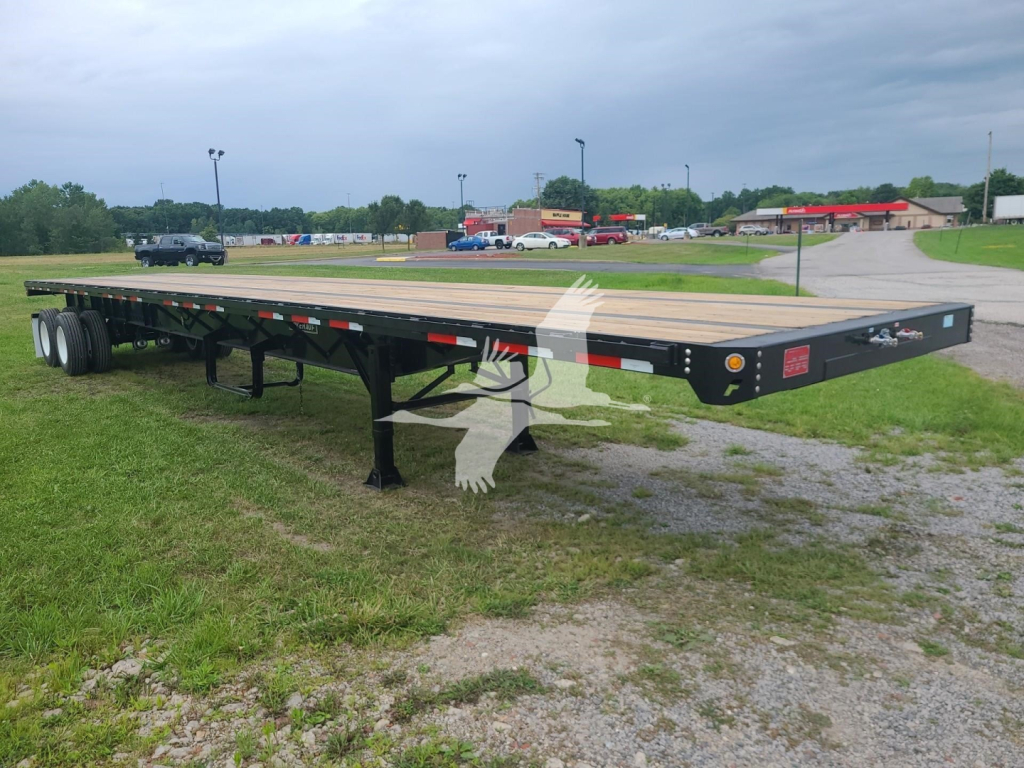
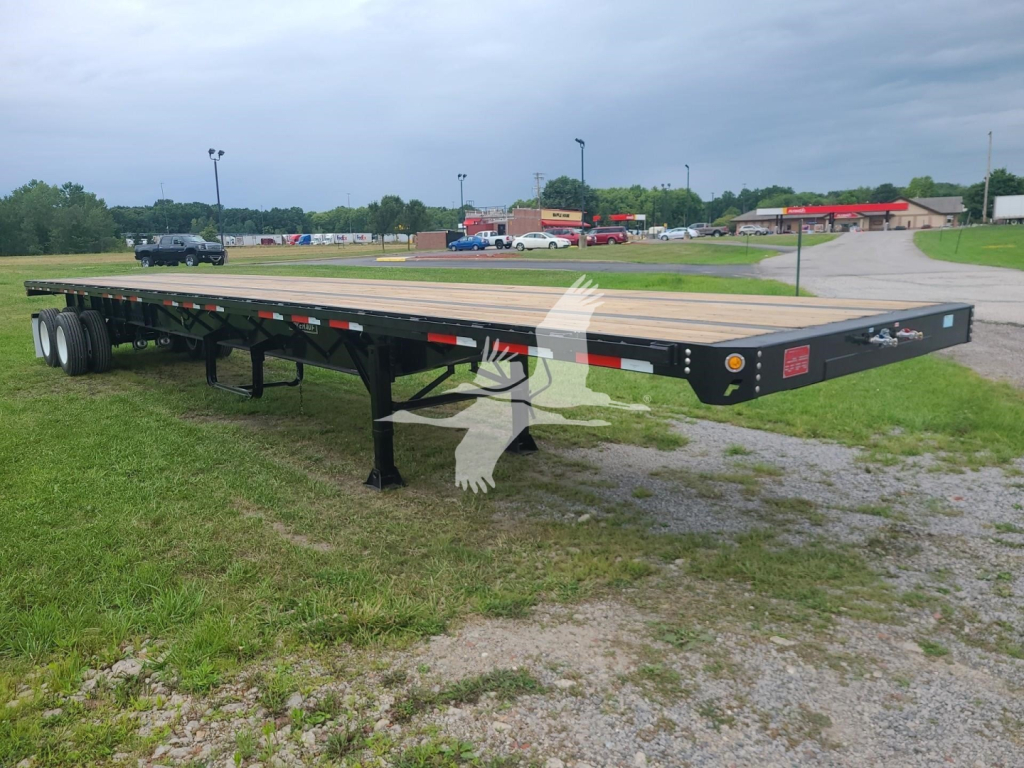
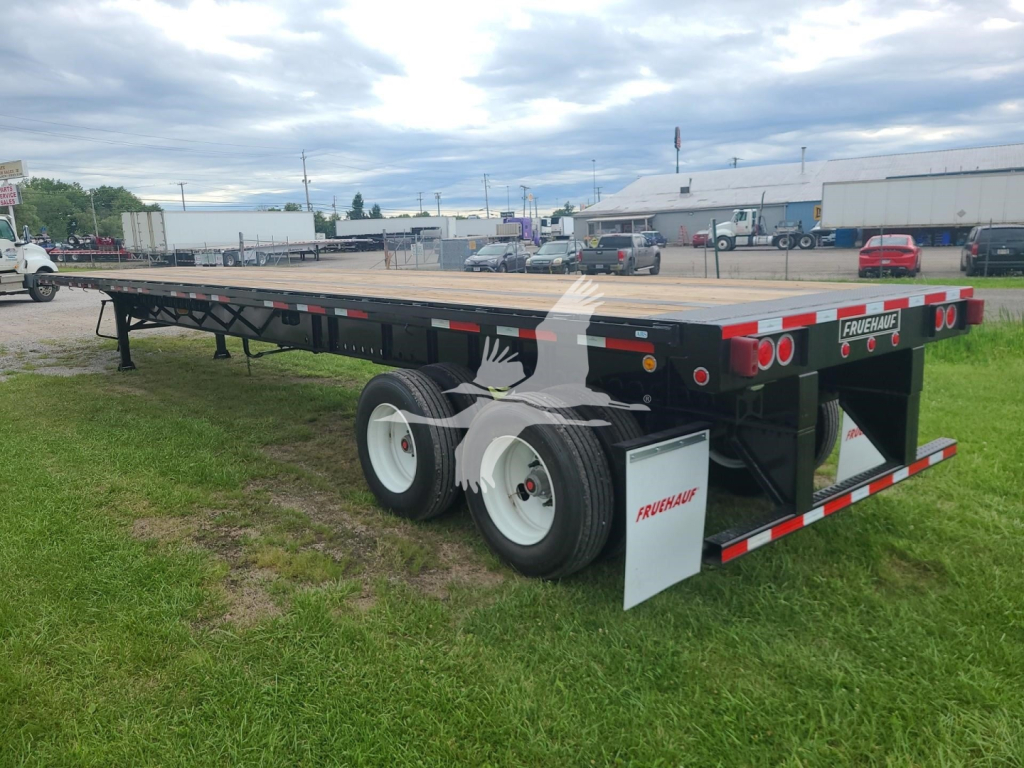
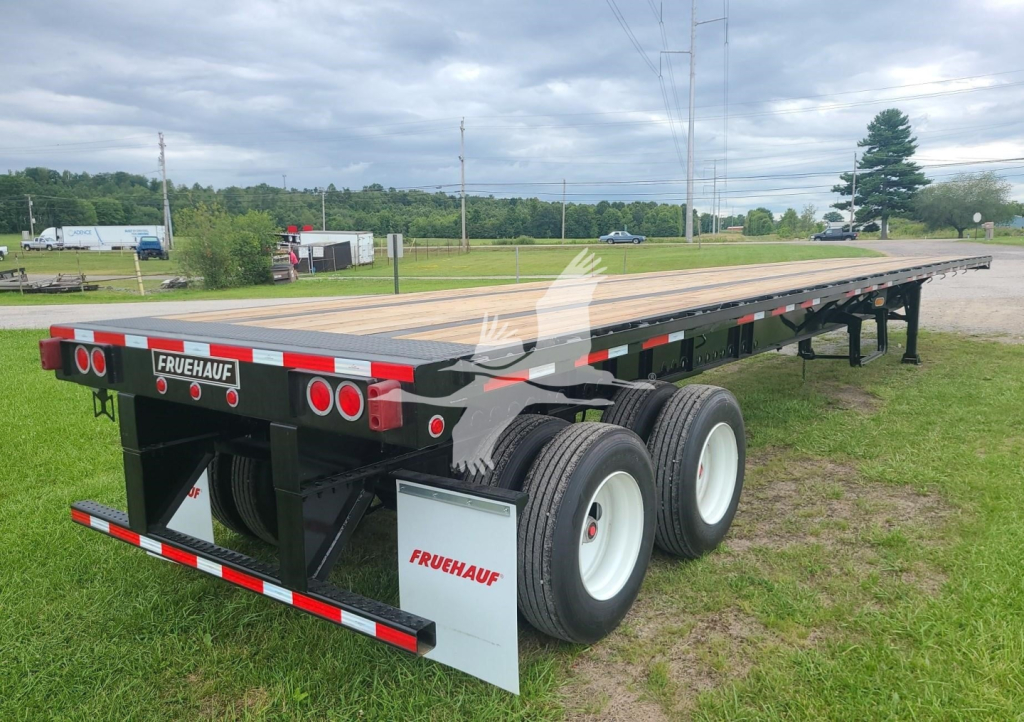
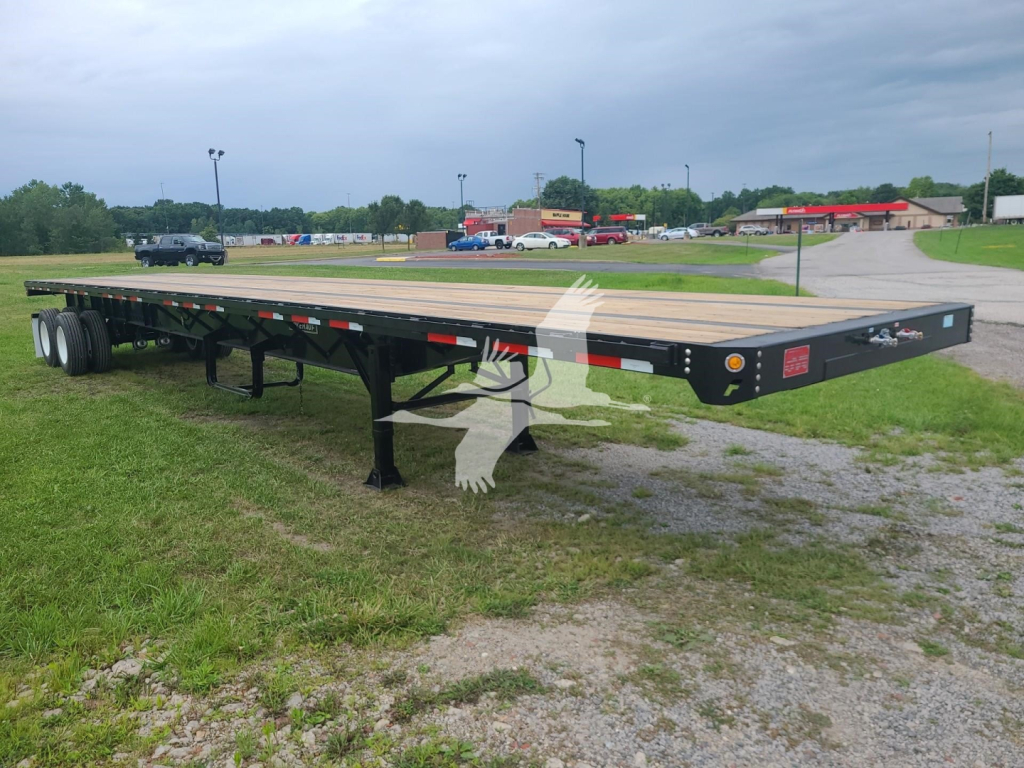
On many Fruehauf steel flatbeds, buyers will see a steel frame paired with an Apitong wood floor. That combination remains popular because it gives the trailer a durable structure while still providing a floor surface that handles concentrated forklift traffic and securement work well. Crossmember spacing, side rail design, and the presence of a roadside winch track directly affect how usable the trailer is in daily service. A flatbed with 12 sliding winches, pipe spools, and solid side rails is easier to adapt across different cargo types, especially when the trailer is expected to move from steel products one day to strapped pallet freight the next.
Suspension and running gear deserve close attention on this trailer class. Spring ride tandems are common on vocational and regional flatbeds because they are simple, proven, and cost-effective to maintain. Tire size in the 295/75R22.5 range and steel wheels are standard on many units, and buyers should inspect tire age, brake life, bushing wear, slider condition, and landing gear operation before purchase. Rear light arrangement, mud flap bracket placement, and overall frame condition also matter more than they seem, especially for fleets running year-round in the Northeast where corrosion, road treatment chemicals, and dock or yard damage can shorten service life.
The main buying decision usually comes down to deck length, tare weight, and securement setup. A 48-foot Fruehauf flatbed can be a strong fit for regional hauling where maneuverability matters, while a 53-foot trailer opens up more deck space for longer products and higher cube freight. Buyers should also confirm whether the trailer has a coil package, bulkhead, or other specialized equipment if the freight mix calls for it, since many general-purpose flatbeds are intentionally kept simple. For a buyer comparing multiple Fruehauf flatbed trailers for sale, the most important factors are structural condition, floor life, slider function, and whether the trailer's securement hardware matches the freight lanes it will actually run.
Frequently Asked Questions about Fruehauf Flatbed Trailers in Pennsylvania
What are the most common specs on a Fruehauf flatbed trailer?
Common Fruehauf flatbed trailer specs include 48-foot or 53-foot deck length, 102-inch overall width, tandem axles, a slider suspension setting, steel frame construction, and an Apitong wood floor. Many are equipped with a roadside winch track, sliding winches, steel wheels, 295/75R22.5 tires, and a 30-inch kingpin setting. Exact specifications vary by build, but these features are typical for general freight and open-deck applications.
Is a steel flatbed with an Apitong floor a good choice for general freight?
Yes. A steel flatbed with an Apitong floor is a common and practical setup for general freight because it combines frame durability with a wood deck that holds up well under forklift traffic and daily securement use. Apitong is favored in flatbed service because it is dense, durable, and easier to repair in sections than some alternative deck materials. For mixed freight operations, it remains one of the most proven floor choices in the market.
What should I inspect first on a used Fruehauf flatbed trailer?
Start with the main frame, crossmembers, side rails, floor condition, and suspension slider assembly. Then check winch track integrity, landing gear operation, brake and tire condition, wheel-end maintenance history, and signs of corrosion around the rear structure and lighting. On a flatbed, structural condition matters more than cosmetics because cracks, floor deterioration, or slider wear can quickly turn into repair costs and lost uptime.
Should I choose a 48-foot or 53-foot Fruehauf flatbed?
A 48-foot Fruehauf flatbed is often a good fit for regional work, tighter delivery points, and operations that value maneuverability. A 53-foot flatbed offers more deck space and greater flexibility for longer freight, larger bundled products, and higher-cube loads. The better choice depends on the freight profile, axle scaling needs, route type, and whether customers regularly ship freight that benefits from the extra deck length.
Why does kingpin setting and slider position matter on a flatbed trailer?
Kingpin setting and slider position affect tractor-trailer weight distribution, bridge law compliance, and turning clearance. A common 30-inch kingpin setting works well in many fleet applications, but it still needs to match the tractor's wheelbase and fifth wheel placement. The tandem slider gives the driver and fleet more flexibility in getting axle weights legal, which is especially important when hauling dense freight such as steel, machinery, or building materials.