
Fruehauf Trailers For Sale in New York
Browse Fruehauf trailers for sale, including dry vans, dry bulk trailers, and converter dollies built for durable long-term commercial use.
Selling a fruehauf trailer? List your fruehauf trailer for sale and reach thousands of commercial buyers.
Fruehauf Trailers in New York
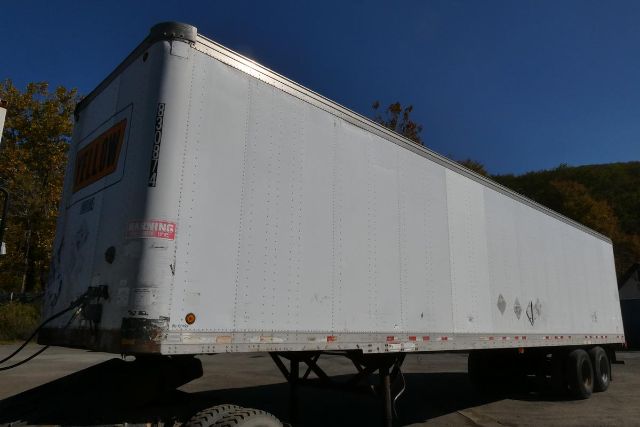
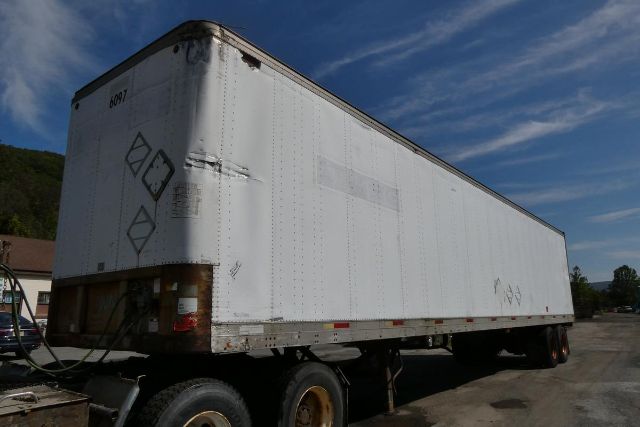
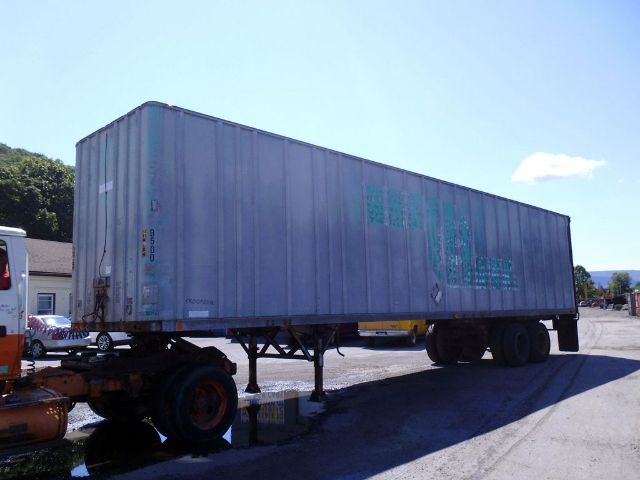
A Fruehauf dry van, also known as a box trailer or van trailer, should be evaluated closely for frame condition, roof integrity, floor wear, rear door function, and running gear. Many older units were built with aluminum bodies, wood floors, spring ride suspensions, and tandem sliding axles, which can still be practical for lighter freight lanes or storage use. Check crossmembers, upper coupler plate wear, slider rail condition, brake setup, and tire size compatibility before purchase. On older van trailers, door seal condition and evidence of water intrusion matter just as much as suspension and axle alignment, especially if the trailer will be used for revenue freight.
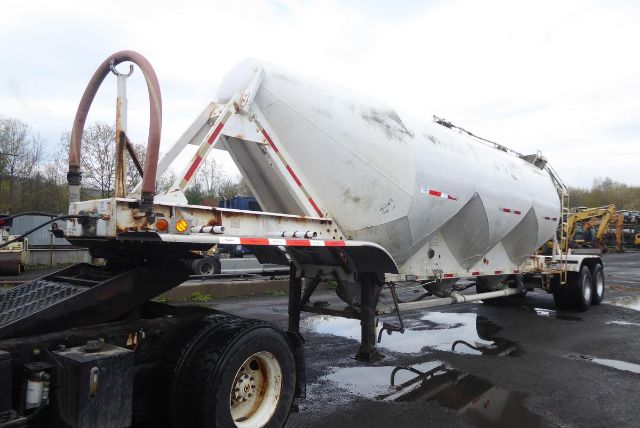
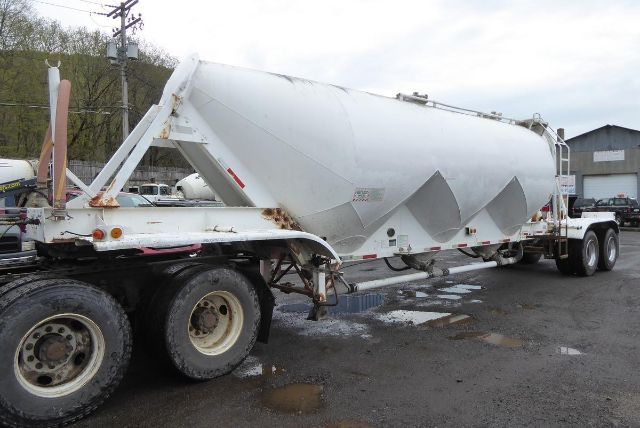
Fruehauf dry bulk trailers are a different buying decision entirely. These pneumatic trailers are commonly found in 40-foot tandem axle configurations with aluminum-steel construction, multiple hopper discharges, top-fill openings, and product piping sized for common dry commodities. Capacity is often discussed in cubic feet rather than payload alone, so buyers should match the trailer to the material being hauled, such as cement, lime, sand, feed, or other dry bulk products. Pay attention to vessel condition, hopper slope, discharge plumbing, valve wear, aeration system condition, and pressure integrity. A lower-priced bulk trailer can become expensive quickly if the piping, seals, or tank structure need major rework.
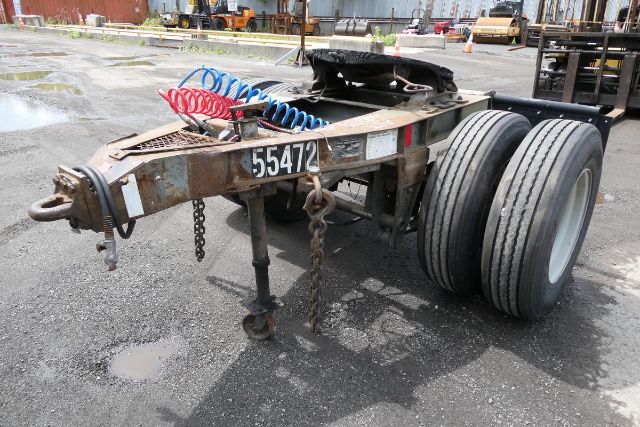
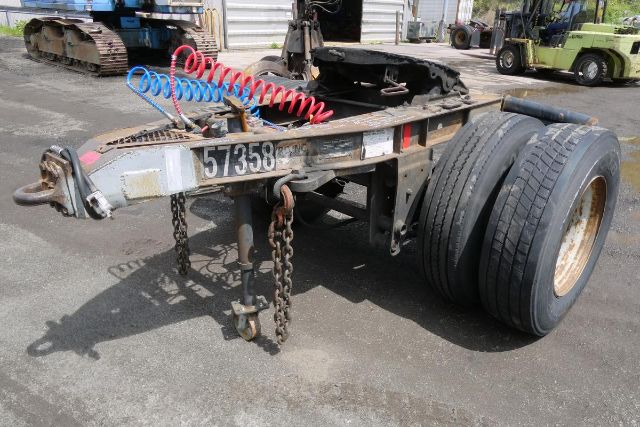
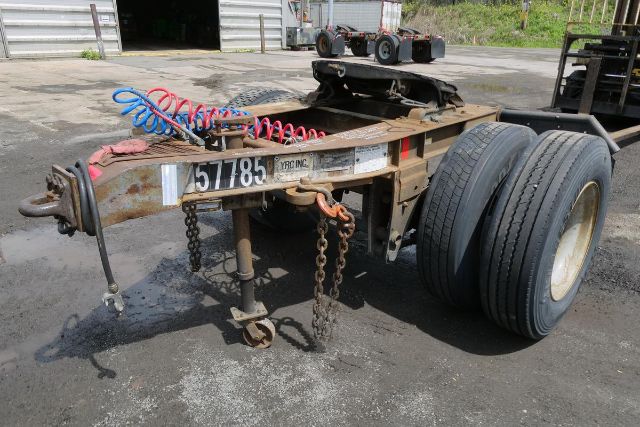
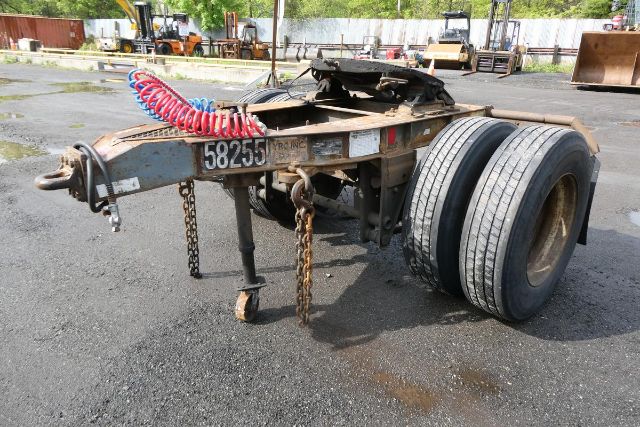
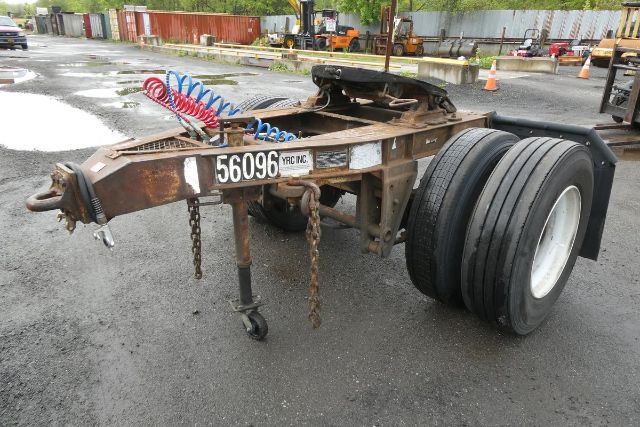
Fruehauf converter dollies are still useful in certain vocational and doubles applications, especially where a fixed single-axle dolly with spring suspension, pintle hookup, stationary fifth wheel, and air brakes matches an existing setup. On this category, buyers should verify drawbar condition, fifth wheel wear, brake chamber condition, tire age, hub style, and compatibility with the lead and rear trailer combination. Across any older Fruehauf trailer, parts support and repairability matter more than cosmetics. Standard components like brakes, hubs, suspensions, and tires are usually straightforward, but structural repairs, obsolete hardware, and undocumented modifications deserve a careful inspection before putting the trailer into service.
Frequently Asked Questions about Fruehauf Trailers in New York
What types of Fruehauf trailers are most common on the used market?
The most common Fruehauf trailers on the used market include dry vans, pneumatic dry bulk trailers, and converter dollies. Older Fruehauf equipment also appears in specialty and vocational applications because many units were built with durable steel or aluminum structures and standard running gear. The exact value depends less on age alone and more on condition, maintenance history, and whether the trailer matches a current hauling need.
Are older Fruehauf trailers still practical for commercial use?
Yes, many older Fruehauf trailers are still practical if the structure, suspension, brakes, and running gear are sound. Buyers should focus on frame corrosion, floor condition, axle alignment, brake wear, tire age, and any signs of previous structural repair. A well-maintained older trailer can still be a cost-effective option for regional hauling, storage, farm use, or specialty service, but it should be inspected more carefully than a newer trailer.
What should I check on a used Fruehauf dry bulk trailer?
A used Fruehauf dry bulk trailer should be inspected for tank integrity, hopper condition, discharge plumbing, valve operation, top-fill lids, and the overall pneumatic system. Buyers should confirm cubic foot capacity, product pipe size, number of hoppers, and whether the trailer is configured for the commodity they plan to haul. It is also important to inspect the suspension, brakes, and tires, because repairs to both the vessel and the running gear can affect the total cost of ownership.
What matters most when buying a Fruehauf dry van trailer?
The most important factors on a Fruehauf dry van are structural condition and roadworthiness. Check the roof for leaks, the floor for rot or damage, the rear frame and door hardware for wear, and the tandem slider for corrosion or binding. Buyers should also verify the coupler area, crossmembers, suspension type, and brake system, because older vans can look serviceable from the outside while hiding expensive repairs underneath.
How do I know if a Fruehauf converter dolly will fit my operation?
A Fruehauf converter dolly must match the brake system, hitch arrangement, axle rating, tire size, and fifth wheel height requirements of the trailers being paired. Buyers should confirm whether the dolly uses a fixed axle or another configuration, and inspect the pintle connection, drawbar, brake components, and fifth wheel plate for wear. Compatibility with existing doubles equipment is critical, because even a solid dolly can create operational issues if the dimensions or hookup specs do not match the fleet.