
Used 2017 Fontaine Trailers For Sale
Shop used 2017 Fontaine trailers, including flatbeds and specialized hauling models, with specs, applications, and buyer guidance for fleet use.
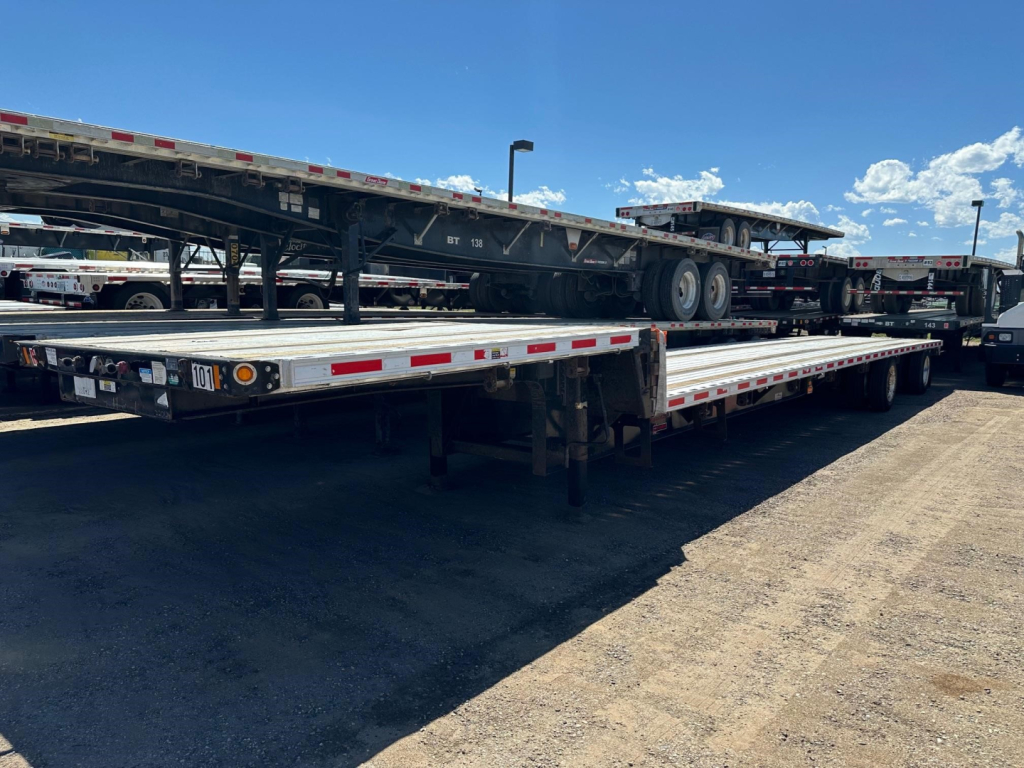

Selling a used 2017 fontaine trailer? List your used 2017 fontaine trailer for sale and reach thousands of commercial buyers.
Used 2017 Fontaine Trailers
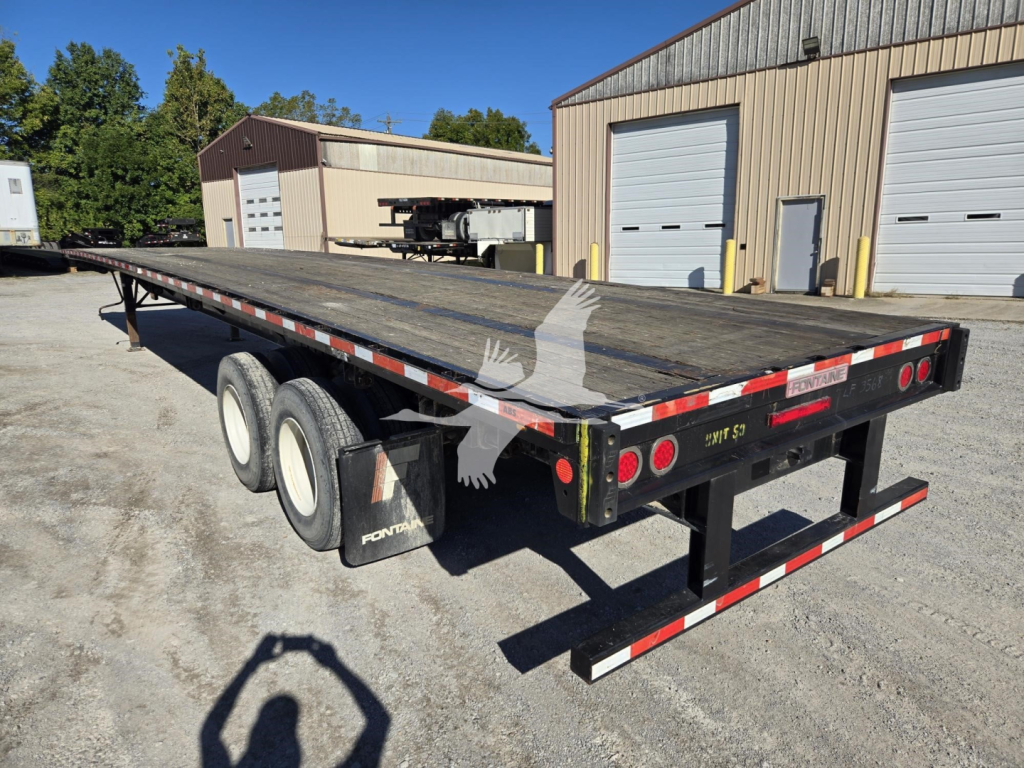
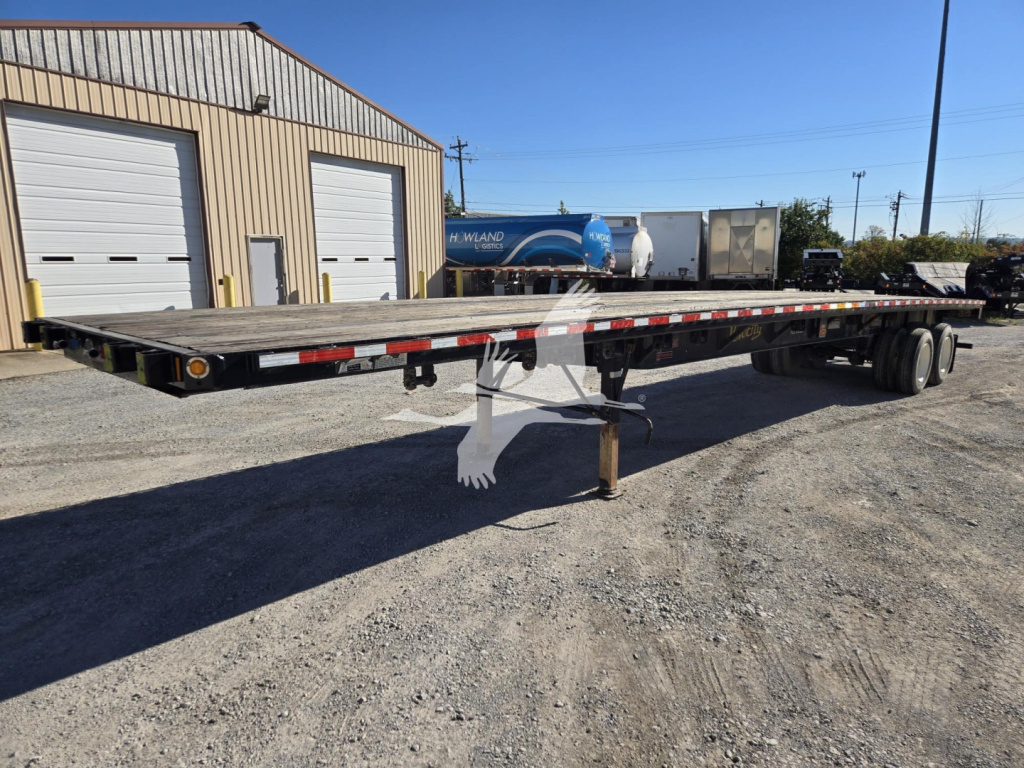
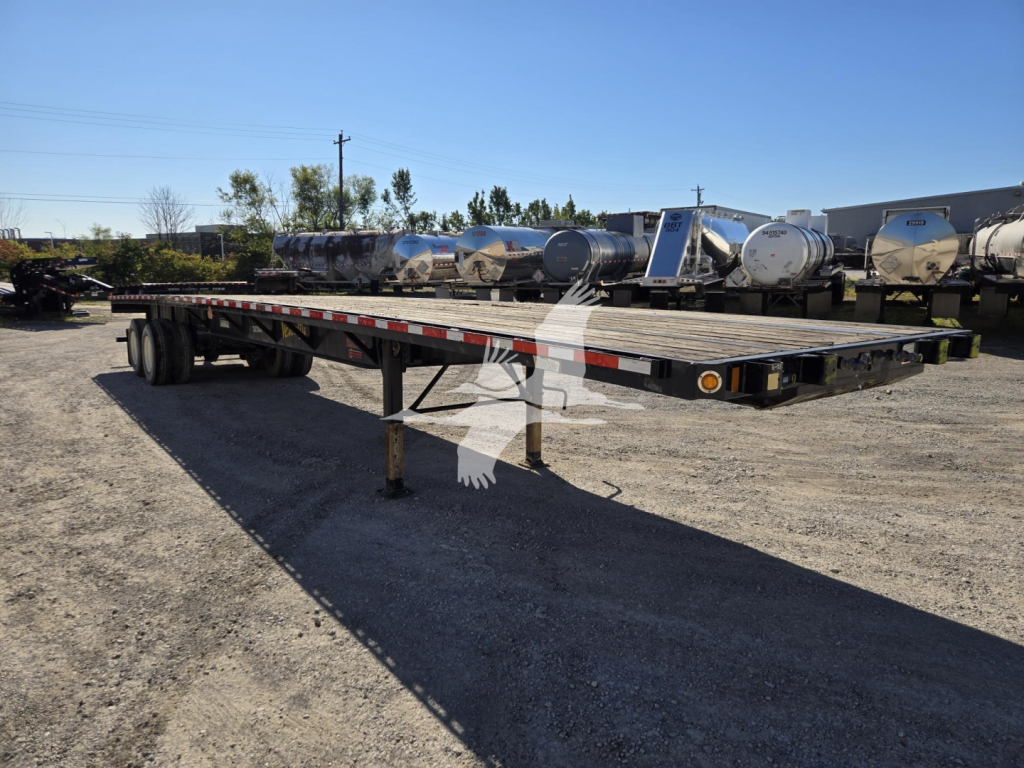
For 2017 Fontaine flatbed trailers, common decision points include deck length, axle spread, suspension type, winch layout, coil package equipment, and deck condition. Many buyers look for 48-foot or 53-foot by 102-inch platforms with aluminum and steel combo construction to balance tare weight and durability. It is worth checking for sliding winches, winch tracks, chain tie-down options, nail strips, and the condition of the wood floor, especially if the trailer has seen concentrated freight like coils, machinery, or building products. Tandem slide settings, kingpin setting, crossmember spacing, and tire size also matter if the trailer will be paired with different tractors or run in multiple states with varying bridge and weight requirements.
If the 2017 Fontaine trailer is an extendable model, inspection should focus on the extension system, lock positions, wear at the rails, and overall straightness of the frame. Extendable flatbeds are commonly used for pipe, poles, structural steel, and other overlength loads, so buyers should look closely at extension locks, inside track components, wiring protection, and how well the air and electrical lines have held up through repeated extension cycles. A clean extension system with minimal slop is more important than cosmetic appearance. On heavier Fontaine specialized trailers such as lowboys, the key checkpoints shift to deck height, well length, hydraulic neck function, axle configuration, outriggers, load securement points, and signs of stress around the neck, suspension hangers, and concentrated load zones.
Condition matters more than age in this segment, so a used 2017 Fontaine trailer should be evaluated by maintenance history, structural integrity, and how closely the spec matches the freight. Tire wear patterns, brake life, suspension bushing condition, deck repairs, corrosion around crossmembers, and evidence of overload damage will usually tell more than the model year alone. Buyers who run regional building materials, steel, machinery, or oversize freight often prefer Fontaine because replacement parts, service familiarity, and resale demand remain strong in many markets. A well-spec’d 2017 Fontaine trailer can still be a productive asset if the frame is sound, the running gear is right for the lane, and the trailer’s securement package matches the loads it is expected to haul.
Frequently Asked Questions about Used 2017 Fontaine Trailers
What should I inspect first on a used 2017 Fontaine trailer?
Start with the frame, crossmembers, suspension, brakes, and deck condition. On a flatbed, look for cracked welds, bent main rails, rotted or patched flooring, and wear around winch tracks and tie-down points. On an extendable or specialized trailer, inspect the extension mechanism or hydraulic components before cosmetic items, because structural and mechanical condition drives both safety and operating cost.
Are 2017 Fontaine trailers good for heavy-duty commercial use?
Yes, many 2017 Fontaine trailers are still well suited for commercial service if they have been maintained properly and spec’d for the intended freight. Fontaine is widely known for platform and specialized trailer designs used in steel hauling, construction materials, overlength freight, and equipment transport. The real question is not just age, but whether the trailer’s axle setup, deck design, securement package, and overall condition fit the work.
What specs matter most on a 2017 Fontaine flatbed trailer?
The most important specs usually include overall length, width, tare weight, axle configuration, suspension type, deck material, and securement equipment. Buyers should also verify tandem slide range, kingpin setting, crossmember spacing, tire and wheel setup, and whether the trailer has features like a coil package, sliding winches, chain tie-downs, and tool storage. Those details directly affect payload flexibility, route compliance, and loading efficiency.
How do I evaluate a used 2017 Fontaine extendable trailer?
Focus on the extension rails, lock positions, frame alignment, and wear points caused by repeated extension and retraction. Check for smooth operation, tight lock engagement, good wiring and air line routing, and no visible damage around the track system. Because extendable trailers often handle long, uneven, or high-value freight, any looseness in the extension system or signs of twisting should be taken seriously.
Do Fontaine trailers hold their resale value well?
In many trailer segments, Fontaine trailers retain value reasonably well because the brand is established and commonly recognized by fleets, owner-operators, and dealers. Resale strength usually depends on trailer type, original spec, structural condition, and maintenance record more than the badge alone. Clean platform trailers and specialized trailers with desirable axle, deck, and securement specs often attract stronger buyer interest than generic or poorly maintained units.