
Fontaine Trailers For Sale in North Carolina

Have fontaine trailer to sell? List it here to reach thousands of buyers.
Fontaine Trailers in North Carolina
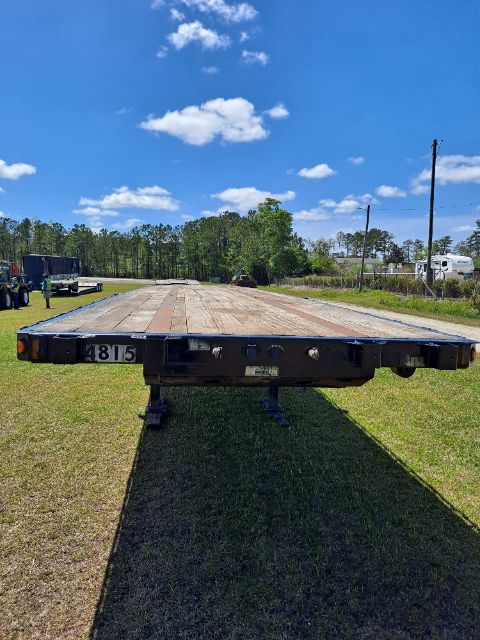
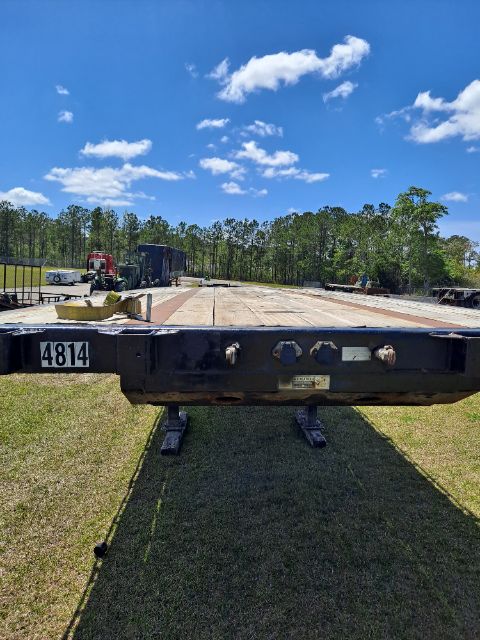
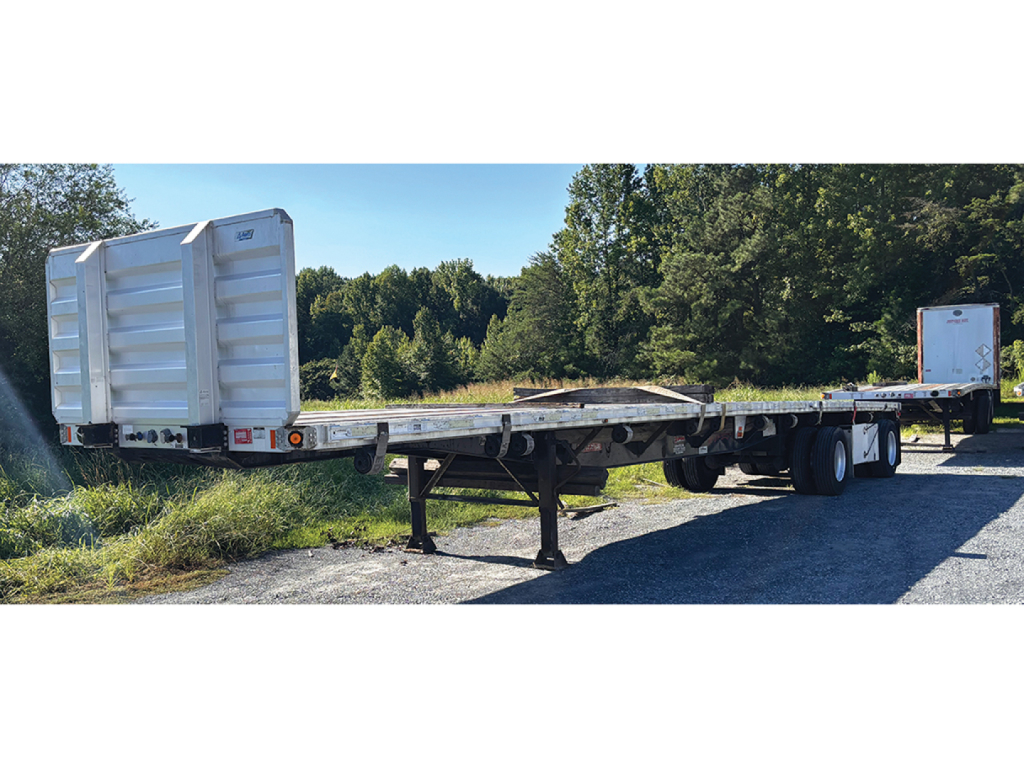
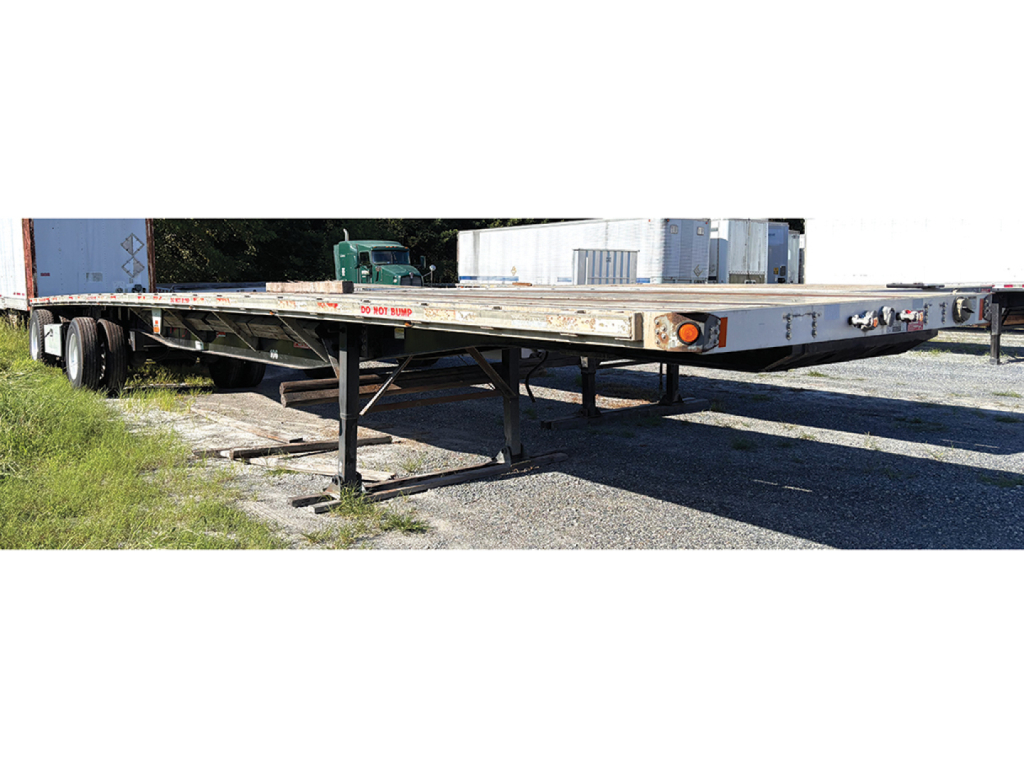
When comparing Fontaine trailers, start with the core specs that affect revenue and day-to-day usability. Trailer length, axle spread, suspension type, tire size, floor material, and trailer tare weight all deserve close attention. Wood floors remain common on flatbeds because they are repairable and provide solid friction for a wide range of cargo, but buyers should inspect for rot, soft spots, and crossmember damage. On older units, look closely at the main beams, wheel area, rear bolster, landing gear mounts, and rub rail condition. A trailer with clean frame rails, straight decking, and usable securement points can be far more valuable than a newer unit with deferred maintenance.
Fontaine flatbeds are often spec'd for straightforward freight securement, which is why details like stake pockets, chain spools, winch tracks, sliding winches, and rub rails should be part of any buying decision. If the trailer will pull heavy steel or concentrated equipment loads, check axle ratings, frame capacity, and the condition of the floor over the suspension area. If the work leans toward packaged freight or construction material, deck width, coil package setup, and the number and placement of tiedown points may matter more than specialty options. Buyers in North Carolina should also think about brake condition, lighting, tire wear patterns, and corrosion from age and exposure, especially on trailers that have seen multi-state service.
A good Fontaine trailer usually stands out by being simple to maintain, easy to resell, and versatile across multiple freight types. For many operations, that matters as much as brand name alone. The right trailer is the one whose deck, structure, suspension, and securement layout match the freight you actually haul. On used Fontaine flatbeds, a careful inspection of kingpin wear, brake components, bushings, air system condition, and any signs of frame repair will tell you more than a paint finish ever will.
Frequently Asked Questions about Fontaine Trailers in North Carolina
What are Fontaine trailers best known for?
Fontaine trailers are best known for flatbed and platform trailer designs that emphasize low trailer weight, solid structural durability, and practical securement layouts. Many buyers look at Fontaine for general freight, steel, lumber, machinery, and construction materials because the brand has long been associated with all-aluminum and combo trailer construction that can support strong payload capacity without making the trailer overly complex to maintain.
What should I inspect first on a used Fontaine flatbed trailer?
Start with the frame, main beams, crossmembers, floor condition, suspension, brakes, and kingpin area. On a used flatbed, the most important issues are usually structural fatigue, poor prior repairs, floor wear, axle alignment, and brake system condition. Check the rub rails, stake pockets, and winch track for damage from repeated securement use, and inspect tires for uneven wear that may point to alignment or suspension problems.
Are wood floors common on Fontaine flatbed trailers?
Yes, wood floors are common on Fontaine flatbeds and remain popular because they are serviceable, widely accepted across freight types, and provide good cargo friction. A wood deck can be a practical choice for operators hauling building materials, machinery, or general commodity freight. The key is condition. Buyers should look for cracked boards, soft areas, moisture damage, and signs that crossmembers underneath have been stressed or repaired.
What trailer length is most common for Fontaine flatbeds?
Forty-eight foot and 53-foot flatbeds are the most common lengths buyers will encounter. A 48-foot flatbed is still a very common specification in many regional and specialized applications because it balances maneuverability, deck space, and compatibility with a wide range of loads. The right length depends on the freight profile, shipper requirements, and applicable bridge and weight considerations in the lanes the trailer will run.
Why do buyers choose Fontaine trailers in North Carolina?
North Carolina operations often need trailers that can handle a mix of regional freight, construction materials, manufactured goods, agricultural products, and occasional port-related loads. Fontaine trailers fit that environment well because they are widely recognized, commonly supported in the market, and available in flatbed configurations suited to versatile freight hauling. For many buyers, the combination of payload-friendly design, straightforward maintenance, and broad resale appeal makes Fontaine a practical brand to consider.