
Fontaine Flatbed Trailers For Sale in North Carolina

Have fontaine flatbed trailer to sell? List it here to reach thousands of buyers.
Fontaine Flatbed Trailers in North Carolina
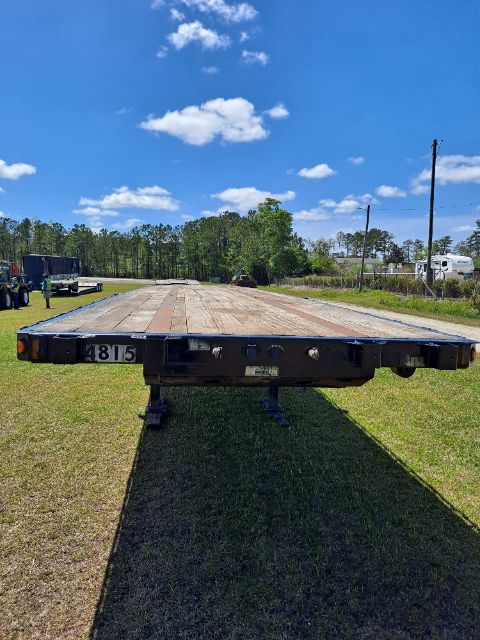
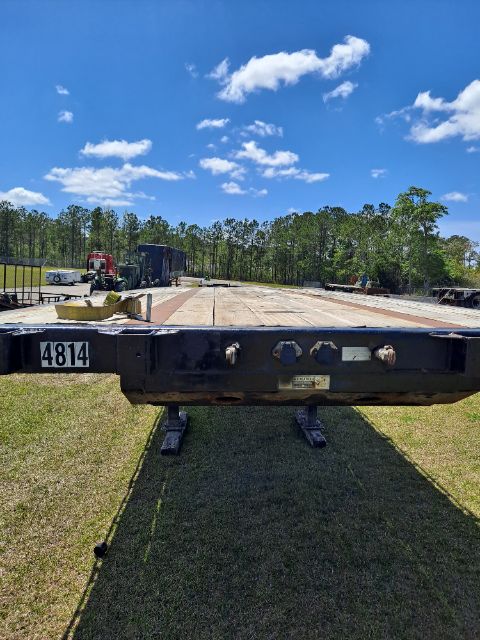
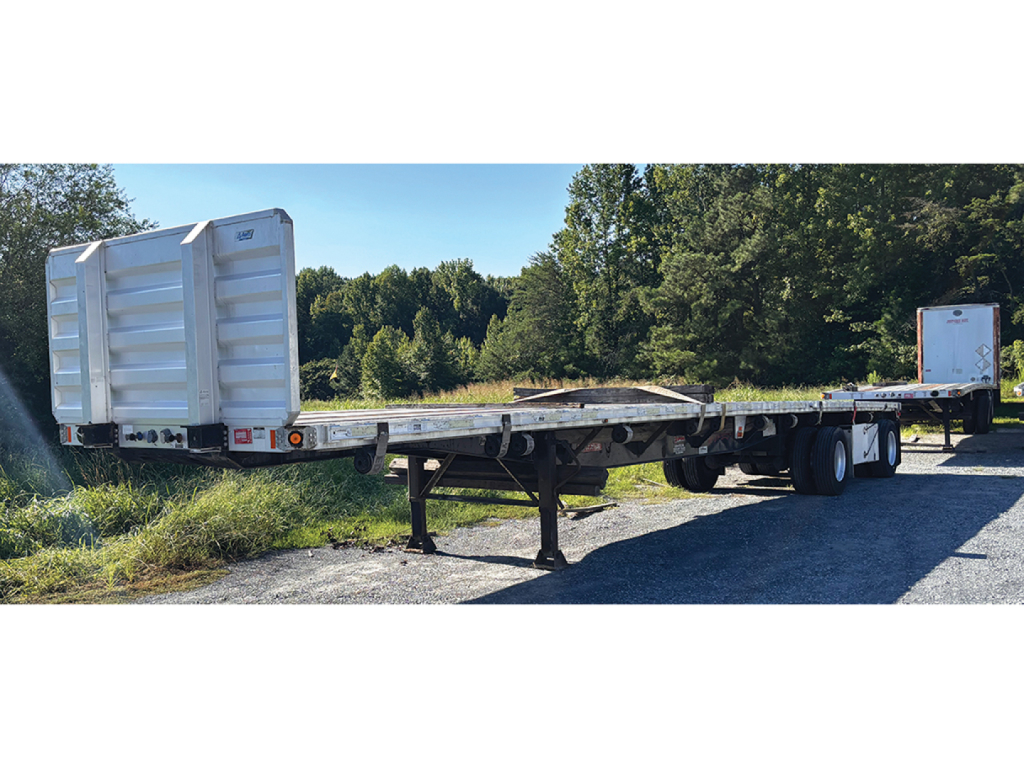
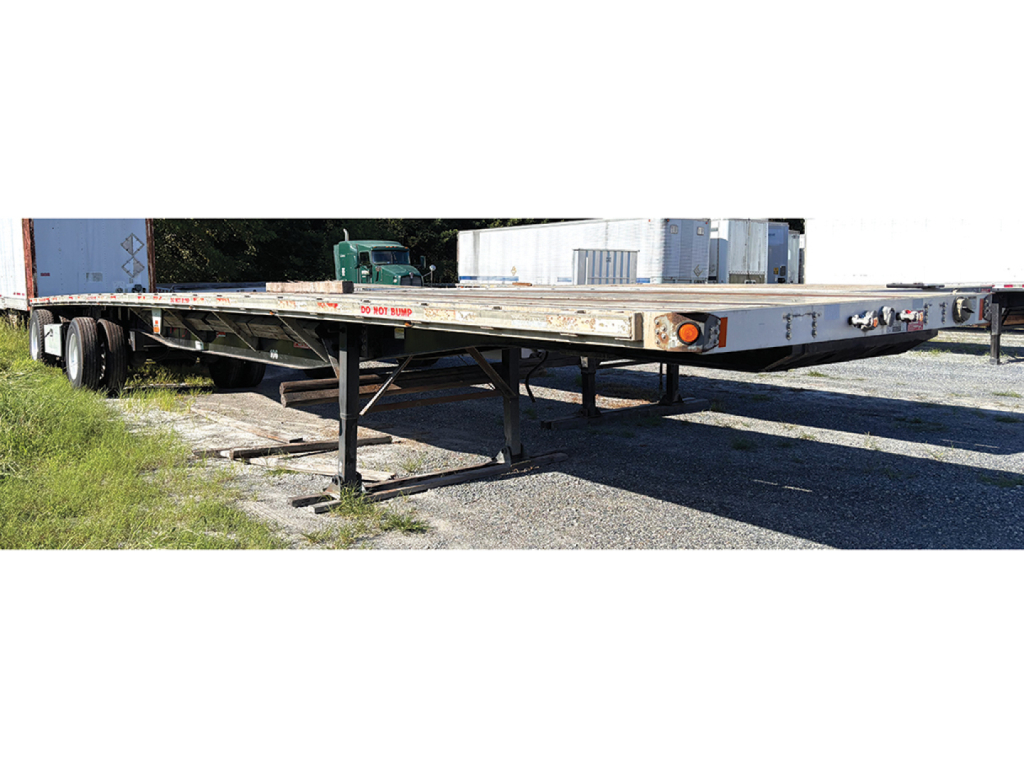
Fontaine has long been a recognized name in the flatbed trailer market, and many used units are built for practical, high-cycle freight work. A buyer comparing listings should pay attention to the main beams, crossmember spacing, floor condition, and overall frame alignment, especially on older trailers that may have seen concentrated forklift traffic or heavy point-loading. Apitong flooring, aluminum outer rails, stake pockets, rub rails, and chain tie-down provisions are common details that matter in day-to-day securement. If the trailer will regularly haul coils, equipment, or dense steel, it is worth confirming load ratings, concentrated load capability, and the condition of the winch track, sliding winches, and any installed toolboxes.
Running gear and brake spec matter just as much as deck condition. Look closely at axle ratings, brake type, suspension, tire condition, wheel-end service history, and signs of uneven wear that could point to alignment issues. A North Carolina buyer should also consider corrosion exposure from humidity, coastal use, and fertilizer or chemical contact if the trailer has worked agricultural lanes. Lighting, ABS function, air system leaks, and the condition of the landing gear are all basic inspection points that directly affect uptime. On older 48-foot Fontaine flatbeds, it is smart to check for previous deck replacement, cracked weld repairs, and wear around the kingpin area because those items can change the real value of a trailer quickly.
The right Fontaine flatbed depends on freight profile more than model year alone. A lighter trailer can improve payload on legal-weight freight, while a heavier-duty build may be the better choice for rugged jobsite work or repeated hauling of dense commodities. Buyers should match deck length, trailer weight, tie-down layout, and structural condition to the freight they haul most often, not just the occasional load. When a flatbed is spec'd correctly, it stays versatile, easy to maintain, and profitable across a wide mix of regional and over-the-road applications.
Frequently Asked Questions about Fontaine Flatbed Trailers in North Carolina
What should I inspect first on a used Fontaine flatbed trailer?
Start with the structural items that are expensive to repair or that affect safety and loadability. Check the main beams, crossmembers, frame straightness, kingpin area, suspension mounts, and landing gear structure before focusing on cosmetic issues. After that, inspect the deck surface, rub rails, stake pockets, winch track, brakes, tires, lights, and air system. A trailer with a clean appearance can still have hidden structural fatigue, so underbody condition matters more than paint.
Is a 48-foot Fontaine flatbed a good choice for general freight?
Yes. A 48-foot flatbed is one of the most common lengths for general open-deck freight because it handles a broad mix of building products, machinery, steel, and palletized loads while remaining familiar to most shippers and drivers. It offers strong market versatility and is often easier to match with existing tarps, securement gear, and dispatch needs. Buyers should still confirm axle spread, deck rating, and tare weight to make sure the trailer fits their freight mix.
Are Fontaine flatbed trailers typically aluminum or steel?
Fontaine flatbeds can be found in aluminum, steel, or combination construction depending on how they were originally spec'd. Aluminum and combo trailers are usually favored when payload is important because they reduce empty weight, while steel designs are often chosen for rugged service and lower upfront cost. The best choice depends on the balance between payload demands, repair environment, and how rough the loading conditions are.
What flatbed features matter most for securement and daily use?
The most useful flatbed features are usually the ones that make securement faster and more flexible. Buyers should look for a good rub rail, stake pockets, sliding winches or winch track, chain tie-down points, solid flooring, and enough space for common strap and chain setups. Toolboxes, tire inflation systems, and air ride suspension can also improve day-to-day efficiency, but the core securement hardware is what most directly affects how many load types the trailer can handle.
What should North Carolina buyers consider when comparing used flatbeds?
North Carolina buyers should think about lane type, moisture exposure, and the freight they expect to haul. Regional building supply and agricultural work can be hard on decks and tie-down areas, while coastal exposure can accelerate corrosion on steel components, wiring, and air system hardware. A trailer that has worked locally may still be a strong buy if the structure is sound, the running gear is maintained, and the securement points are not worn or damaged.