
New Fontaine Trailers For Sale in Texas
Shop new Fontaine flatbed trailers for sale in Texas. Compare combo construction, forklift kits, axle lift options, and securement features.
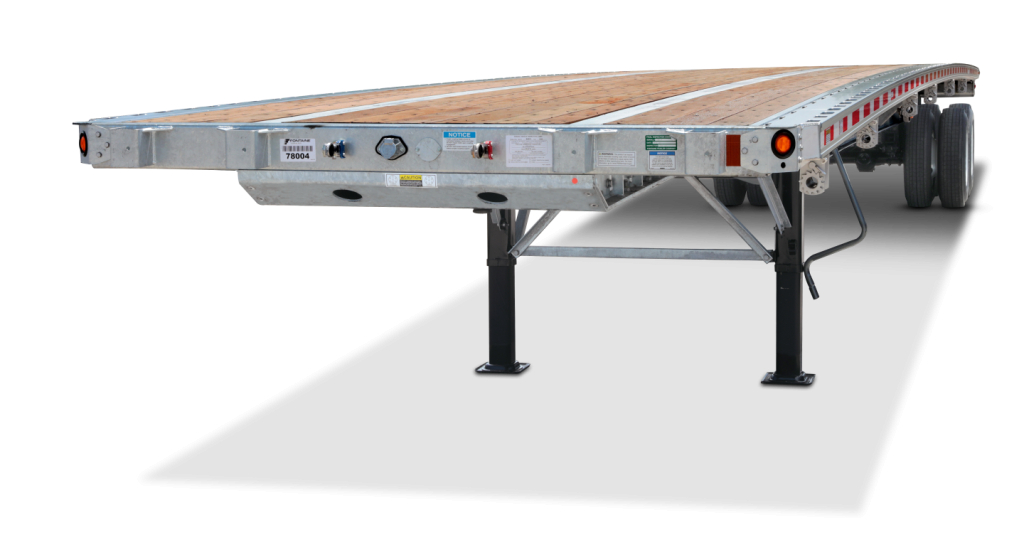
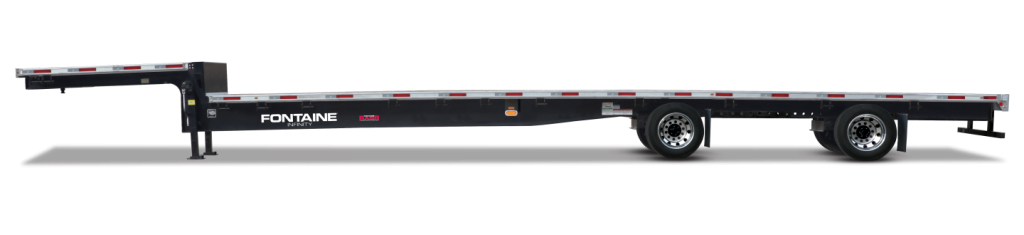
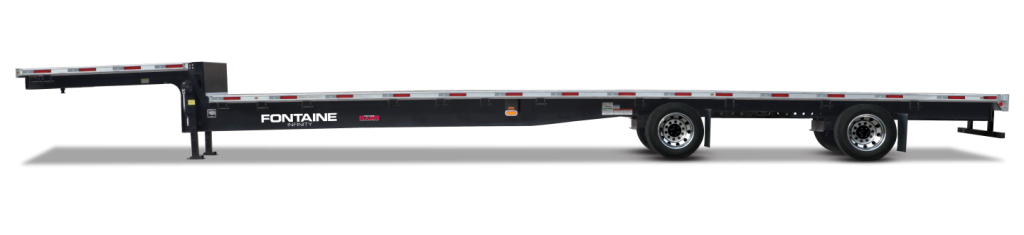
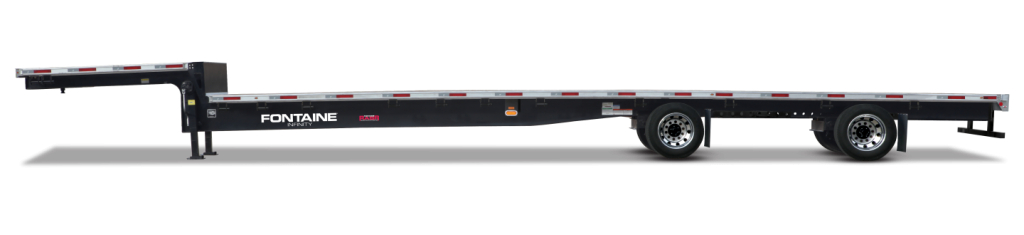
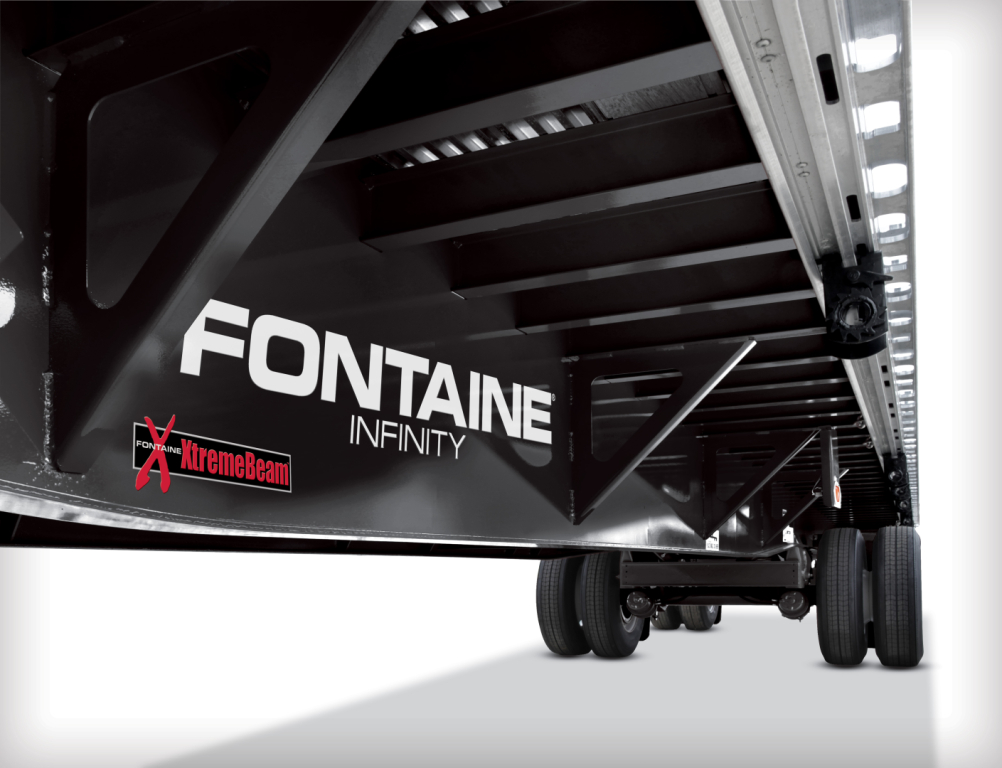
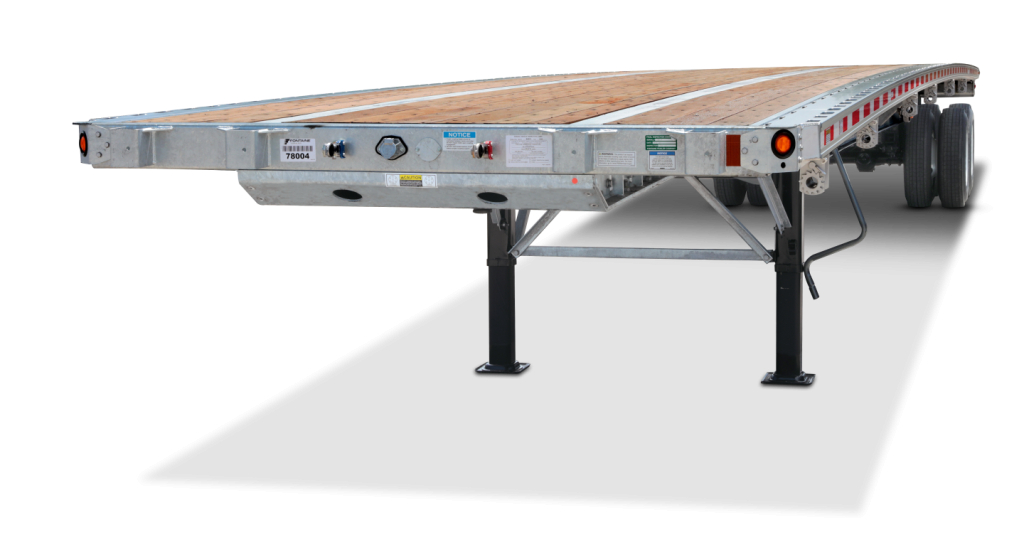
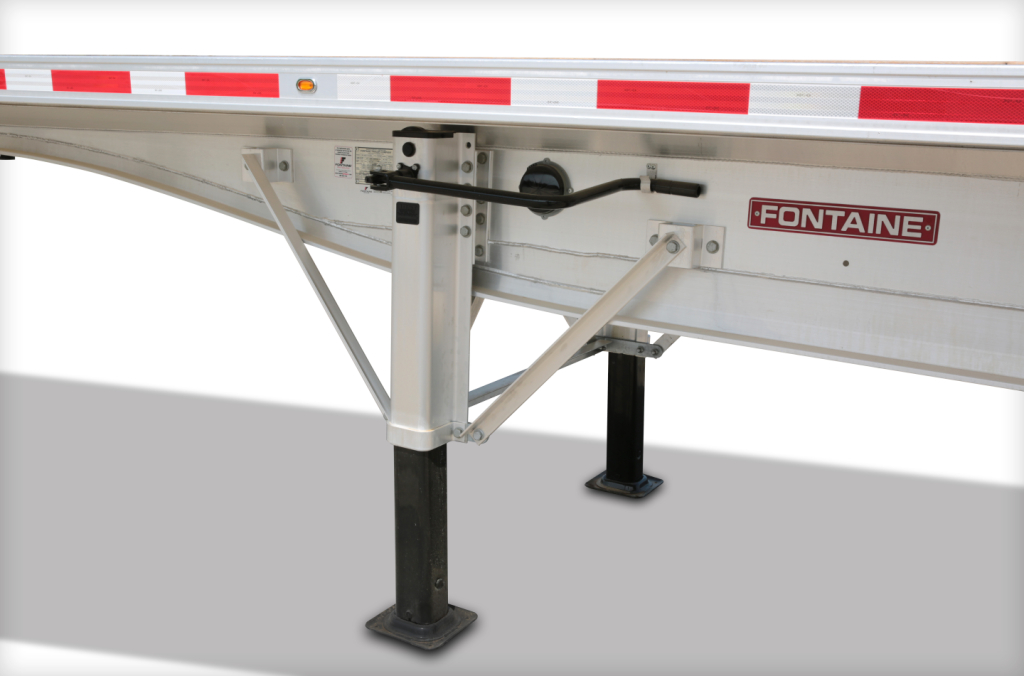
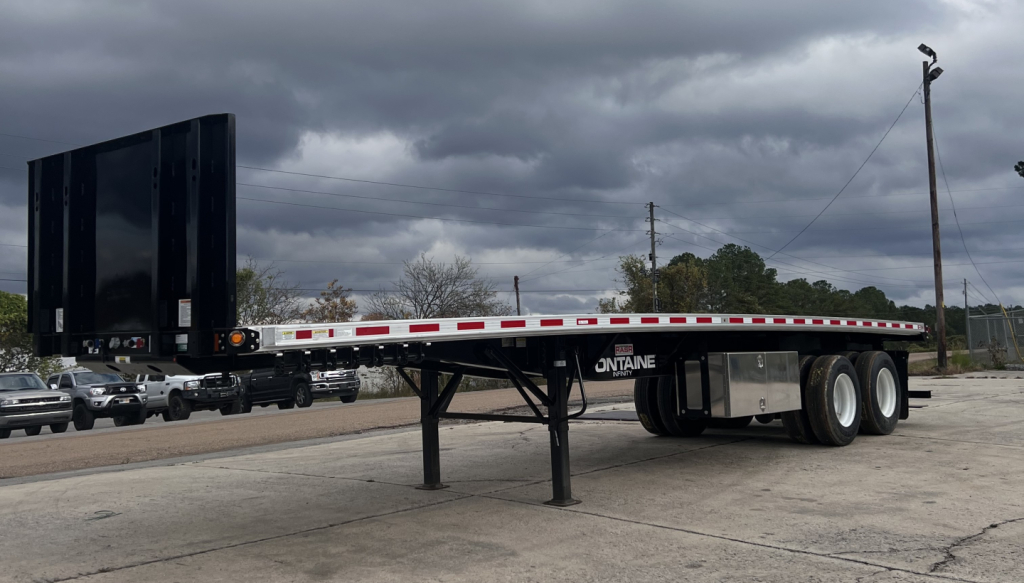
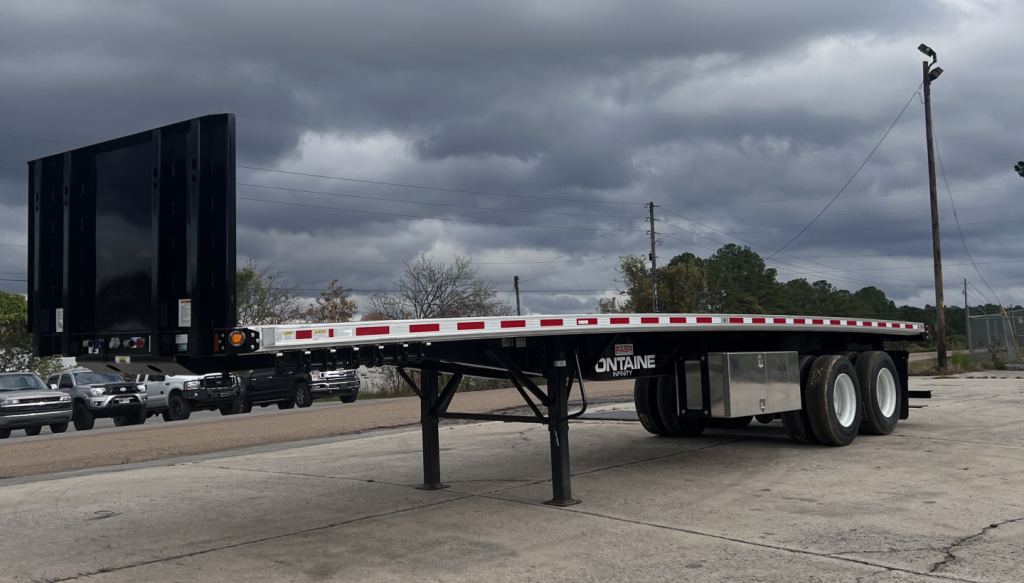
2027 Fontaine 53' Combo Flat - Rear Axle Slide
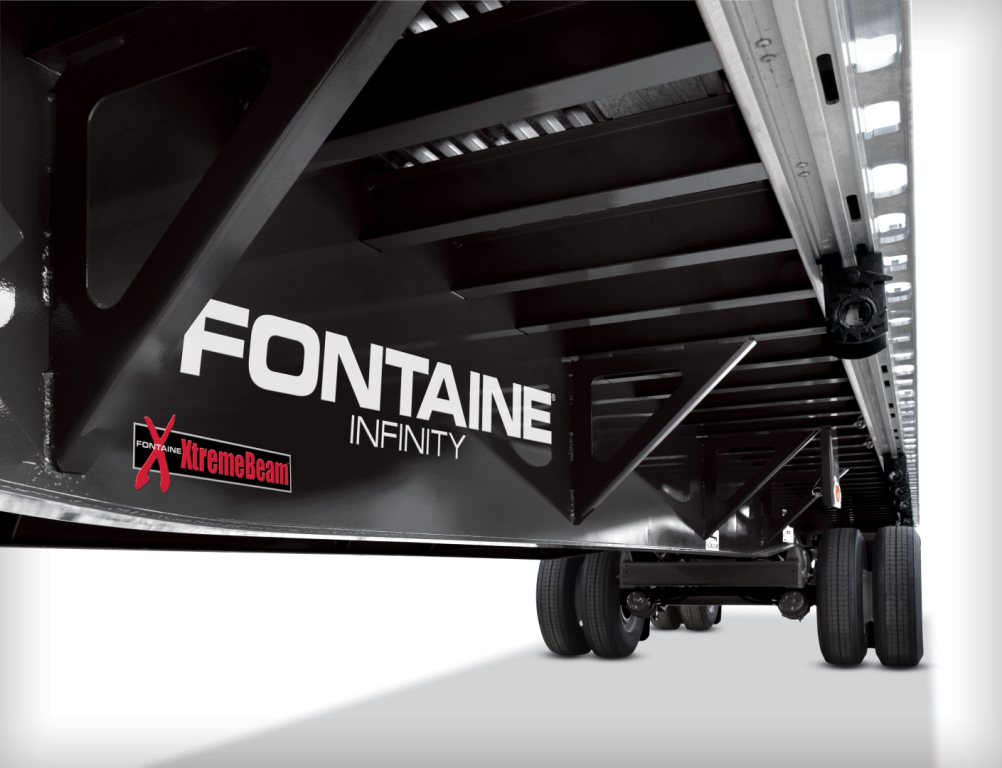
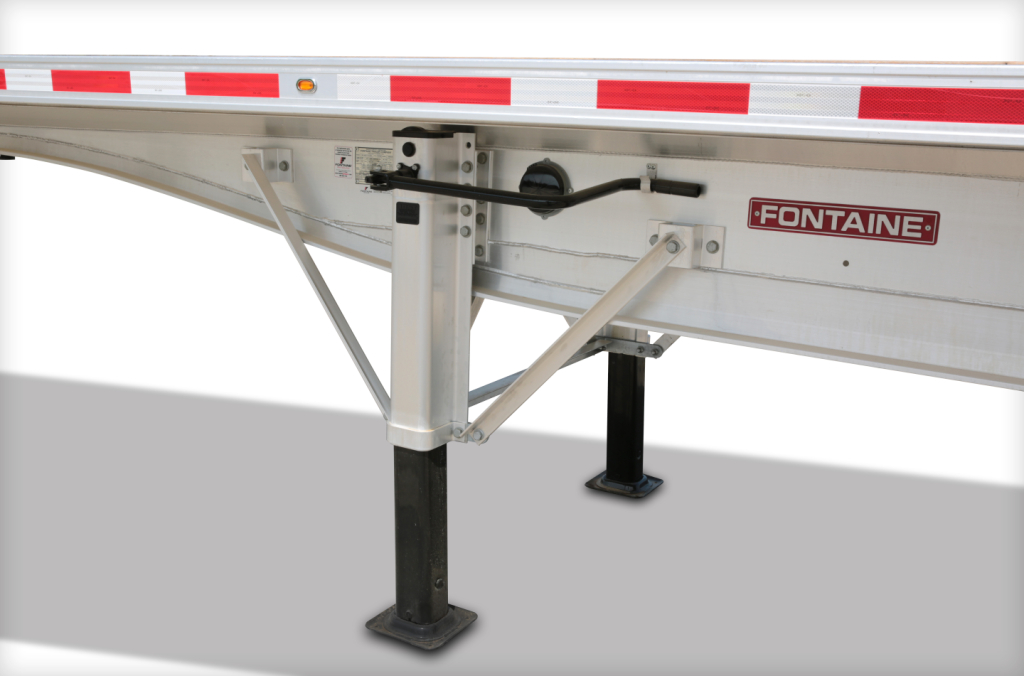
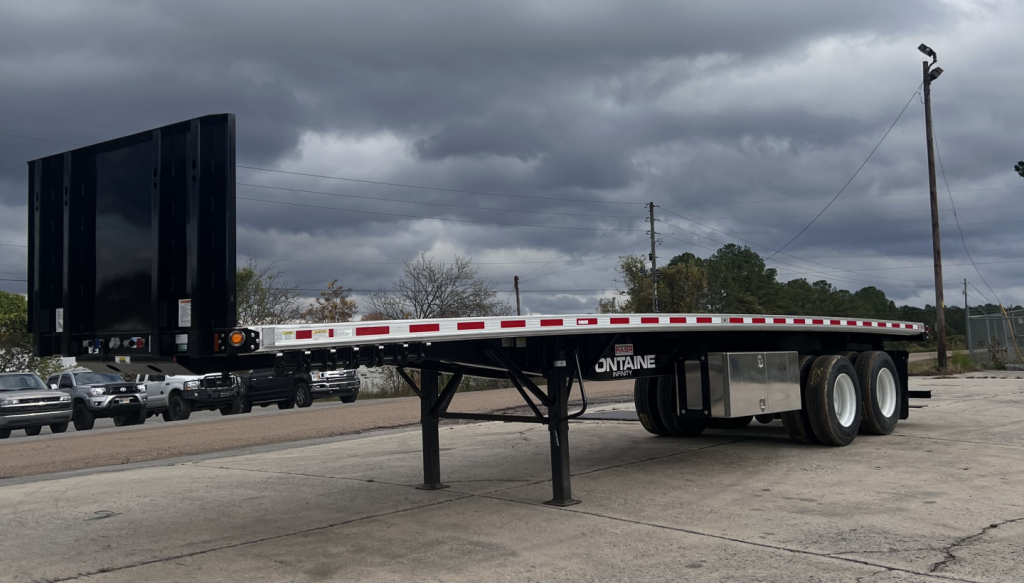
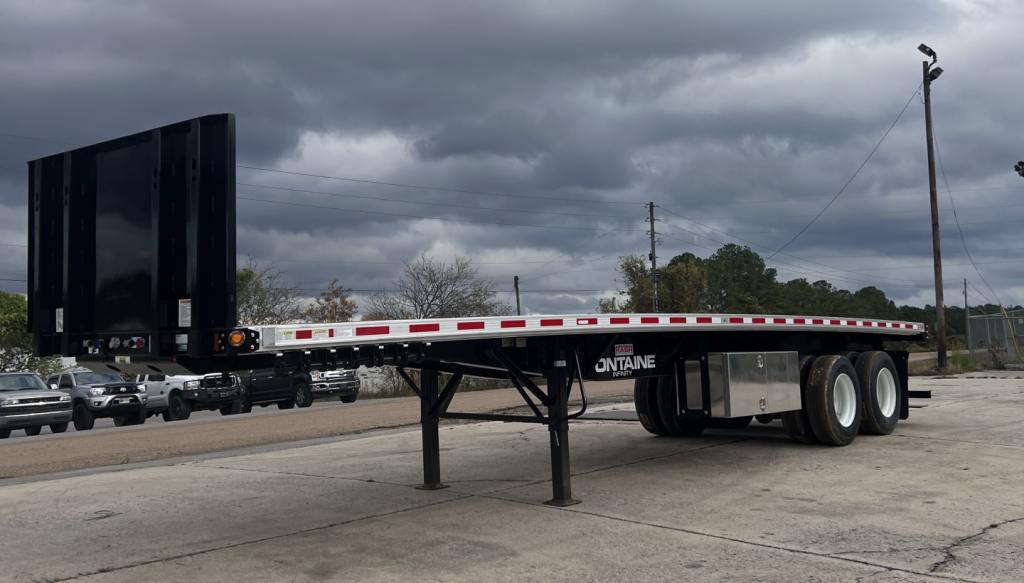
2027 Fontaine 53' Combo Flat - Rear Axle Slide
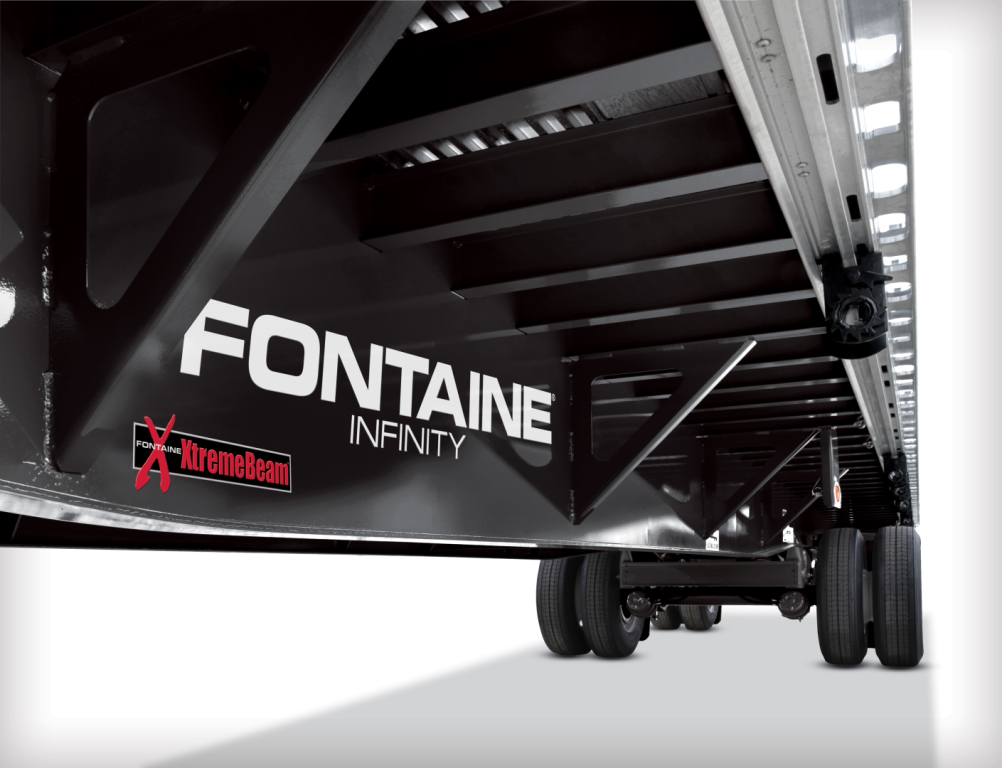
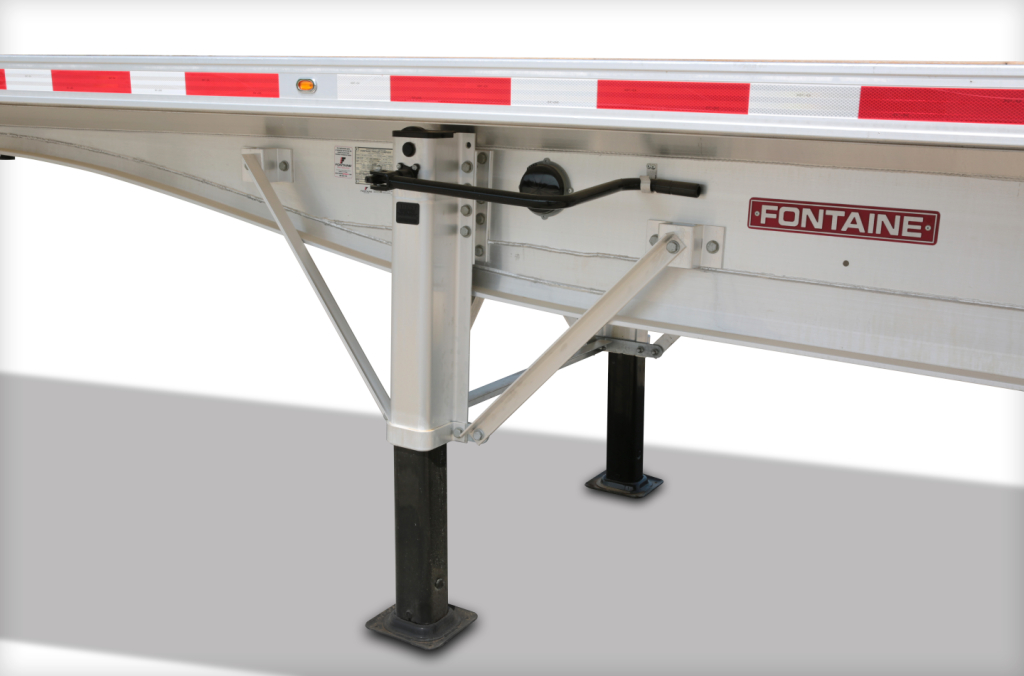
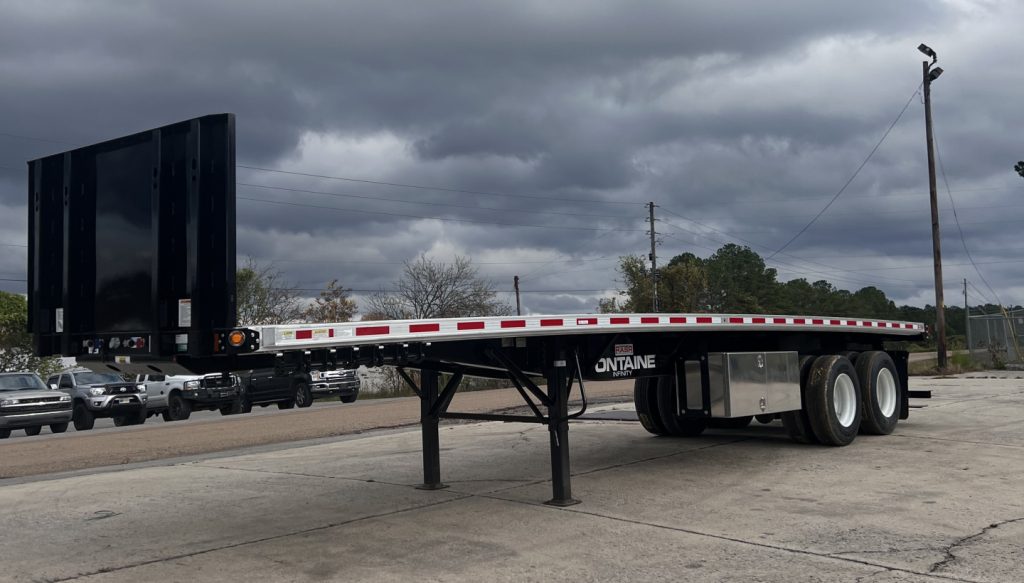
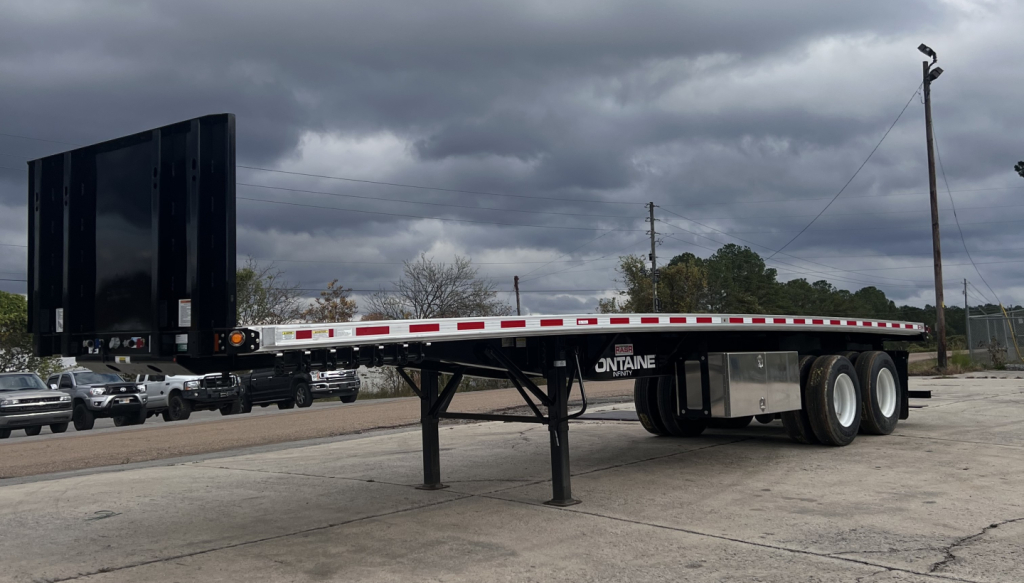
2027 Fontaine 53' Combo Flat - Rear Axle Slide
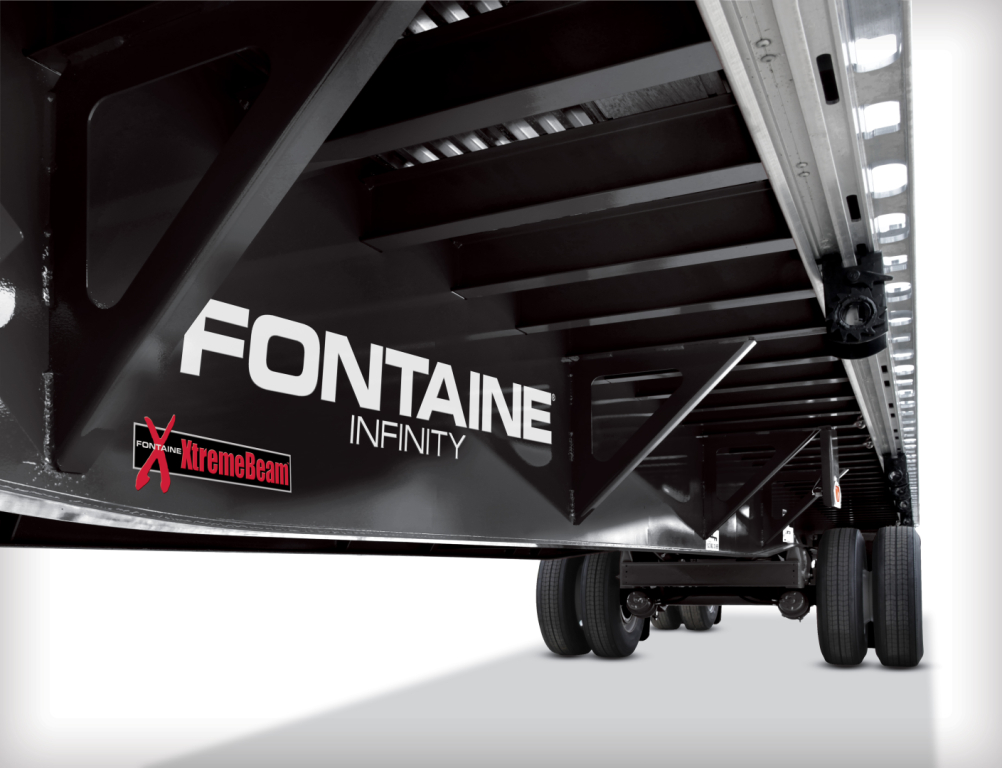
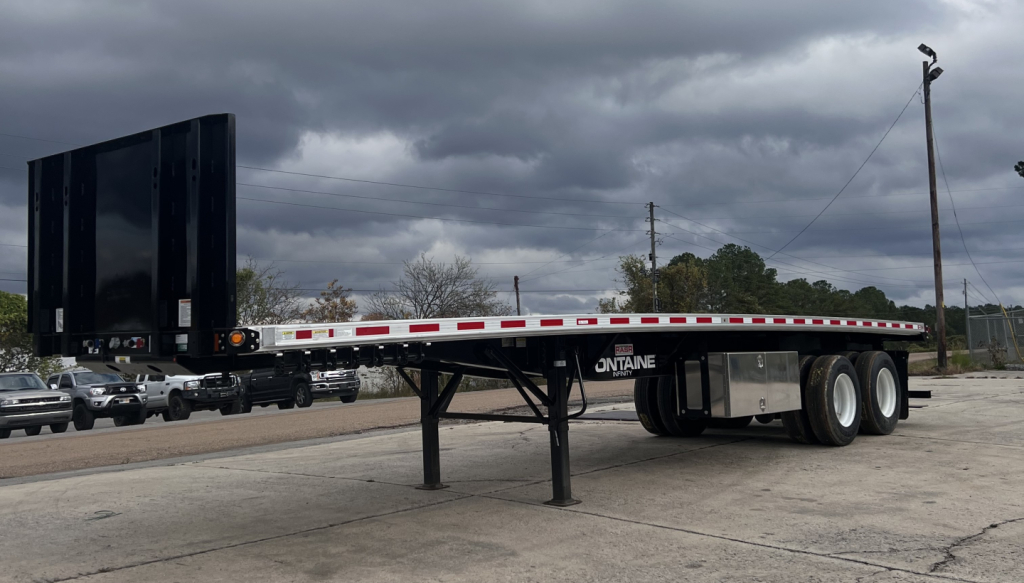
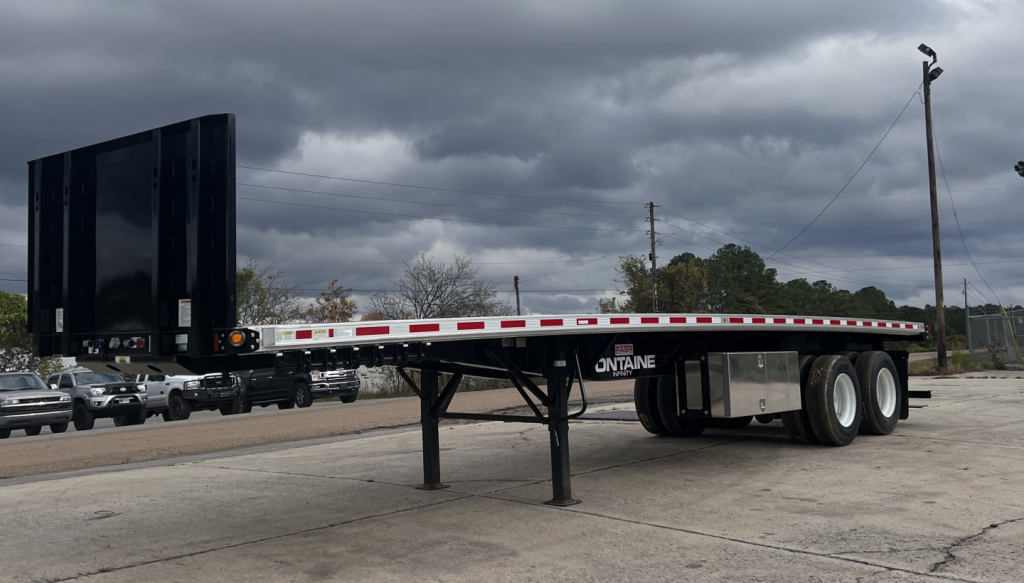
2027 Fontaine 53' Combo Flat - Rear Axle Slide
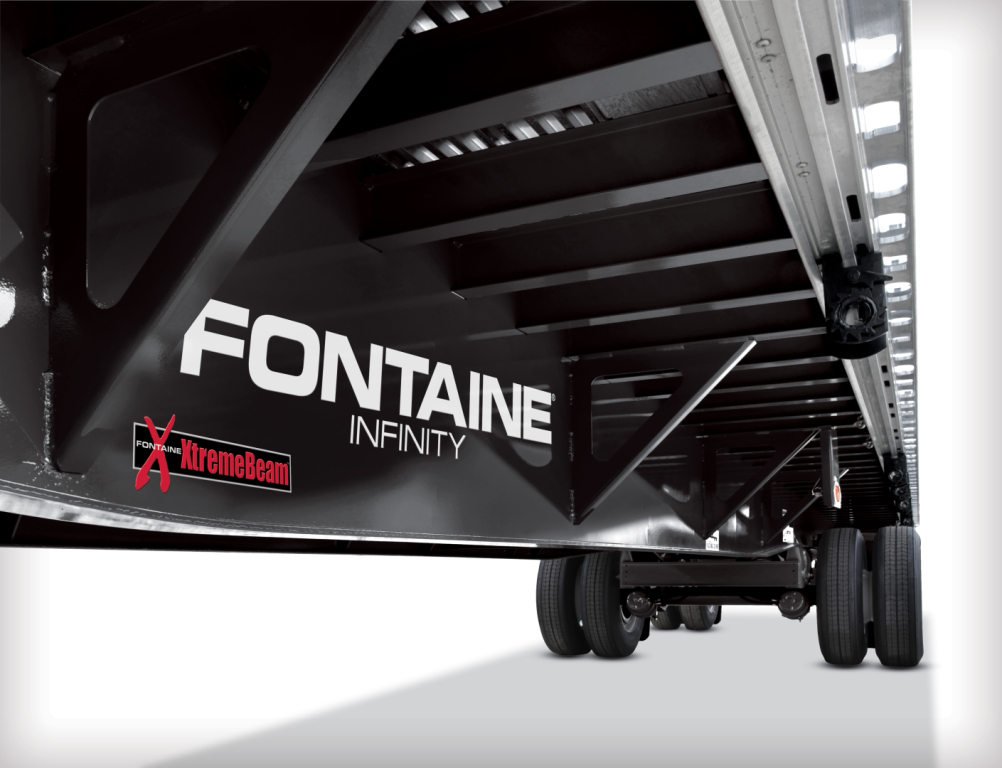
2027 Fontaine 53' Combo Flat - Rear Axle Slide
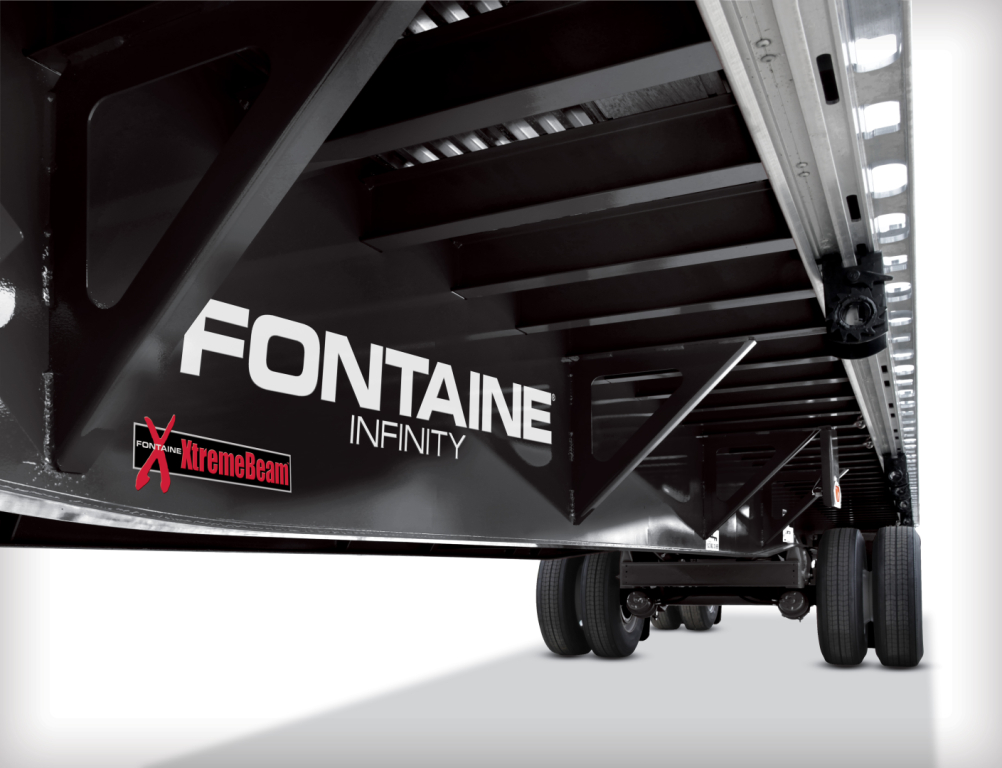
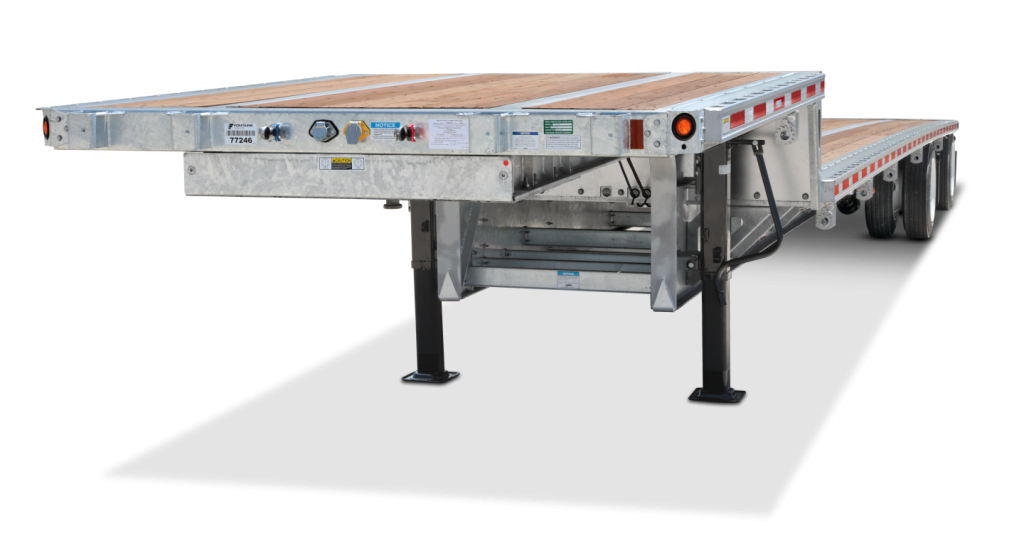
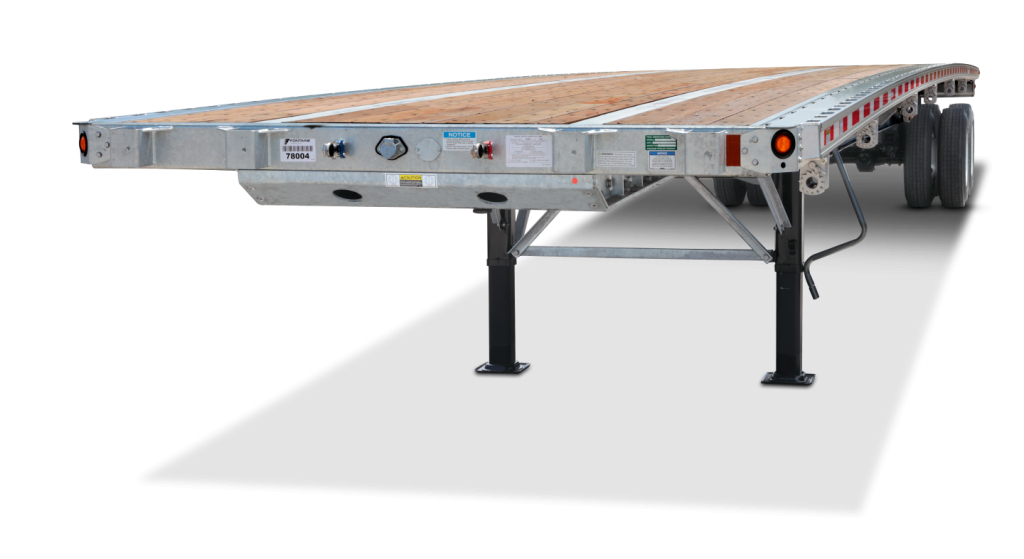
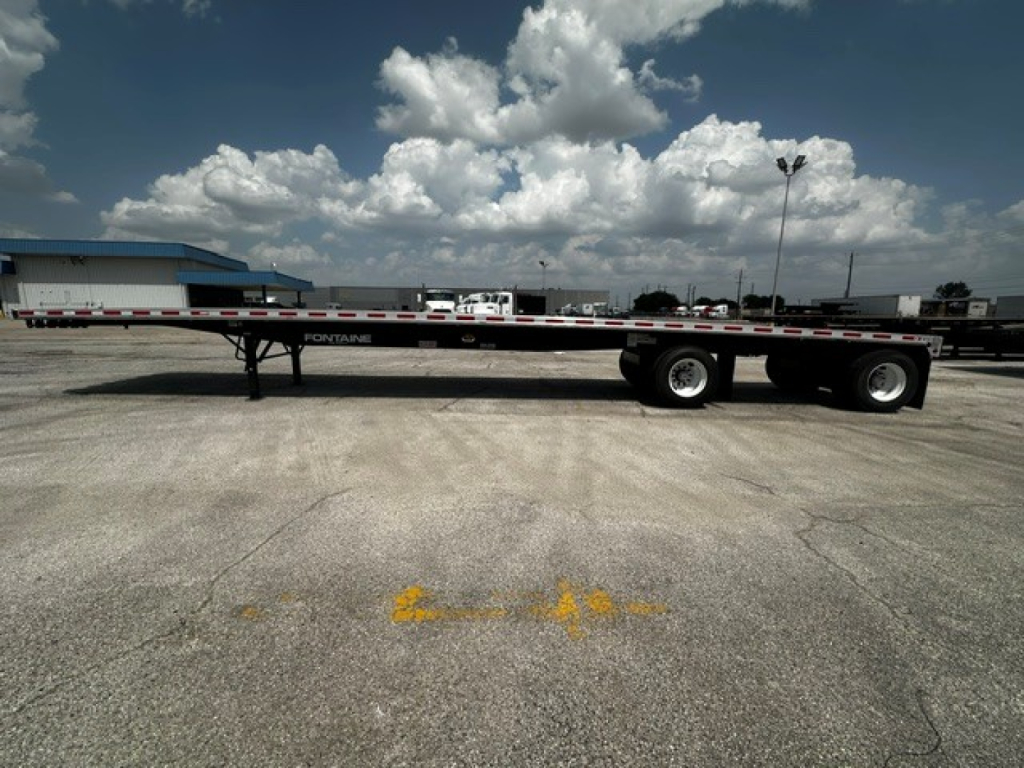
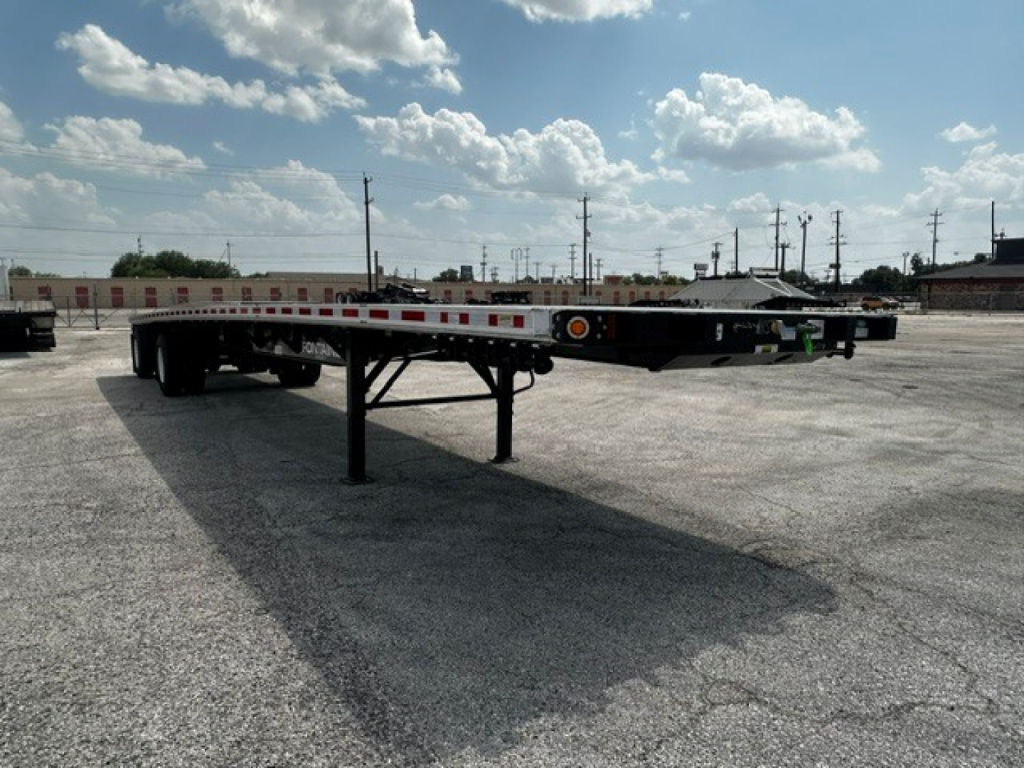
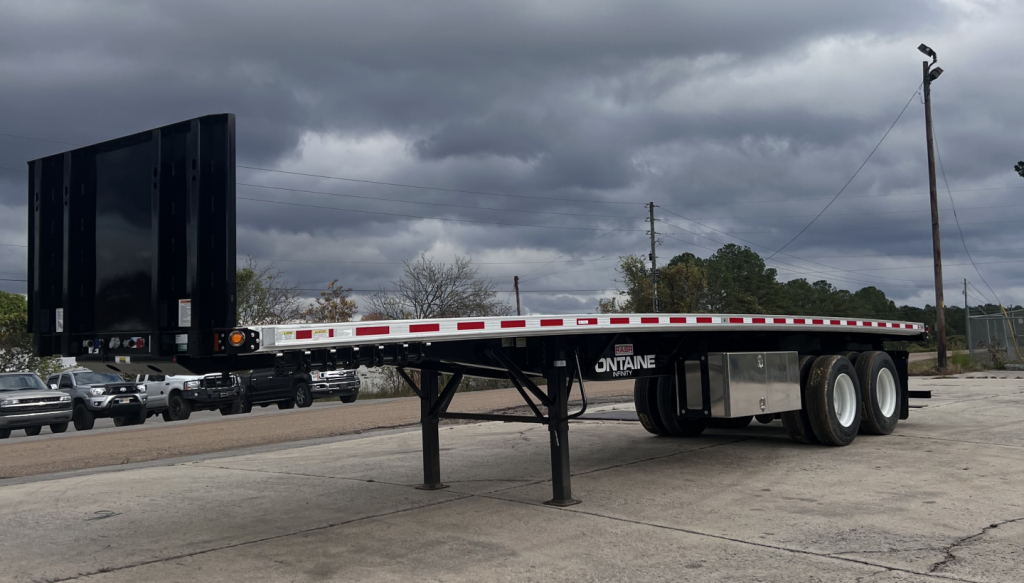
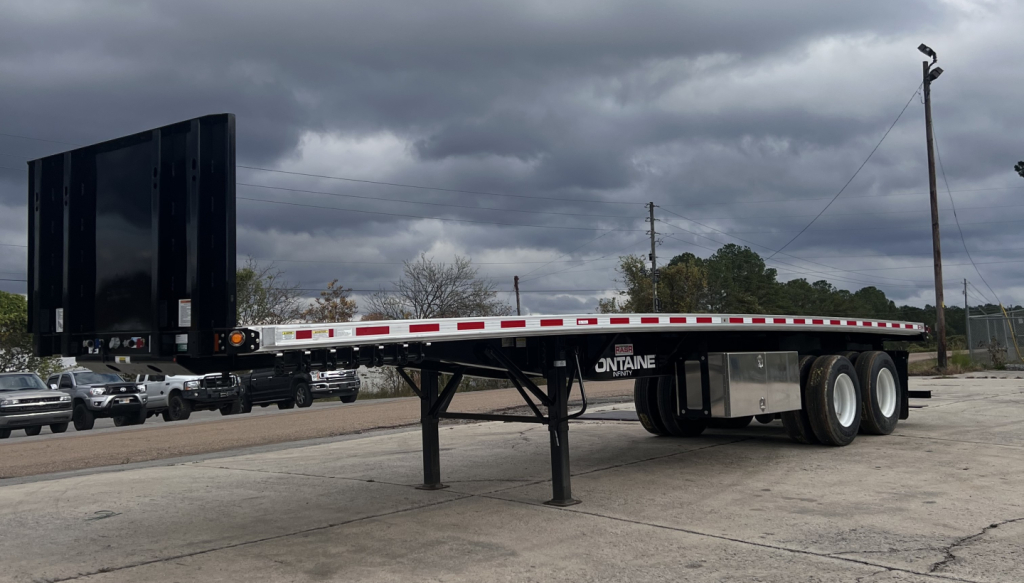
Showing 1 to 28 of 31 results
Selling a new fontaine trailer? List your new fontaine trailer for sale and reach thousands of commercial buyers.
New Fontaine Trailers in Texas
A buyer comparing new Fontaine flatbeds should pay close attention to deck configuration and securement layout first. Features like aluminum flooring with wood nailers, stake pockets on 24-inch centers, and sliding winches directly affect how easily the trailer handles mixed freight. A 36-foot to 37-foot deck is a practical length for regional work, especially where tighter delivery sites or dedicated routes make a shorter platform more efficient than a full 48-foot spread. Bulkhead design also matters. On some forklift-kit trailers, the steel post bulkhead is tied into the counterweight system, so it is part of the trailer's working setup rather than just a front wall. That detail matters for operators carrying piggyback forklifts and for buyers who want to avoid mismatching trailer spec to delivery method.
Texas buyers often put extra value on versatility, tire life, and ease of operation across long regional runs. Specs such as 295/75R22.5 rubber, steel wheels, and an auto-sensing front axle lift can reduce scrub and help manage wear when the trailer is empty or lightly loaded. Kingpin setting is another important checkpoint. A 30-inch kingpin setting is common on many flatbeds and should be matched to your tractor wheelbase, headache rack clearance, and bridge law requirements. Toolbox size and placement are also worth reviewing if the trailer will carry chains, straps, edge protection, and forklift-related gear every day.
For buyers focused on new Fontaine flatbed trailers for sale, the real question is how the trailer is spec'd for the freight, not just the badge on the nose. Combo construction, forklift kit capacity, axle configuration, bulkhead design, and winch layout should all match the way the trailer earns revenue. If the work involves masonry, lumber, palletized material, or jobsite delivery with an 8,000-plus-pound truck-mounted forklift, a purpose-built flatbed spec can save time at every stop and reduce compromise in the field. A well-matched new Fontaine trailer is typically chosen for predictable uptime, straightforward securement, and a deck setup that works day after day in regional and dedicated service.
Frequently Asked Questions about New Fontaine Trailers in Texas
What is a Fontaine combo flatbed trailer?
A Fontaine combo flatbed trailer uses both aluminum and steel in its construction. The goal is to reduce trailer weight without giving up the structural strength needed in high-stress areas. Buyers usually choose combo trailers when payload matters but the trailer still needs to stand up to frequent forklift loading, securement wear, and rougher day-to-day freight handling.
Why would a new flatbed trailer have a forklift kit and counterweight system?
A forklift kit is designed for operations that carry a truck-mounted or piggyback forklift on the trailer. The counterweight system helps balance the added rear-mounted weight and keeps the trailer operating correctly within its design limits. This setup is common in building materials, masonry, and jobsite delivery work where the trailer must bring its own unloading equipment.
What should I look for in the securement setup on a new Fontaine flatbed?
Focus on stake pocket spacing, winch quantity and placement, flooring, and whether the trailer has wood nailers or other deck protection features. Stake pockets on close centers give you more tie-down flexibility. Sliding winches make it easier to position straps for different freight lengths and shapes. Buyers hauling mixed commodities should pay close attention to this layout because it affects loading speed and compliance every day.
How important is axle lift on a flatbed trailer?
An axle lift can be very valuable on a flatbed that runs empty for part of the route or returns light after delivery. An auto-sensing front axle lift can reduce tire scrub, lower rolling resistance, and improve maneuverability when conditions allow the axle to lift. It is not just a convenience feature. Over time, it can help manage tire and suspension wear in regional service.
Is a 36-foot to 37-foot flatbed a good fit for Texas operations?
It can be an excellent fit for regional and dedicated Texas freight, especially when delivery sites are tighter or the trailer is paired with a truck-mounted forklift. A shorter flatbed is often easier to maneuver in construction zones, yard environments, and urban jobsites. The tradeoff is deck space, so the right choice depends on whether your operation values access and delivery efficiency more than maximum platform length.