
2018 Fontaine Trailers For Sale
Shop 2018 Fontaine trailers including flatbeds, lowboys, and double drops. Compare specs, weights, materials, and heavy-haul features.

Have 2018 fontaine trailer to sell? List it here to reach thousands of buyers.
2018 Fontaine Trailers
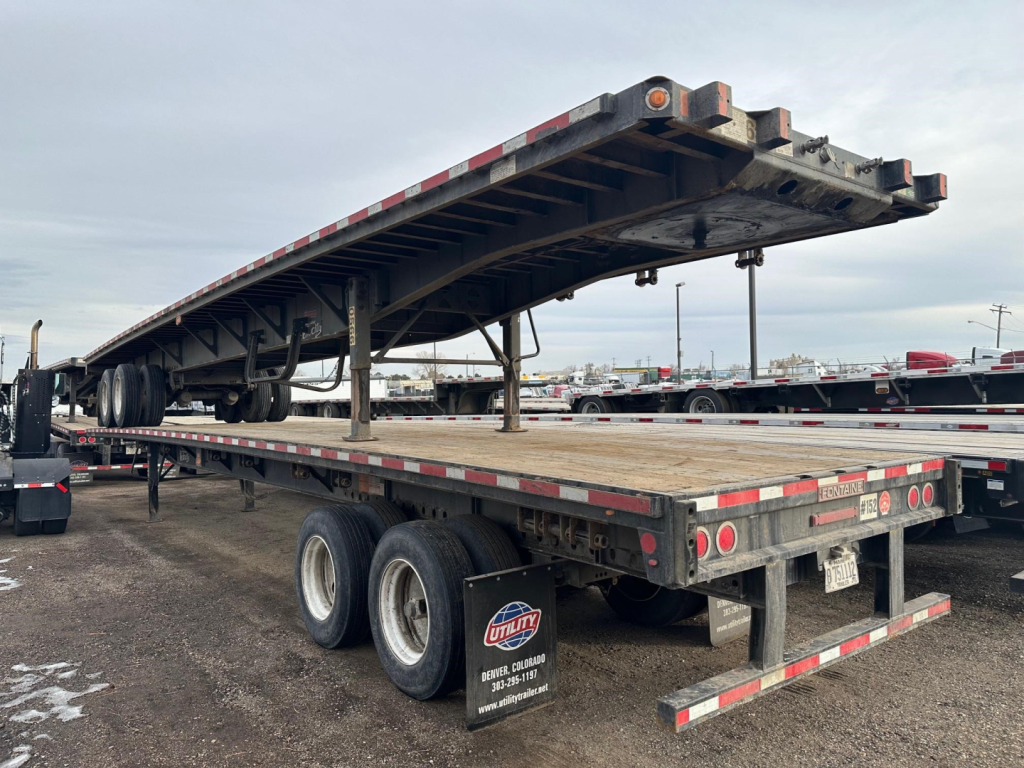
Material and weight are major spec drivers on a 2018 Fontaine trailer. Aluminum flatbeds generally appeal to buyers chasing payload and corrosion resistance, while steel models trade more tare weight for impact tolerance and heavy-duty durability. Buyers should pay close attention to floor type, crossmember spacing, siderail condition, stake pocket wear, winch track integrity, and any cracking or repairs around the kingpin area and suspension hangers. On sliding tandem flatbeds, look at rail wear and locking pin function. On heavy-haul units, inspect the neck connection points, deck straightness, loaded deck height, boom well dimensions, outriggers, and the condition of the air-ride suspension. If the trailer is a mechanical detachable or removable gooseneck design, the neck fit and latch system deserve extra scrutiny because that interface affects both loading safety and long-term maintenance cost.
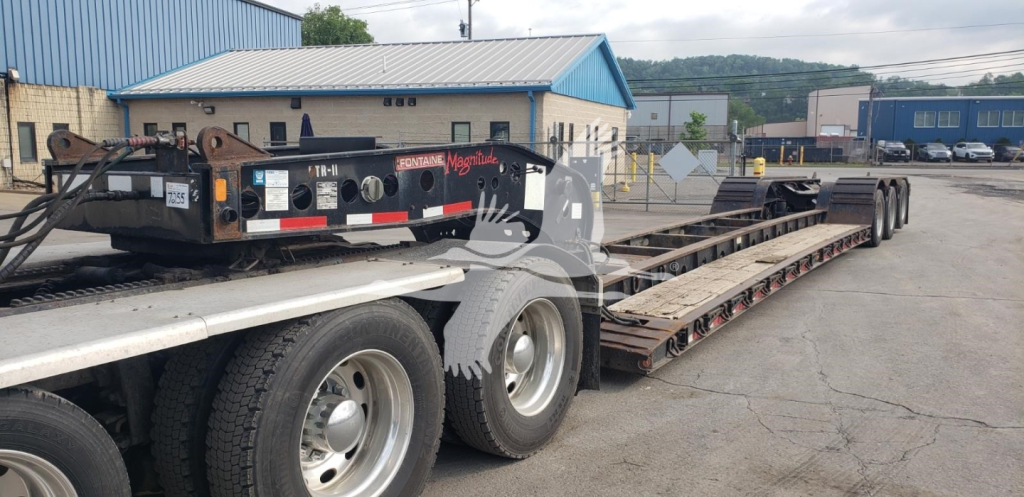
Application should drive the spec. A 2018 Fontaine flatbed or extendable is commonly used for steel, lumber, machinery, pipe, and oversized construction materials. Extendables are especially useful when freight length changes from job to job, but buyers should verify stop positions, extension mechanism condition, and how the trailer behaves at full spread under load. A 2018 Fontaine lowboy or double drop is a different purchase entirely. Those trailers are built around low deck height, ramp geometry, axle group capacity, and legal hauling requirements. Mechanical detachable double drops are often chosen for simplicity and lower maintenance compared with hydraulic neck systems, while fixed-neck lowboys can make sense when the freight profile is consistent and loading methods are controlled. Tri-axle setups, flip axle prep, paver or roller package specs, and close-coupled options all matter if the trailer will move compactors, pavers, excavators, or other dense equipment.
For a buyer comparing multiple 2018 Fontaine trailers, condition history is just as important as published capacity. Check for frame repairs, rust scale on steel units, aluminum corrosion around fasteners on lightweight models, brake and tire age, and signs of overloading such as deck sag or uneven suspension wear. Verify axle ratings, GAWR, tire size, suspension type, and legal capacity in the bridge formula context for the states where the trailer will run. Fontaine trailers are widely recognized because they tend to balance serviceability with jobsite durability, but the right trailer is still the one whose deck layout, tare weight, axle spread, and load securement package match the freight you actually haul.
Frequently Asked Questions about 2018 Fontaine Trailers
What should I look for when buying a used 2018 Fontaine trailer?
Start with the trailer class and intended use, then inspect the structural areas that carry the most stress. On flatbeds, pay close attention to the main beams, crossmembers, floor condition, slider rails, kingpin area, and suspension mounts. On lowboys and double drops, inspect the gooseneck connection, deck height consistency, outriggers, frame alignment, and any evidence of concentrated load damage. Brake condition, tire date codes, axle ratings, and signs of previous repairs are just as important as the listed capacity.
Are 2018 Fontaine flatbeds better in aluminum or steel?
Neither is universally better because the right choice depends on the freight. Aluminum Fontaine flatbeds typically offer lower tare weight and better corrosion resistance, which helps maximize payload and reduce long-term rust concerns. Steel trailers usually weigh more but can be attractive in severe-duty applications where impact resistance and repair familiarity matter. Buyers should compare payload targets, climate, loading practices, and how often the trailer sees forklifts, chains, coils, or concentrated point loads.
What is the difference between a Fontaine lowboy and a Fontaine double drop?
A Fontaine lowboy is generally built for hauling heavy equipment with a very low deck and a loading setup designed around ramps or detachable neck configurations. A Fontaine double drop, also called a low deck or low-bed trailer in some markets, has upper decks at the front and rear with a dropped center deck that provides extra height clearance for taller freight. The better choice depends on the machine dimensions, loading method, legal height limits, and how much concentrated weight needs to sit in the well.
How important is axle configuration on a 2018 Fontaine trailer?
Axle configuration affects legal payload, bridge compliance, tire wear, maneuverability, and resale appeal. Tandem axles are common on standard flatbeds and many double drops, while tri-axle or flip axle-ready setups are more common on heavier lowboy applications. A sliding tandem gives flexibility for load distribution and state compliance on open-deck freight. On heavy-haul trailers, axle spread, suspension type, and flip axle compatibility can directly affect what machines the trailer can legally and safely move.
Do 2018 Fontaine trailers hold their value well?
Fontaine trailers are generally considered strong value-retention units because the brand is well known in both general freight and heavy-haul markets. Resale strength depends heavily on spec, maintenance history, and regional demand. Standard 48-foot and 53-foot flatbeds tend to have broad market appeal, while heavy-haul models can command strong value when the deck configuration, axle package, and detachable system match common equipment-hauling needs. Clean structural condition and documented maintenance usually matter more than age alone.