
2006 Fontaine Trailers For Sale
Have 2006 fontaine trailer to sell? List it here to reach thousands of buyers.
2006 Fontaine Trailers
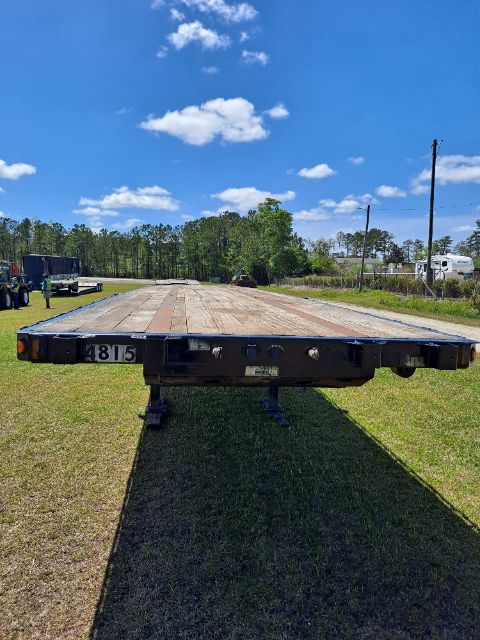
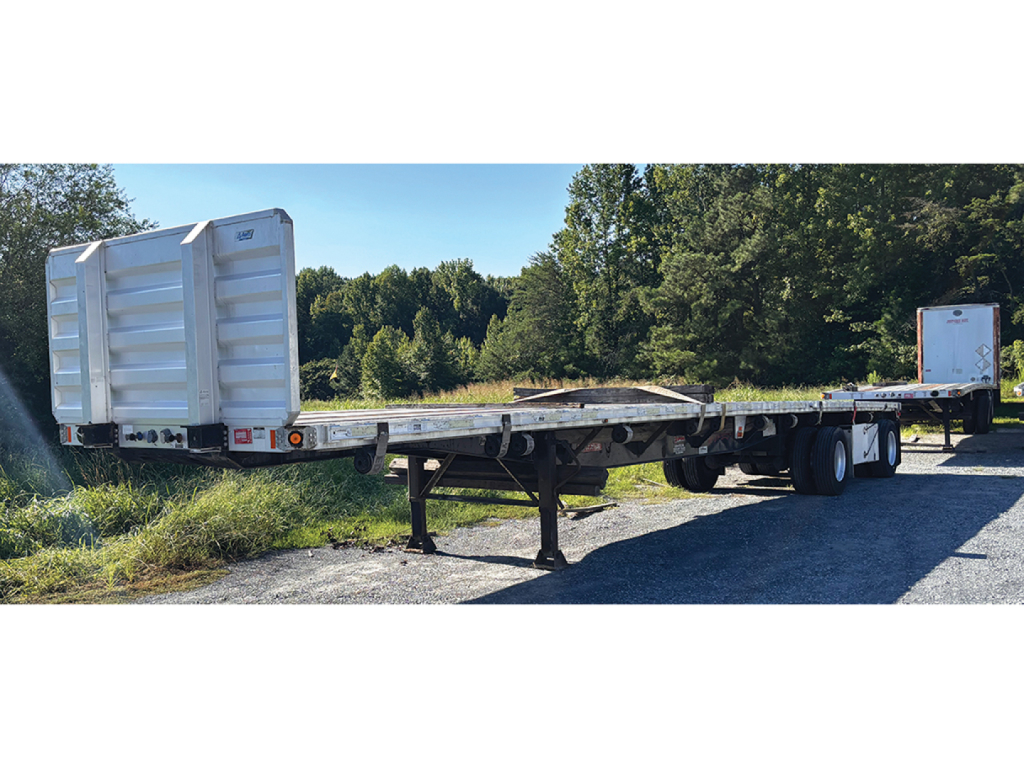
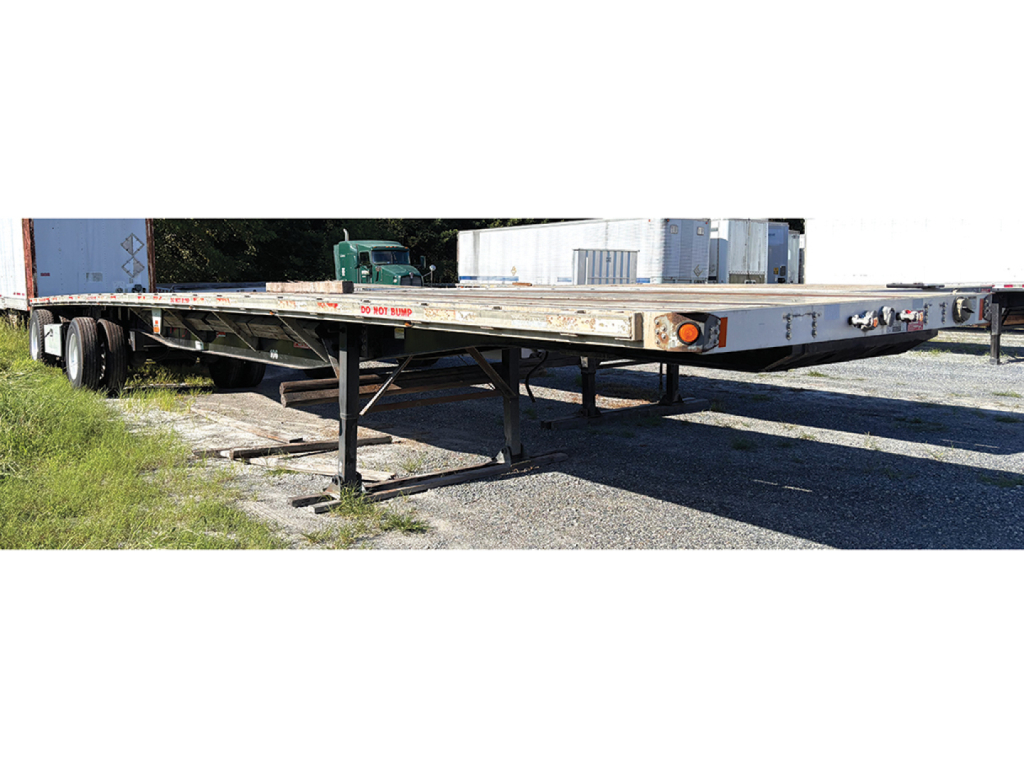
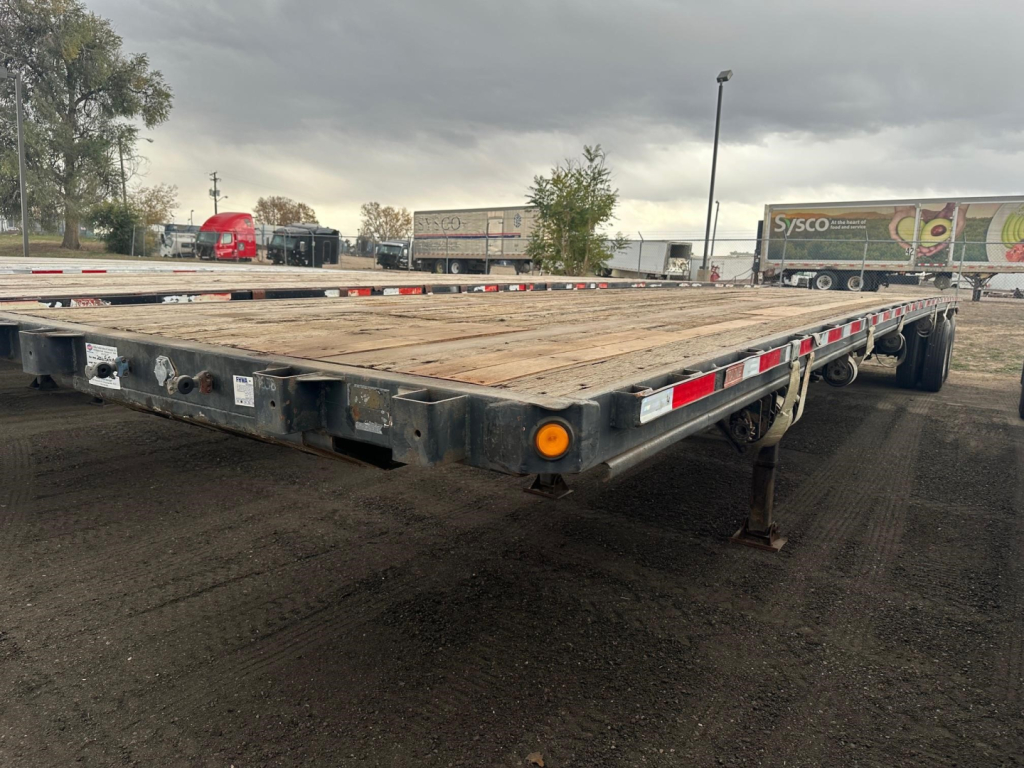
For flatbed and drop deck buyers, common decision points include overall deck length, kingpin setting, axle spread, sliding tandem versus fixed suspension, floor type, and tie-down package. Many Fontaine trailers in this age range were built with steel or combo construction, with features such as stake pockets, winch tracks, sliding winches, wood or aluminum floors, and air ride suspensions. If the trailer has been used in steel, lumber, machinery, or building products service, inspect side rails, scuff areas, bulkhead mounts, and flooring for fatigue or patchwork. Tire size, wheel material, brake type, and landing gear condition also affect long-term operating cost.
If you are looking at a 2006 Fontaine lowboy, mechanical detachable, or double drop trailer, focus on deck height, loaded ground clearance, gooseneck connection points, outriggers, ramp condition, and axle compatibility. Heavy haul buyers should verify the rated capacity against the actual trailer model, then inspect for elongation at pin holes, cracked welds, suspension component wear, and any uneven deck deflection under load. A trailer that has spent its life moving compact equipment is a different buy than one that has handled concentrated excavator or dozer loads. On older specialized Fontaine models, parts support is still a real advantage, but correct model identification is important before ordering components.
The best 2006 Fontaine trailer for sale is the one matched to your freight, route, and loading method. A flatbed for regional building materials needs different specs than a detachable trailer hauling iron on multi-state permits. Look for a trailer with a clean title history, consistent tire wear, straight tracking, and evidence of proper brake and suspension maintenance. Fontaine remains a recognized name because the trailers were designed for hard commercial use, and a well-kept 2006 unit can still be a practical asset for an owner-operator or fleet that buys on specification instead of model year alone.
Frequently Asked Questions about 2006 Fontaine Trailers
What should I inspect first on a 2006 Fontaine trailer?
Start with the frame, neck, suspension, brakes, and deck structure. On a 2006 trailer, age-related wear is expected, but cracked welds, rust scaling at structural members, bent crossmembers, and poor-quality repairs are bigger concerns than cosmetic appearance. Tire wear patterns, air system leaks, bushing wear, and brake component condition can also reveal how the trailer was maintained.
Are 2006 Fontaine trailers still a good buy for commercial use?
They can be, if the trailer matches the job and has been maintained correctly. Fontaine trailers have a strong reputation in flatbed and heavy haul applications, and many older units remain in service because the core structures were built for demanding freight. The key is verifying structural condition, confirming the trailer's original and current capacity, and budgeting for normal wear items such as tires, brakes, suspension parts, lights, and flooring.
What trailer types might be included under 2006 Fontaine trailers for sale?
This category can include flatbeds, step decks, lowboys, double drops, detachable goosenecks, and related specialty trailer configurations. Fontaine has long been active in both general freight and heavy haul segments, so the make covers a wide range of trailer applications. Buyers should filter by actual trailer type first, then compare deck dimensions, axle setup, suspension, and load securement features.
How do I know if a used Fontaine heavy haul trailer is rated correctly for my equipment?
Check the exact model designation, manufacturer data plate, axle configuration, and any documentation tied to the trailer's rated capacity. A heavy haul trailer's usable capacity depends on more than a sales description. Deck length, concentrated load placement, gooseneck design, axle group, and any added accessories such as flip axles or outriggers all affect how the trailer performs in real service. If the trailer will haul permit loads, verify state requirements before purchase.
What are common specs buyers compare on older Fontaine trailers?
Most buyers compare trailer length, width, axle count, fixed or sliding axle arrangement, suspension type, floor construction, wheel and tire specs, kingpin setting, and overall empty weight. On flatbeds and step decks, tie-down equipment such as stake pockets, chain spools, winch tracks, and bulkheads matters a lot. On lowboys and double drops, deck height, ground clearance, gooseneck style, ramp design, and compatibility with booster or flip axle equipment are often the deciding factors.