
2006 Fontaine Flatbed Trailers For Sale
Have 2006 fontaine flatbed trailer to sell? List it here to reach thousands of buyers.
2006 Fontaine Flatbed Trailers
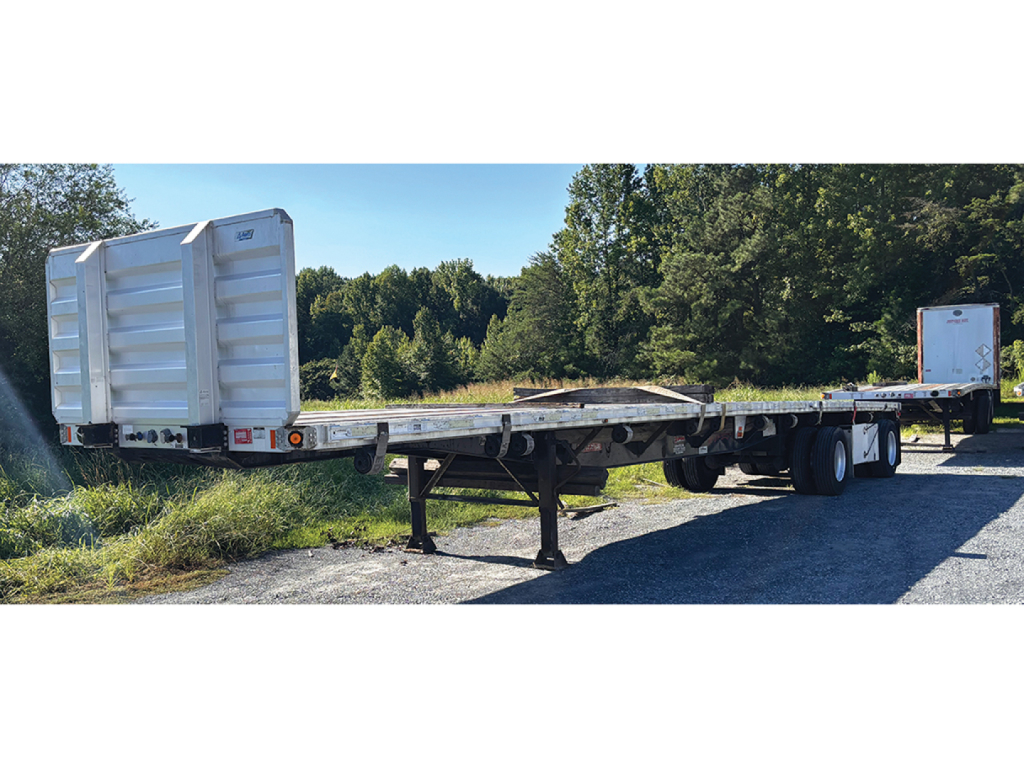
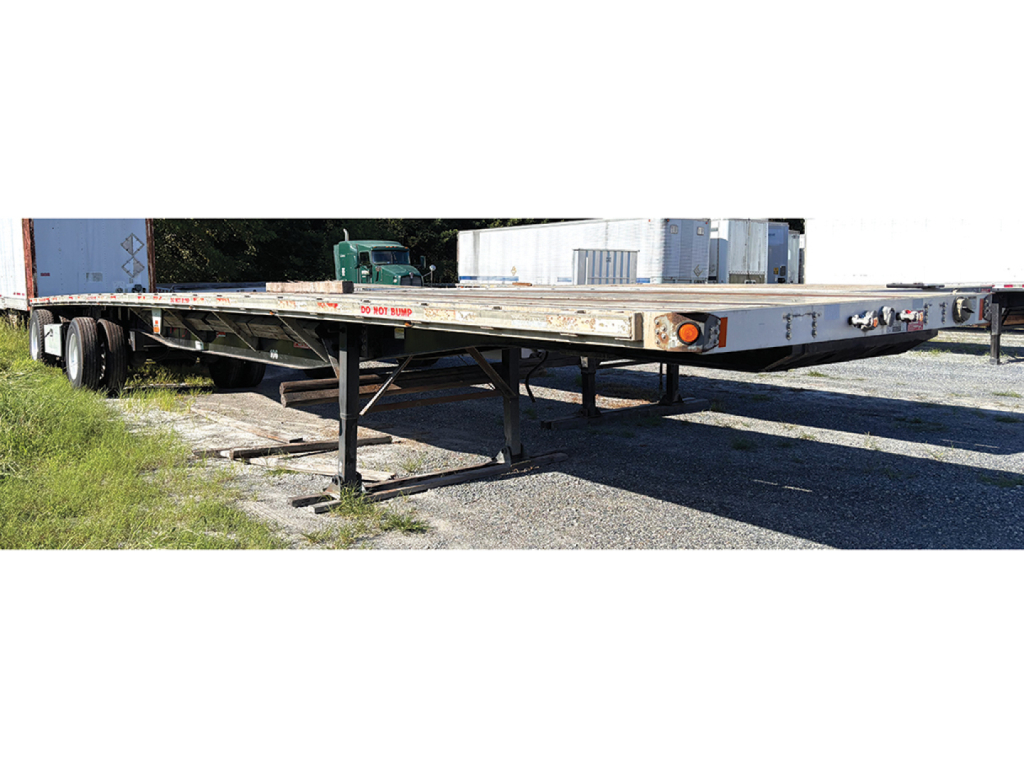
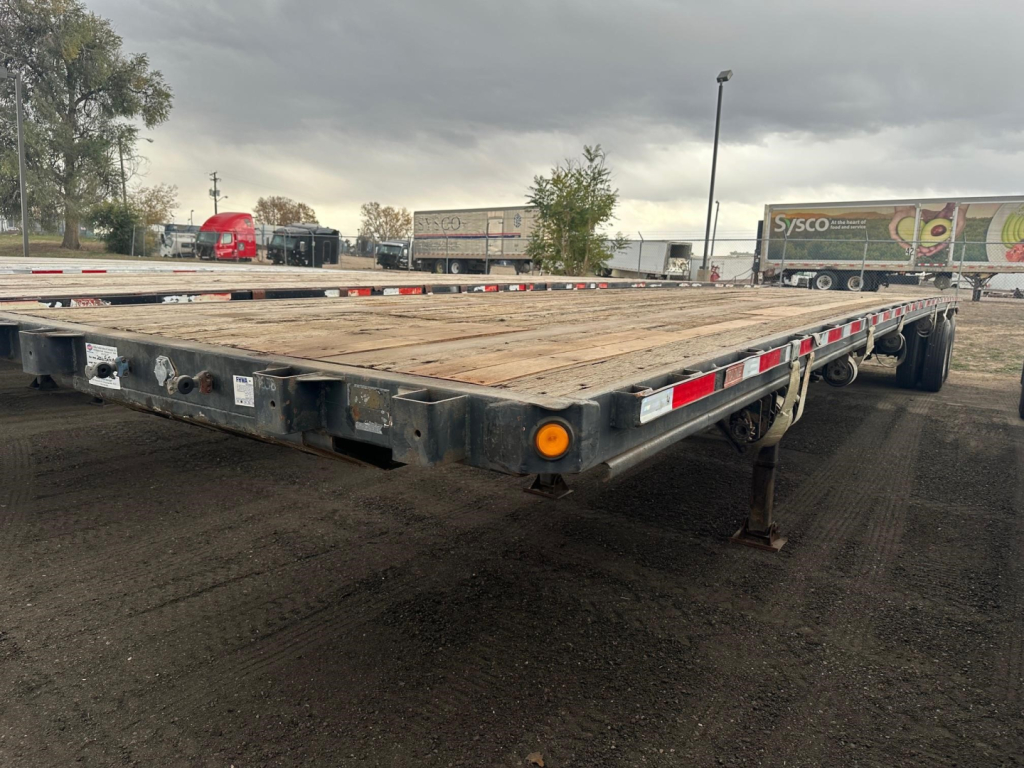
On many 2006 Fontaine flatbeds, the core buying decisions come down to deck length, axle configuration, and securement layout. The most common platform is a 48-foot by 102-inch trailer, though 53-foot versions are also seen in the market. Spread axle setups are popular for stability and weight distribution, while tandem and sliding axle arrangements may better suit fleets dealing with bridge laws, tight yards, or varied state regulations. Air ride suspension is a desirable spec for more delicate freight, and buyers should pay attention to kingpin setting, loaded deck height, floor type, rub rail condition, stake pocket spacing, and whether the trailer has nail strips, winch tracks, sliding winches, chain tie-downs, or a bulkhead.
Condition matters more than age on a used flatbed from this era. On a 2006 trailer, inspect the main beams, crossmembers, floor wear, side rails, landing gear, suspension components, brakes, wheel ends, and lighting system closely. Aluminum floors should be checked for gouging, distortion, and fatigue around high-traffic forklift areas. Combo trailers should also be evaluated for corrosion where steel and aluminum components meet. Tire size, wheel material, and axle spread affect both operating cost and load planning, so those details are worth reviewing alongside any maintenance records or evidence of prior structural repairs.
For many buyers, a 2006 Fontaine flatbed trailer remains a practical way to add open-deck capacity at a lower acquisition cost than a newer unit. The right trailer depends on the freight mix. Lumber and building products operators may prioritize nail strips, stake pockets, and a solid rub rail system, while steel haulers may care more about chain securement points, concentrated load ratings, and deck integrity. If your work includes forklifts, coils, or frequent loading from docks and job sites, the trailer's floor design, bulkhead setup, and suspension spec will have a direct impact on daily usability.
Frequently Asked Questions about 2006 Fontaine Flatbed Trailers
What are the most common specs on a 2006 Fontaine flatbed trailer?
Many 2006 Fontaine flatbed trailers are found in 48-foot by 102-inch configurations, often with aluminum or aluminum-steel composite construction. Common features include air ride suspension, spread axles, aluminum flooring with nail strips, stake pockets, rub rails, chain tie-downs, bulkheads, and toolboxes. Exact specifications vary by original order, so buyers should confirm axle spacing, kingpin setting, deck height, and securement equipment on each trailer.
Is a 2006 Fontaine flatbed trailer still a good choice for commercial hauling?
It can be, provided the trailer has been maintained properly and the structure is sound. Fontaine flatbeds are widely used because they are relatively lightweight and built for demanding open-deck applications. A 2006 model can still perform well in regional or long-haul service if the frame, crossmembers, floor, suspension, brake system, and securement components are in good condition and matched to the freight you plan to haul.
What should I inspect first on a used 2006 Fontaine flatbed?
Start with the frame rails, crossmembers, floor, suspension, brakes, and axle alignment. Then inspect the rub rails, stake pockets, winch track, landing gear, wheel ends, and lighting. On combo trailers, pay close attention to corrosion or cracking around transition points between aluminum and steel components. Signs of hard forklift use, deck damage, or prior structural repairs can affect both safety and remaining service life.
What is the advantage of a spread axle flatbed on a Fontaine trailer?
A spread axle flatbed generally improves load stability and can help distribute weight more effectively across the trailer. That makes it popular for many flatbed applications, especially heavier or longer freight. The tradeoff is reduced maneuverability in tight spaces and additional consideration for tire scrub during sharp turns. Buyers who operate in urban yards or frequently back into confined job sites may compare spread axle units against tandem or sliding axle setups.
Are Fontaine combo flatbeds different from all-aluminum flatbeds?
Yes. A Fontaine combo flatbed uses both aluminum and steel components to balance weight savings with added strength in key structural areas. This can make the trailer a good option for operators who want lower tare weight but still need durability under demanding loading conditions. All-aluminum trailers may offer additional weight savings, while combo trailers are often chosen for their blend of payload efficiency, toughness, and long-term repair practicality.