
2006 Fontaine Flatbed Trailers For Sale in North Carolina
Have 2006 fontaine flatbed trailer to sell? List it here to reach thousands of buyers.
2006 Fontaine Flatbed Trailers in North Carolina
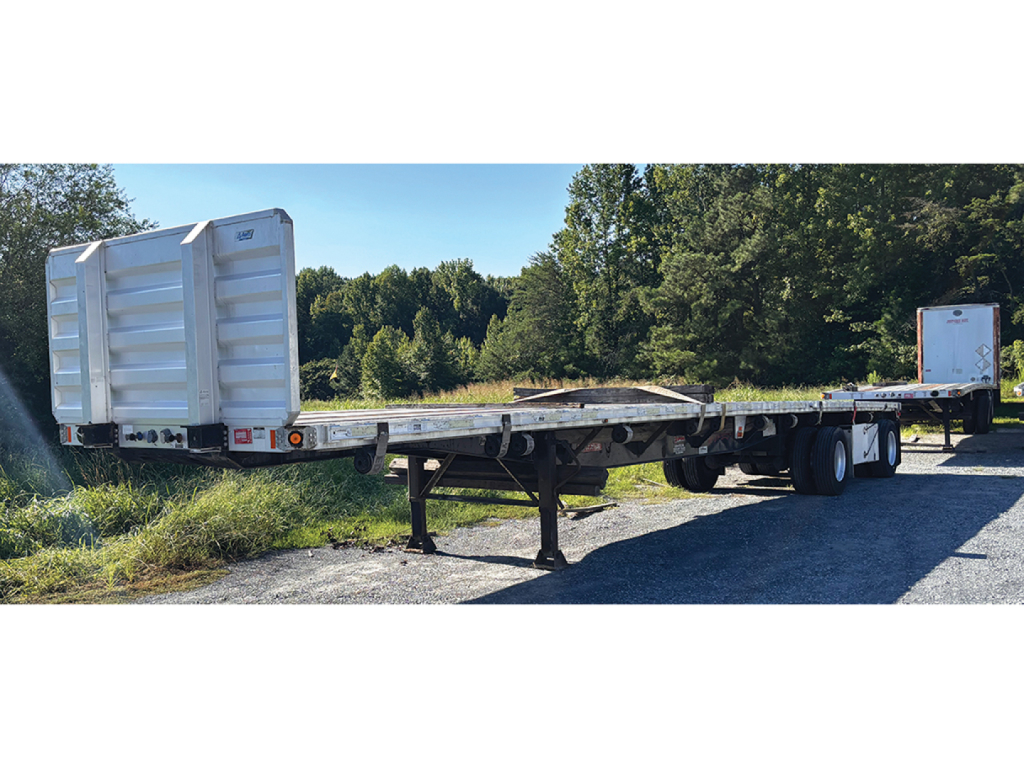
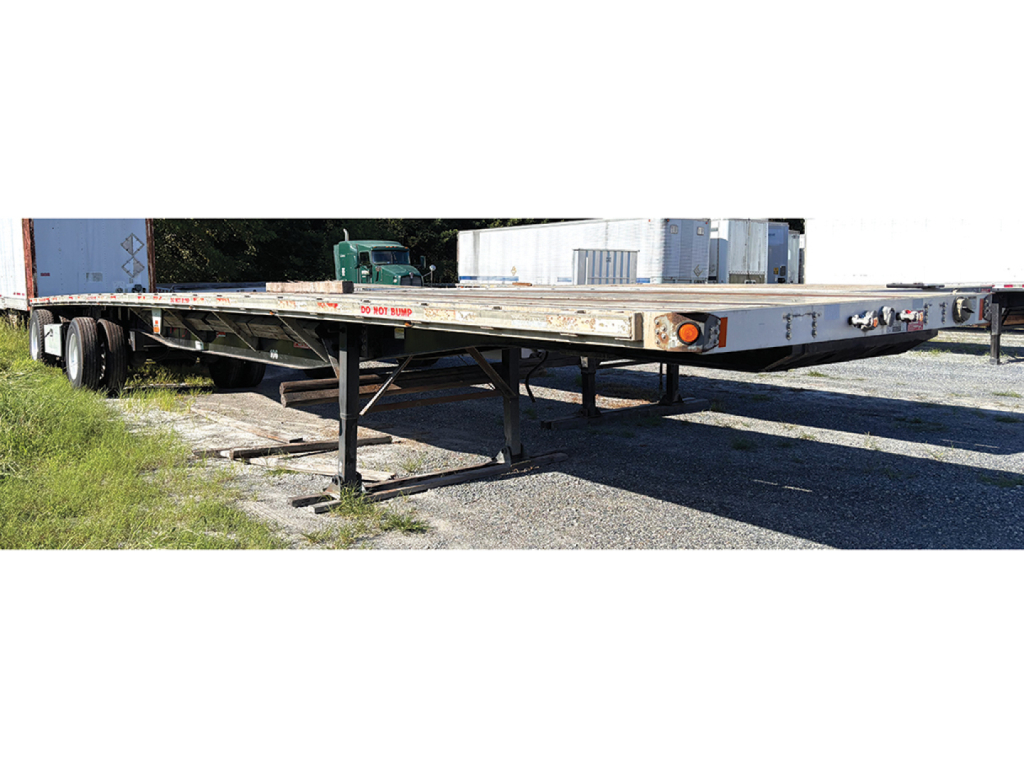
Common configurations in this year range include 48-foot length, 102-inch width, air ride suspension, and spread axle setups with 22.5 low-profile tires. Composite trailers are especially worth a close look because they balance weight savings with frame strength, but condition matters more than brochure specs on an older flatbed. Buyers should inspect crossmembers, main rails, axle alignment, suspension components, landing gear, and the rear impact guard, along with floor wear around nail strips, chain tie-down areas, and forklift traffic zones. Aluminum floors can save weight, but they should be checked carefully for cracks, patching, loose fasteners, and localized damage near concentrated load points.
Freight application should drive the buying decision. A flatbed with a bulkhead can be useful for certain secured loads and can add confidence when hauling packaged freight, while tool boxes, winch tracks, and tie-down equipment can improve day-to-day usability. Spread axle flatbeds often appeal to operators hauling heavier or longer freight because they help with weight distribution and deck stability, but they can also affect maneuverability and tire scrub in tight yards. For North Carolina operations, buyers often want a trailer that can handle a mix of short regional runs, port-related freight, construction materials, and longer Southeast lanes without being over-specialized.
When comparing 2006 Fontaine flatbed trailers for sale, the best value usually comes from matching trailer weight, deck condition, and suspension spec to the freight you actually haul. Pay attention to the trailer's empty weight, the number and condition of tie-down points, wheel-end service history, brake condition, and any signs of corrosion around steel-to-aluminum transition areas on composite units. A clean 2006 Fontaine flatbed can still be a productive trailer if the structure is sound, the running gear is well maintained, and the deck spec matches your securement and loading requirements.
Frequently Asked Questions about 2006 Fontaine Flatbed Trailers in North Carolina
What are the most common specs on a 2006 Fontaine flatbed trailer?
Many 2006 Fontaine flatbed trailers are 48 feet long and 102 inches wide, often with air ride suspension and spread axles. Buyers will also commonly see aluminum floors, nail strips, 22.5 low-profile tires, aluminum wheels, and occasionally a bulkhead or tool boxes. Exact construction may be all-aluminum, steel, or aluminum-steel composite, and that choice has a direct effect on tare weight, repair approach, and long-term durability.
Is a spread axle 2006 Fontaine flatbed a good choice for general freight?
A spread axle setup is a strong choice for many flatbed applications because it helps distribute weight and can improve stability on the deck. It is often preferred for building materials, machinery, steel, and longer freight that benefits from a stable platform. The tradeoff is maneuverability, especially in tighter yards or job sites, and spread axles can increase tire scrub during sharp turns, so tire condition and alignment deserve extra attention.
What should I inspect most carefully on an older Fontaine flatbed trailer?
The most important inspection points are the main frame, crossmembers, suspension, axle alignment, brakes, wheel ends, landing gear, and the full deck surface. On composite and aluminum trailers, inspect closely for cracks, corrosion at connection points, floor damage from forklifts, and repairs around tie-down areas and nail strips. A trailer with solid structure and documented running gear maintenance is usually more valuable than one that only looks clean cosmetically.
Are aluminum and composite Fontaine flatbeds better than steel models?
They are not automatically better, but they serve different priorities. Aluminum and composite Fontaine flatbeds usually offer lower empty weight, which can help maximize payload and improve operating efficiency. Steel-oriented builds can be more forgiving in certain heavy-duty applications and may be preferred where abuse resistance matters more than tare weight. The right choice depends on your freight mix, repair resources, and how sensitive your operation is to payload and fuel economy.
What types of freight are best suited for a 2006 Fontaine flatbed?
A 2006 Fontaine flatbed is generally suited for palletized freight, lumber, pipe, steel products, machinery, equipment, and construction materials that can be loaded from the side, rear, or overhead. Open-deck trailers are especially useful when freight is oversized, irregularly shaped, or requires crane or forklift access from multiple angles. The trailer becomes a better fit when the deck surface, tie-down layout, and axle configuration match the securement demands of the loads you haul most often.