
Utility Flatbed Trailers For Sale in Texas
Shop Utility flatbed trailers for sale in Texas. Compare 48-foot aluminum-steel composite specs, axle setups, flooring, and securement features.
Learn more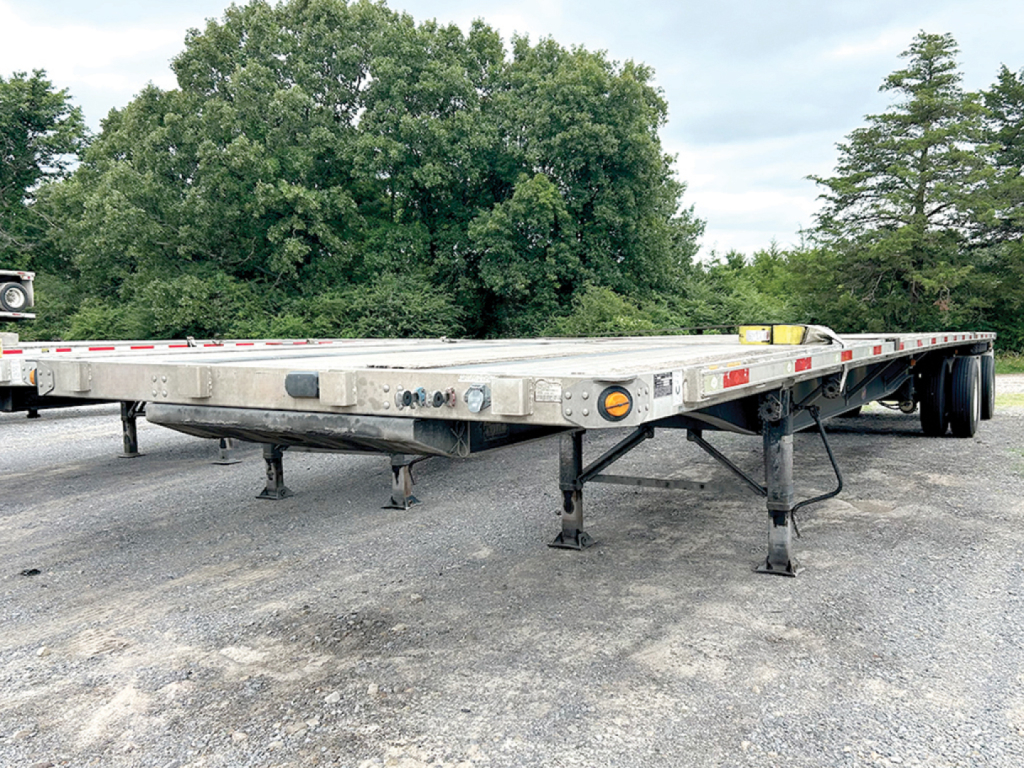
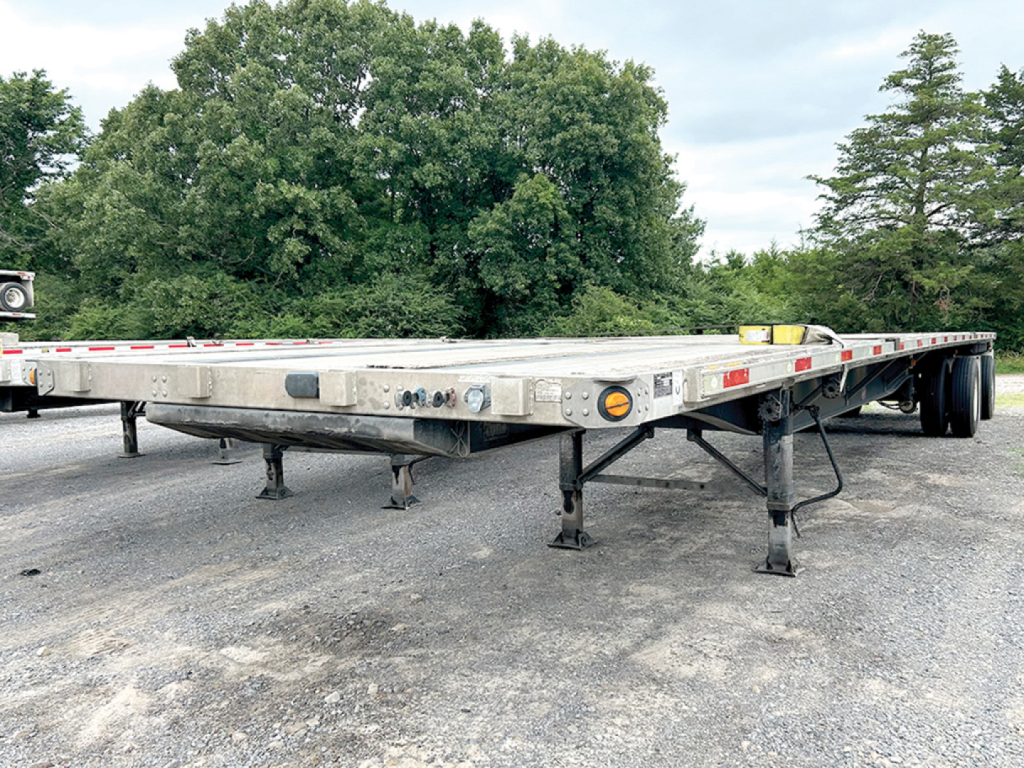
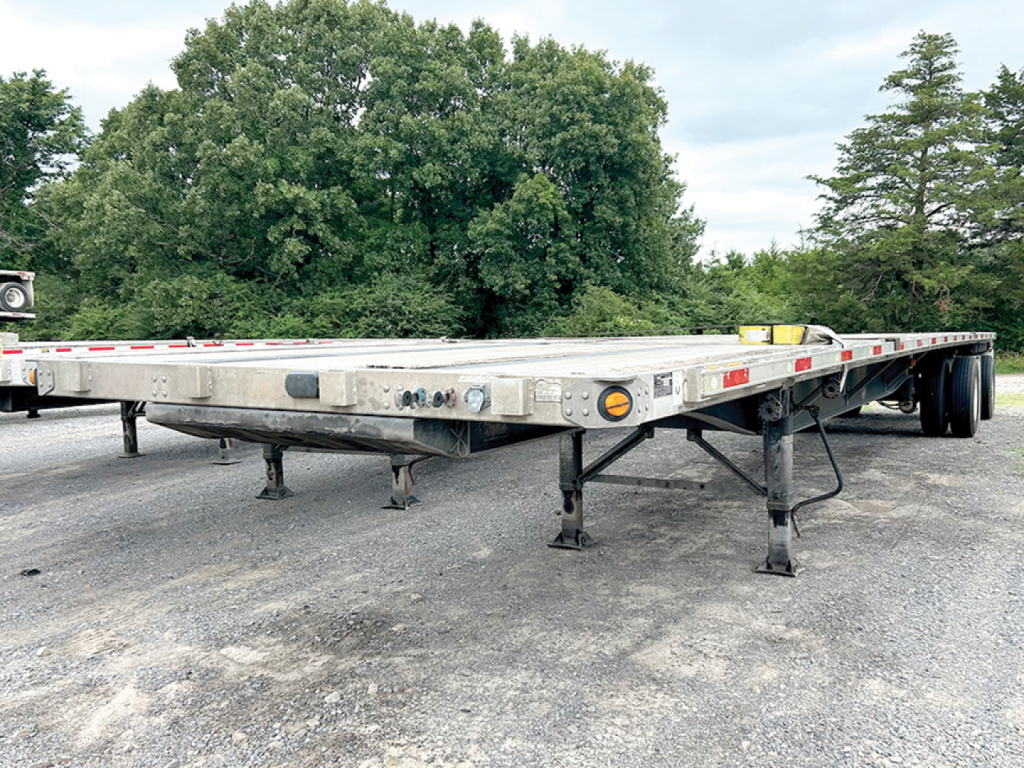
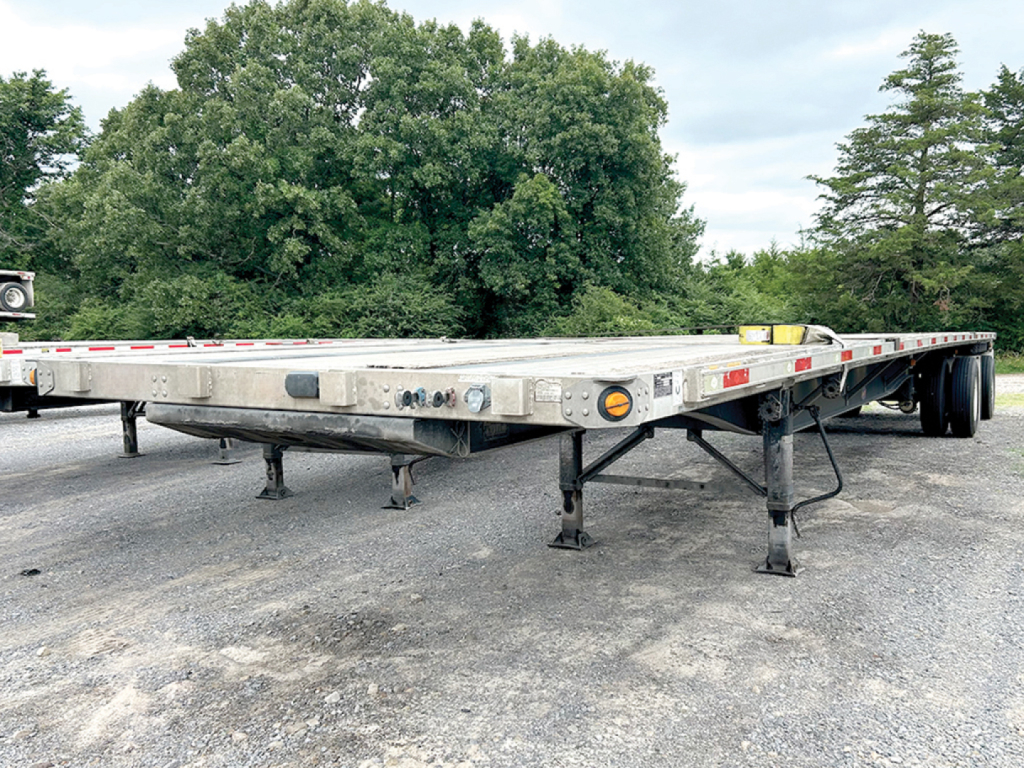
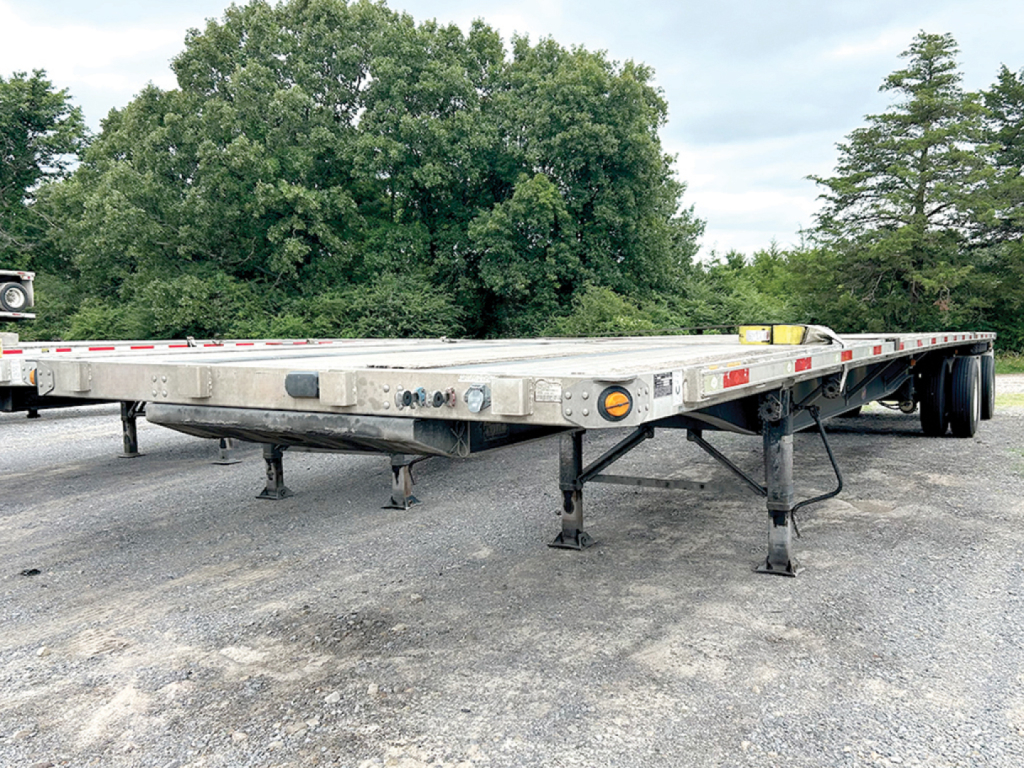
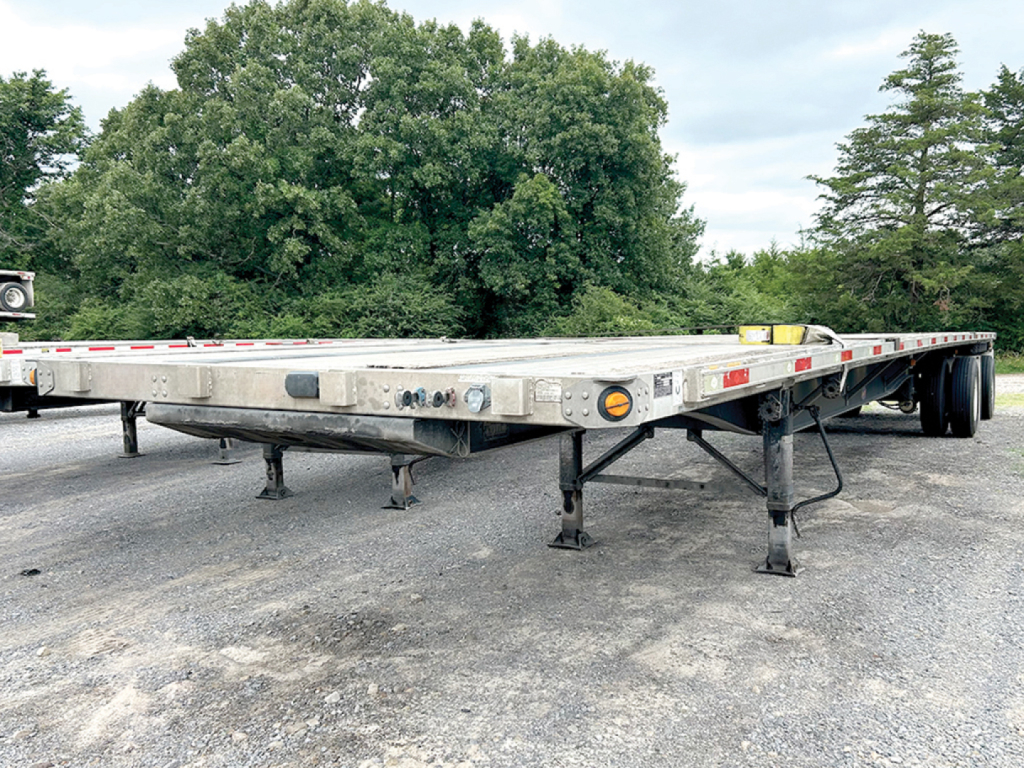
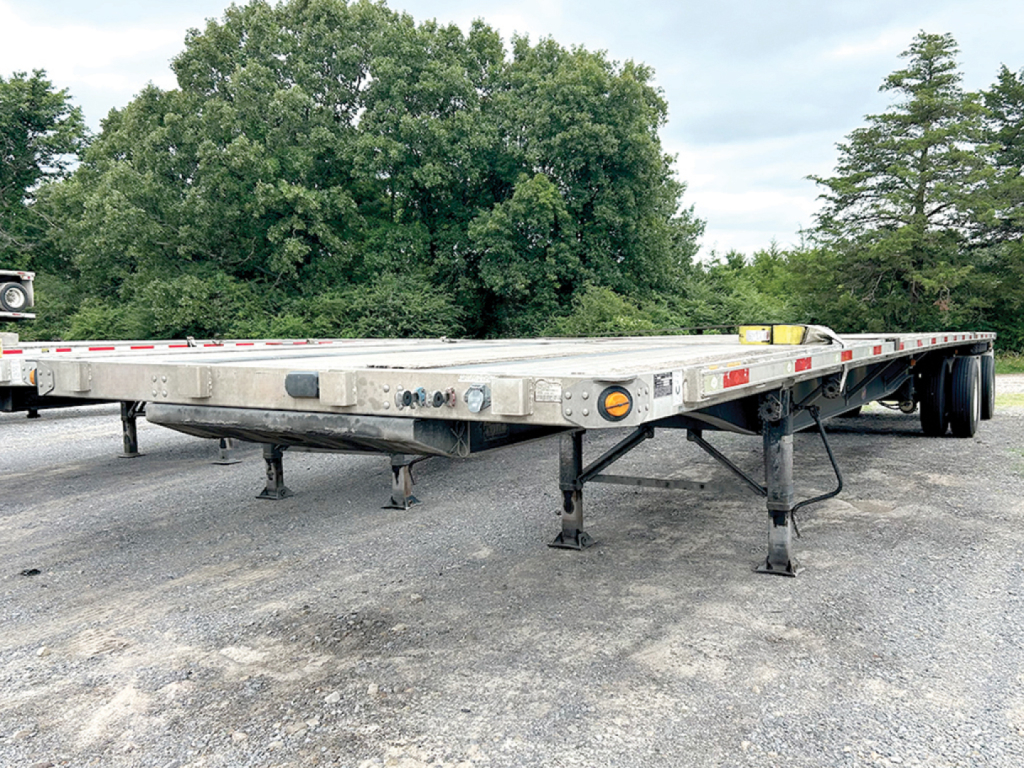
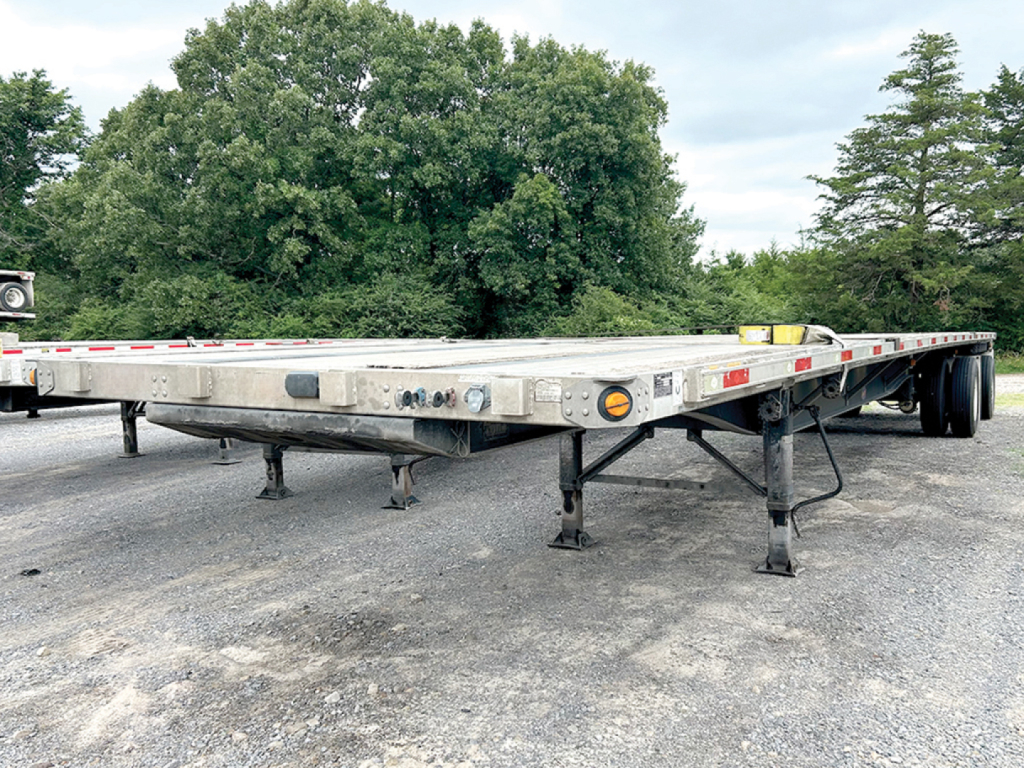
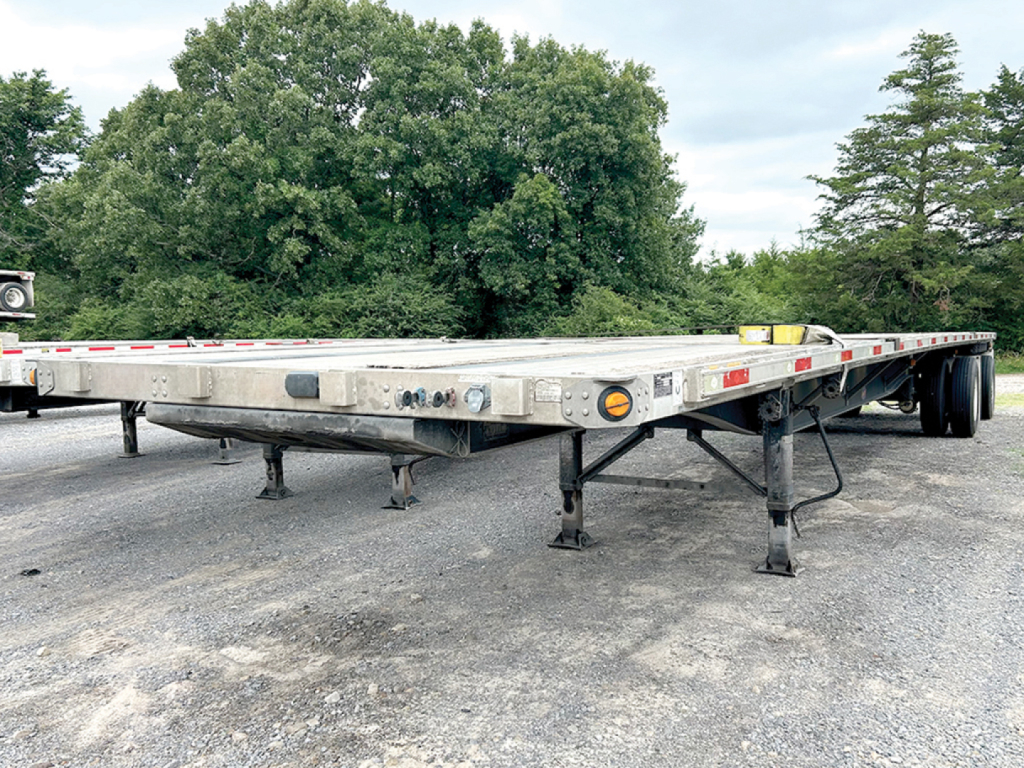
Showing 1 to 12 of 14 results
Have utility flatbed trailer to sell? List it here to reach thousands of buyers.
About Utility Flatbed Trailers in Texas
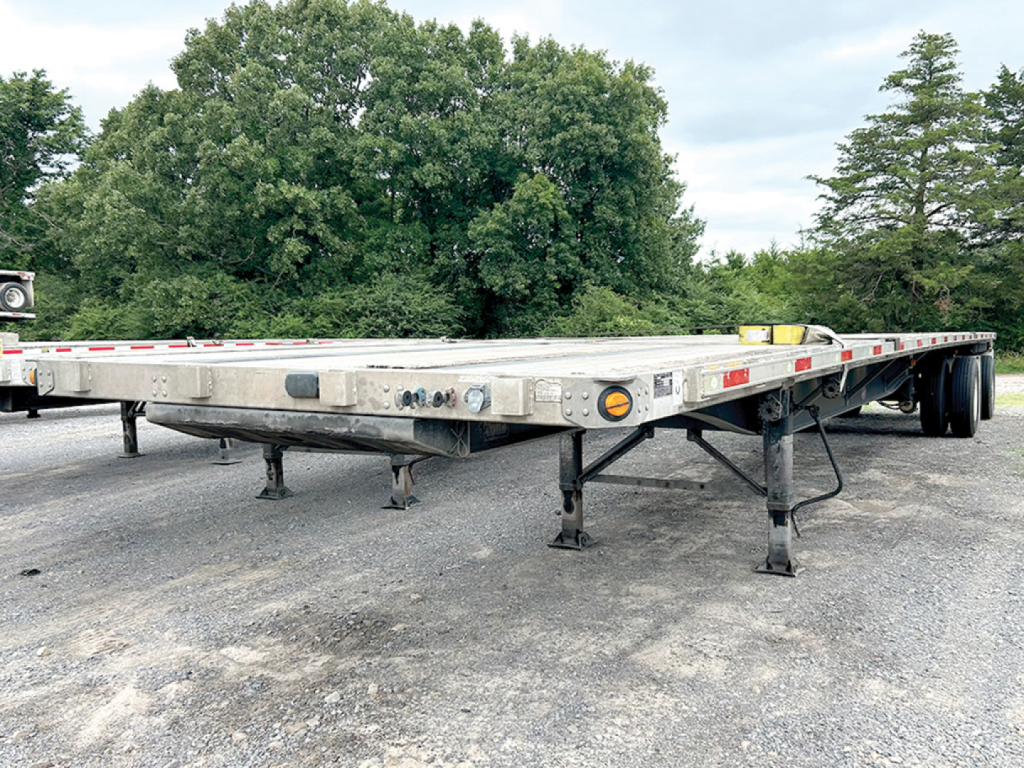
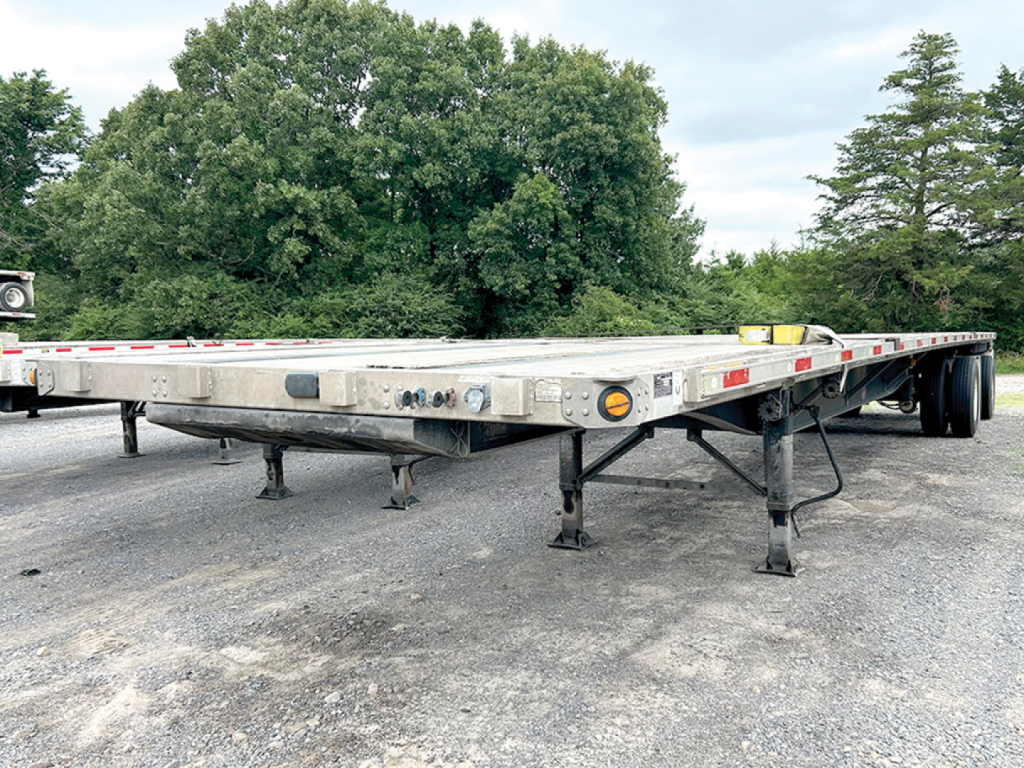
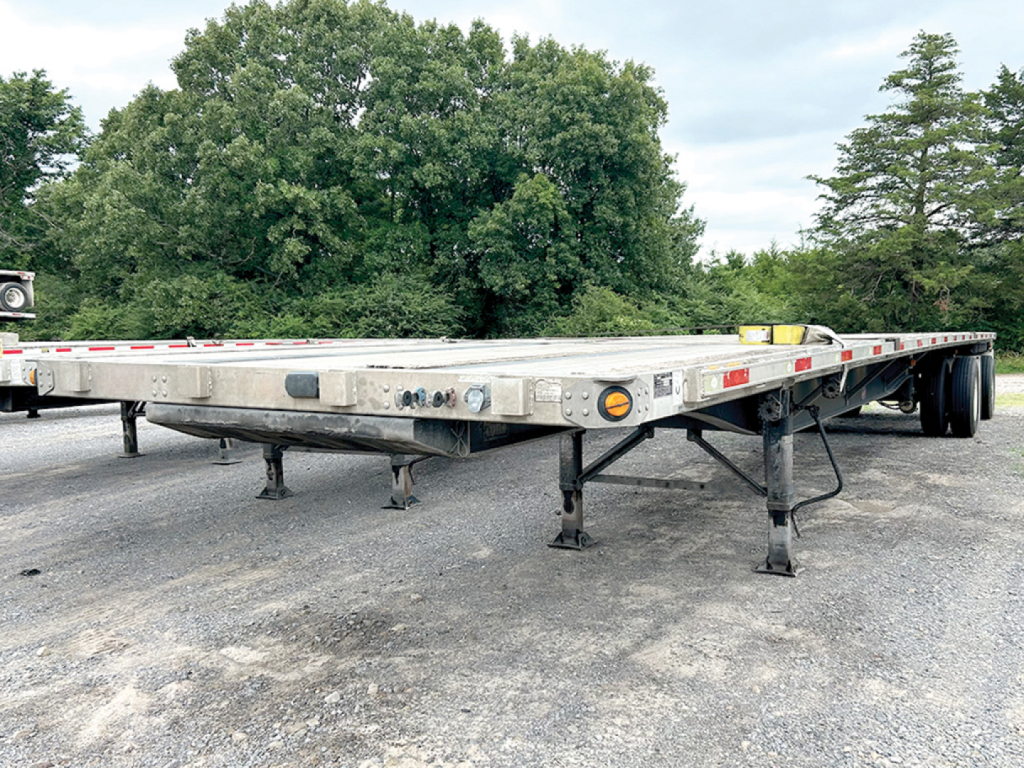
One of the key buying points on a Utility flatbed is the aluminum and steel composite construction. That design typically uses aluminum where weight savings matter and steel where concentrated stress and structural strength are more important. For many fleets, that means better payload potential than a full steel platform while still holding up well under demanding securement practices, repeated forklift loading, and daily deck use. Common features include aluminum flooring, nail strips, sliding winch tracks with winches, and coil package setups. If your freight mix includes steel coils, pipe, palletized material, or bundled construction products, those details matter more than brand name alone because they directly affect securement speed and cargo versatility.
Axle configuration is another major decision. Spread axle Utility flatbeds are common because they improve load distribution and help with deck stability, but they can also affect tire scrub and maneuverability in tight yards. Air ride suspension is desirable for higher-value freight and for operators trying to reduce cargo shock on uneven roads. Tire size, including 22.5 low-profile and 24.5 low-profile setups, can influence deck height, replacement cost, and compatibility with the rest of your fleet. Buyers in Texas should also pay attention to brake type, wheel condition, floor wear, crossmember condition, and signs of concentrated loading damage around the coil area, winch track, and landing gear mounts.
A used Utility flatbed trailer should be evaluated from the deck down, not just by year or appearance. Check the floor for gouging, corrosion, loose fasteners, and evidence of heavy point loading. Inspect the main beams, crossmembers, suspension, axle alignment, and kingpin area for cracking, impact damage, or prior repairs. On flatbeds with sliding winch tracks and nail strips, make sure the hardware is usable and not worn out from years of chain and strap work. A well-spec'd Utility flatbed can serve a broad freight profile and stay productive in regional Texas hauling, oilfield-related support freight, construction supply movement, and general open-deck trucking.
Frequently Asked Questions
What is a Utility flatbed trailer best used for?
A Utility flatbed trailer is used for open-deck freight that cannot be easily loaded into a van or reefer. Common applications include steel, lumber, machinery, pipe, building materials, palletized freight, and equipment that requires crane or forklift access from multiple sides. A 48-foot flatbed is especially common because it handles a broad range of legal loads while remaining practical for regional and long-haul work.
What should I look for on a used Utility aluminum and steel composite flatbed?
Focus on structural condition first. Inspect the frame rails, crossmembers, kingpin area, suspension mounts, landing gear supports, and rear impact area for cracks, bent metal, corrosion, or signs of repair. Then check the deck surface, nail strips, winch track, coil package, wheels, brakes, and tires. Composite construction can be a strong value, but the condition of the wear points matters more than the published material spec.
Is a spread axle Utility flatbed better than a tandem axle flatbed?
A spread axle flatbed can offer better load distribution and improved stability on many open-deck loads, which is why it is a common spec. It can also create more tire scrub in tight turns and may be less convenient in confined delivery areas. Tandem axles are often easier to maneuver, but the right choice depends on your freight, route type, and bridge law considerations.
Why do aluminum floor and sliding winch track features matter on a flatbed trailer?
An aluminum floor helps reduce trailer weight, which can improve legal payload capacity. A sliding winch track gives you more flexibility when positioning winches for different load lengths and securement patterns. Together, those features can make a flatbed more adaptable for mixed freight and more efficient for drivers who handle a wide range of cargo types.
What is a coil package on a flatbed trailer?
A coil package is a trailer setup designed to safely carry steel coils, usually with a dedicated coil well or reinforced securement area that helps position and contain concentrated weight. Even if coils are not your only commodity, a flatbed with a coil package can add versatility for steel hauling. Buyers should inspect that area closely because it often sees some of the highest concentrated stress on the trailer.