
Utility Flatbed Trailers For Sale in Ohio
Compare Utility flatbed trailers for sale in Ohio by coil capacity, axle layout and corrosion condition, with guidance for new and used equipment.
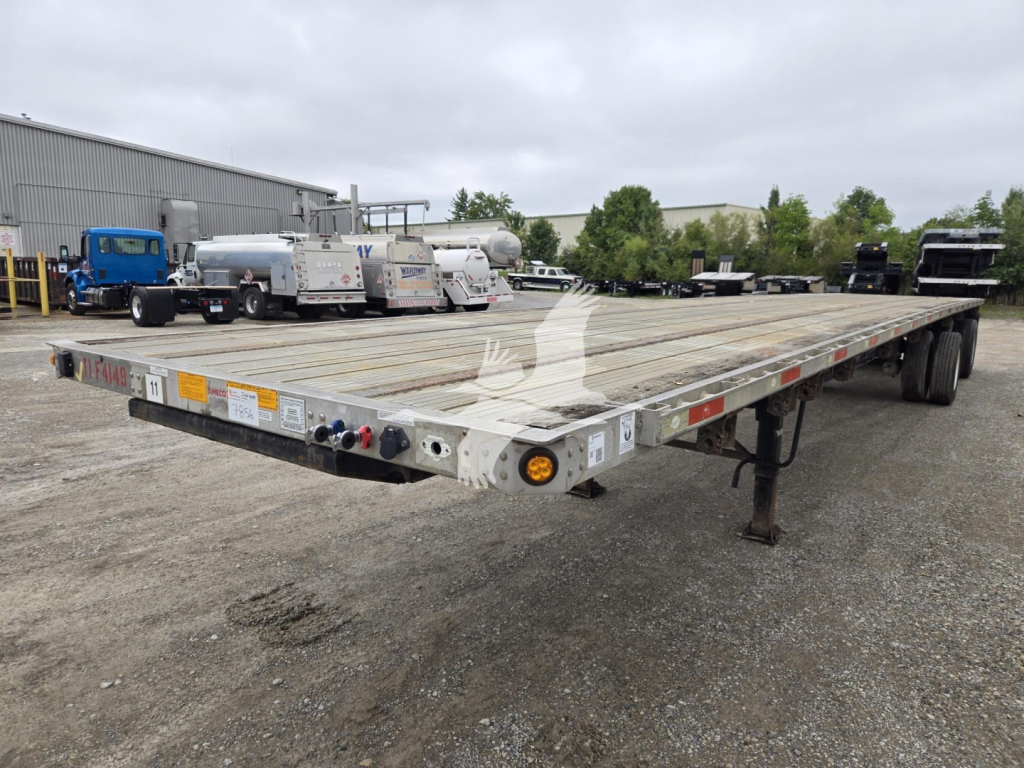
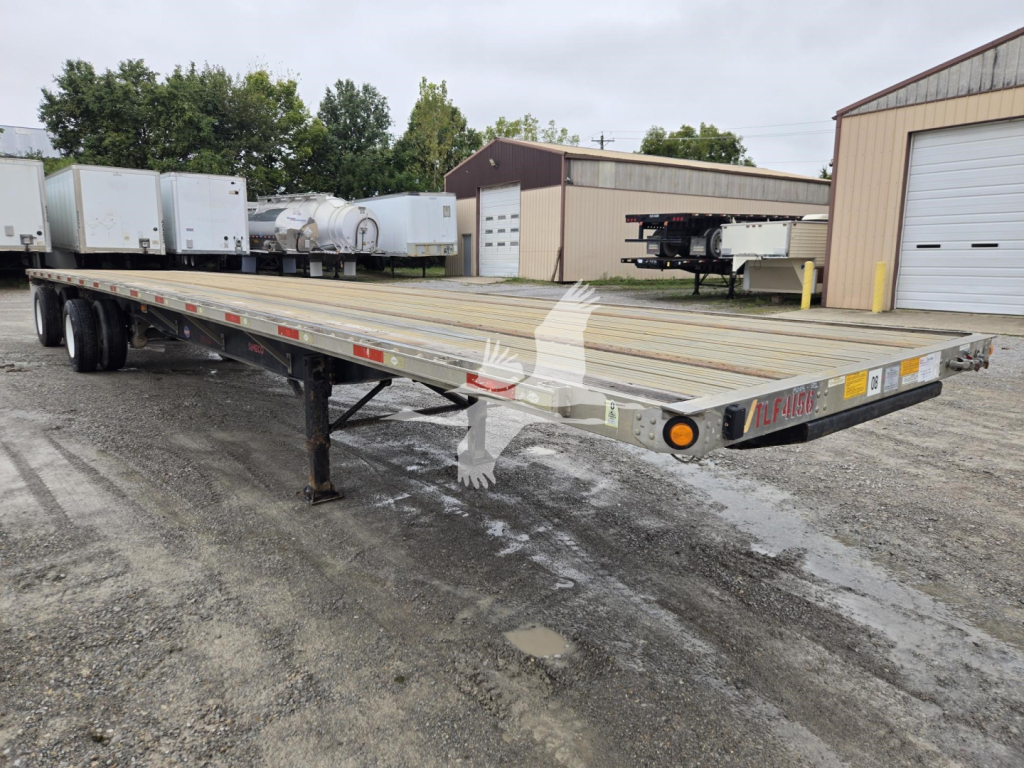
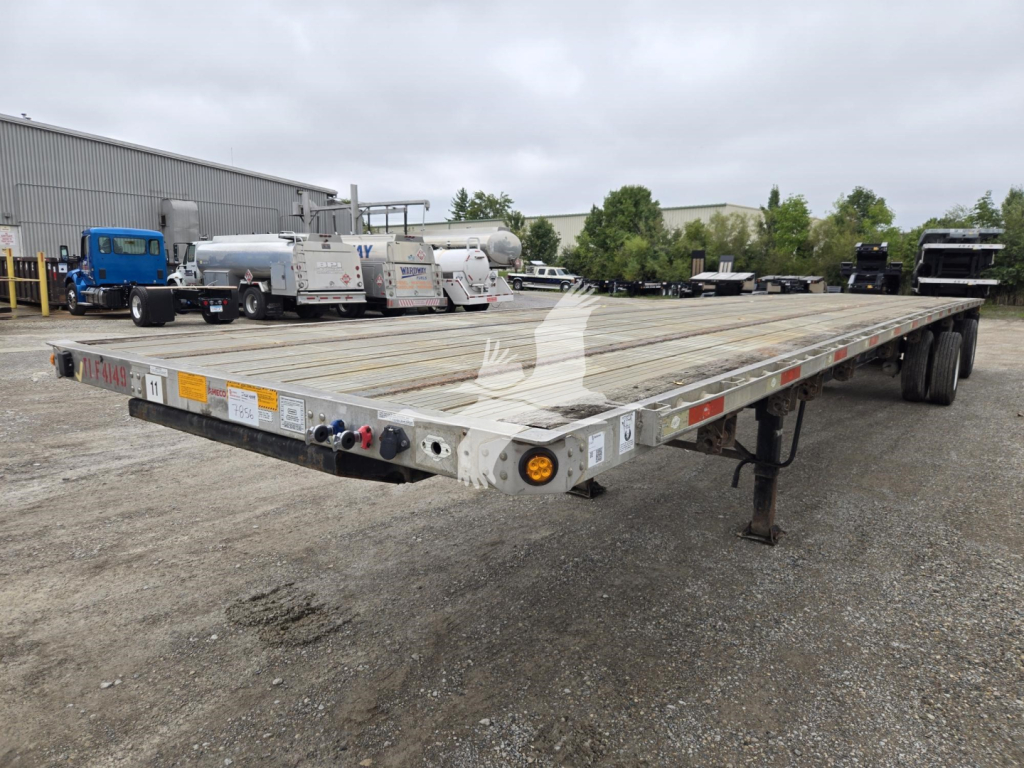
Selling a utility flatbed trailer? List your utility flatbed trailer for sale and reach thousands of commercial buyers.
Utility Flatbed Trailers in Ohio
Deck length, concentrated-load capacity and axle layout should match the freight before tare weight becomes the deciding factor. Compare 48- and 53-foot configurations, deck width, kingpin setback and usable loading space against the tractor and intended routes. A coil package needs a documented concentrated-load rating over the load's actual footprint; overall GVWR alone does not establish coil capacity. Spread axles can improve load placement flexibility, but Ohio axle limits and federal bridge requirements still govern legal weights on the applicable roads.
Ohio road salt makes the undersides of steel main beams, suspension hangers, landing-gear mounts and rear structures priority inspection areas on used equipment. Look for scale hiding section loss, cracks around reinforcement, loose crossmember attachments and corrosion where dissimilar metals meet. Inspect the kingpin and upper coupler, then check air bags, bushings, brakes, ABS operation and tire wear for signs of axle misalignment. Ask for annual inspection reports, brake measurements and repair records, especially documentation of beam welding or straightening. An older platform with fresh paint still needs a close structural inspection.
New-trailer specifications should include securement hardware, winch-track placement, rub rails, dunnage storage and any required coil reinforcement. Confirm warranty terms separately for the trailer structure and purchased components, and account for the 12% federal excise tax on qualifying new heavy trailers. For service around Cleveland's mills, Toledo's manufacturing plants or statewide construction deliveries, specify tie-down access and deck protection for the actual loading method.
Frequently Asked Questions about Utility Flatbed Trailers in Ohio
Is a spread axle better than a closed tandem on a Utility flatbed?
A spread axle offers more axle-weight flexibility, while a closed tandem usually produces less tire scrub in tight turns. A common 10-foot-2-inch spread can carry up to 40,000 pounds across its two axles on Interstate routes, subject to individual axle limits, tire ratings and combination bridge compliance. For a Utility flatbed making frequent tight jobsite deliveries, maneuvering conditions and tire wear deserve as much attention as potential payload.
Does a Utility flatbed's coil package include everything needed to secure steel coils?
A coil package reinforces the Utility flatbed's structure; it does not replace coil securement equipment. Federal coil securement rules apply to metal coils weighing 5,000 pounds or more individually or grouped together. Coil-eye orientation determines the required blocking and tiedown arrangement. Confirm that coil racks, chains, binders and attachment points have suitable ratings, and use a securement plan that addresses rolling, sliding and tipping.
Do I need an Ohio permit for a wide load on a Utility flatbed?
A load wider than 8 feet 6 inches generally requires an Ohio oversize permit, even on a 102-inch-wide Utility flatbed. ODOT handles permits for state-maintained routes; county and municipal roads may require separate authorization. Check total loaded width, height, length, route restrictions and travel conditions before dispatch, because a trailer's legal width does not authorize an overwidth load.
Can I pull an older Utility flatbed with a newer tractor?
A serviceable older Utility flatbed can work with a newer tractor when fifth-wheel height, kingpin position, swing clearance and air/electrical connections are compatible. Check tractor-to-trailer clearance through turns, not just while parked straight. Verify ABS power and fault reporting through the seven-way connection where ABS is fitted, and confirm landing-gear and tractor-frame clearance before putting the combination into service.