
Used Flatbed Trailers For Sale in Nebraska
Browse used flatbed trailers for sale in Nebraska. Compare 48-ft and 53-ft specs, axle setups, decking, securement options, and weight-saving designs.
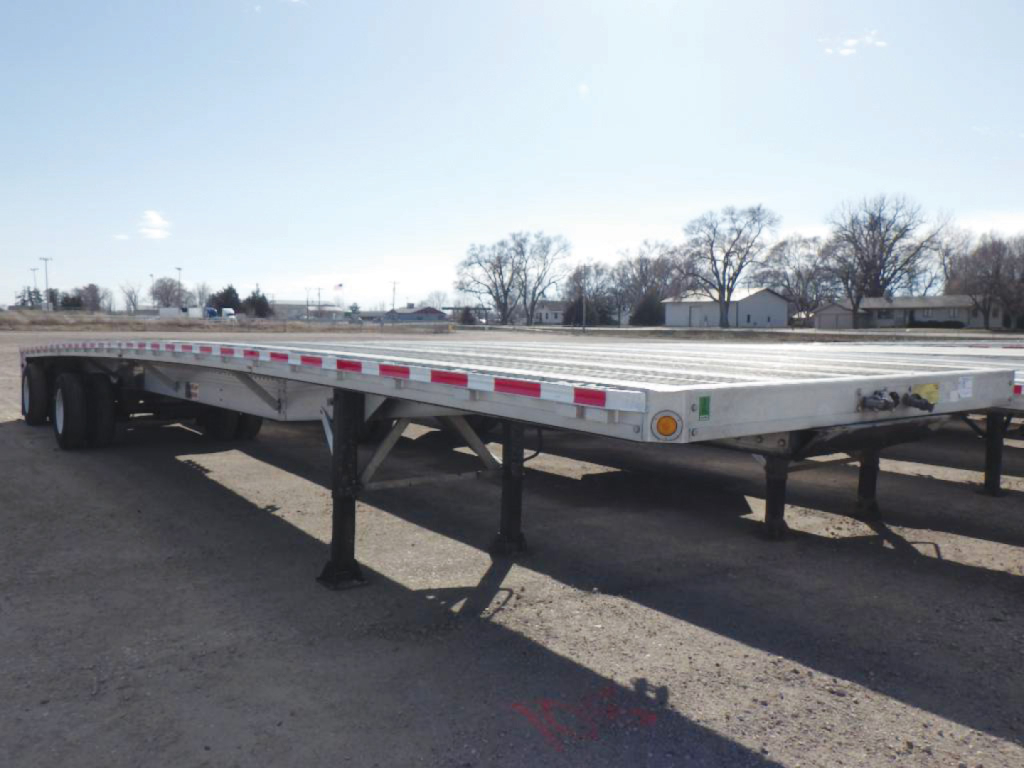
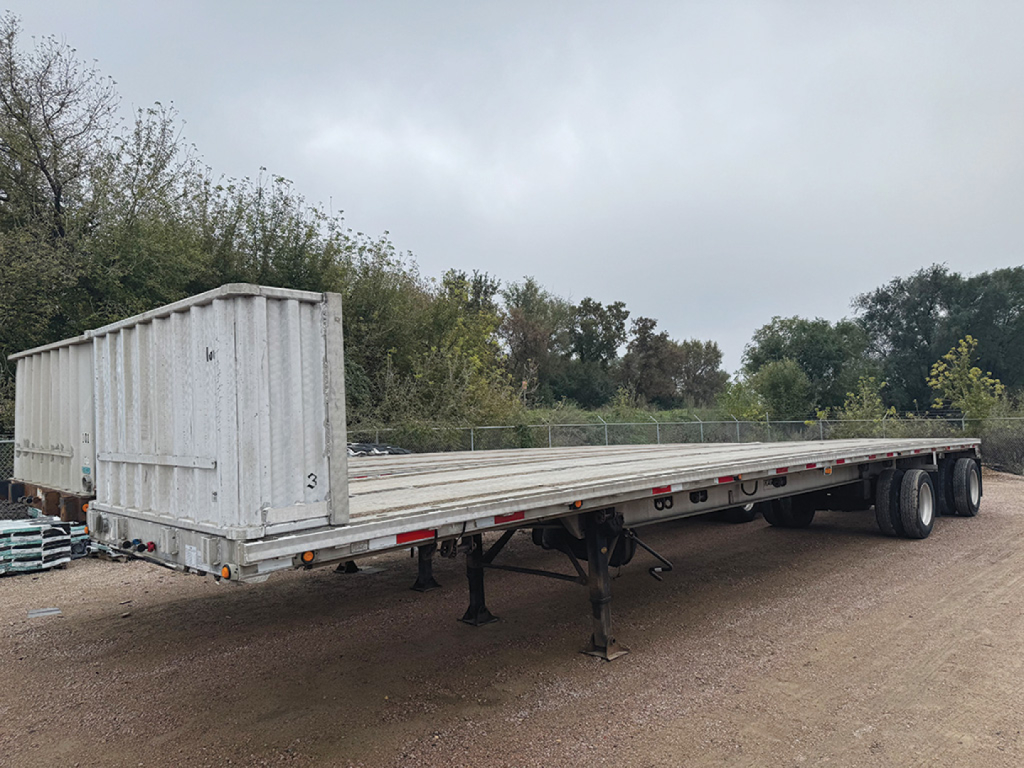
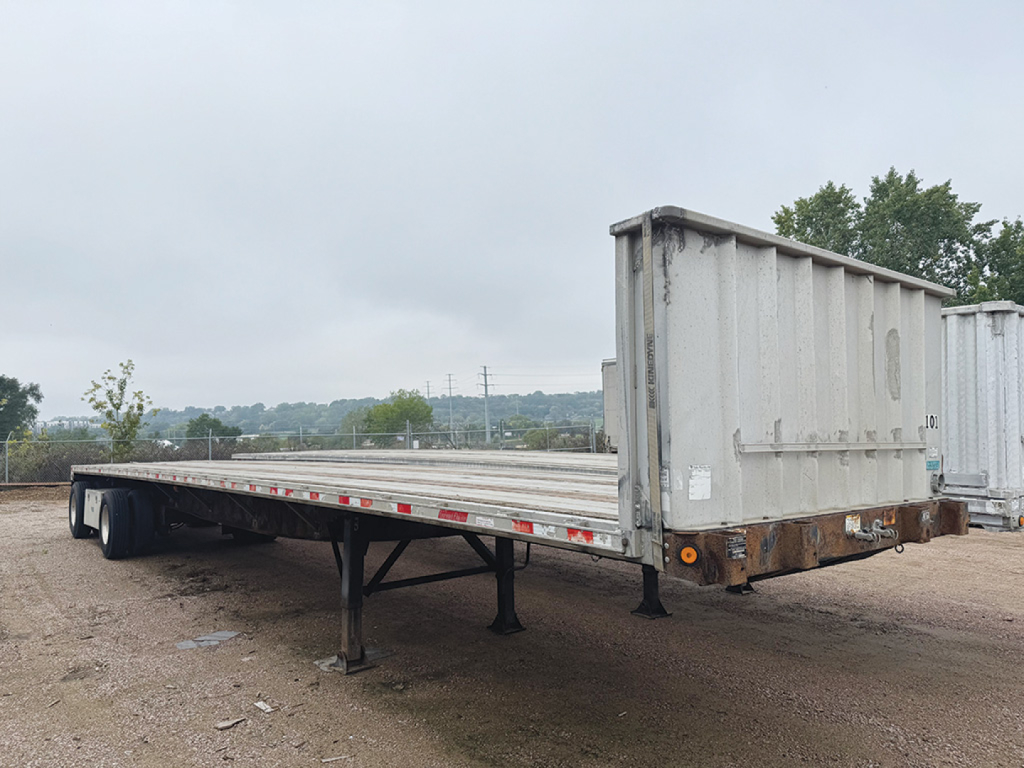
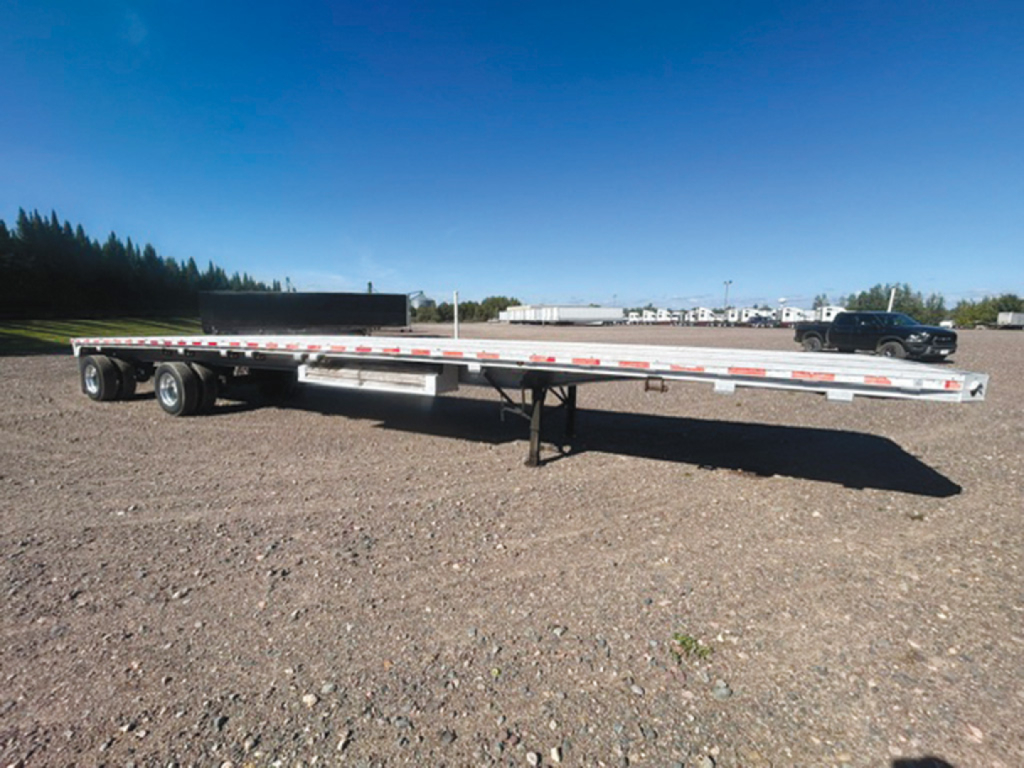

Selling a used flatbed trailer? List your used flatbed trailer for sale and reach thousands of commercial buyers.
Used Flatbed Trailers in Nebraska
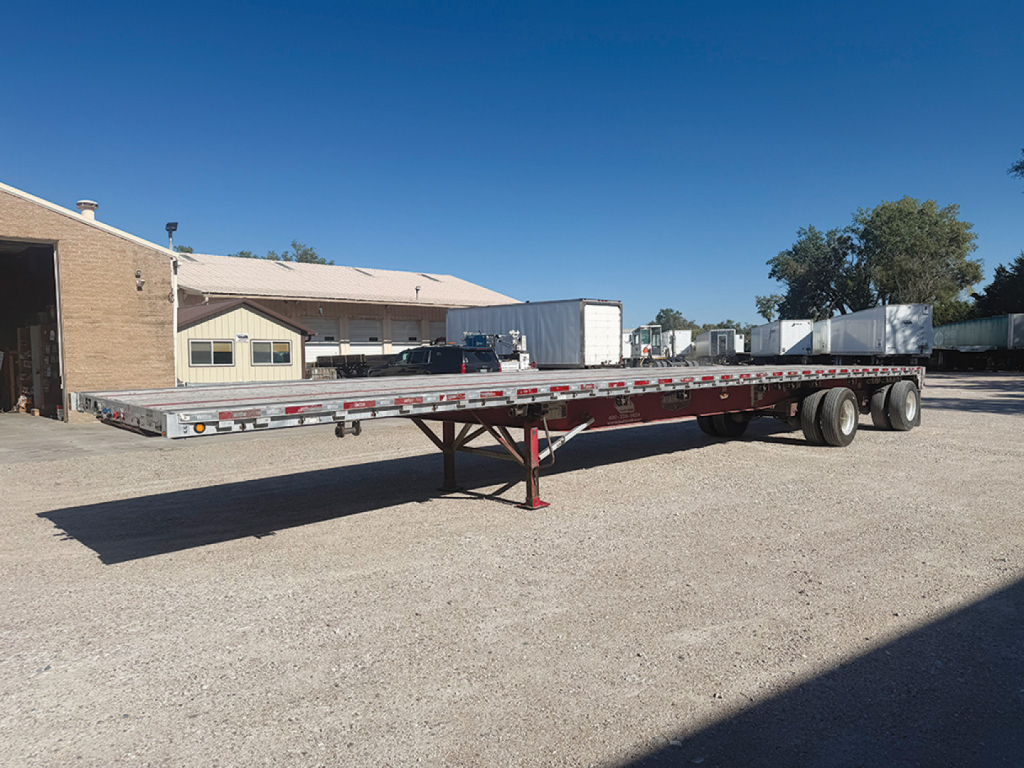
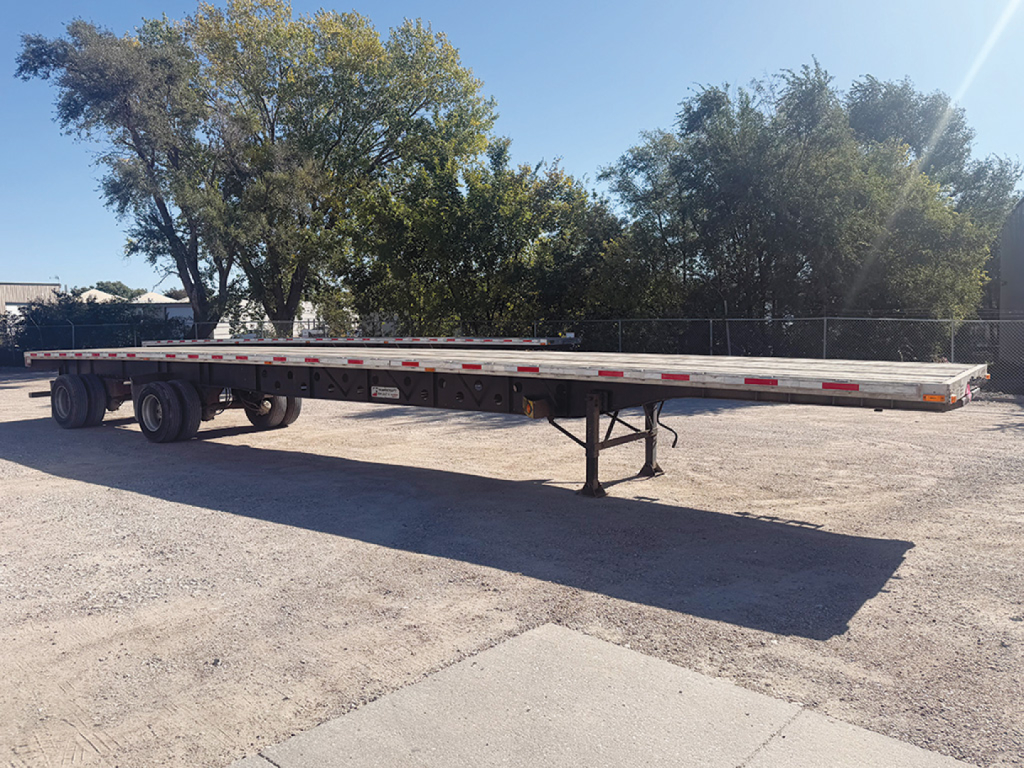
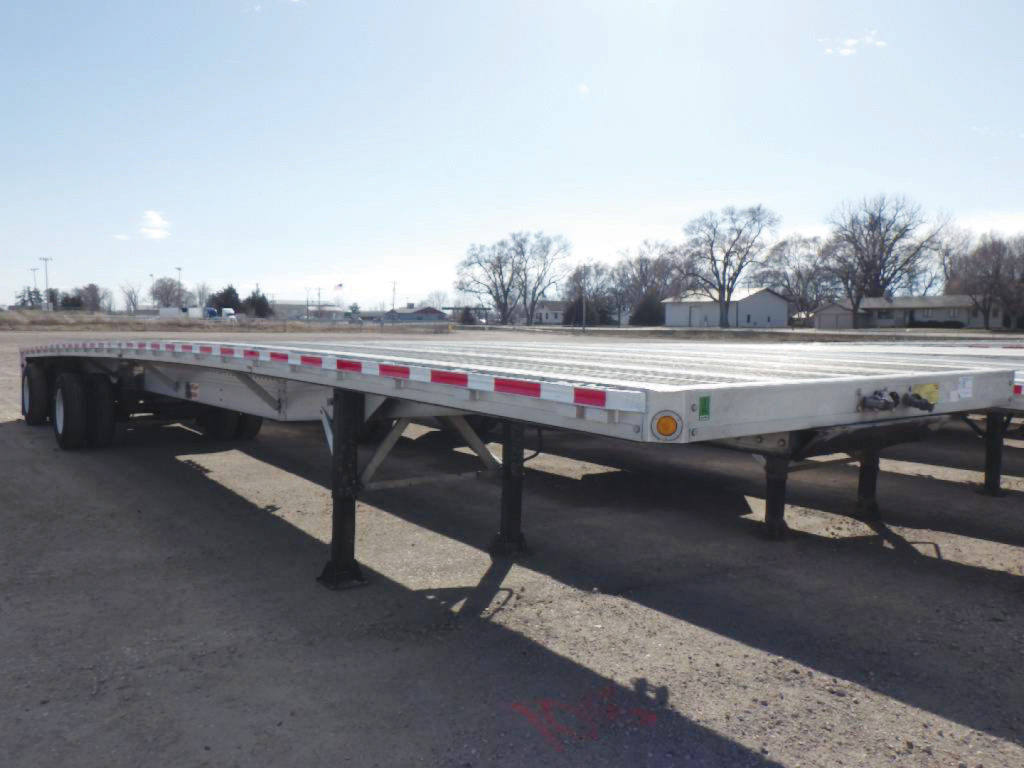
A buyer should look closely at the deck and cargo securement package. Common features include aluminum floors, nail strips, sliding winch tracks with winches, tie-down points, double spools, and coil packages for hauling steel coils safely. The right setup depends on what the trailer has been doing. A general commodity trailer may be adequate for palletized freight and lumber, but steel service usually calls for a better coil package, more winch capacity, and a deck that shows less concentrated wear. Scuffing, cracked crossmembers, damaged rub rails, and repairs around stake pockets all deserve a close inspection on a used flatbed.
Suspension and axle layout are major value drivers in Nebraska, where routes can range from local ag and construction work to longer Midwest freight lanes. Air ride suspension is common because it protects freight better and tends to ride smoother than spring ride. Spread axles can improve weight distribution and legal loading flexibility, while sliding rear axles help with bridge law compliance and load positioning. Tire size, wheel type, brake condition, and the presence of practical features like dump valves and lighting all affect operating cost and day-to-day usability. Buyers running across state lines should also confirm axle spacing and kingpin settings fit their normal legal and loading requirements.
Used flatbed trailers remain one of the most versatile trailer categories because they can handle freight that simply will not fit in a van. They are also known as open deck trailers, and they are widely used for steel, lumber, pipe, equipment, agricultural products, and jobsite materials. The best used flatbed is not just the lightest or newest one. It is the trailer with the right frame integrity, deck condition, securement package, and axle configuration for the freight you actually haul. In Nebraska, that usually means balancing corrosion resistance, winter durability, and flexible load securement for a wide range of regional and over-the-road applications.
Frequently Asked Questions about Used Flatbed Trailers in Nebraska
What should I inspect first on a used flatbed trailer?
Start with the frame, crossmembers, deck surface, and cargo securement components. Check for cracked welds, bent rails, patchwork repairs, worn nail strips, damaged rub rails, and elongated stake pockets. Then inspect the suspension, axle alignment, brakes, tires, and wheel ends. On a used flatbed, structural condition and securement integrity matter more than cosmetic appearance because those areas directly affect safety, legal compliance, and usable service life.
Is an aluminum flatbed better than a steel or composite flatbed?
An aluminum flatbed is usually preferred when payload matters because it weighs less and resists corrosion well. A steel or aluminum-steel composite flatbed can offer greater durability in severe service, especially where forklifts, concentrated loads, or rough loading practices are common. The better choice depends on freight type, route conditions, and how hard the trailer will be used. Buyers should compare tare weight, repair history, frame design, and deck wear rather than choosing by material alone.
Why do some flatbed trailers have spread axles or sliding rear axles?
Spread axles help distribute weight and can improve legal loading flexibility, especially on heavier or longer freight. A sliding rear axle allows the driver to adjust axle position for bridge law compliance and load balance. These features are important for operators who haul different commodities or run in multiple states. The ideal setup depends on average load length, weight distribution, and the regulations on the routes the trailer will cover most often.
What is a coil package on a flatbed trailer?
A coil package is a group of trailer features designed to safely haul steel coils. It often includes reinforced coil wells or securement provisions, extra tie-down capability, and deck arrangements suited for concentrated weight. Not every flatbed is equally suited for coil work, even if it has winches and straps. If steel hauling is part of the operation, buyers should verify the trailer has the proper package, structural support, and securement points for that specific application.
What trailer length is most common for used flatbeds in Nebraska?
The 53-foot by 102-inch flatbed is the most common configuration because it offers strong versatility for general freight, steel, building products, and machinery. Some operations still use 48-foot trailers, but 53-foot models dominate the used market and typically offer the best availability of replacement parts and resale demand. Length alone should not drive the decision, though. Deck condition, axle setup, and securement equipment usually have a bigger impact on how useful the trailer will be in daily service.