
Used 2013 Flatbed Trailers For Sale
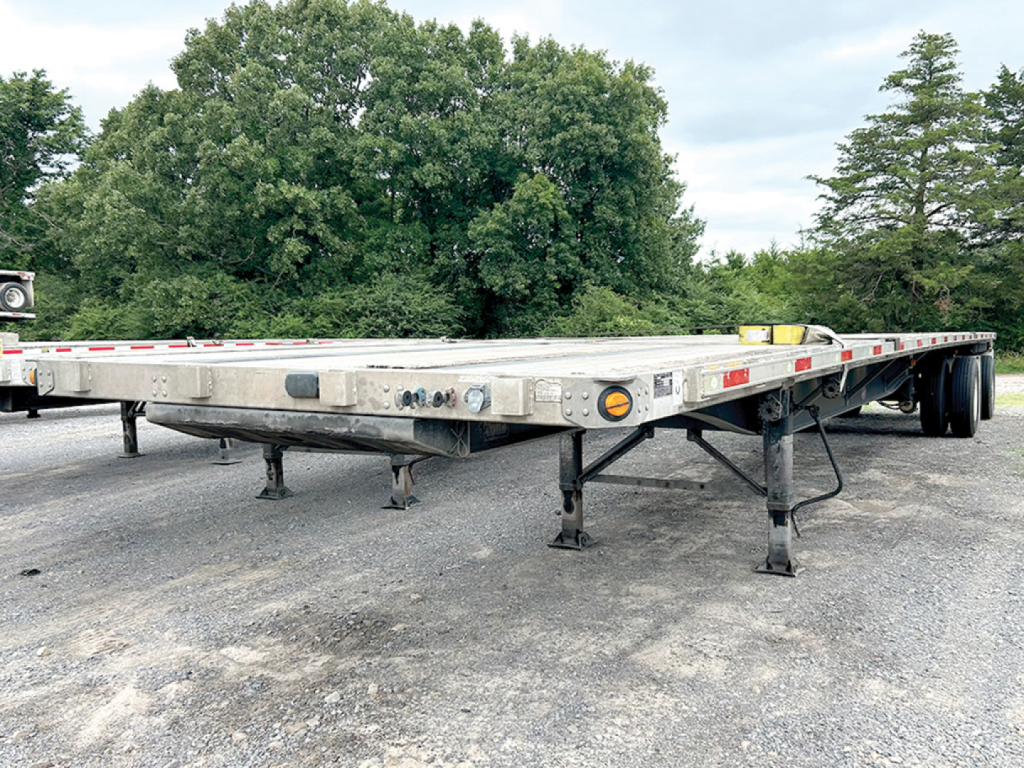
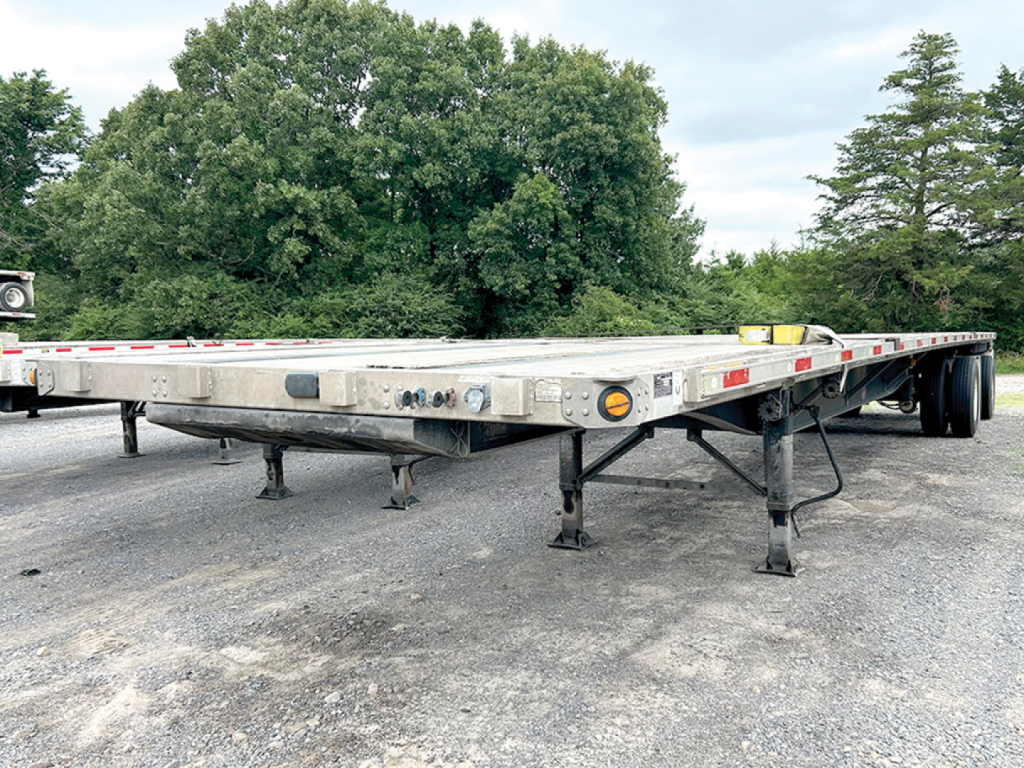
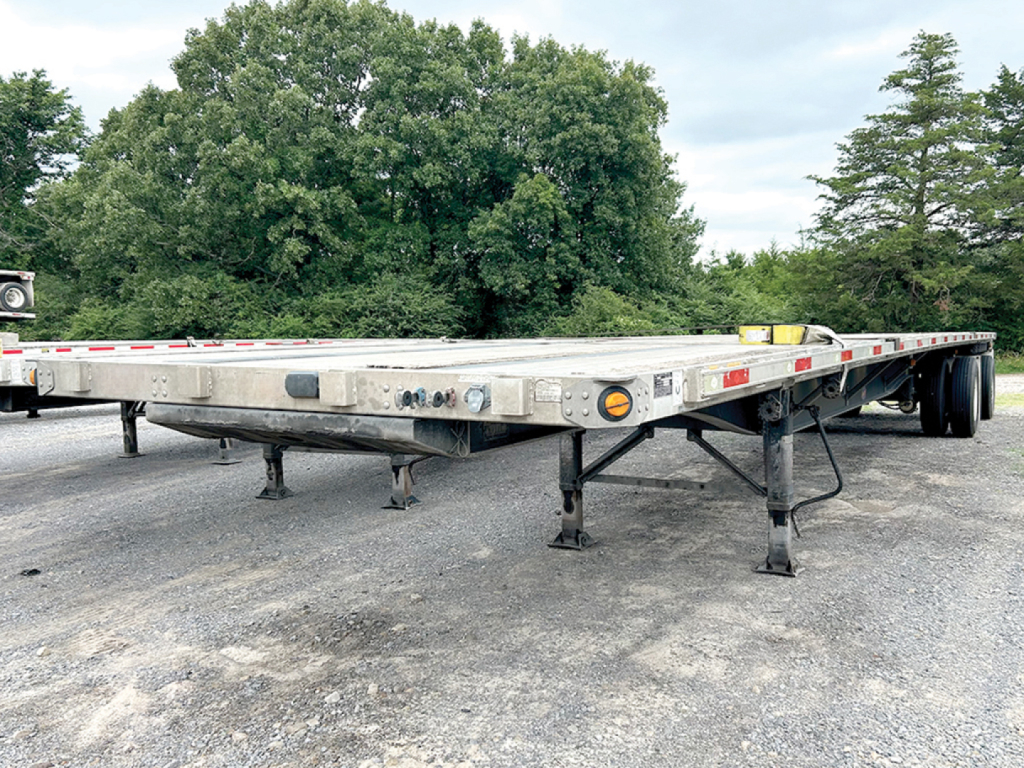
Browse used 2013 flatbed trailers with specs buyers compare most, including length, axle setup, deck construction, and securement features.
Learn more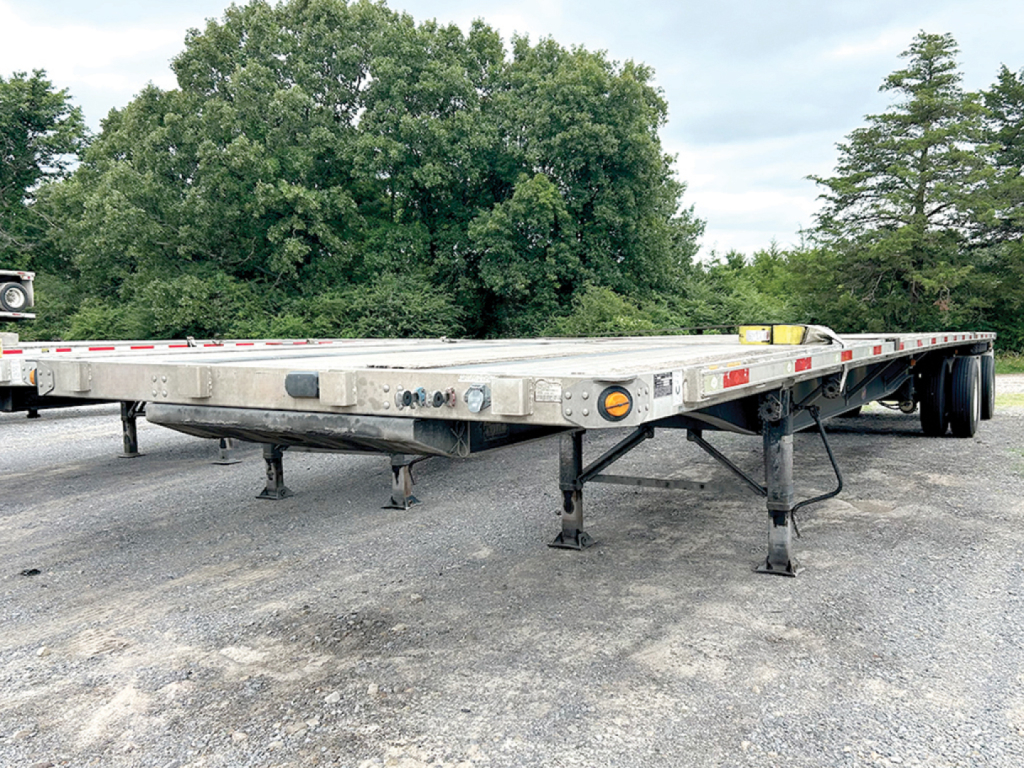
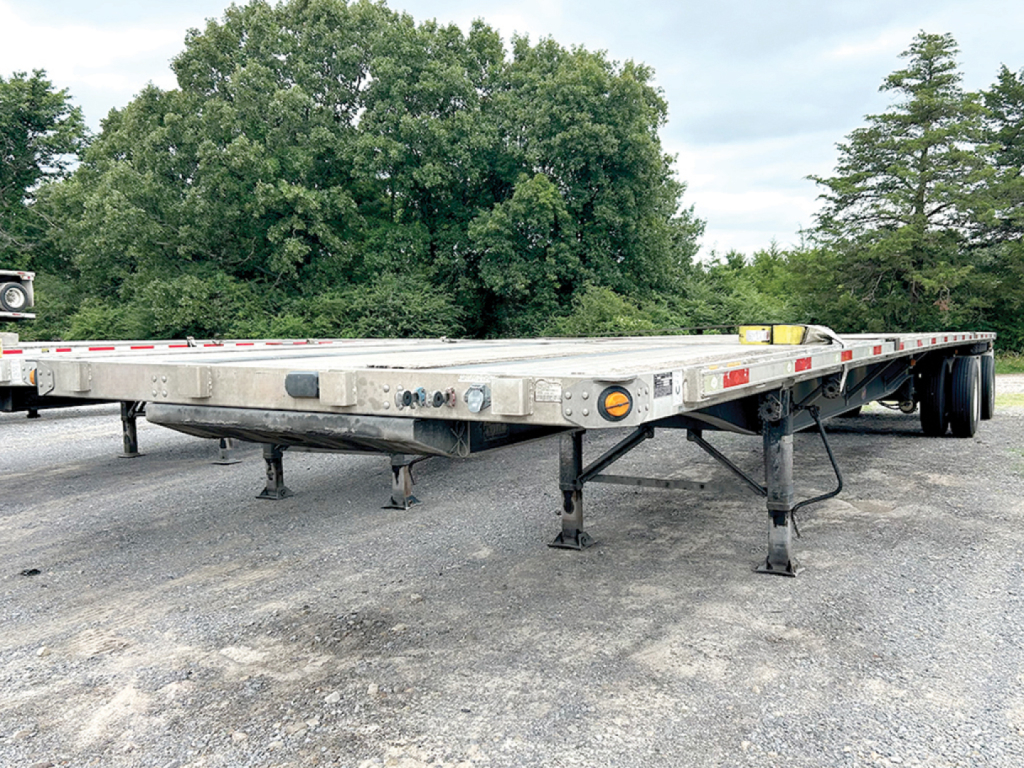
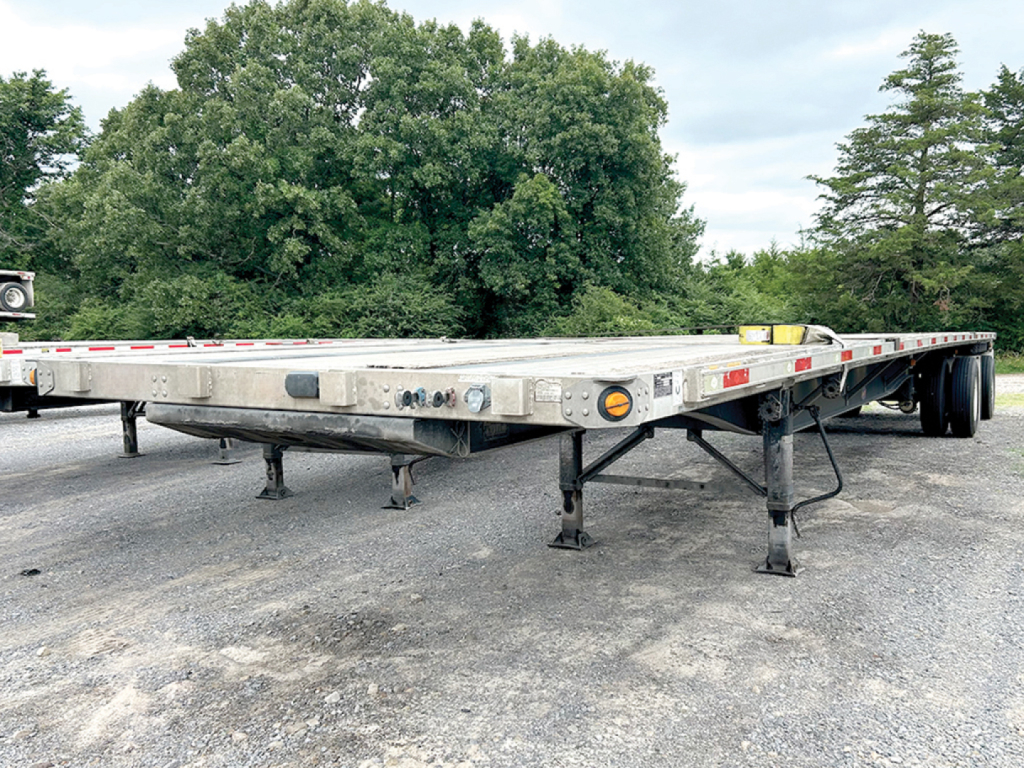
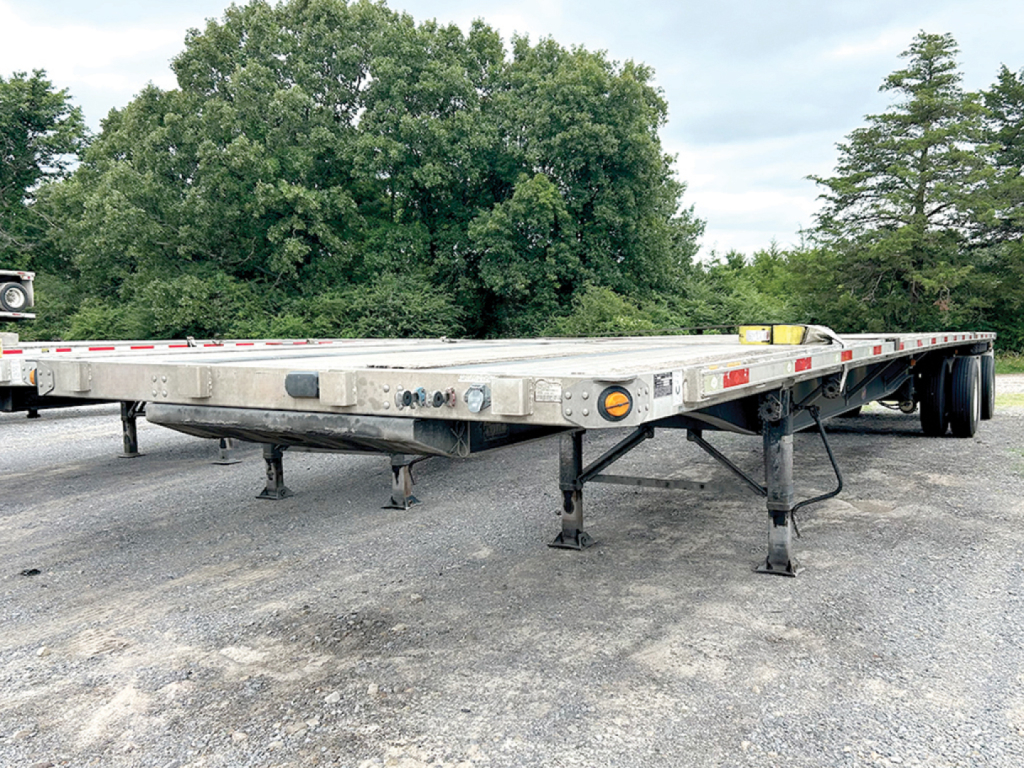
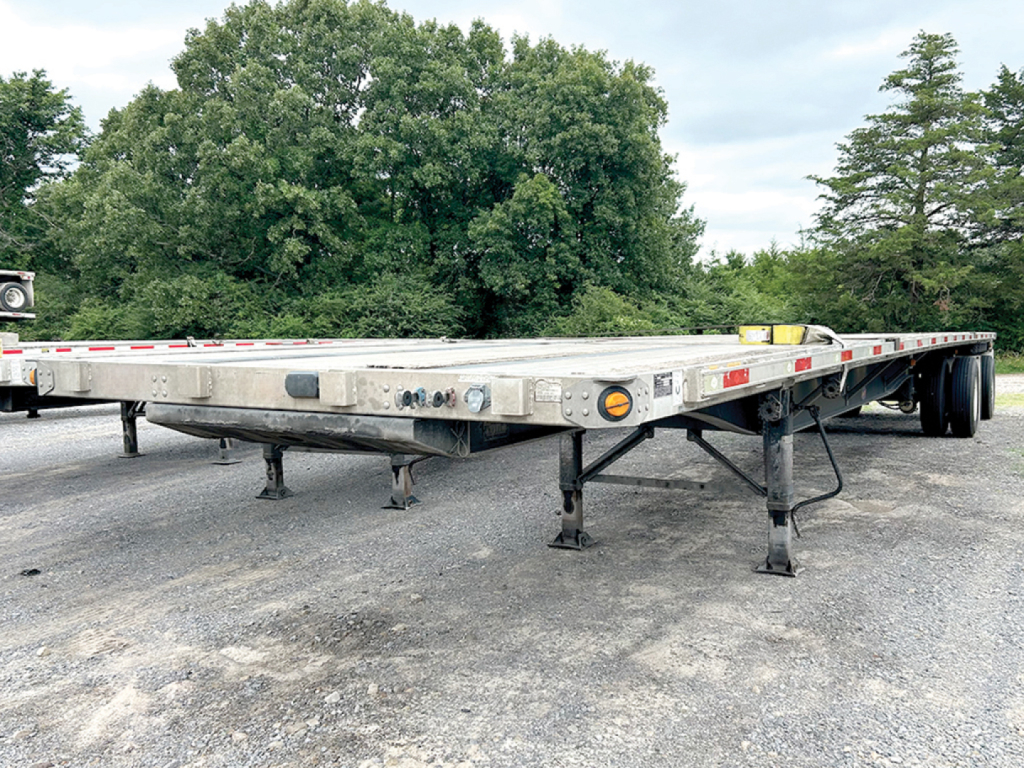
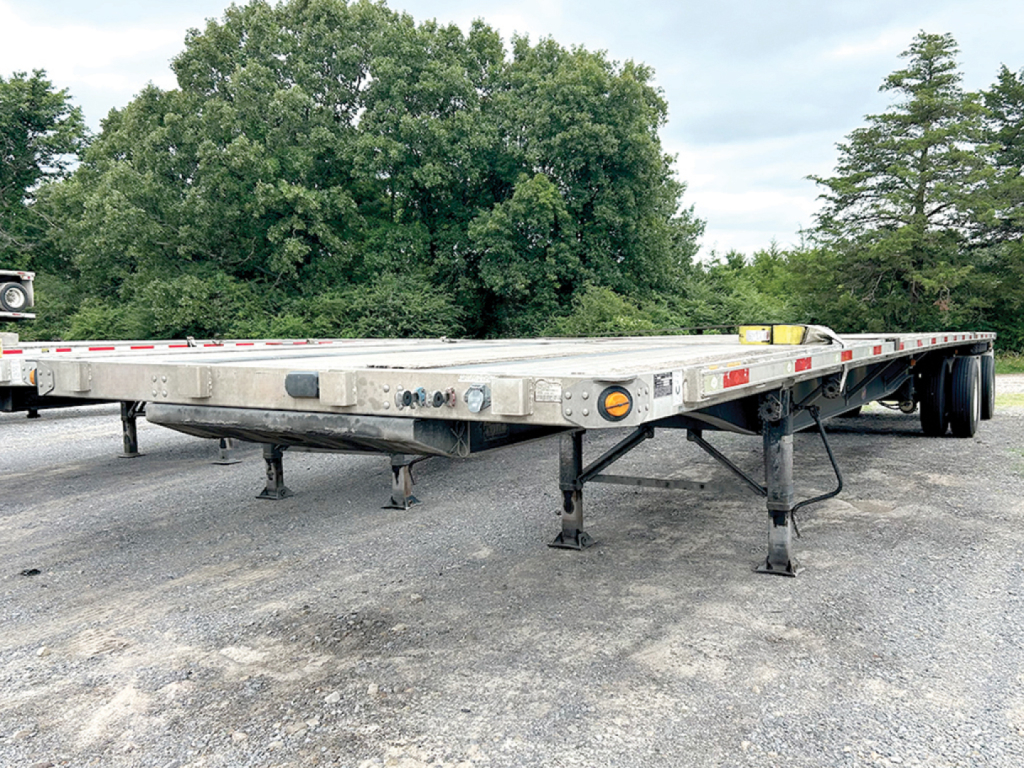
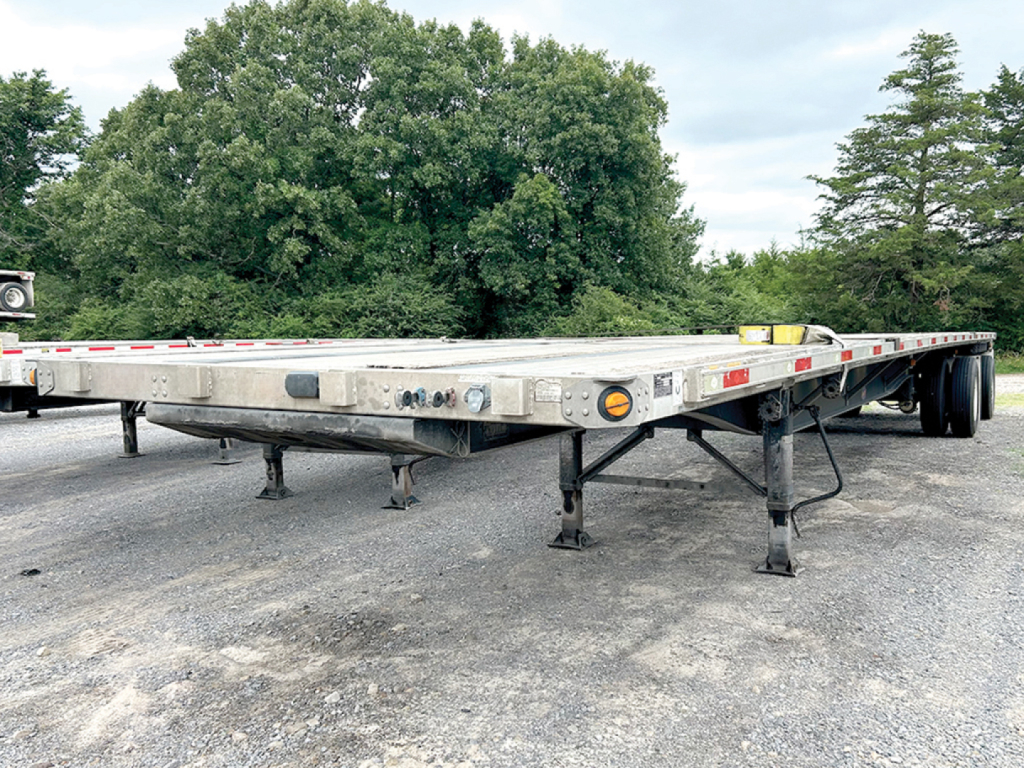
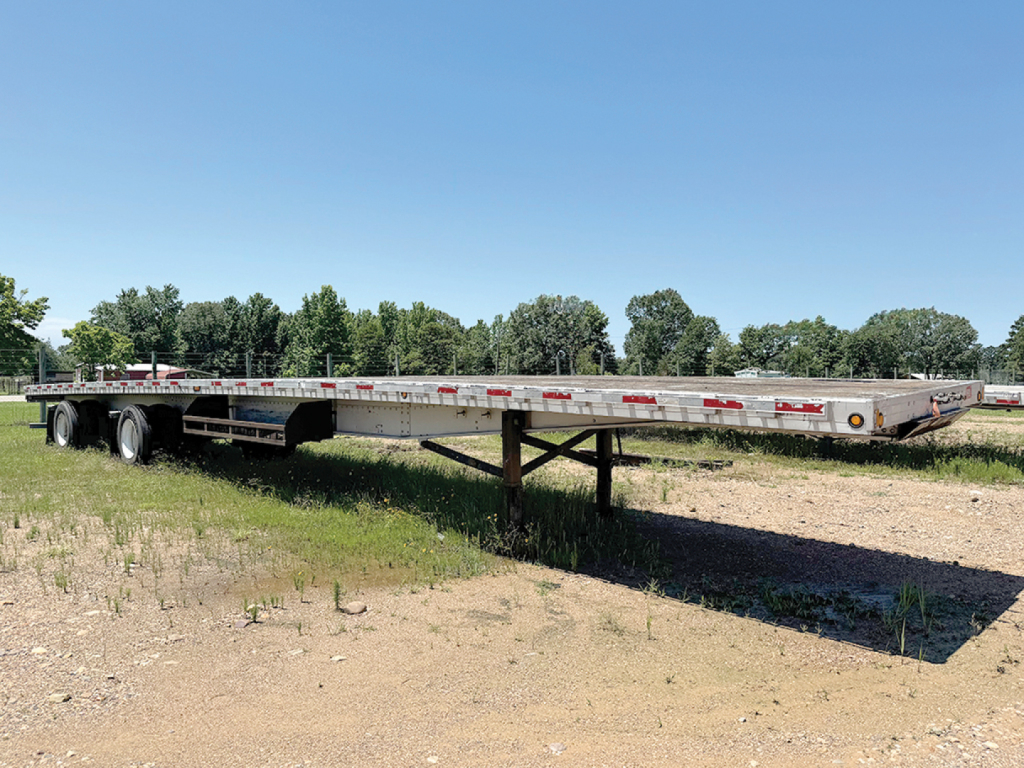
Showing 1 to 12 of 18 results
Have used 2013 flatbed trailer to sell? List it here to reach thousands of buyers.
About Used 2013 Flatbed Trailers
The biggest buying decisions usually come down to axle configuration, deck design, and securement equipment. Tandem axle flats are common and simple to maintain, while spread axle and fixed spread axle trailers can improve weight distribution and legal loading flexibility depending on your lanes and state bridge rules. Air ride suspension is widely preferred for ride quality and freight protection, and many used flatbeds from this era were spec'd with Hendrickson or similar suspensions. Deck details deserve a close look. Aluminum floors save weight, nail strips help with lumber and mixed cargo, and crossmember spacing affects how the trailer handles heavy point loads. Buyers moving coil, steel, or dense machinery should pay attention to coil package specs, additional crossmembers, and rated load concentrations in 4-foot and 10-foot sections.
Securement setup often separates a basic platform trailer from one that is ready for revenue. Many 2013 flatbed trailers were equipped with sliding winches, winch tracks on one or both sides, chain tie-downs, pipe spools, toolboxes, and dunnage racks. Bulkheads are useful for certain freight mixes, but many operators prefer an open front for flexibility. Tire size, wheel material, brake type, and tire inflation systems also affect operating cost. Low-profile 22.5 tires are common, aluminum wheels reduce weight, and disc brakes can be a plus for stopping performance and serviceability. On a used trailer in this age group, it is smart to inspect the kingpin area, landing gear, suspension hangers, side rails, floor condition, and any signs of frame repair or crossmember damage.
A 2013 flatbed trailer can fit a wide range of operations, from regional steel and building supply work to over-the-road spot freight. Buyers comparing listings should focus less on brand alone and more on empty weight, maintenance history, securement package, and how the trailer was previously used. A lightweight aluminum or combo trailer may be the better fit for maximizing payload, while a heavier steel-oriented spec may make more sense for harsher duty cycles. If the freight mix includes coils, pipe, machinery, or palletized building products, the right deck spec and tie-down layout will matter more than cosmetics.
Frequently Asked Questions
What length is most common for a used 2013 flatbed trailer?
The most common lengths are 48 feet and 53 feet, both typically built to 102 inches wide. A 48-foot flatbed remains very common in steel, machinery, and general commodity hauling, while a 53-foot trailer offers more deck space for lighter or longer freight. The right choice depends on your freight profile, state bridge considerations, and how often you need extra deck length versus lower empty weight.
Is a combo flatbed better than an all-aluminum or steel flatbed?
A combo flatbed is often the best middle-ground spec for many fleets because it combines steel main beams with aluminum components to reduce tare weight without giving up structural strength where it matters most. All-aluminum trailers are attractive when payload is the priority, while steel trailers can make sense in severe-duty applications where impact resistance and repair familiarity are more important. The better trailer is the one that matches your cargo, route conditions, and maintenance approach.
What should I inspect first on a used 2013 flatbed trailer?
Start with the frame, main beams, crossmembers, floor, and side rails because structural condition drives both safety and long-term value. Then inspect the kingpin plate, landing gear, suspension, axle alignment, brakes, wheels, and tire condition. On flatbeds, securement hardware matters too, so check winch tracks, sliding winches, chain slots, rub rails, and coil package areas for wear, bends, cracks, or poor repairs.
Are spread axle flatbed trailers worth it on used equipment?
Spread axle flatbeds can be worth it if your operation benefits from improved weight distribution and loading flexibility, especially with longer or heavier freight. They can help with bridge law compliance in many applications, but they may also add tire scrub in tight turns and can limit maneuverability in crowded yards or urban deliveries. Buyers should match the axle layout to the lanes they run and the freight they haul, not just to a preferred brand or model.
What features matter most for hauling steel or coils on a flatbed trailer?
For steel and coil work, the important features are a proper coil package, stronger crossmember support, reliable chain tie-down points, and a deck layout that handles concentrated weight safely. Buyers should confirm whether the trailer has extra crossmembers, secure chain slots or tie-down options, and load ratings that fit the weight density they plan to carry. Suspension condition and brake performance also matter because dense freight puts more stress on the trailer during loading, braking, and cornering.