
2006 Transcraft Flatbed Trailers For Sale
Shop the key specs and buyer considerations for 2006 Transcraft flatbed trailers, including lengths, axle setups, deck materials, and load options.
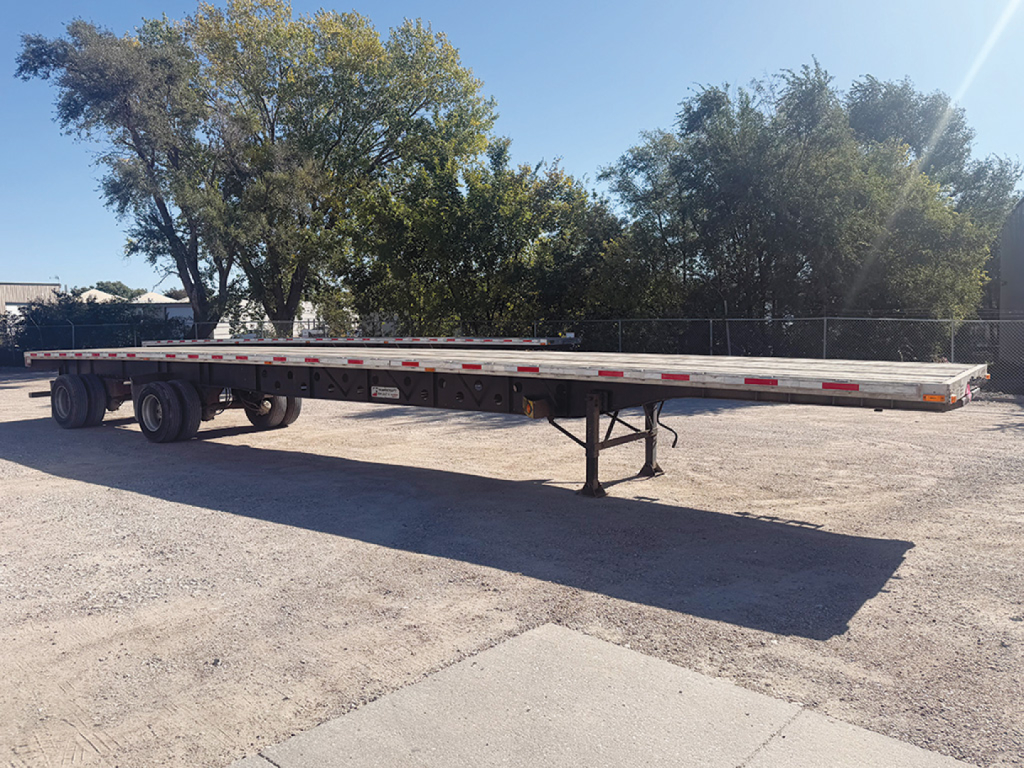
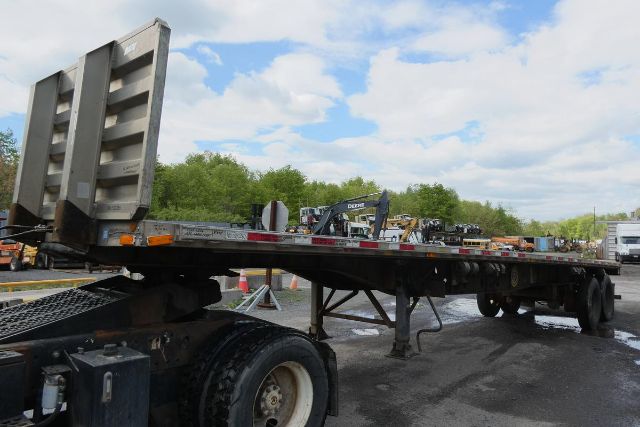
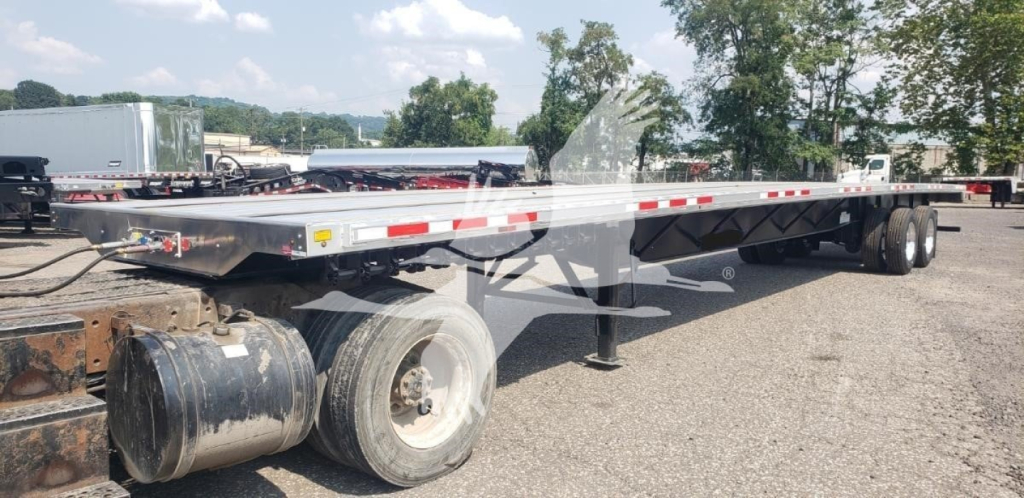
Selling a 2006 transcraft flatbed trailer? List your 2006 transcraft flatbed trailer for sale and reach thousands of commercial buyers.
2006 Transcraft Flatbed Trailers
Combo flatbeds from this era are especially attractive when payload matters. A combo design usually pairs steel main beams with aluminum components such as the deck and side rails to reduce empty weight without giving up the core strength most operators want in a general-purpose trailer. A steel Transcraft flatbed may carry a weight penalty, but some fleets prefer it for severe-duty use, frequent forklift loading, or applications where long-term repair familiarity matters more than tare. On a used 2006 unit, buyers should pay close attention to crossmember condition, side rail wear, cracks around suspension hangers, the kingpin area, and any evidence of concentrated coil or equipment loading.
Spec details make a big difference in day-to-day usability. Common features on Transcraft flatbeds include stake pockets, sliding winches or winch tracks, pipe spools, coil package provisions, bulkheads on some units, and air-ride or spring-ride suspension. A spread axle flatbed can offer better bridge compliance and load flexibility, but it may be less maneuverable in tight urban or jobsite work than a closed tandem. Tire size, wheel material, landing gear condition, and floor type also deserve a close look. Many trailers in this class use apitong or aluminum decking, and deck wear from chains, coils, and forklift traffic can tell you a lot about how the trailer was used.
For buyers comparing multiple 2006 Transcraft flatbed trailers for sale, the best value usually comes from matching the trailer spec to the freight, not just chasing the lowest price. A 53-foot combo flatbed can make sense for longer legal loads and maximizing deck space, while a shorter 48-foot trailer may be easier to position and still cover a wide range of open-deck work. Check beam ratings, axle spread, suspension type, and securement hardware before making a decision. On an older flatbed, current condition and prior maintenance history matter more than badge alone, but Transcraft remains a recognized name in the flatbed trailer market for buyers who need a practical platform trailer with broad freight versatility.
Frequently Asked Questions about 2006 Transcraft Flatbed Trailers
What should I inspect first on a 2006 Transcraft flatbed trailer?
Start with the frame, main beams, crossmembers, suspension mounts, and kingpin area. On a flatbed of this age, structural condition is more important than cosmetic appearance. Check the deck for rot, cracking, excessive forklift damage, or patched sections. Inspect side rails, stake pockets, winch tracks, and pipe spools for deformation or repair work, and look closely for signs of overloading around concentrated load points such as coil package areas.
What is the difference between a combo flatbed and a steel flatbed on a Transcraft trailer?
A combo flatbed typically uses steel main beams with aluminum components to lower trailer weight and improve payload capacity. A steel flatbed is generally heavier but can appeal to buyers who want a more traditional severe-duty build or easier repair access in some operations. The right choice depends on your freight mix, axle weights, and how much value you place on lighter tare versus all-steel construction.
Are 53-foot 2006 Transcraft flatbeds better than 48-foot models?
Not always. A 53-foot flatbed gives you more deck space and can be a better fit for longer building materials, machinery, or mixed partial loads. A 48-foot model can still handle a broad range of freight and may be easier to maneuver in tighter delivery environments. The better trailer is the one that matches your lanes, customer freight, and state bridge considerations.
Which axle setup is better on a used Transcraft flatbed, spread axle or closed tandem?
A spread axle setup can improve bridge distribution and help with certain load placements, which is useful in many open-deck applications. A closed tandem is often easier to back, easier to maneuver, and sometimes more practical for operations with tight docks, yards, or urban job sites. Buyers should choose based on turning environment, weight distribution needs, and regional hauling requirements.
What features are most useful on a flatbed trailer for general freight?
Stake pockets, sliding winches, winch tracks, pipe spools, nail strips, and a good deck surface are among the most useful features for general flatbed work. Air-ride suspension is also desirable for ride quality and load protection on many commodities. If you haul steel coils, machinery, or forklift-loaded products, coil package provisions, bulkheads, and reinforced deck areas can add real day-to-day value.