
Flatbed Trailers For Sale in Texas
Shop flatbed trailers for sale in Texas. Compare lengths, axle setups, deck materials, securement features, and forklift-ready options.

Showing 29 to 47 of 47 results
Have flatbed trailer to sell? List it here to reach thousands of buyers.
Flatbed Trailers in Texas
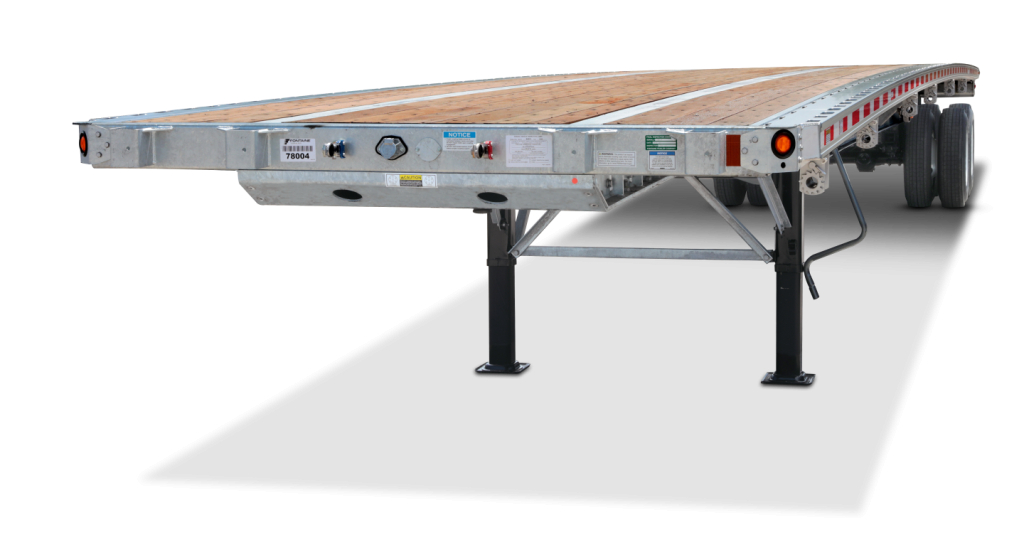
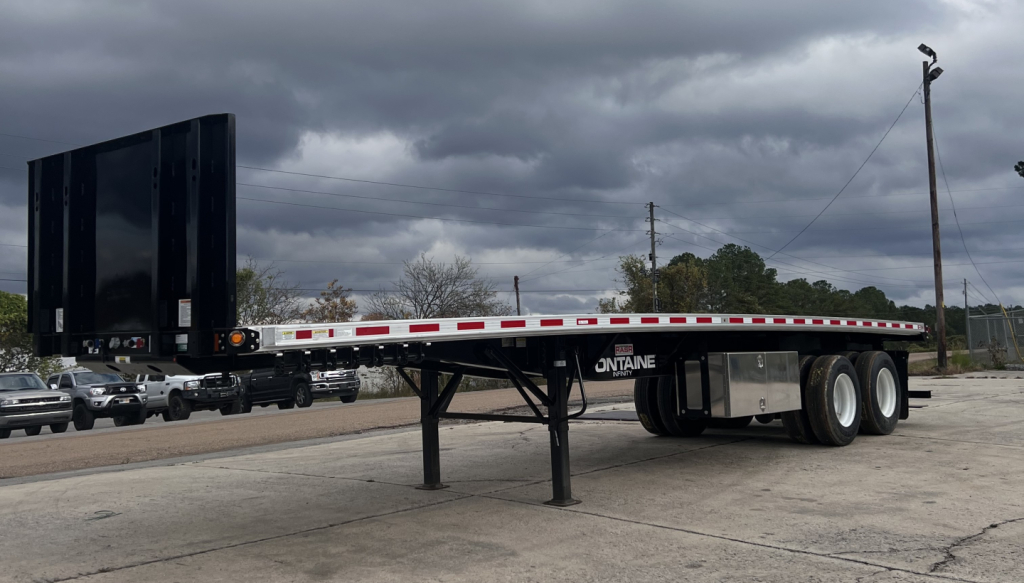
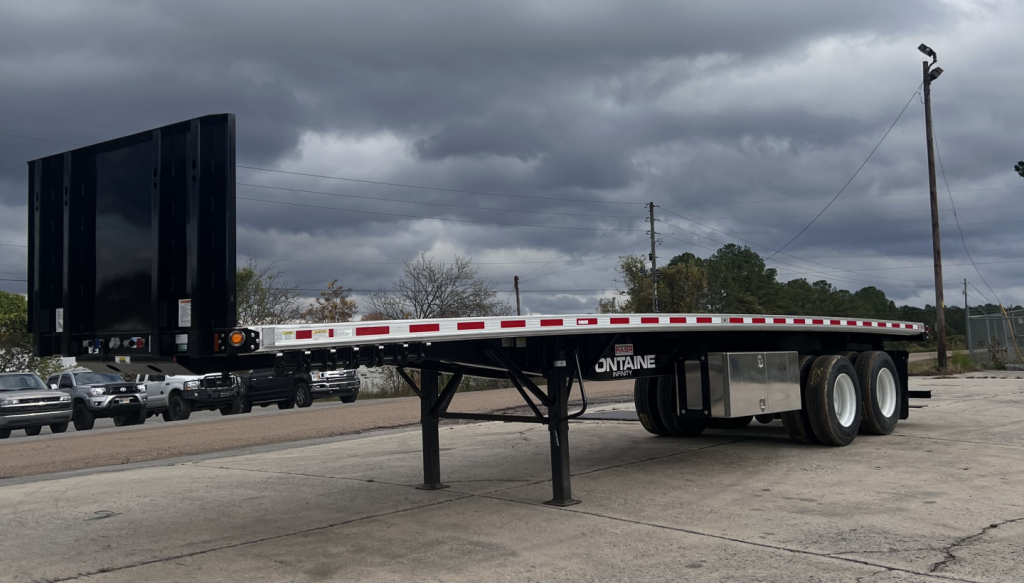
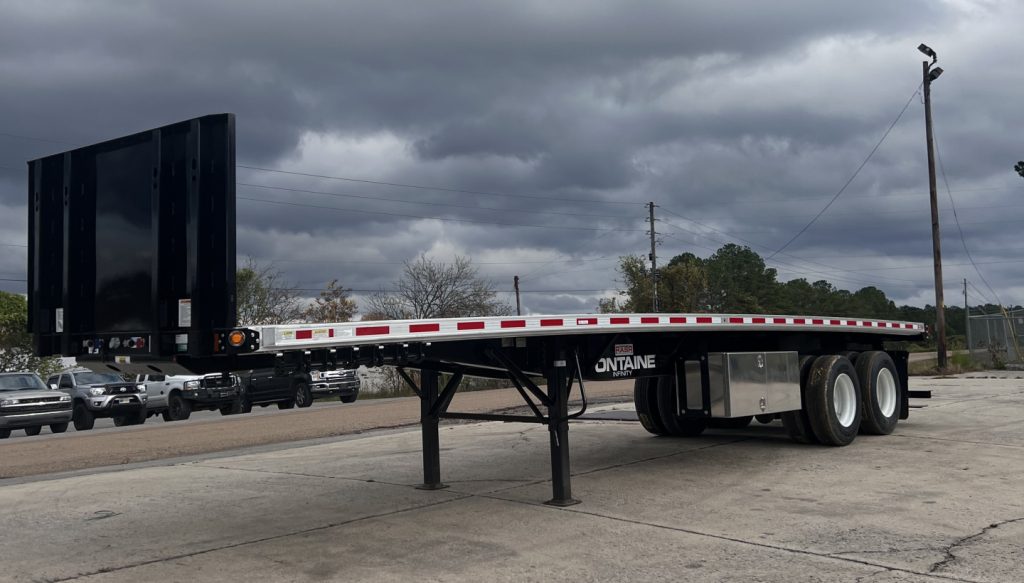
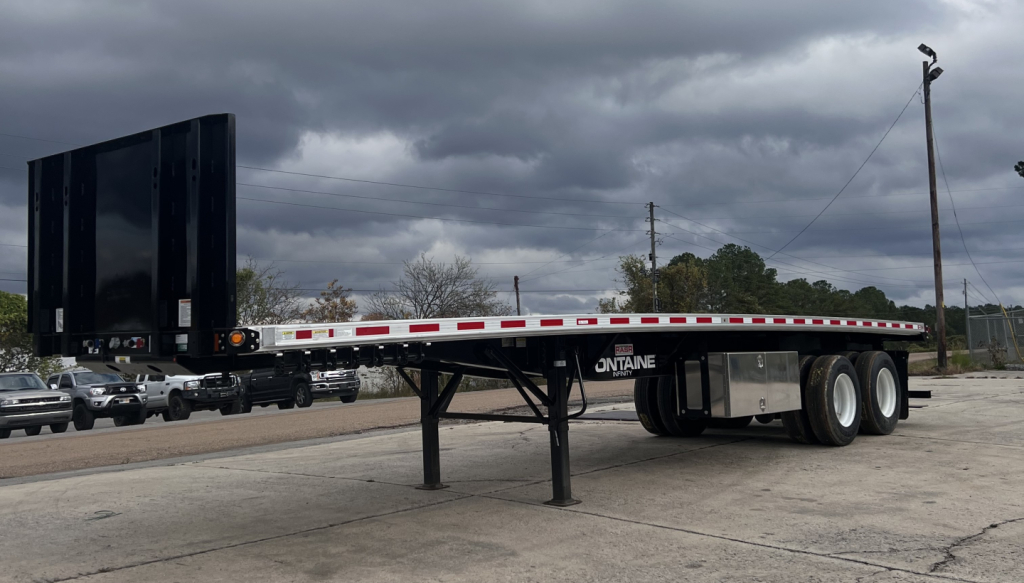
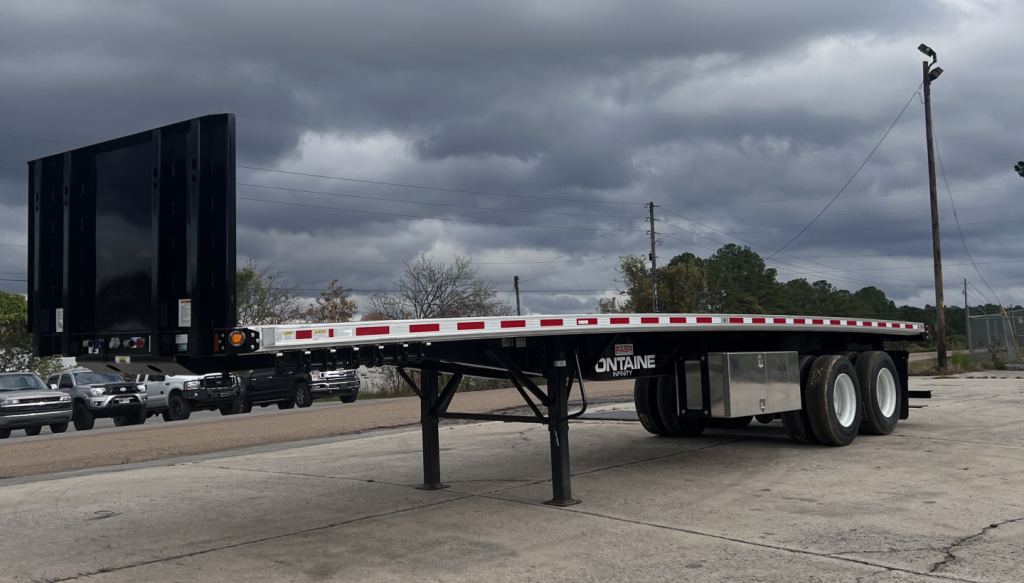
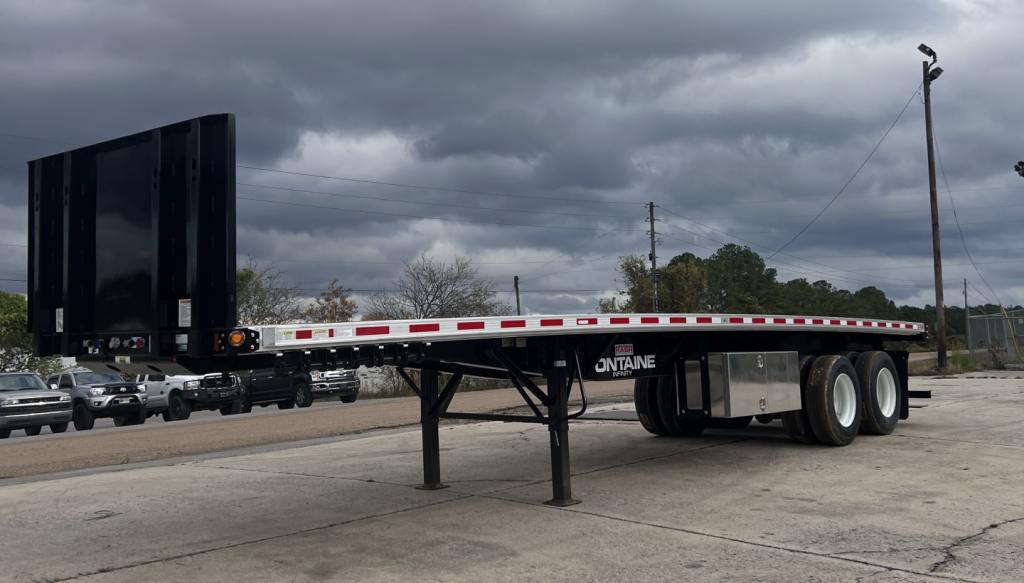
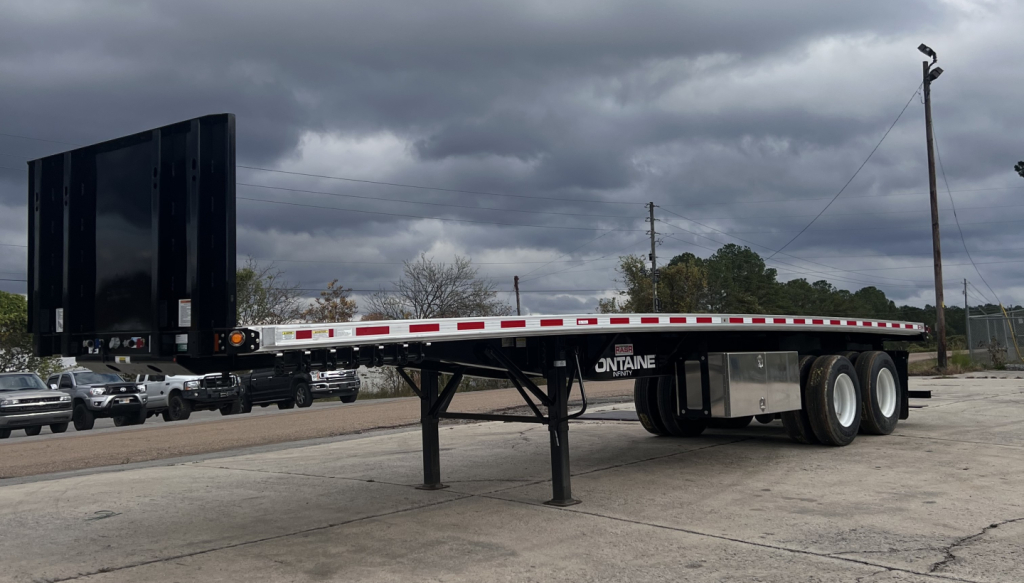
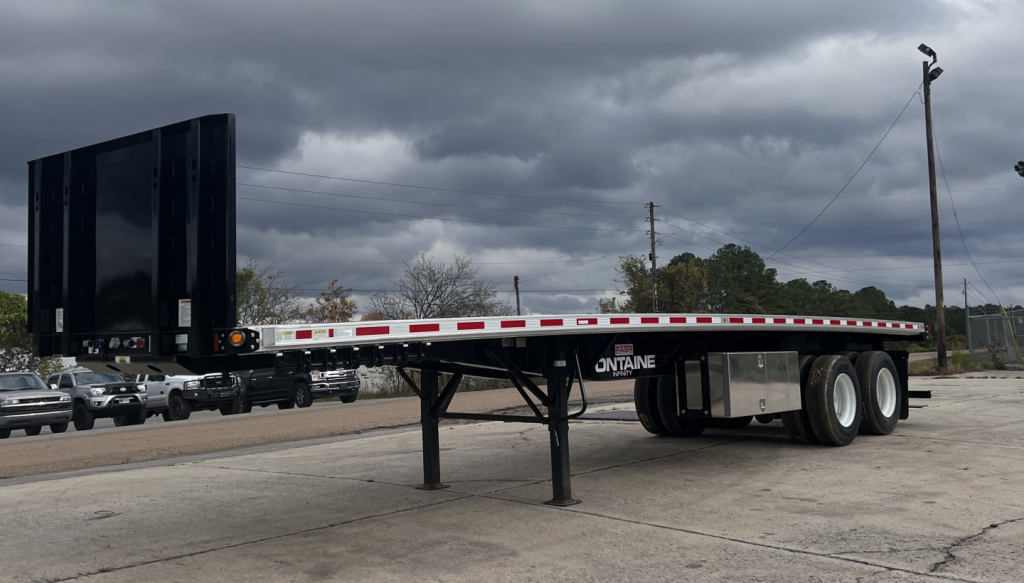
The biggest buying decision is usually trailer construction. All-steel flatbeds generally cost less up front and hold up well in severe service, but they carry more tare weight. Combo and aluminum flatbeds reduce empty weight and help maximize payload, which is why many buyers look closely at steel-aluminum combinations with aluminum floors and steel main structure where strength matters most. Deck design also deserves attention. Buyers often compare aluminum flooring, wood nailers, crossmember spacing, coil package ratings, stake pockets on 24-inch centers, rub rails, sliding winches, and bulkhead configuration. If the freight mix includes forklifts, pipe, or dense steel product, details like concentrated load capacity and floor reinforcement become more important than simple GVWR numbers.
Axle and suspension setup affects both payload efficiency and day-to-day usability. Tandem axle flatbeds remain the most common configuration, often paired with air ride suspension for cargo protection and better ride quality. Sliding tandems are useful when bridge law compliance and kingpin setting flexibility matter across different states and load lengths. Some specialized Texas-spec trailers also include forklift kits, integrated counterweight systems, and auto-sensing lift axles that raise an axle when empty to reduce tire scrub and improve maneuverability. Tire size, wheel material, brake type, and toolbox placement may seem secondary, but they have real impact on service intervals, roadside repairs, and driver convenience.
A good flatbed spec should match the freight first, then the route, then the loading method. Buyers hauling palletized building products may prioritize securement options and a lighter combo trailer. Buyers handling steel coils, equipment, or recurring heavy point loads may focus on crossmember density, bulkhead design, and frame strength. In Texas, where freight can range from short-haul oilfield and construction work to long regional runs, the right flatbed trailer is the one that balances payload, durability, securement efficiency, and maintenance cost without overbuying features you will not use.
Frequently Asked Questions about Flatbed Trailers in Texas
What should I look for first when buying a flatbed trailer?
Start with the freight profile. Trailer length, deck material, crossmember spacing, coil package capability, and securement layout should match the loads you haul most often. If your freight includes steel, machinery, or concentrated point loads, frame strength and floor support matter more than tare weight alone. If your operation is focused on lighter palletized freight, a combo or aluminum-heavy build may make more sense because lower empty weight can improve payload and revenue.
What is the difference between an all-steel flatbed and a combo flatbed trailer?
An all-steel flatbed typically has a lower initial purchase price and is often chosen for hard-use applications where durability is the priority. A combo flatbed uses both steel and aluminum, usually keeping steel in key structural areas while reducing weight with aluminum components such as the deck. That lower tare weight can increase legal payload, which is a major advantage for many regional and over-the-road operations. The tradeoff is that spec, repair methods, and total cost of ownership should be reviewed carefully based on your freight and maintenance program.
Are 48-foot flatbed trailers still a good choice in Texas?
Yes. A 48-foot flatbed is still a practical option for many Texas fleets and owner-operators, especially when hauling construction materials, machinery, steel, or dedicated regional freight. It can be easier to maneuver than a longer deck in tighter yards and jobsites, and it remains common in many freight lanes. The right choice depends on your load mix, customer requirements, and how often deck length limits your ability to cover a full shipment.
Why do some flatbed trailers have forklift kits and lift axles?
Forklift kits are used on trailers designed to carry a truck-mounted forklift, which is common in building materials and jobsite delivery work. These setups typically include a reinforced rear structure and counterweight-related components that must remain with the trailer. A lift axle, especially an auto-sensing front lift axle, can raise when the trailer is unloaded or lightly loaded. That can reduce tire wear, lower rolling resistance, and improve turning performance while still giving the trailer the axle capacity needed for its intended application.
How important are sliding winches, stake pockets, and bulkheads on a flatbed trailer?
They are central to securement and day-to-day efficiency. Sliding winches make it easier to position straps for different freight shapes and lengths. Stake pockets on regular centers expand your tie-down options and support side kits or load containment accessories when needed. A bulkhead can add front-end protection and is especially important on specs that include forklift mounting or certain dense cargo applications. These features should be evaluated based on the kinds of loads you secure every week, not just as add-ons.