
Used 2002 Reitnouer Flatbed Trailers For Sale
Shop used 2002 Reitnouer flatbed trailers. Compare aluminum deck specs, axle setups, weight ratings, and hauling features for open-deck work.
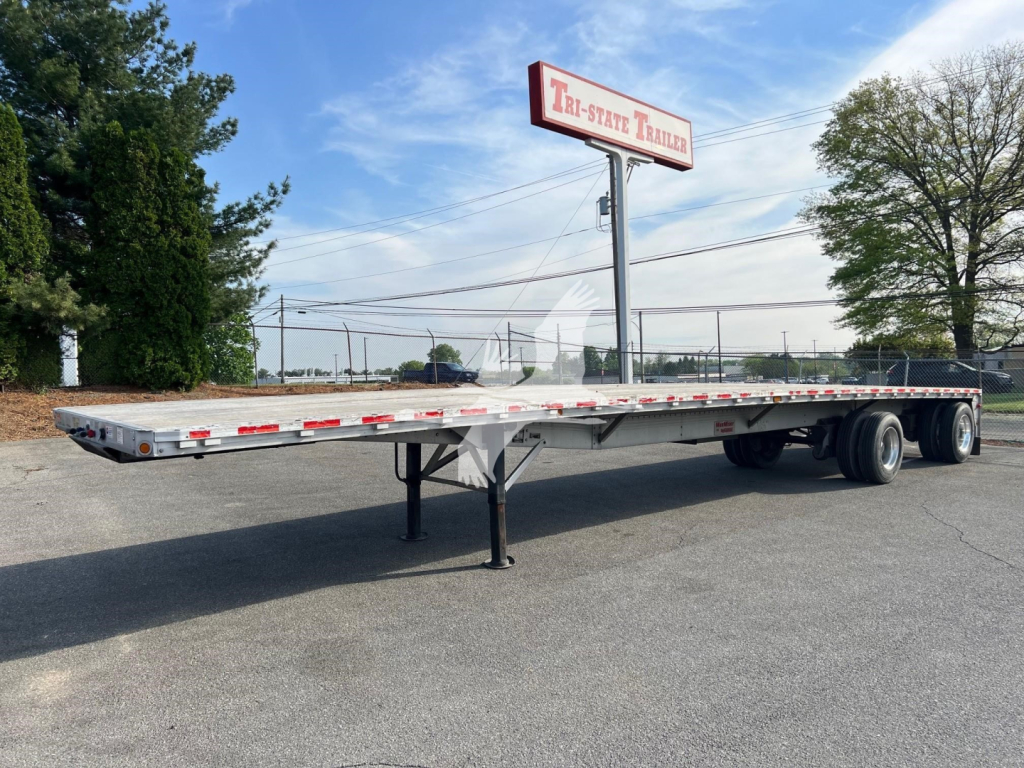
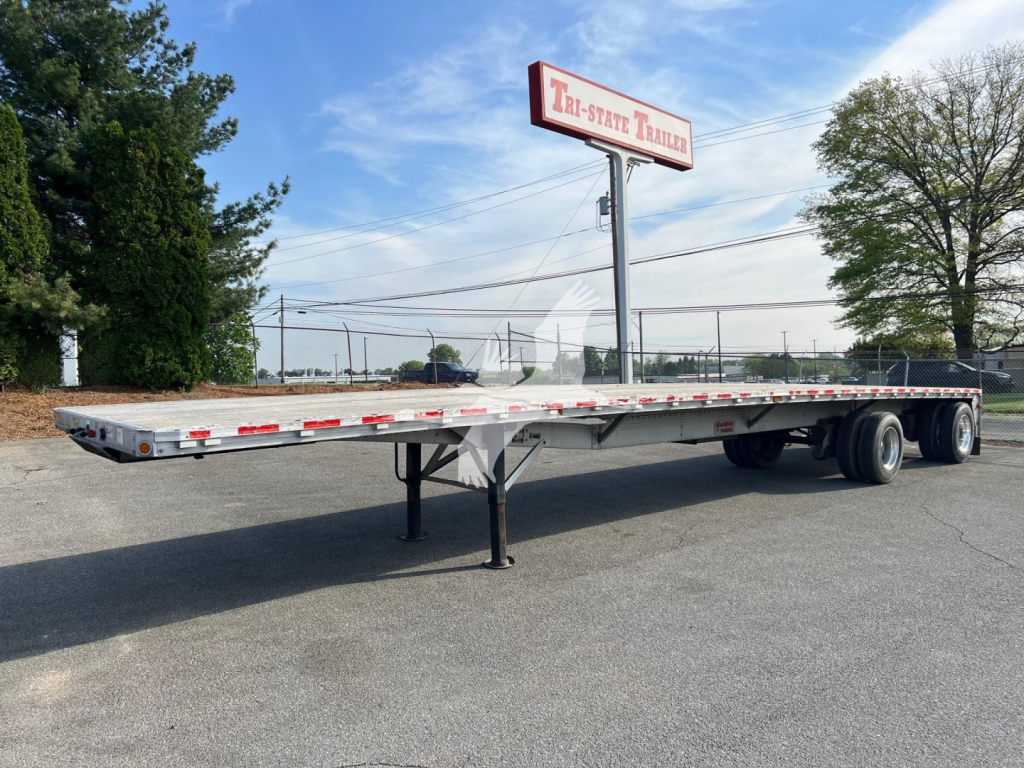
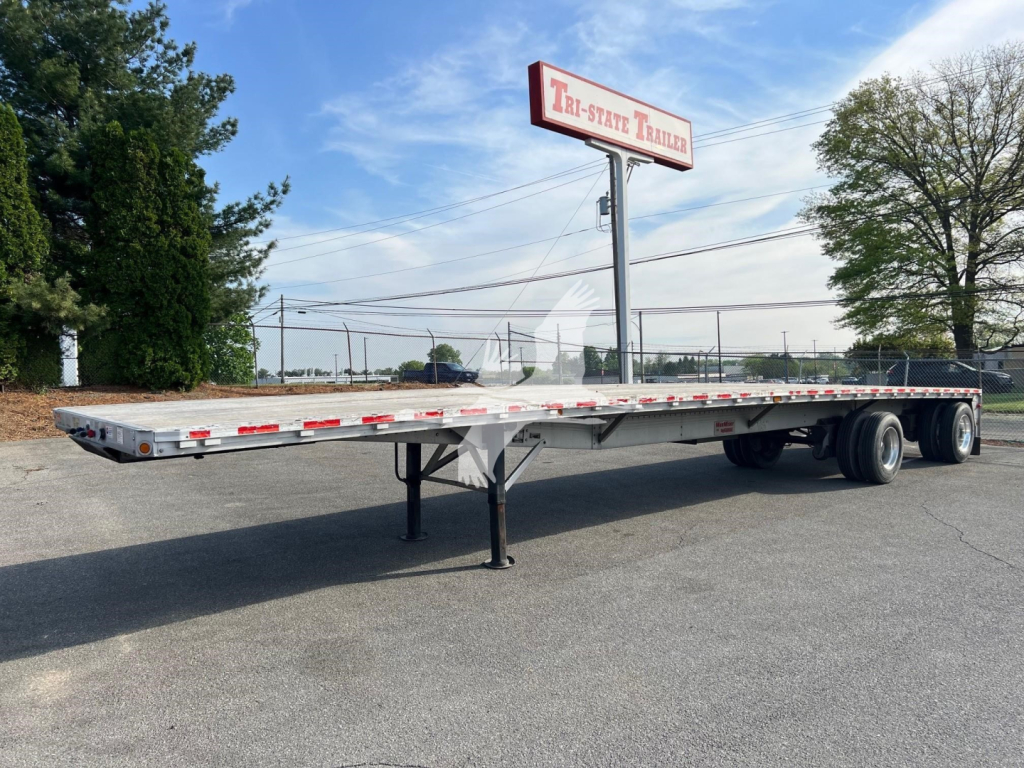
Selling a used 2002 reitnouer flatbed trailer? List your used 2002 reitnouer flatbed trailer for sale and reach thousands of commercial buyers.
Used 2002 Reitnouer Flatbed Trailers
When comparing a 2002 model, start with structural condition before you focus on options. On an older aluminum flatbed, deck condition, crossmember integrity, side rail wear, kingpin area, rear frame, suspension mounts, and landing gear support matter more than cosmetics. Common flatbed specs in this class include 48-foot or 53-foot length, 102-inch width, tandem or spread axle configurations, air ride suspension, aluminum wheels, sliding winches, winch tracks, chain tie-down points, and coil package reinforcement. Crossmember spacing, concentrated load rating, and the presence of nail strips or spool arrangements can make a big difference depending on whether the trailer will haul steel coils, crated freight, pipe, or mixed open-deck loads.
A Reitnouer flatbed from this era is also known simply as an aluminum flatbed trailer or open-deck trailer. Buyers should pay close attention to weight ratings such as 60,000 pounds in 10 feet or 50,000 pounds in 4 feet, because those concentrated load figures tell you more than gross assumptions. Suspension setting, axle spread, brake type, and tire size all affect bridge compliance, maintenance cost, and how well the trailer fits your lanes. If the trailer will run heavy steel, look for a proper coil package, tight deck, solid tie-down hardware, and evidence of consistent maintenance around wheel ends, brakes, airbags, and slider or fixed suspension components.
For day-to-day usability, details like side-mounted toolboxes, pipe spools, dual winch tracks, lighting layout, mud flap brackets, and tire inflation systems can improve efficiency and reduce downtime. Since this is a 2002 used trailer, inspection history and repair quality are critical. Buyers should look for signs of prior overloads, cracked welds, patched aluminum, deck replacement quality, and uneven tire wear that can point to axle alignment issues. A well-kept older Reitnouer can still be a productive flatbed for regional or over-the-road hauling, especially for carriers focused on payload, corrosion resistance, and straightforward open-deck versatility.
Frequently Asked Questions about Used 2002 Reitnouer Flatbed Trailers
What should I inspect first on a used 2002 Reitnouer flatbed trailer?
Start with the structure. Check the aluminum frame, crossmembers, side rails, kingpin area, rear impact area, suspension hangers, and landing gear mounts for cracks, fatigue, or poor-quality repairs. After that, inspect the deck, tie-down equipment, brakes, wheel ends, air system, tires, and lighting. On an older aluminum flatbed, structural condition and repair history are more important than appearance.
Are Reitnouer flatbed trailers good for heavy payload applications?
Yes, Reitnouer flatbeds are well known for lightweight aluminum construction, which helps maximize legal payload. The exact hauling capability depends on trailer length, axle setup, crossmember design, and concentrated load rating. Buyers hauling steel, machinery, or dense building products should verify the trailer's load rating and confirm whether it has a coil package or other reinforcements suited to heavier point loads.
What sizes and configurations are common on Reitnouer flatbed trailers?
Common configurations include 48-foot and 53-foot decks with a 102-inch width. Many are set up with tandem axles or spread axles and air ride suspension. Equipment can include aluminum floors, sliding winches, roadside or both-side winch tracks, nail strips, pipe spools, and aluminum wheels. The right setup depends on the freight mix, state bridge laws, and whether the trailer will stay regional or run nationwide.
Why does concentrated load rating matter on a flatbed trailer?
Concentrated load rating shows how much weight the trailer can carry within a short section of deck, such as 10 feet or 4 feet. That matters when hauling steel coils, equipment, or other dense freight that loads heavily in one area instead of spreading weight across the full deck. A trailer with the right concentrated load rating is better suited to demanding freight and less likely to suffer structural stress from repeated heavy point loads.
Is an older aluminum flatbed trailer still a good buy?
It can be, if the trailer has been maintained properly and repaired correctly when needed. Aluminum flatbeds offer corrosion resistance and low tare weight, but age makes inspection more important. A sound 2002 trailer with solid frame rails, healthy crossmembers, good alignment, and serviceable brakes and suspension can still be a practical choice for open-deck hauling. Buyers should base value on condition, spec, and maintenance history rather than model year alone.