
Reitnouer Flatbed Trailers For Sale in Ohio
Shop Reitnouer flatbed trailers for sale, including lightweight aluminum models built for higher payloads, coil hauling, and general freight.
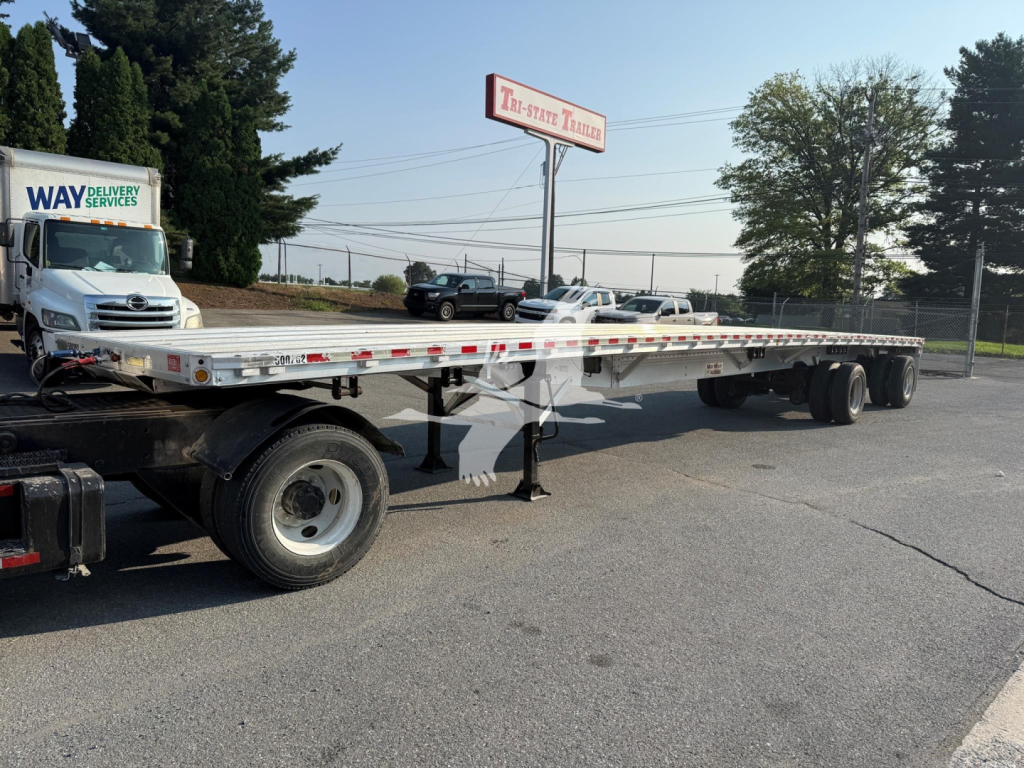
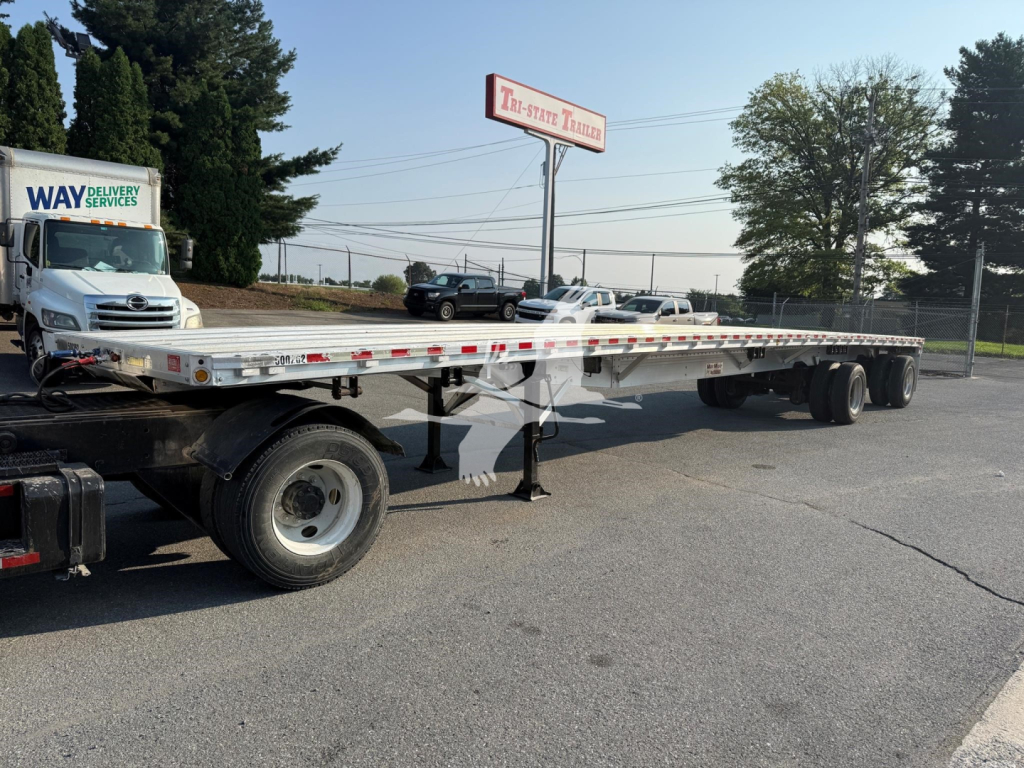
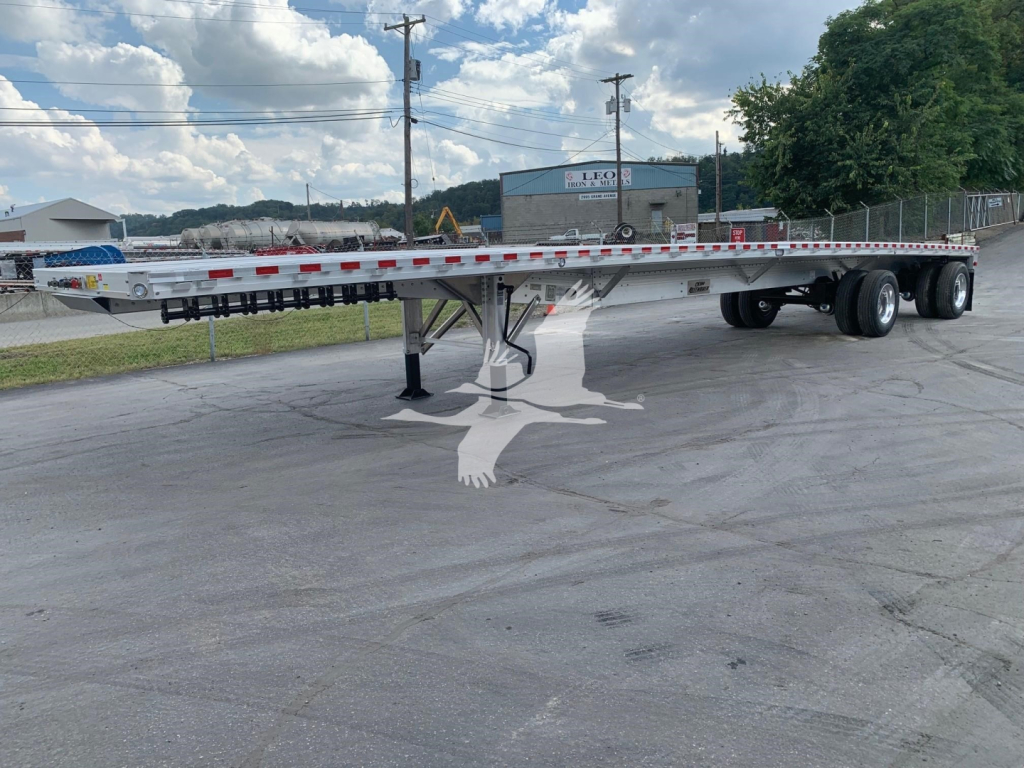
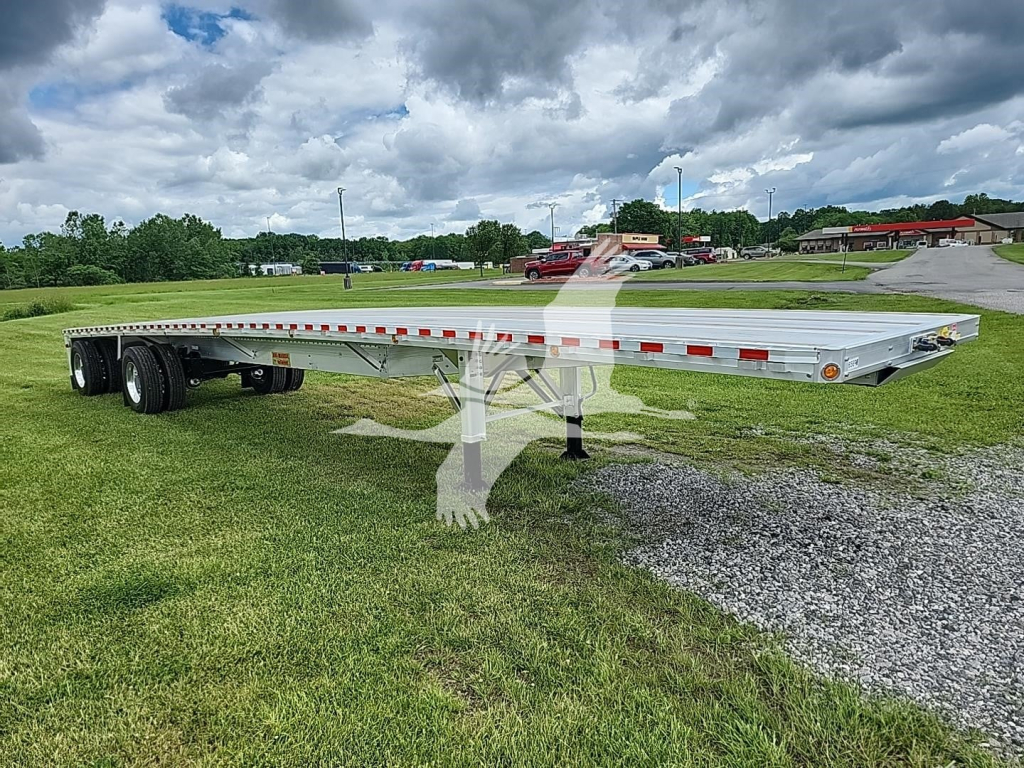
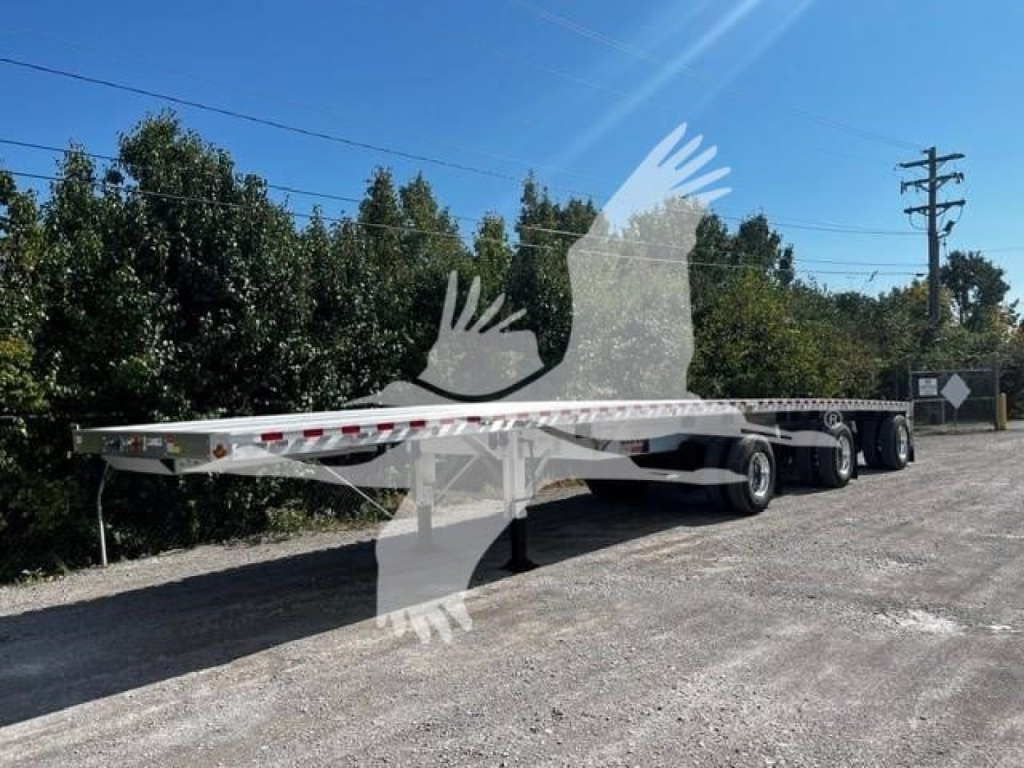
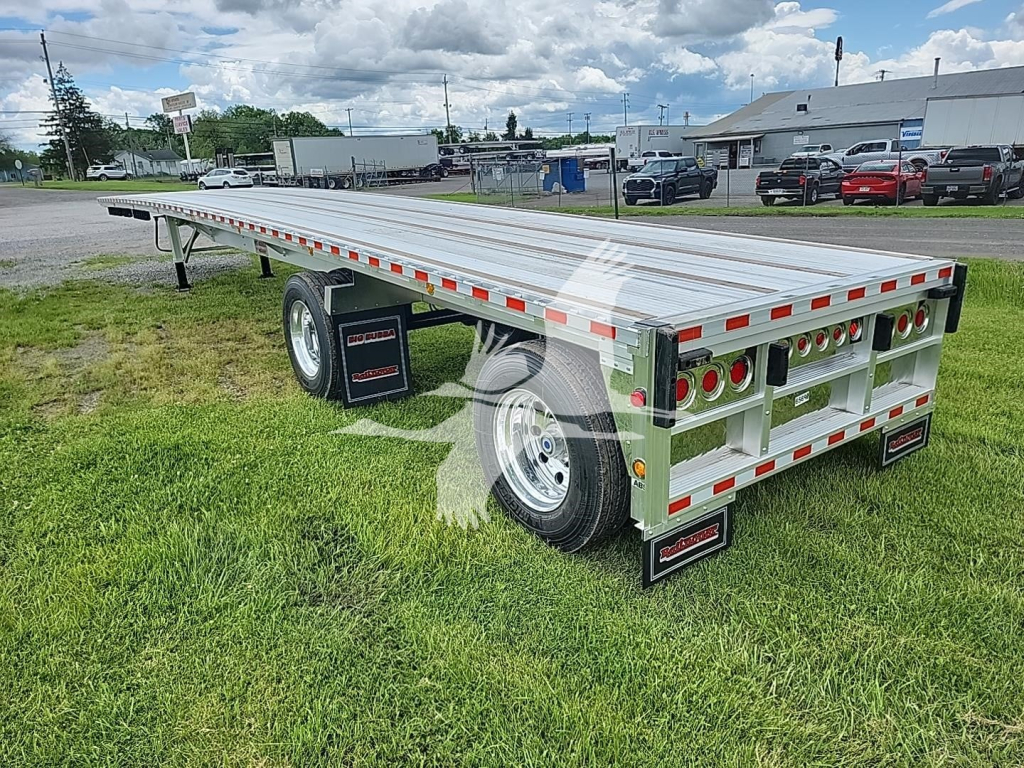
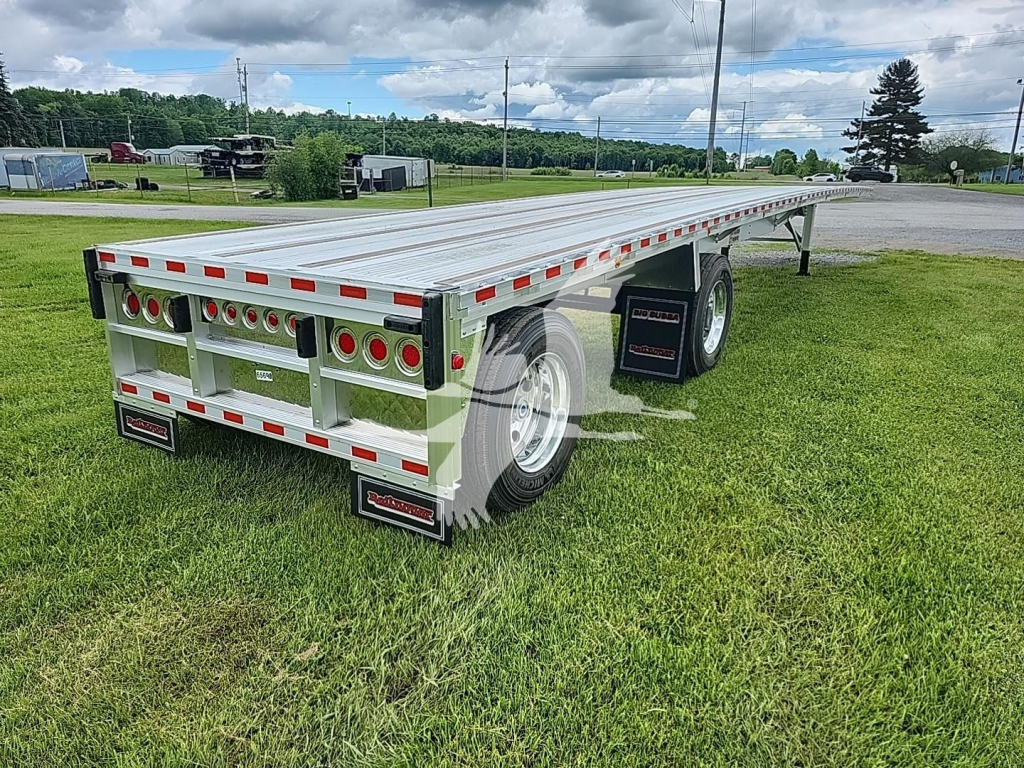
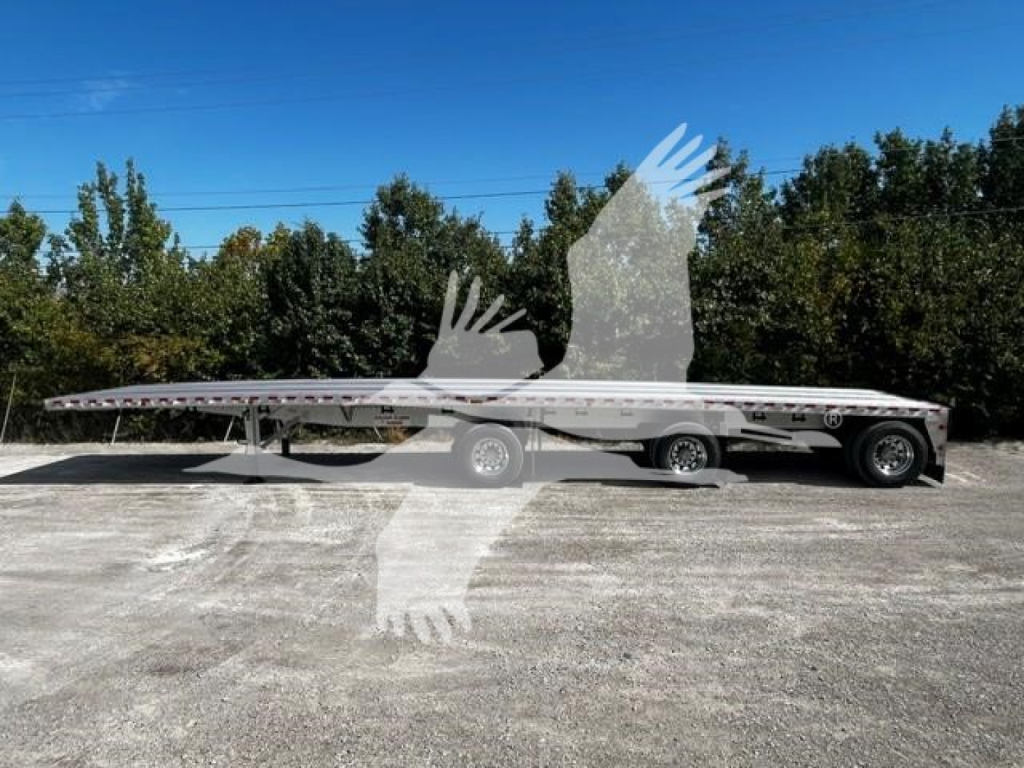
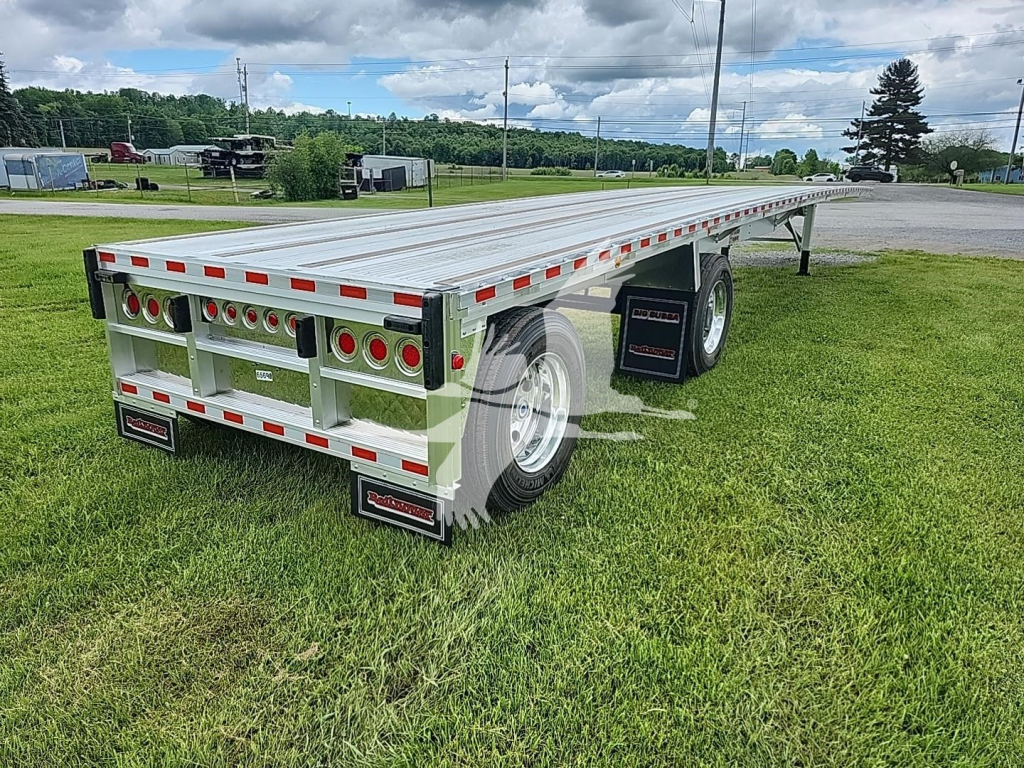
Selling a reitnouer flatbed trailer? List your reitnouer flatbed trailer for sale and reach thousands of commercial buyers.
Reitnouer Flatbed Trailers in Ohio
A lot of buyers start with the core spec sheet, and that is the right approach with a Reitnouer. Common configurations include 48-foot by 102-inch spread axle flatbeds with aluminum floors, aluminum side rails, and aluminum front and rear members. Popular setups often include air ride suspension, 10-foot 2-inch axle spread settings, 30-inch kingpin settings, and crossmember spacing in the 12-inch to 15-inch range. Models such as the MaxMiser and CK-100 are frequently ordered with mini coil packages, extra crossmembers, double pipe spools, winch tracks, sliding winches, and Jost two-speed landing gear. Buyers comparing trailers in this category should pay close attention to suspension rating, axle position, brake type, wheel makeup, and rated capacity in concentrated load areas like 4 feet and 10 feet.
The lightweight aluminum design is a major advantage, but spec details determine how versatile the trailer will be in day-to-day freight. An all-aluminum flatbed with apitong nailer strips, full or dual-side winch track, and enough sliding winches can handle a broad mix of general commodity work. If steel coils or dense freight are part of the route mix, a coil package with added crossmembers becomes more important than headline tare weight alone. Disc brakes, tire inflation systems, dump valves, and quality air ride components can also matter over time, especially for fleets trying to reduce maintenance intervals and improve brake performance in heavy-use service.
Used Reitnouer flatbeds deserve a close inspection in the same areas that make them attractive when new. Look at floor condition, side rail wear, crossmember integrity, winch track damage, suspension service history, brake condition, and signs of concentrated load stress around coil package areas. Check for cracks, prior repairs, and corrosion at connection points, even on aluminum trailers. Tire wear patterns, landing gear condition, light harness condition, and fifth wheel plate wear can also tell you a lot about how the trailer was run. For buyers who want a flatbed trailer that stays light, pulls efficiently, and is commonly spec'd for Midwest general freight and steel-related work, Reitnouer remains a strong category to evaluate.
Frequently Asked Questions about Reitnouer Flatbed Trailers in Ohio
What makes a Reitnouer flatbed trailer different from other flatbeds?
Reitnouer flatbed trailers are best known for lightweight aluminum construction. That lower tare weight can increase legal payload compared with heavier trailer designs, which is a practical advantage for carriers hauling dense freight. The brand is also commonly spec'd with features that fit general freight and steel service, including coil packages, winch tracks, sliding winches, air ride suspension, and aluminum components throughout the trailer structure.
Are Reitnouer flatbeds good for coil hauling?
Many Reitnouer flatbeds are well suited for coil hauling when they are equipped with the right coil package. Buyers should confirm the presence of extra crossmembers, the coil well or mini coil package setup, and the trailer's concentrated load ratings in 4-foot and 10-foot sections. A lightweight trailer is useful, but coil work depends more on structural support and load rating than empty weight alone.
What specs should I check first on a Reitnouer flatbed trailer?
Start with length, width, axle configuration, suspension type, and tare weight. Then move to kingpin setting, axle spread, crossmember spacing, brake type, and load ratings. Freight-specific features such as nailing strips, pipe spools, toolboxes, dump valves, tire inflation systems, and full-length or dual-side winch tracks should also be reviewed. These details determine how the trailer will fit your freight mix and your operating region.
Is an aluminum flatbed trailer durable enough for heavy freight?
Yes, if the trailer is properly spec'd for the work. Aluminum flatbeds are widely used in demanding applications because they combine lower weight with strong payload capability. The key is to match the trailer's structural design, crossmember spacing, suspension rating, and concentrated load capacity to the freight you intend to haul. For dense or repeated point loads, features like added crossmembers and a coil package are especially important.
What should I inspect on a used Reitnouer flatbed?
Pay close attention to the floor, side rails, crossmembers, winch tracks, landing gear, suspension, brakes, and wheel ends. On aluminum trailers, look carefully for cracks, previous weld repairs, and stress around high-load areas. Check tire wear, lighting, air system condition, and any signs of damage near the kingpin area or rear structure. A used flatbed can still be a strong value, but condition matters more than model name alone.