
2002 Reitnouer Flatbed Trailers For Sale in Pennsylvania
Shop 2002 Reitnouer flatbed trailers in Pennsylvania. Compare aluminum deck specs, axle setups, weight ratings, and securement features.
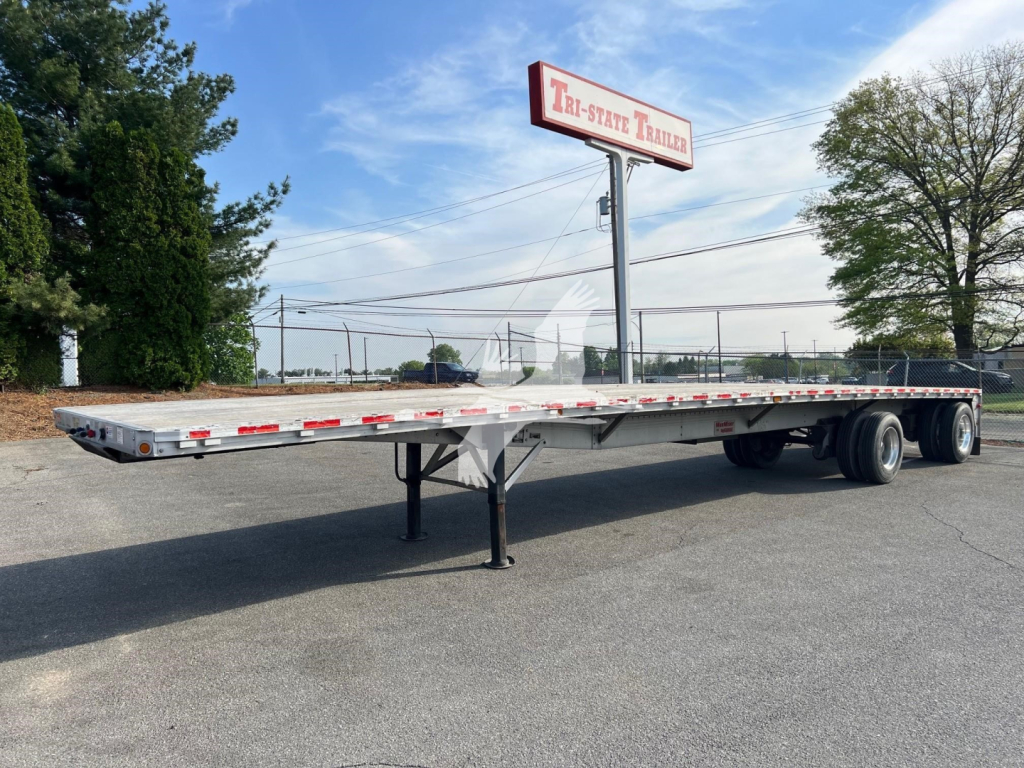
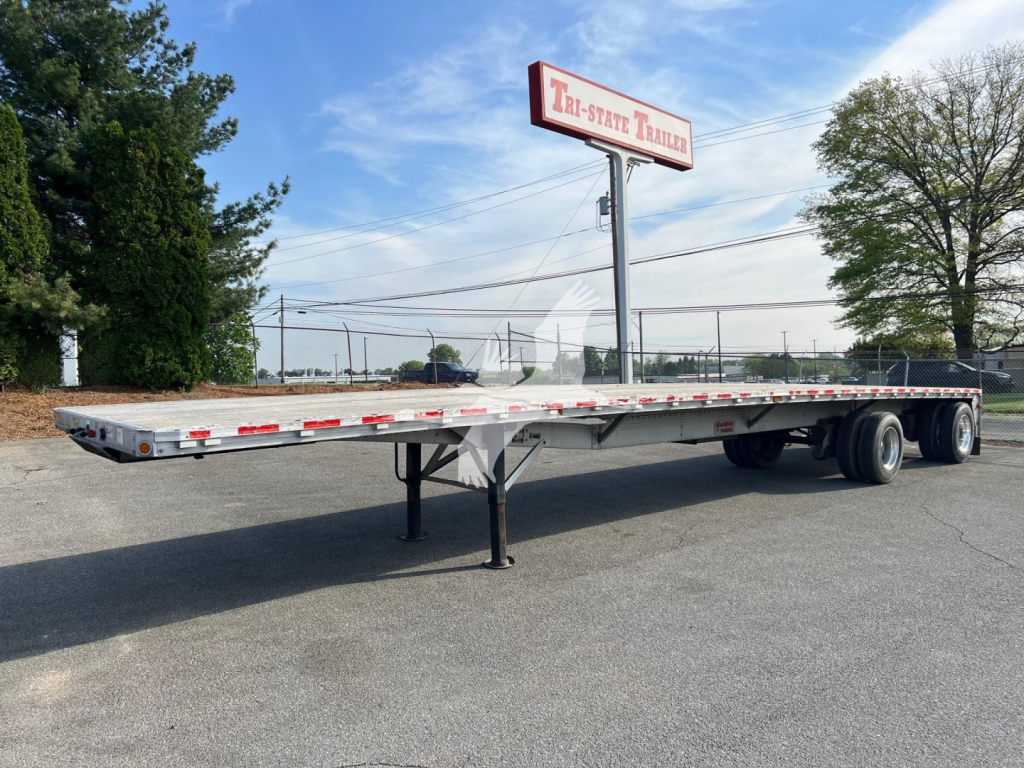
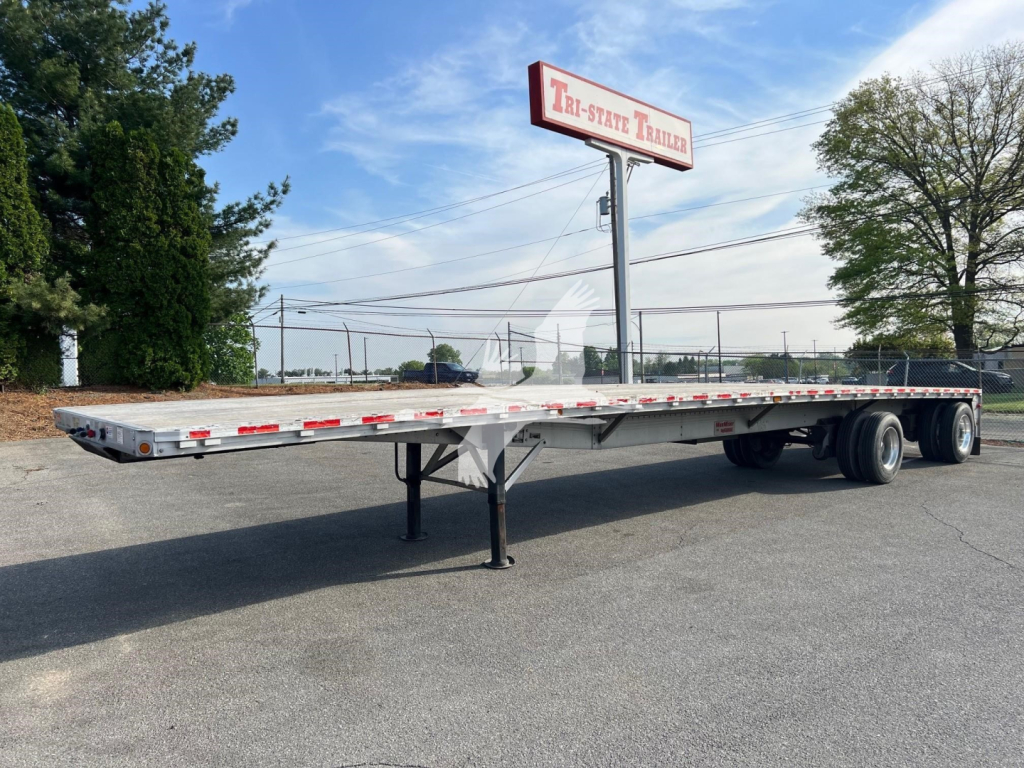
Selling a 2002 reitnouer flatbed trailer? List your 2002 reitnouer flatbed trailer for sale and reach thousands of commercial buyers.
2002 Reitnouer Flatbed Trailers in Pennsylvania
Most Reitnouer flatbeds from this era are 48-foot by 102-inch trailers, commonly with tandem axles and an air-ride spread or close-coupled suspension depending on original application. Common spec points include aluminum floors, apitong nailer strips, winch tracks, sliding winches, pipe spools, and coil package reinforcement. A 30-inch kingpin setting is common on many Reitnouer platforms and works well with a wide range of road tractors, but buyers should still confirm bridge-law fit and axle spread for their operation. If you regularly haul concentrated loads like steel coils, lumber packs, or machinery, crossmember spacing and the presence of a mini coil package are not small details. They directly affect how well the trailer handles point loading and securement.
On a 2002 model, condition tells more than age alone. Inspect the deck for gouging, excessive wear around nailer strips, loose or damaged flooring sections, and repairs that may indicate repeated overloads or forklift abuse. Check suspension components, air bags, bushings, brake hardware, wheel ends, and tire wear patterns to see how the trailer has been maintained. Aluminum trailers resist rust better than steel, but they still need careful inspection for cracking, fatigue, prior weld repairs, and galvanic corrosion around mixed-metal contact points. Lighting, wiring, ABS function, landing gear operation, and any aftermarket additions such as toolboxes, tire inflation systems, or dunnage racks should also be reviewed because replacement costs add up quickly on an older trailer.
For buyers comparing flatbeds in this class, Reitnouer remains a strong name because the lightweight design supports higher payloads while still giving the operator a familiar, versatile platform for general freight. Also known simply as a flatbed trailer or aluminum flatbed, this equipment category stays in demand because it can handle everything from tarped freight to oversized loads with the right permits and securement gear. The best 2002 Reitnouer flatbed trailers are usually the ones with a clean frame history, sound deck structure, properly spec'd suspension, and securement setup that matches your lanes. A well-kept older Reitnouer can still be a productive trailer if the structure, brake system, and load-bearing components have been maintained with discipline.
Frequently Asked Questions about 2002 Reitnouer Flatbed Trailers in Pennsylvania
What should I inspect first on a 2002 Reitnouer flatbed trailer?
Start with the structural areas that determine safety and service life: the kingpin plate, main frame rails, crossmembers, side rails, suspension mounts, and rear frame section. On an aluminum flatbed, signs of cracking, fatigue, or older weld repairs matter more than cosmetic appearance. After that, inspect the deck, nailer strips, air system, brakes, wheel ends, lighting, and tires. A lightweight trailer only pays off if the structure is still sound and the running gear does not need major reconditioning.
Are 2002 Reitnouer flatbeds good for heavy freight like steel or machinery?
They can be, but the answer depends on the original spec and current condition. Reitnouer trailers are known for low tare weight, which helps payload, but concentrated loads require the right crossmember spacing, floor support, axle rating, and ideally a coil package if steel coils are part of the job. A buyer hauling machinery, steel, or dense building products should verify weight ratings in 4 feet and 10 feet, check for reinforcement features, and confirm the trailer has not been overstressed over its life.
Why do buyers look for aluminum Reitnouer flatbeds instead of steel flatbeds?
The main reason is payload. An aluminum Reitnouer flatbed usually weighs less than a comparable steel trailer, which can allow more legal cargo on each trip. That can make a measurable difference in operations hauling commodities where weight drives revenue. The tradeoff is that aluminum trailers need careful inspection for fatigue, cracking, and repair quality, especially on older units that have seen hard service.
What specs are most important when comparing older Reitnouer flatbed trailers?
Length, width, axle spread, suspension type, kingpin setting, crossmember spacing, deck material, and securement equipment are the big ones. Buyers should also look at whether the trailer has winch tracks on one or both sides, sliding winches, pipe spools, chain ties, nailer strips, and any coil package reinforcement. These details affect bridge compliance, loading flexibility, and how well the trailer fits the freight you actually haul rather than just how it looks on paper.
Does regional use in Pennsylvania matter when buying a 2002 flatbed trailer?
Yes. Pennsylvania service can mean exposure to road salt, freeze-thaw cycles, rough secondary roads, and dense freight loading environments. Even though aluminum does not rust like steel, an older trailer from this region still deserves a close look for corrosion at fasteners and mixed-metal contact points, suspension wear, electrical issues, and impact damage from repeated loading. Regional history can tell you a lot about the trailer's likely maintenance needs.