
New 2025 Flatbed Trailers For Sale in Ohio
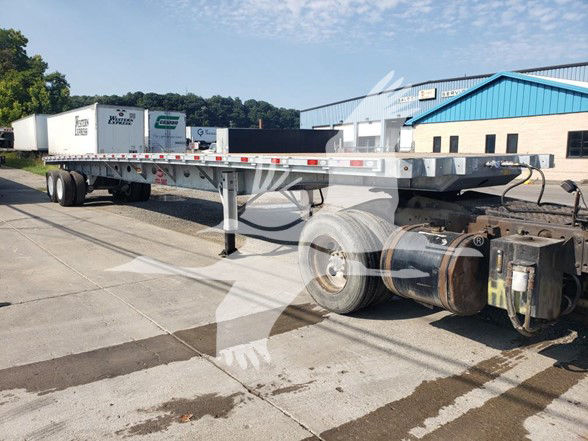
Have new 2025 flatbed trailer to sell? List it here to reach thousands of buyers.
New 2025 Flatbed Trailers in Ohio
Deck construction is a major decision. Aluminum flatbed trailers are valued for lower tare weight and stronger payload potential, which matters if the goal is maximizing legal freight on every trip. Steel and combination designs can appeal to buyers who expect rougher loading conditions or prefer a different repair profile over the life of the trailer. Flooring also varies. Full aluminum floors, apitong inserts, nailing strips, and coil packages all serve different freight needs. Buyers hauling steel coils, pipe, machinery, or concentrated point loads should pay close attention to crossmember spacing, rated capacity in 4-foot and 10-foot sections, side rail design, chain tie-downs, pipe spools, and the presence of a full or mini coil package.
Securement setup can change daily usability more than many buyers expect. A flatbed built with full-length winch track, sliding winches, removable chain ties, and double pipe spools is easier to adapt across mixed freight. Bulkheads are less common on general freight flats but can be useful in certain dedicated applications. Suspension spread and kingpin setting also matter, especially if the trailer will run across multiple states with different bridge and axle compliance concerns. In this category, tandem air ride trailers with spreads around 10 feet 2 inches are common for highway freight, while sliding tandem or closed spread configurations may be important for legal flexibility and dock access.
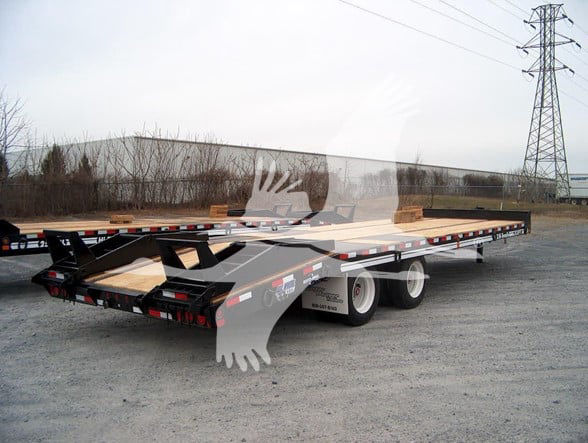
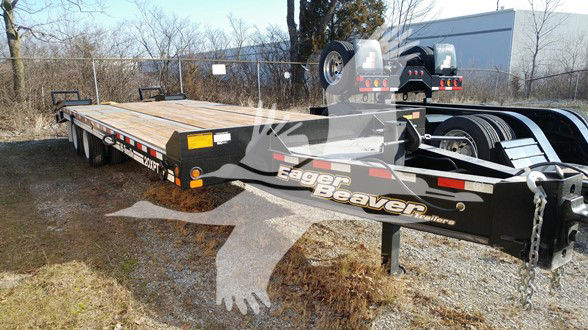
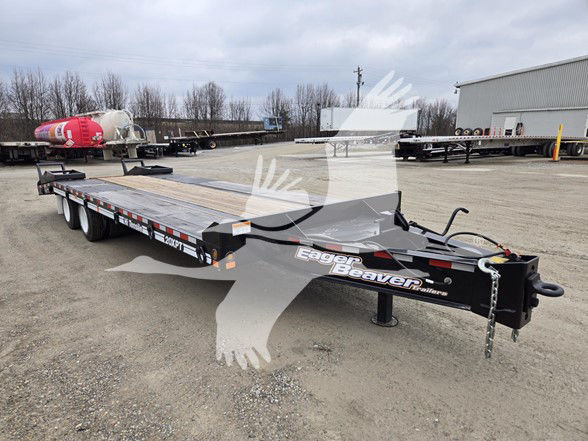
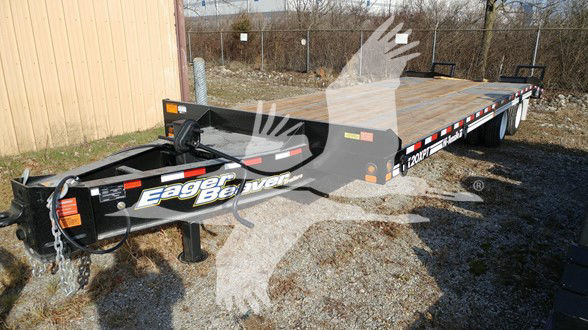
A buyer comparing new 2025 flatbed trailers should also look beyond headline capacity. Tire size, wheel material, landing gear, lighting package, dump valves, rear frame design, and pre-drilled toolbox or dunnage rack provisions all affect long-term operating convenience. If the work includes machinery or self-loading equipment, some listings in the broader flatbed segment may actually be deckover, beavertail, or pintle-style equipment trailers rather than standard highway semitrailer flatbeds, so the coupling style, deck height, ramp setup, and suspension need to match the application. The right flatbed is usually the one that balances payload, securement flexibility, bridge compliance, and durability for the freight you haul most often.
Frequently Asked Questions about New 2025 Flatbed Trailers in Ohio
What is the most common size for a new flatbed trailer?
The most common highway flatbed sizes are 48 feet and 53 feet long with a 102-inch deck width. A 48-foot flatbed is still widely used in steel, building products, and regional hauling, while a 53-foot flatbed gives more deck space for lighter or longer freight. The right length depends on freight profile, state bridge laws, and how often the trailer needs to scale heavy concentrated loads versus bulky legal-length cargo.
Is an aluminum flatbed better than a steel flatbed?
An aluminum flatbed usually offers lower empty weight, which helps maximize payload and can improve fuel efficiency over time. Steel flatbeds and steel-heavy designs may appeal to buyers who expect hard loading environments, off-pavement use, or prefer a different repair and wear profile. The better choice depends on cargo type, loading method, corrosion exposure, and whether payload or structural ruggedness is the higher priority.
What securement features should I look for on a flatbed trailer?
The most useful securement features depend on the freight mix, but many buyers look for full-length winch track, enough sliding winches for typical lane counts, pipe spools, chain tie-downs, nailing strips, and a coil package when hauling steel. Crossmember spacing is also important because it affects support under concentrated loads. A trailer with flexible securement points is easier to adapt across machinery, palletized freight, building materials, and steel products.
What suspension is best on a flatbed trailer, air ride or spring ride?
Air ride is a common choice on highway flatbeds because it offers better ride quality for sensitive freight and is widely preferred in general over-the-road service. Spring ride is simpler and can be attractive in certain vocational or lower-cost applications. Buyers should compare ride quality, maintenance preferences, cargo sensitivity, and how the trailer will be used in regional versus long-haul operation.
Why do kingpin setting and axle spread matter on a flatbed?
Kingpin setting and axle spread affect bridge law compliance, weight distribution, turning characteristics, and how easily the trailer can be positioned with different tractors. A common kingpin setting on highway flats is around 30 inches, but that can vary by trailer design. Spread axle layouts can improve load distribution and stability, while sliding or adjustable tandem setups may provide more flexibility for state compliance, dock approach, and mixed-route operation.