
Flatbed Trailers For Sale in Kansas
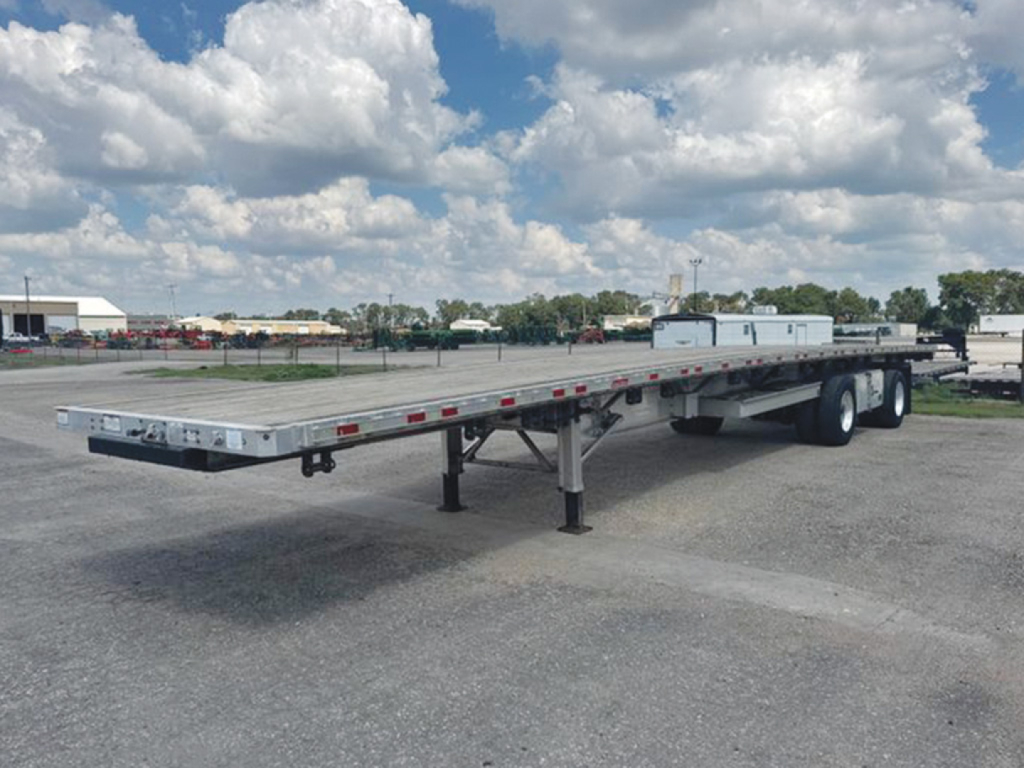
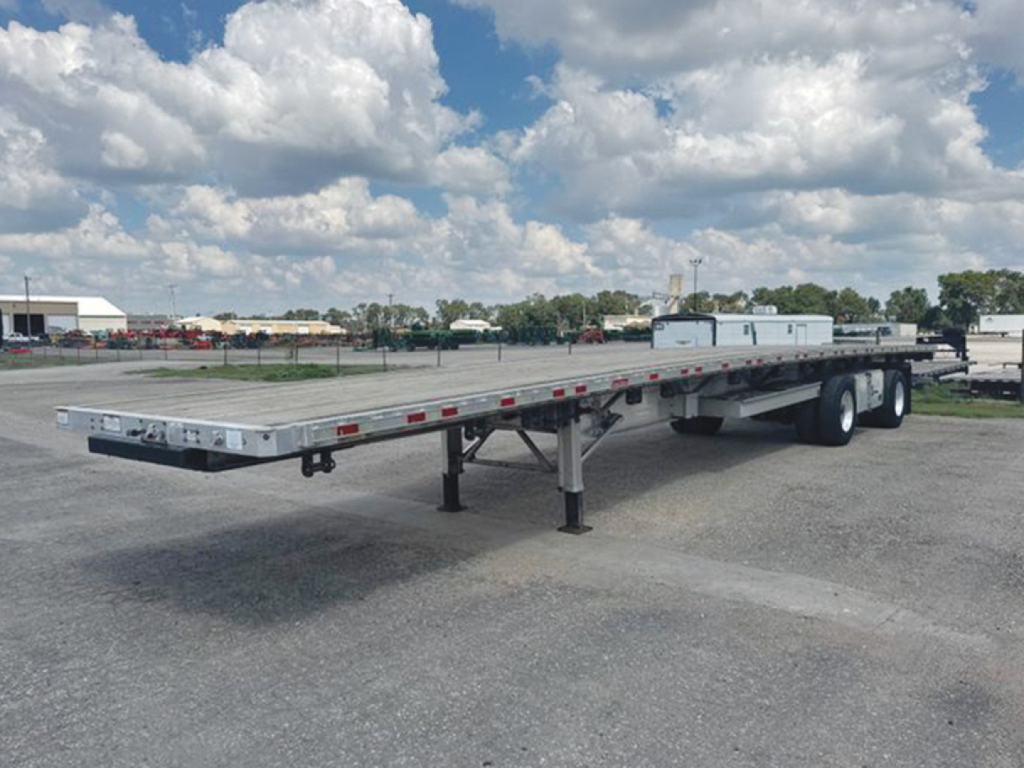
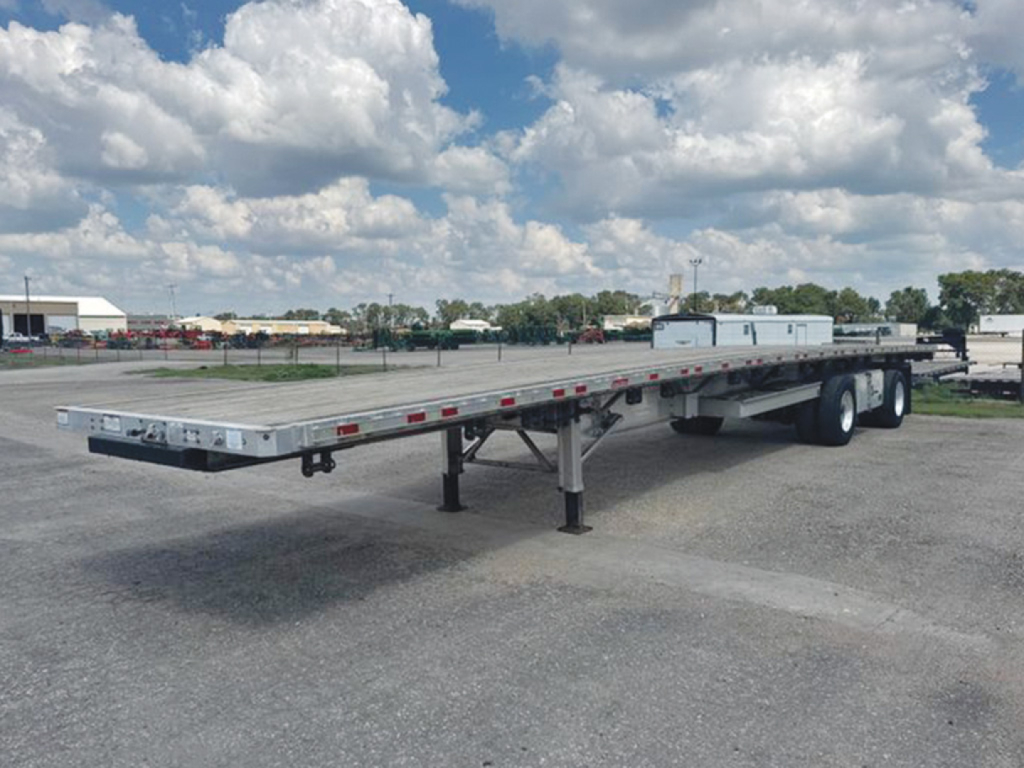
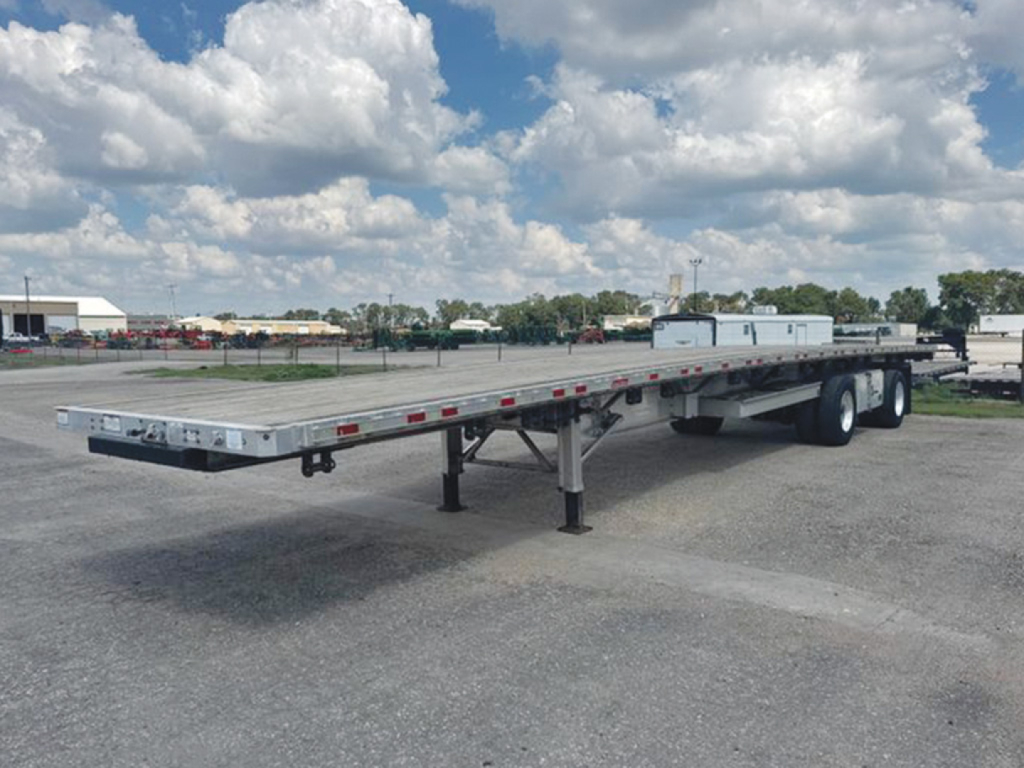
Have flatbed trailer to sell? List it here to reach thousands of buyers.
Flatbed Trailers in Kansas
Material choice matters. Aluminum flatbed trailers are favored when payload is the priority because they cut tare weight and help maximize legal cargo, while steel and combo designs can offer a different balance of durability, repair cost, and purchase price. Common spec items include aluminum flooring, nail strips, sliding winch tracks, fixed or sliding winches, coil packages, chain ties, double spools, and underbody tool boxes. Air ride suspension is a frequent upgrade for more delicate freight and better ride quality, and tire inflation systems are attractive for fleets trying to reduce roadside downtime and uneven tire wear. Wheel and tire specs, crossmember spacing, and deck condition are worth close attention because they affect both service life and how the trailer performs under concentrated loads.
Securement setup is where one flatbed trailer can be much more useful than another. A trailer equipped with a coil package, multiple tie-down points, and a full sliding winch track is better suited for mixed freight than a bare deck with limited anchor options. Buyers hauling steel should pay attention to coil well or coil package details, frame strength, and concentrated load ratings. For building products and general commodity work, deck condition, rub rail design, stake pockets, and the availability of side kits or tarping accessories can matter just as much as overall age. If the freight mix changes often, a versatile spec usually outperforms a highly specialized one.
Kansas operators should also think about route profile and seasonality. A spread axle flatbed can improve load distribution and bridge compliance on certain hauls, but it may be less convenient in tight job sites or urban deliveries. Trailer height, kingpin setting, and suspension condition can affect tractor pairing and overall handling. On used flatbed trailers, it is smart to inspect the main rails, crossmembers, outriggers, flooring, winch track wear, brake components, air system condition, and signs of deck damage from forklifts or concentrated steel loads. A well-spec'd flatbed trailer stays productive across a wide range of freight, which is exactly why this trailer class remains one of the most versatile tools in commercial trucking.
Frequently Asked Questions about Flatbed Trailers in Kansas
What is the most common flatbed trailer size?
The most common flatbed trailer sizes are 48 ft and 53 ft, both typically built to a legal width of 102 inches. A 53 ft flatbed offers more deck space for lighter or longer freight, while a 48 ft flatbed can be a practical fit for operations that value maneuverability or work within specific state and bridge constraints. The right size depends on the freight profile, not just the longest trailer available.
Is an aluminum flatbed better than a steel flatbed?
An aluminum flatbed is usually preferred when payload matters most because it reduces empty trailer weight and helps maximize legal cargo. A steel flatbed may offer a lower upfront cost and can be attractive in applications where repair approach, operating environment, or trailer abuse are bigger concerns. Many buyers also consider combo trailers, which blend aluminum and steel components to balance tare weight with structural durability.
What should I look for on a used flatbed trailer?
Key inspection points on a used flatbed trailer include the main frame rails, crossmembers, outriggers, deck surface, rub rails, stake pockets, winch track condition, brakes, suspension, and tires. It is also important to look for damage from forklifts, overloaded concentrated freight, and corrosion around high-stress areas. A clean appearance matters less than structural integrity, deck condition, and whether the securement setup matches the loads you plan to haul.
What is a coil package on a flatbed trailer?
A coil package is a securement and support setup designed to haul steel coils safely on a flatbed trailer. It typically includes specialized tie-down points and equipment that help manage concentrated weight and proper securement. For buyers hauling steel, coil package details are important because they affect both legal securement practices and how well the trailer handles dense, high-value loads.
Are spread axle flatbed trailers better for highway hauling?
A spread axle flatbed can be advantageous for highway hauling because it may improve weight distribution and help with bridge law compliance on certain loads. That said, spread axles can be less forgiving in tight spaces and may increase tire scrub during sharp turns. Tandem axle flatbeds are often easier to maneuver, so the better choice depends on your routes, loading locations, and the type of freight you haul most often.