
2019 Flatbed Trailers For Sale in Kansas
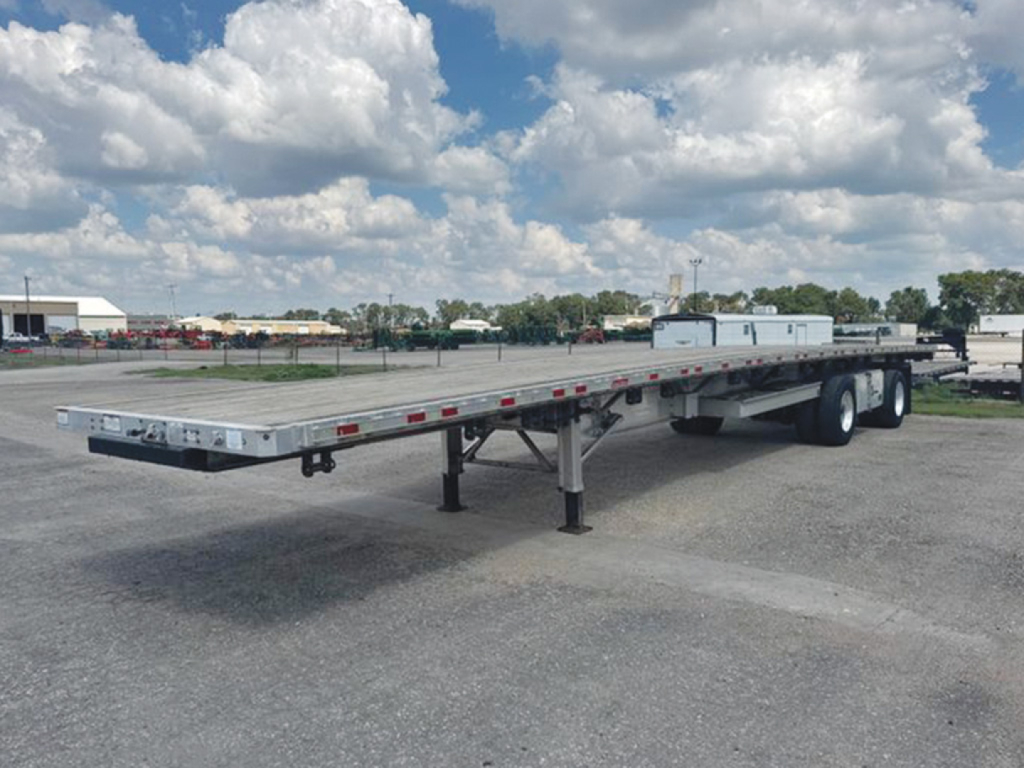
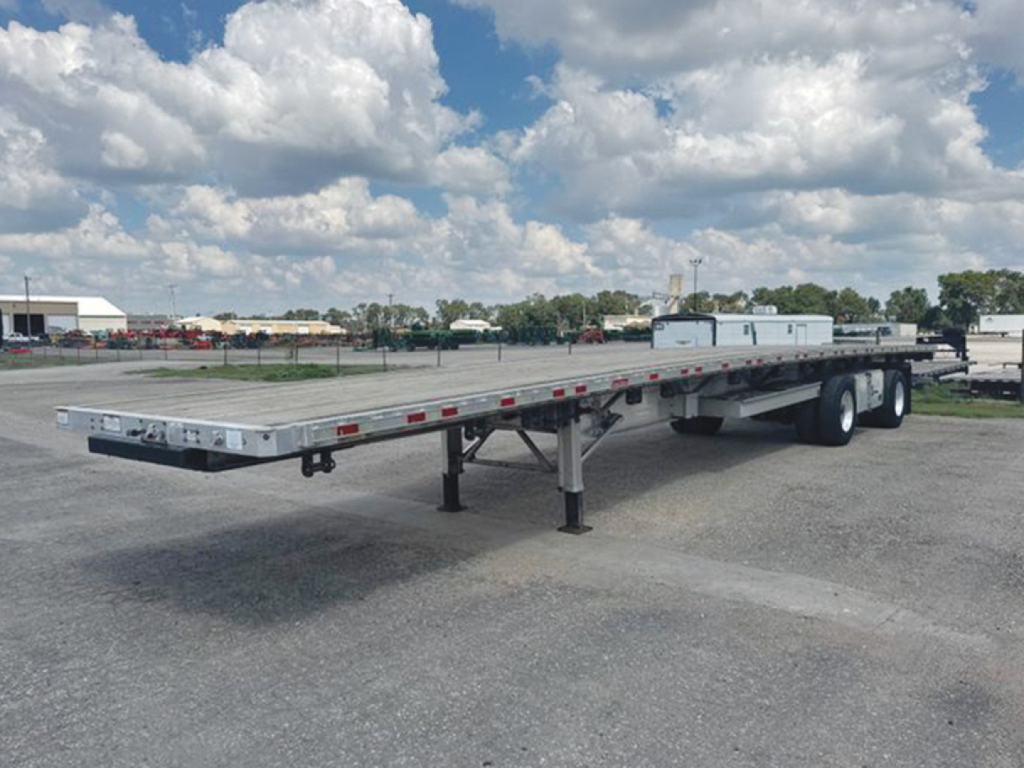
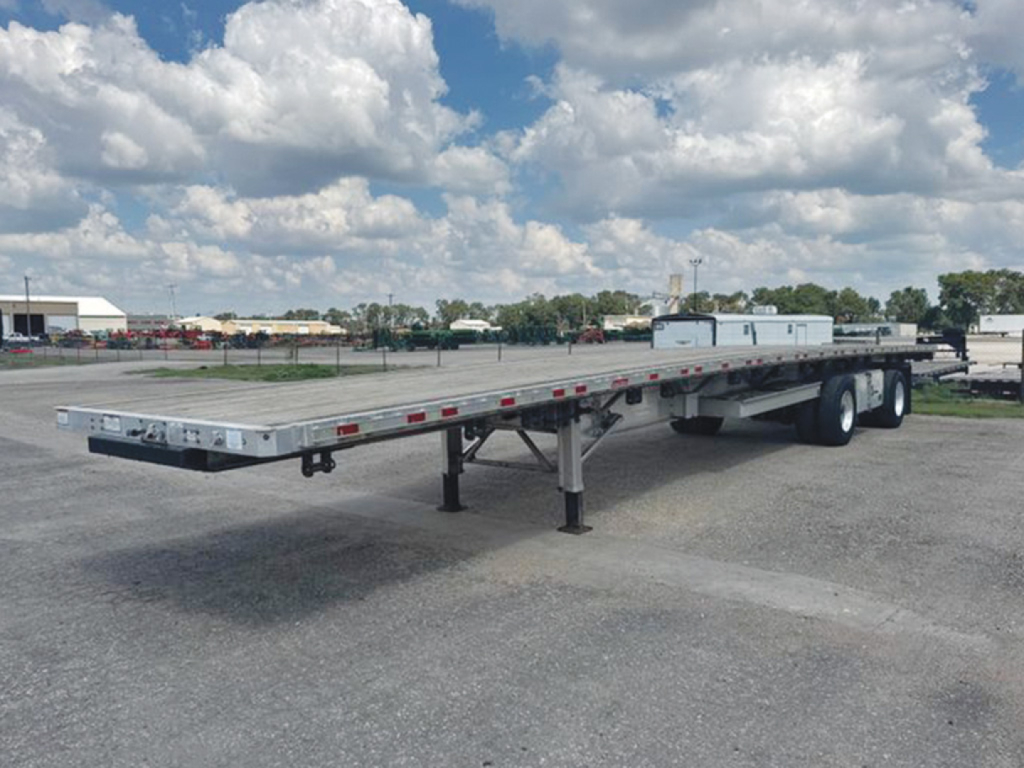
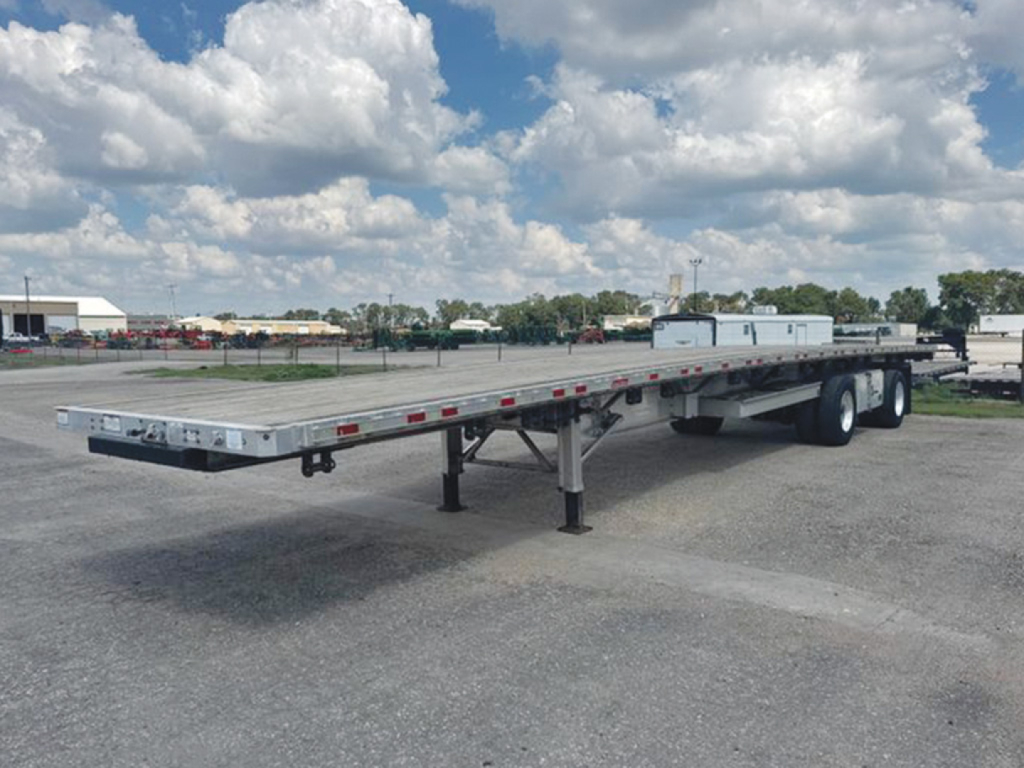
Have 2019 flatbed trailer to sell? List it here to reach thousands of buyers.
2019 Flatbed Trailers in Kansas
For Kansas operators, axle configuration and ride quality are practical buying points. Spread axle flatbeds remain popular for load distribution and highway stability, while air ride suspension helps protect freight and improves trailer control on mixed road conditions. Tire inflation systems are a strong value-add on used flatbeds because they can reduce irregular tire wear and help limit roadside downtime. Wheel and tire setup also deserves a hard look, especially on 22.5 low-profile rubber, since replacement cost, tread condition, and overall height can influence operating cost and compatibility with your fleet.
Deck construction is another area that separates one 2019 flatbed from another. Aluminum floors save weight, but buyers should inspect for damage around high-traffic loading zones, forklift contact points, and securement hardware. Check crossmember condition, kingpin area integrity, frame straightness, and signs of concentrated coil loading if the trailer has a coil package. Tool boxes, strobes, and other added equipment can improve day-to-day usefulness, but the bigger value is still in the trailer's structural condition, securement flexibility, and legal load capability.
A strong 2019 flatbed trailer should match the freight you actually haul, not just the spec sheet. General commodity haulers may prioritize low tare weight and a clean deck, while steel or machinery carriers may place more value on concentrated load support, winch placement, and anchor point access. Buyers comparing 2019 flatbed trailers for sale in Kansas should focus on GVWR, axle spacing, suspension type, deck condition, and the complete securement package. Those details will tell you more about long-term productivity than paint, polish, or badge alone.
Frequently Asked Questions about 2019 Flatbed Trailers in Kansas
What are the most common specs on a 2019 flatbed trailer?
The most common 2019 flatbed trailer configuration is a 53-foot long, 102-inch wide trailer with an aluminum deck and tandem or spread axle setup. Many are equipped with air ride suspension, sliding winch tracks, winches, nail strips, and 22.5-inch wheels and tires. Aluminum construction is especially common because it keeps tare weight down and helps preserve payload capacity.
Is an aluminum 2019 flatbed trailer a better choice than steel?
For many fleets, aluminum is the preferred material because it reduces empty weight and improves corrosion resistance, which can be important for long-term operating cost. Steel can offer durability in certain heavy-duty applications, but it generally carries more tare weight. The better choice depends on the freight mix, target payload, and how much value you place on lower weight versus deck repair simplicity.
Why does a coil package matter on a flatbed trailer?
A coil package is important if the trailer will haul steel coils or other concentrated loads. It is designed to better support that type of freight and can be a key sign that the trailer was spec'd for more demanding securement applications. Even if you do not haul coils every day, a trailer with a proper coil package can add flexibility for specialized freight and improve resale appeal in steel-hauling markets.
What should I inspect first on a used 2019 flatbed trailer?
Start with the structural areas that affect safety, legal compliance, and remaining service life. That includes the frame, crossmembers, kingpin assembly, suspension, axle alignment, brakes, wheel ends, and deck surface. After that, inspect the securement system closely, including winch tracks, tie-down points, chain slots, nail strips, and any signs of repeated overload or impact damage around the deck and side rails.
Are spread axle flatbeds a good fit for Kansas hauling?
Spread axle flatbeds are a strong fit for many Kansas operations because they help distribute weight and provide stable road manners on highway runs. They are commonly used in regional and over-the-road flatbed work, especially when hauling building materials, machinery, or steel. Buyers still need to confirm bridge law considerations, turning characteristics, and how the axle spread fits their normal routes and freight patterns.